

Florida Negligence Lawyer
Somebody was careless, and you are the one carrying it. If what happened does not fit a named category, this is still the right question. We can take it from here. Call 954-522-5800 for a free consultation. You pay us nothing unless we win. We have won these claims for Floridians from the Keys to the Panhandle, and we work them from five offices between Fort Lauderdale and Fort Myers.
Since March 24, 2023, Fla. Stat. § 768.81 bars recovery entirely for anyone found more than 50 percent responsible for their own harm, and reduces it proportionally below that. Medical negligence claims under chapter 766 are expressly excluded from that bar.
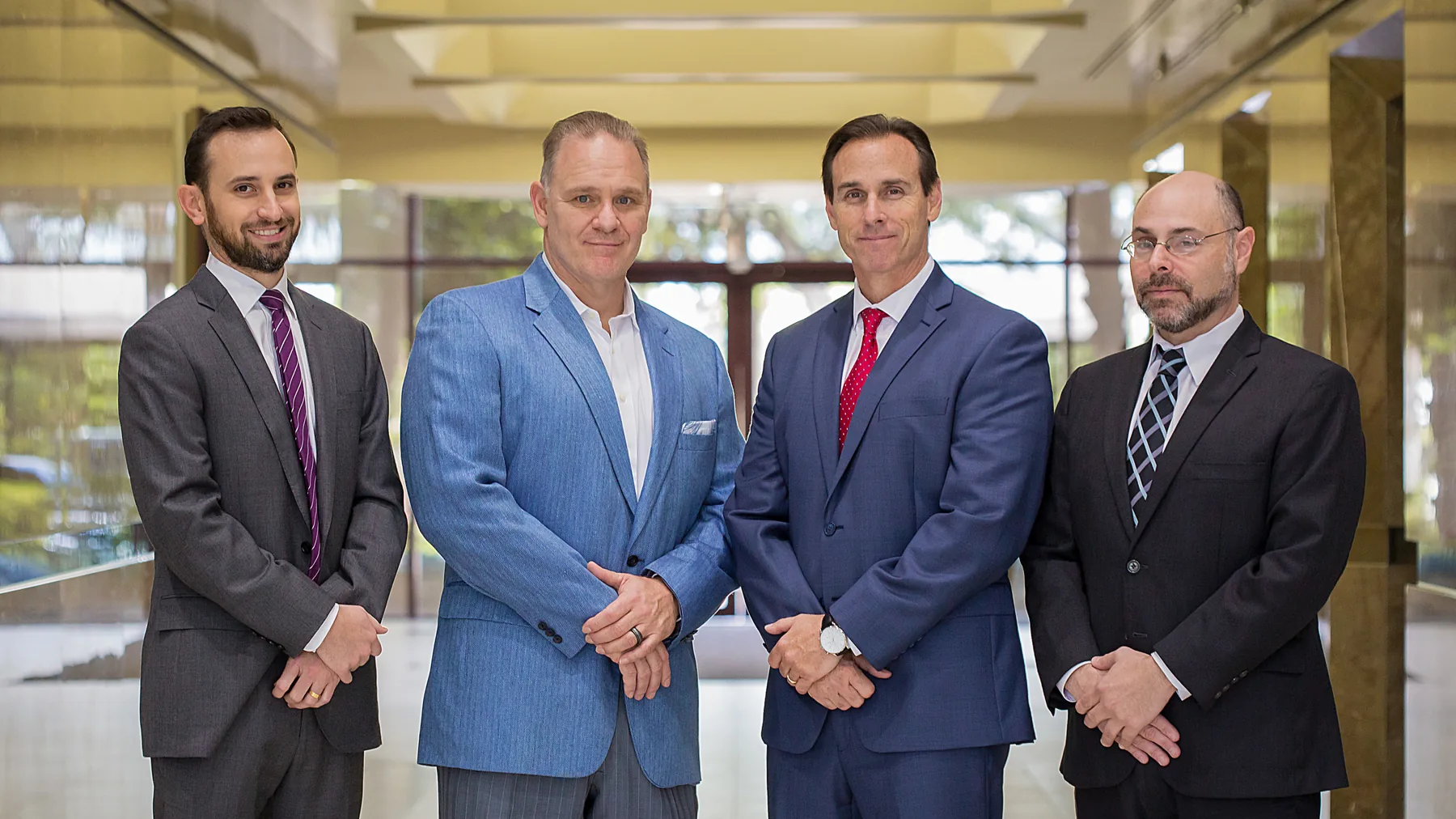
Winning negligence claims for Floridians for more than thirty years
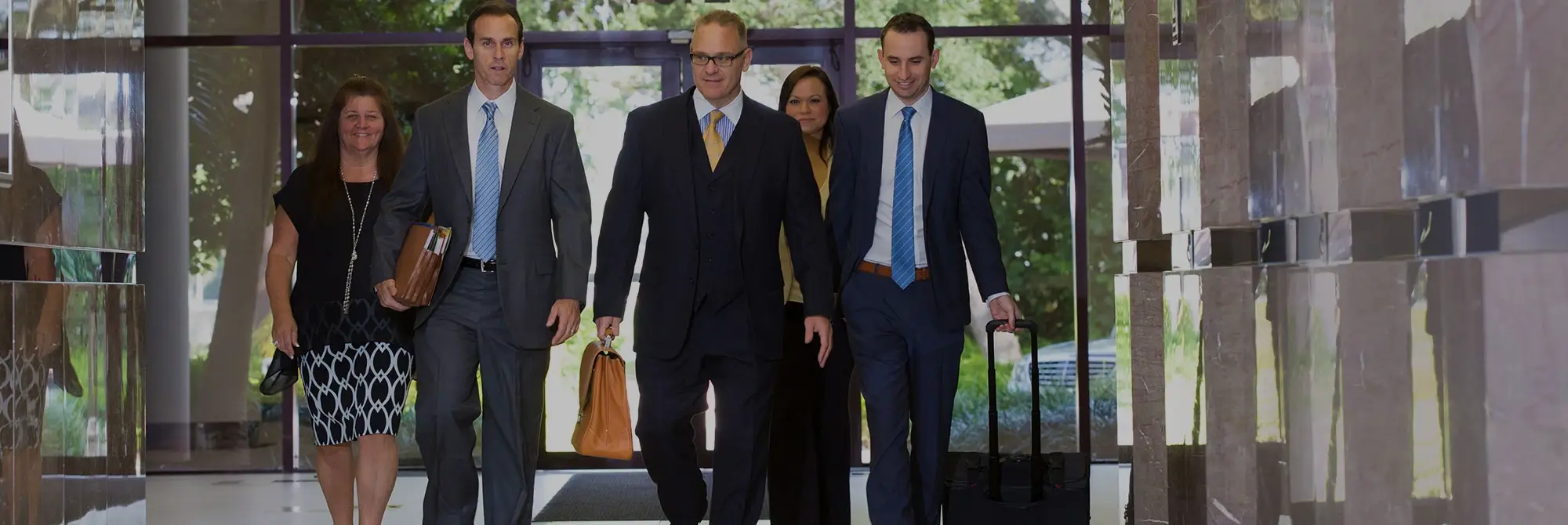
A negligence claim arrives at a hard time, usually while the bills are still coming in and nobody has told you what happens next. You do not have to work it out on your own. The attorneys in this photograph have won these cases across Florida since 1993, from the Keys to the Panhandle, and one of them will handle yours from the first call to the last check.
Call 954-522-5800 for a free consult and a trial lawyer will tell you today whether you have a case. You pay us nothing unless we win, and we work from five offices between Fort Lauderdale and Fort Myers.
Meet the attorneys →What Florida law does with a negligence claim
Whoever caused it has an insurer, and that insurer has already opened a file with a number in it. Meanwhile you are paying for treatment, losing income, and being asked for a statement before anybody knows how bad this is. Handling all of that for you is what we do, from the first call.
Almost every injury claim in Florida is a negligence claim, whatever else it is called. The label on the page, car accident or slip and fall or malpractice, describes the situation; the law underneath is the same four questions. Below is what those questions are, how each is proved, and what the answers are worth.
Negligence in Florida means somebody owed you a duty of reasonable care, fell short of it, and caused you harm as a result. All four have to be proved, on the greater weight of the evidence. Most claims must be filed within two years, and your own share of the fault reduces what you recover.
The deadline that ends a Florida negligence claim
One date ends the claim regardless of how strong it is, and which date it is depends on who you are suing and when it happened.
Two years for most negligence claims
Most claims from an accident on or after March 24, 2023 have to be filed within two years. An older accident keeps the four years that applied when it happened. The period is in Fla. Stat. § 95.11 and it runs from the day the claim arose rather than from the day anybody appreciated how serious it was. A claim filed one day late is over, whatever the evidence shows.
The exceptions, each with its own rule
A death claim runs two years from the date of death rather than from the injury. A medical negligence claim runs two years from discovery with an outer limit of four years from the incident. A products claim carries an outer limit measured from delivery under Fla. Stat. § 95.031. Each of these is set out in full on the practice page for that kind of claim.
A government defendant, which changes everything
Fla. Stat. § 768.28 requires written notice to the agency and, in most cases, to the Department of Financial Services within three years of the claim accruing and within two where somebody died, a waiting period before suit can be filed, and caps what a public body pays at $200,000 per person and $300,000 per incident. Whether a defendant is public is not always obvious from the name on the vehicle or the building.
When the clock stops, which is rarer than people hope
Fla. Stat. § 95.051 lists what tolls a limitations period: a defendant absent from Florida, concealed, or using a name nobody can serve, along with defined circumstances involving a plaintiff's incapacity, subject to an outer limit of seven years from the event. All of it is argued after the fact against somebody with every reason to say it does not apply.
Who the law makes answerable, and when
Florida makes people answerable for their own carelessness, and in defined situations for somebody else's. The second category is where most of the money in injury law actually sits.
- The person who was careless. The starting point in every claim, and frequently the party with the least insurance. What limits an ordinary claim is almost never whether somebody was at fault; it is what coverage stands behind them.
- An employer, for what an employee did at work. A company answers for its employees acting within the scope of their employment, without any need to prove the company itself did anything wrong. It also answers separately for its own failures in hiring, training, supervision and retention, which are different claims with different proof.
- The owner of a vehicle. Florida treats a motor vehicle as a dangerous instrumentality, so an owner answers for how somebody they lent it to drove it. A parent, a friend or a small business that let a vehicle out is a separate party, frequently with a separate policy.
- A property owner or occupier. Somebody who controls land answers for its condition to the people who come onto it, with the duty varying by why they were there. That is a body of law in its own right and it is set out on our Florida premises liability page.
- A public body, within limits. Fla. Stat. § 768.28 waives sovereign immunity for negligence in defined circumstances and then caps and conditions it. Some decisions by government bodies remain immune entirely as matters of policy rather than operation, and where a claim falls on that line is worked out early because it decides whether there is a case.
- More than one defendant, which usually helps. Florida divides fault between the parties responsible, so naming a second defendant does not weaken the case against the first. Leaving one out simply removes their insurance from the table.
The four things a negligence claim has to prove
Four elements, all four required, each proved on the greater weight of the evidence rather than beyond reasonable doubt. That standard is lower than the one people know from criminal cases and it matters.
- Duty: that they owed you reasonable care. Everybody owes a general duty to act with reasonable care where their conduct creates a foreseeable risk to others. Some relationships raise it: a company carrying passengers for hire, a professional to a client, a property owner to somebody invited in. Some situations lower it or remove it. Duty is a question for the judge rather than the jury, which is why it is argued first.
- Breach: that they fell short of it. Measured against what a reasonable person would have done in the same situation, not against perfection and not with hindsight. Where a professional is involved the standard is what a reasonably prudent similar professional would have done, which normally requires another professional to say so.
- Where a statute sets the standard. Breaking a safety law written to protect the class of people the injured person belongs to, from the kind of harm that happened, can establish the breach without any separate argument about reasonableness. A traffic statute, a building requirement or a safety regulation can each do this work, which is why the specific rule gets identified rather than described generally.
- Causation: that it actually caused the harm. Two questions. Would the harm have happened anyway without what they did, and was this harm a foreseeable result rather than a freak consequence. Where more than one thing contributed, a defendant does not escape simply because something else contributed too.
- Where the thing speaks for itself. Some accidents do not happen without carelessness and the evidence of what went wrong is entirely in the defendant's hands: an instrument left inside a patient, something falling from a building. In narrow circumstances Florida lets the circumstances themselves support an inference of negligence, which shifts the practical burden of explaining.
- Damages: that you were actually harmed. A claim needs a real injury and real loss. Somebody frightened by a near miss with no injury has no claim in negligence, however careless the other party was.
- Gross negligence, which is a different thing. Ordinary negligence is carelessness. Gross negligence is conduct so wanting in care that it shows a conscious disregard for the safety of others, and Fla. Stat. § 768.72 requires it, or intentional misconduct, proved by clear and convincing evidence before punitive damages can be awarded. It also appears in waivers and in workplace immunity, where the distinction decides whether a claim exists at all.
What the claim is worth, and how that number is built
Once liability is established the case becomes arithmetic and evidence, and the same heads of loss apply whatever kind of accident it was.
The medical care, past and future
Everything already billed and separately what the treating physicians say is still ahead. The second half is the one an early offer leaves out and it is usually the larger one.
Lost income and lost earning capacity
Wages missed are arithmetic. What somebody can no longer earn is a separate and larger claim, proved with an economist and the treating physicians rather than asserted.
Pain, suffering and loss of the ability to enjoy life
The head of loss with no invoice attached, which is why an early offer prices it lowest. It is proved from the ordinary detail of a life rather than argued in the abstract.
Your share of the fault, and the line at 50 percent
Fla. Stat. § 768.81 reduces an award by the percentage of fault placed on the claimant, so a claim worth $100,000 with 20 percent on you pays $80,000. Since March 2023 the same section bars recovery entirely by anybody found more than 50 percent responsible for their own harm, with medical negligence expressly excluded from that rule.
That single change is why the fight over percentages is now frequently the whole case, and why giving a recorded statement to the other side's adjuster in the first week is worth so much to them.
What is repaid out of the recovery
Health insurance, Medicare and Medicaid pay bills and are then repaid from the settlement. Fla. Stat. § 768.76 keeps those payments from being deducted from the award because the right to be repaid already exists, which means the money was advanced rather than given. Those claims are negotiable and reducing them is real money to a client.
Punitive damages, which are separate and rare
Fla. Stat. § 768.72 does not allow them to be pleaded until a court has seen evidence supporting them, and then requires intentional misconduct or gross negligence proved by clear and convincing evidence. Most negligence claims do not reach it, and a lawyer promising it at a first meeting is describing a different case from the one you have.
What changes from one part of Florida to another
The elements above are identical in every Florida courtroom. Three practical things are not, and they affect what a claim is worth.
Which county the case is filed in
Fla. Stat. § 47.011 allows an action where the defendant resides, where the cause of action accrued, or where the property in litigation is located. Where more than one of those is available it is a real strategic choice, and it is made at filing rather than revisited later.
Juries differ, and everybody prices it
The same facts and the same injury produce meaningfully different verdicts in different parts of the state, and every experienced defense adjuster in Florida already knows the number for the county your case is in. Pretending otherwise costs clients money.
How long a case takes
Court schedules and the time to reach a trial date vary between circuits, and that affects the leverage a filed case actually carries. A defendant facing a firm trial date behaves differently from one facing a date two years out.
A proven record, anywhere in Florida
Our five offices run from Fort Lauderdale to Fort Myers, and they are where we work from rather than the limit of where we act.
The insurance behind a Florida negligence claim
A claim is only worth what can be collected, and in Florida that is decided almost entirely by what insurance exists behind the person at fault.
Florida requires very little of drivers
Fla. Stat. § 627.733 requires personal injury protection and Fla. Stat. § 324.022 requires $10,000 of property damage liability. Coverage for injuring somebody else is not required of an ordinary private car at all, so a driver can be entirely at fault and fully legal with nothing that pays an injured person a dollar.
Your own coverage does more than people realize
Fla. Stat. § 627.736 pays $10,000 in benefits, being 80 percent of reasonable medical expenses and 60 percent of lost wages regardless of fault, provided a qualifying provider is seen within 14 days and, for the full amount, finds an emergency medical condition. Uninsured and underinsured motorist coverage under Fla. Stat. § 627.727 answers the driver with nothing, has to be offered with every liability policy, and can be left off only where the customer signed a written rejection.
Businesses carry liability coverage, in whatever amount they bought
A shop, a landlord, a contractor or a manufacturer carries general liability coverage, frequently with excess layers above it. How much is a commercial decision made long before you were hurt, and it sets the practical ceiling on the claim.
Finding all of it, rather than the obvious policy
Fla. Stat. § 627.4137 requires an insurer to disclose the limits of each known policy, including excess and umbrella coverage, in a sworn statement within 30 days of a written request. An employer's policy, a vehicle owner's policy, a household policy covering a relative and an umbrella above any of them are each found by asking rather than by being offered.
A public defendant, and the cap
Fla. Stat. § 768.28 limits a government body to $200,000 per person and $300,000 per incident whatever the harm, with anything above requiring an act of the Legislature. On a serious injury that ceiling is frequently a fraction of the loss and it is established at the start.

What has to be proved
The four elements
Duty: the other party owed you a legal obligation to take care. Breach: they failed to meet it. Causation: that failure actually caused your injury, not merely preceded it. Damages: you suffered a loss the law recognizes and can measure.
Most disputes are about causation and damages rather than duty and breach. An insurer will frequently concede that something went wrong while arguing it did not cause your particular injury, or that your injury is worth far less than you think.
When your situation does not fit a category
Our practice area pages cover the claims we are asked about most, but they are not a closed list. If you were hurt because somebody else did not take reasonable care, the underlying question is the same one, and it is worth a phone call to find out.
We would rather tell you honestly that there is no claim here than have you assume there is none because your situation did not appear on a website menu.

What we have recovered on these claims
Matters this firm handled in this area of law. Figures are gross recoveries, before attorney fees, costs and medical liens come out of them.
A landscaping supply company employee ran over our client’s foot with heavy machinery, costing him multiple surgeries, skin grafting and a lifetime of care.
SettlementEvery verdict and settlement we publish, with the press coverage for the ones that were reported. No result predicts another case: every claim turns on its own facts, its own evidence and the insurance actually available.
Who would handle your case
Your case is handled by one of the trial lawyers below, and you will know which of them has it from the first conversation. They do negligence work week in and week out, they will tell you what your case is worth and why, and they will be straight with you about the parts that are hard.
-
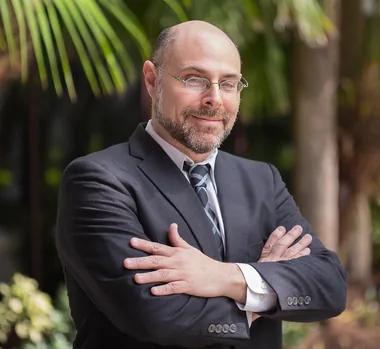 Brian H. Malamud Senior Trial Attorney More than twenty years on the Wolf & Pravato trial team. Brian Malamud has handled your kind of case many times over, and he knows early which parts of it are going to decide it. Full profile →
 -
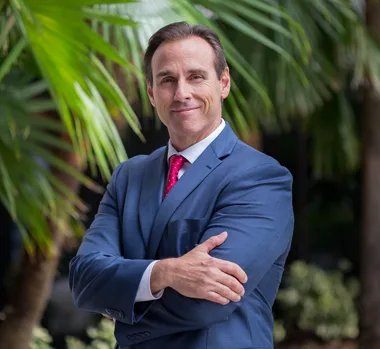 Richard P. Pravato Founding & Managing Attorney Board Certified in Civil Trial Law by The Florida Bar since 2004, and by the National Board of Trial Advocacy. Injury cases exclusively since 1996. Full profile →
 -
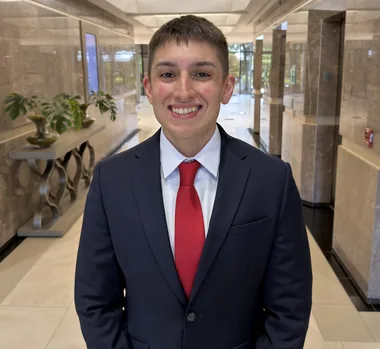 Alazay Ventura-Coffey Trial Attorney On his first day as a sworn attorney, Alazay Ventura-Coffey co-chaired a Broward County jury trial that returned $1,387,060.58. He has built every case that way since. Full profile →
Negligence questions we are asked
What if my situation is not on your list of practice areas?
Call and ask. The pages on this site cover what we are asked about most often, not everything we handle. Nearly all injury claims come down to the same negligence question, and the free consultation exists partly so people can find out whether they have one.
I was partly to blame. Can I still recover anything?
If you were 50 percent responsible or less, yes, reduced by your share. Since March 2023 anyone found more than 50 percent responsible recovers nothing in Florida. That threshold is why insurers now argue so hard about dividing the blame, and why an early recorded statement is worth so much to them.
How do I know whether it is worth bringing?
That is the conversation, and it costs nothing. It usually depends on how clear the fault is, how serious and well-documented the injury is, and how much insurance exists to pay. If the answer is that it is not worth bringing, we will tell you that.
Questions that apply to any Florida injury claim, fees, deadlines, recorded statements and shared fault, are answered on our injury claim FAQ. What we have recovered is on recent case results.
Five Florida offices
We take negligence claims statewide. Each market below has its own page on this claim, with that office's address, its direct number and the court a case there is filed in.
Fort Lauderdale
2101 W Commercial Blvd, Fort Lauderdale. Serving Broward County.
View →Miami
1111 Brickell Avenue, Miami. Serving Miami-Dade County.
View →West Palm Beach
2101 Vista Parkway, West Palm Beach. Serving Palm Beach County.
View →Boynton Beach
1375 E Gateway Blvd, Boynton Beach. Serving Palm Beach County.
View →Fort Myers
1825 Colonial Blvd, Fort Myers. Serving Lee County.
View →Other claims we handle
Three of the closest to this one. The full list is on our Florida practice areas page.
Tell us what happened
A lawyer will listen, tell you what Florida law does with those facts, and be straight with you about whether it is worth bringing. If it is not, we will say so.
We take cases anywhere in Florida.