

Fort Lauderdale Construction Accident Lawyer
Construction sites run on federal safety standards, and a violation leaves a paper trail. We go and find it. We can take it from here. Call 954-522-5800 for a free consultation. You pay us nothing unless we win. Our Fort Lauderdale personal injury lawyers have taken these cases across Broward County since 1993.
Construction Accident claims in Fort Lauderdale
On a construction site the general contractor, the subcontractor and the equipment owner each point at one of the others, and the site itself is changed by the next working day. Meanwhile you are on a check that does not cover the rent, with surgery ahead and no idea when you work again. Finding who else owes you beyond compensation is our job, and it starts the day you call.
Coastal high-rise work, the marine trades along the New River and the port itself account for most of the construction injuries we take in Broward. The legal problem is almost always the same: workers' compensation is the exclusive remedy against your own employer, and Florida extends that immunity up the chain to a general contractor in defined circumstances. What it does not cover is another subcontractor, an equipment supplier, a crane or hoist operator working for someone else, or the property owner. Establishing the contractual structure of the site is what determines whether there is a claim beyond comp, and it is not something that can be worked out from the accident report alone.
A Broward construction injury usually produces two claims rather than one: workers’ compensation through your own employer, which pays regardless of fault, and a negligence claim against any other company on the site, which pays for pain and lost earning capacity and is frequently the larger. Establishing who was responsible for the condition is the work that decides whether the second exists.
What to do after a construction accident in Fort Lauderdale
- Report the injury to your employer, and note the date you did it. Florida requires an injured worker to report a workplace injury to the employer, and the period for doing it is short. Say it to a supervisor, and follow it with a text or a message so there is a record of the date. Injuries reported late are disputed on that ground alone, and a message sent the same afternoon closes the argument before it starts.
- Write down every company that was on the site. Not only who employs you. The general contractor, the other trades working that day, whoever owned or operated the equipment, the delivery driver, the crane or hoist company, the property owner. Photograph the signage at the gate and the logos on the trucks. Your employer is generally the one party you cannot sue in negligence, so the names that matter most are the other ones.
- Photograph the scene and the equipment before it changes. A site is different by the next morning. The ladder gets put away, the opening gets covered, the scaffold moves up a level and the trench gets backfilled. Photograph the thing itself, the guardrails or the ones that were missing, the tags and inspection stickers on any equipment, and the wider area so it is clear what a person could actually see.
- Get treated, and understand who is directing the care. Go to the hospital if you need to. After that, workers’ compensation generally directs treatment to physicians the carrier authorizes, which is a real constraint and not a suggestion. It is worth having somebody explain how that works before you are unhappy with it, because the process for changing an authorized physician has its own rules and its own timing.
- Immigration status does not decide whether you have a claim. Florida’s workers’ compensation statute defines an employee to include workers whether they are lawfully employed or not, and a negligence claim against another company on the site does not turn on status either. Workers are told the opposite constantly. One thing genuinely is worth care: anything to do with documents given to an employer should be discussed with a lawyer before it is discussed with anybody else.
Where these happen in Fort Lauderdale
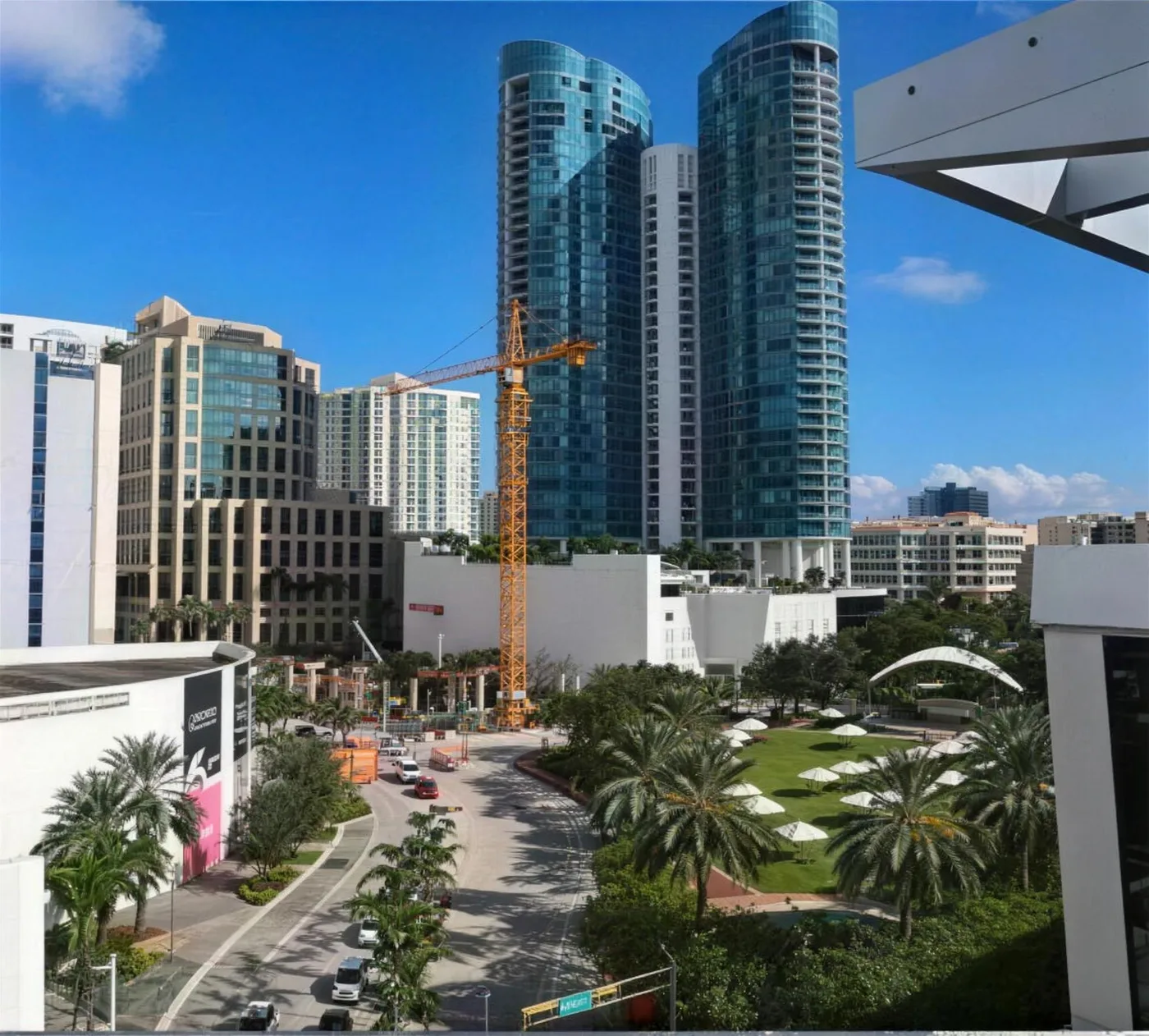
A great deal of the construction in Broward is work on buildings that are already occupied and already in use, which puts trades, residents, guests and staff in the same space. That changes both how these injuries happen and who is answerable for them.
-
Renovation in occupied buildings
Hotel, condominium and office refurbishment along the beach and downtown, carried out around people who are still living and working there.
- Structures that are not what the drawings said, which is discovered by opening them up
- Temporary power, temporary protection and access routes shared with the public
- A building owner and a management company alongside the contractors, each with separate insurance
- Permit and inspection history, which records what was approved and what was actually done
-
Warehouse and distribution build-out
The industrial belt along Powerline Road, Copans and the corridors feeding the port, where the work is fast and the structures are large.
- Steel erection and roof work at height, where fall protection is the whole question
- Deliveries and forklift traffic moving through areas where people are working on foot
- Multiple trades sequenced tightly, so the crew that removed a guardrail is not the crew that fell
- Equipment owned by a rental company rather than by anybody on site, which adds a defendant
-
Demolition and interior strip-out
Work that changes the building as it goes, which means the hazard on Tuesday is not the hazard that existed on Monday.
- Floor openings created during the work and left unguarded afterward
- Partial collapse where a structure carried more load than the drawings recorded
- Asbestos, lead and other material found in older buildings mid-job
- Daily reports and site photographs, which exist for each day and are worth requesting by date
-
The public side of a site
Broward builds against sidewalks and roads that stay open, and the people hurt are frequently not workers at all.
- Falling material and tools where overhead protection was required and inadequate
- Temporary walkways, plating and level changes that move week by week
- A claim in ordinary negligence rather than compensation, because the injured person is nobody’s employee
- The contractor controlling the area below, and the general contractor’s own duty over the site
What causes them
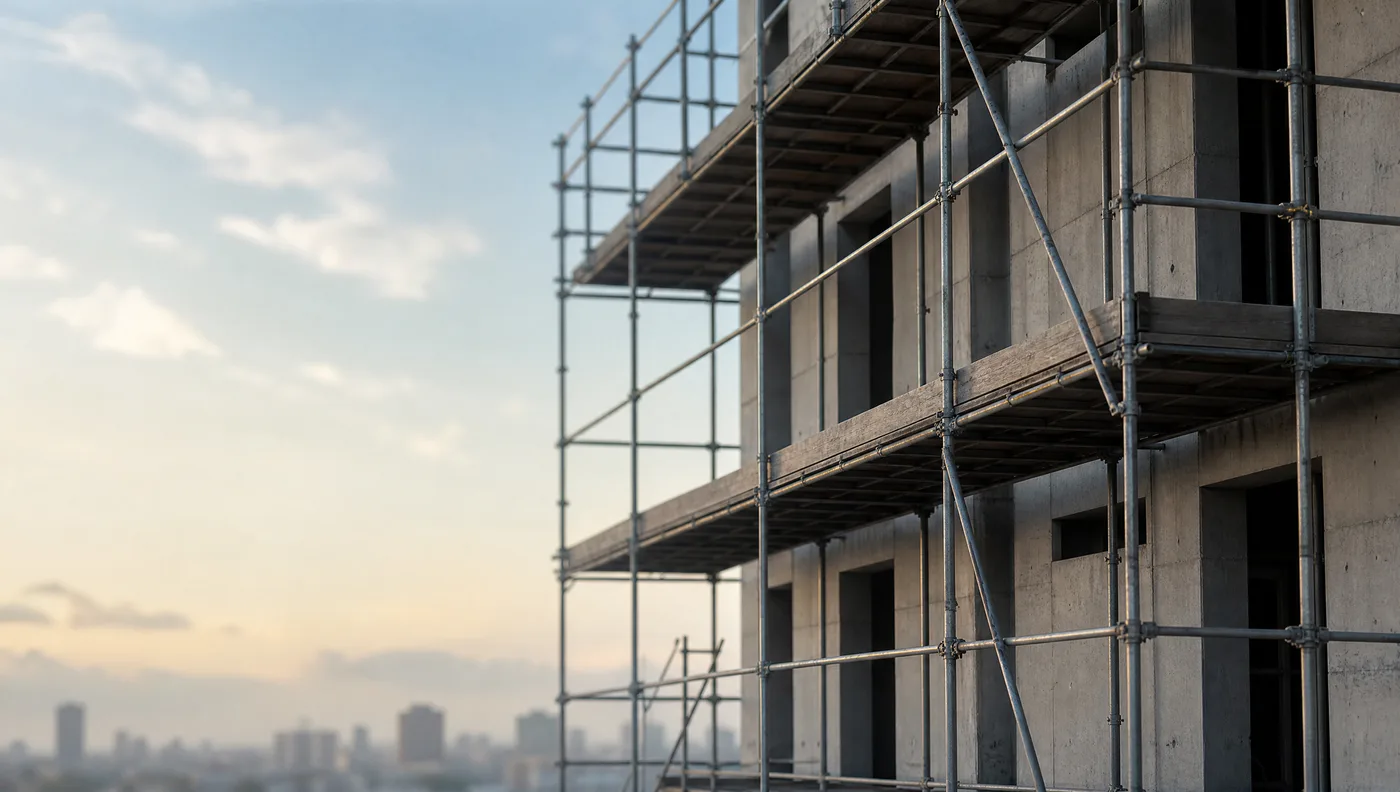
- Falls from roofs, scaffolds and ladders, which remain the leading cause of construction deaths nationally
- Falls through unguarded floor openings, skylights and shafts
- Material and tools falling on people working below, and on people passing on the street
- Being struck by vehicles, equipment and swinging loads on an active site
- Trench and excavation collapse, where the protective system was absent or was the wrong one for the soil
The injuries we see, and what each one turns on
Spine and spinal cord
Falls produce the most serious spinal injuries we see, and the argument that follows them is always the same: nearly every adult spine shows wear on imaging, so the claim is that the fall found it rather than caused it. Florida law does not reduce what a defendant owes because the injured person was more vulnerable than average. What answers the argument is a treating physician documenting the change in function and a treatment record with no unexplained gaps in it.
Brain injury
A struck-by injury or a fall does not have to knock somebody out to injure the brain, and a normal CT scan does not rule one out. What follows shows up in memory, concentration, sleep and temper, and on a job site it shows up first as somebody being unable to do work they have done for twenty years. It is proved with neuropsychological testing and treating records rather than with the scan taken on the day.
Crush and orthopedic injuries
Pelvis, femur, tibia and complex joint fractures that need hardware and then a second operation to remove or revise it. In a trade that is paid for physical work, the question is rarely whether somebody recovers but whether they recover enough to go back to the same job, which is a different and much larger loss.
What Florida law requires you to prove
Compensation against your employer, and what it does not pay
Workers’ compensation under Chapter 440 pays medical care and a portion of lost wages regardless of who was at fault, and in exchange it is generally the exclusive remedy against your own employer under Fla. Stat. § 440.11. What it does not pay is anything for pain, for what daily life has become, or for the full value of a career that has ended. It also has its own deadlines, starting with the requirement in Fla. Stat. § 440.185 that the injury be reported to the employer promptly.
The claim beside it, against everybody else
A construction site is a set of separate companies, and the exclusive remedy protects only your employer. Another subcontractor, an equipment owner or manufacturer, a crane or hoist operator, a delivery company or the property owner all remain answerable in ordinary negligence, and that claim does pay for pain and for lost earning capacity. Florida does extend the employer’s immunity to a general contractor in defined circumstances under Fla. Stat. § 440.10, which is precisely why the contractual structure of the site has to be established rather than assumed. Most Florida negligence claims arising on or after March 24, 2023 carry a two-year deadline under Fla. Stat. § 95.11.
What the federal safety rules do and do not do
Construction work runs under the federal standards in 29 CFR Part 1926, including the fall protection requirements in 29 CFR § 1926.501, which generally require protection at six feet in construction. A violation does not by itself create a right to sue, and a citation is not a verdict. What it does provide is a documented standard against which conduct is measured, and a federal investigation file that would not otherwise exist. Employers also have to report a workplace fatality within eight hours and an amputation or in-patient hospitalization within twenty-four under 29 CFR § 1904.39, which fixes a date and generates records.
The full statutory detail, and the parts that differ by claim type, sit on our statewide construction accident page rather than being restated in every market.
How we prove it in Broward County
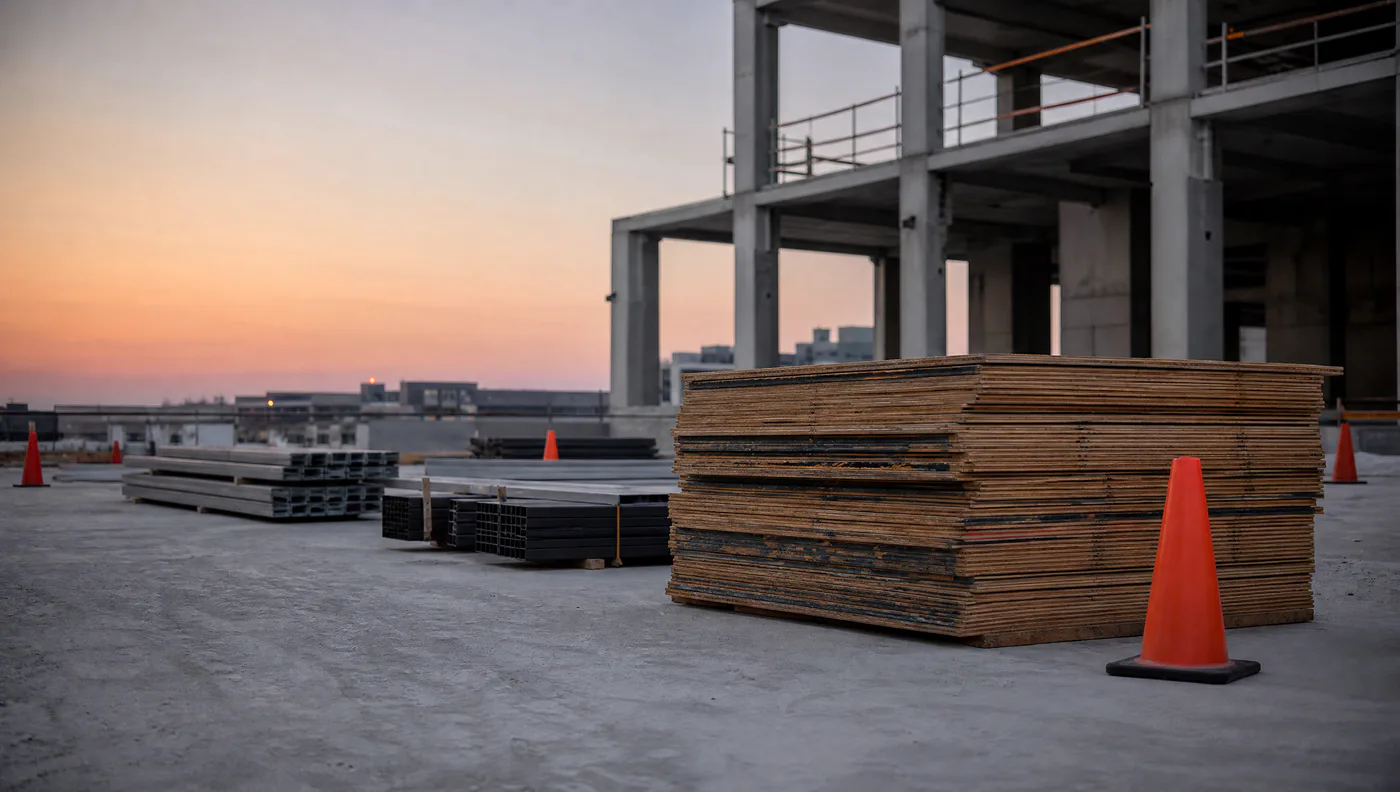
The evidence in a construction case is documentary and it is generated continuously, which is an advantage as long as somebody asks for it before a job closes out and the crews disperse.
- The contracts between the owner, the general contractor and every subcontractor, which decide who is answerable for what
- Daily reports, site photographs and the superintendent’s log for the date in question
- The safety program in force, toolbox talk sign-in sheets and any job hazard analysis for that task
- Inspection records and tags for scaffolds, ladders, hoists and lifting equipment
- The equipment itself, preserved before it is repaired or returned to a rental company
- Any federal safety investigation file, and the employer’s own injury reporting to the agency
- Permit and inspection history for the building, particularly on renovation and demolition work
- The employment and contracting arrangement for every person on the site that day
The preservation request goes out first, because equipment leaves a site faster than paperwork does. A ladder or a hoist component sent back to a rental company in week two cannot be examined by anybody afterward.
Who would handle your case
Being hurt in Fort Lauderdale is hard enough without working out the legal side on your own. The trial lawyers below have handled construction accident claims across Florida since 1993, and one of them will take yours from the first call to the last check. They will tell you what your case is worth and why, and they will be straight with you about the parts that are hard.
-
 Richard P. Pravato Founding & Managing Attorney Board Certified in Civil Trial Law by The Florida Bar since 2004, and by the National Board of Trial Advocacy. Injury cases exclusively since 1996. Full profile →
 -
 Brett J. Yonon Senior Trial Attorney Selected to Florida Super Lawyers in 2024 and 2025. Brett Yonon is who this firm puts on a catastrophic injury or a death in the family, and he has tried those cases to verdict. Full profile →
How insurance companies handle these claims
Two carriers are usually involved from the start and they want different things. The compensation carrier is managing a claim it has to pay whatever happened, and the liability carrier for another company on the site is deciding whether it has any exposure at all.
- This is all covered by workers’ compensation
- True about one claim and silent about the other. Compensation covers you through your employer regardless of fault, and in return you generally cannot sue that employer. Anybody else whose negligence caused the injury remains answerable, and that claim pays for pain and for lost earning capacity, which compensation does not. It is frequently the larger of the two, and nobody involved has any reason to mention it to you.
- You were given the equipment and chose not to use it
- The harness was in the truck, the guardrail was available, the ladder was tied off yesterday. It is answered from the site records rather than from argument: the safety program in force, the toolbox talk sign-in sheets, the inspection logs, and what the other trades on the site were actually doing that week. Where none of those documents exist, that absence is itself the answer.
- You are an independent contractor, so there is no coverage
- What decides it is the actual working relationship rather than what the paperwork calls it: who controlled the work, who supplied the tools and materials, whether you worked for anybody else. Florida treats the question more strictly in construction than in other industries. Where the classification was wrong there may be coverage after all, and where there genuinely is none, a straight negligence claim against the employer becomes possible instead.
What a claim can include
What compensation pays
Authorized medical care and a portion of lost wages, regardless of fault, plus impairment benefits. It does not pay anything for pain or for what daily life has become, and the wage portion is a fraction rather than the whole.
What the claim against everybody else pays
Medical care past and future, the full wage loss rather than a portion, lost earning capacity, and pain and suffering. This is the claim that is not mentioned to an injured worker, and on a serious injury it is usually the larger of the two.
Lost earning capacity in a trade
The real loss in construction is rarely the weeks off. It is a person who can no longer carry, climb or kneel doing work that requires all three, and who has to earn a living somewhere else. That is quantified by a vocational assessment rather than by a pay stub.
Why Wolf & Pravato in Fort Lauderdale
A Broward construction case is filed in the Seventeenth Judicial Circuit at the Broward County Courthouse, and this office has worked in it since 1993. These claims require the site’s contractual structure to be unpicked before anybody knows what the case is, which is work rather than a phone call, and it starts the day you call.
Richard Pravato has been Board Certified in Civil Trial law by The Florida Bar since 2004. The Bar lists 861 lawyers in the state holding it against a membership over 109,000. What it means in practice is that the other side knows the file can go in front of a jury, and files that can go to trial are priced differently from files that cannot.
The first conversation is free. We are paid out of the recovery or not at all, and if we do not think there is a claim worth bringing we will tell you that rather than take it.
Fort Lauderdale construction accident questions
I was hurt on a site. Is workers’ compensation all I get?
Not necessarily, and this is the single most useful thing to know. Compensation covers you through your employer regardless of fault, and in return you generally cannot sue that employer. Anyone else whose negligence caused the injury remains answerable: another subcontractor, an equipment manufacturer or rental company, a delivery driver, the site owner. That claim pays for pain and suffering and for lost earning capacity, which compensation does not, and it is often the larger of the two.
I do not have papers. Can I still bring a claim?
Yes. Florida’s workers’ compensation statute defines an employee to include workers whether they are lawfully employed or not, and a negligence claim against another company on the site does not turn on immigration status either. Workers are told the opposite constantly and it is not the law. One thing is genuinely worth care: anything to do with documents given to an employer should be raised with a lawyer before it is raised with anybody else.
Something fell from a site and hit me while I was walking past.
That is an ordinary negligence claim rather than a compensation matter, because you are not anybody’s employee there. Responsibility usually sits with whichever contractor controlled the work and the area below it, and frequently with the general contractor as well through its duty to keep the site safe for people passing. Site logs, daily reports and the permit record identify who was working overhead at the time.
I am getting workers comp. Can I still bring a claim?
Against your employer, generally not. Against anyone else who contributed to the injury, yes, and that claim is not barred by the comp system. On a multi-contractor site there is very often such a party. It also pays for pain and suffering, which comp never does.
I am undocumented. Can I still make a claim?
Immigration status does not remove the right to bring an injury claim in Florida. It can raise practical questions worth discussing candidly and privately, which is exactly the sort of conversation the free consultation is for.
The questions that come up on every kind of claim, deadlines, fees, recorded statements and fault, are answered on our Florida injury claim FAQ.
More in Fort Lauderdale
Fort Lauderdale Personal Injury Lawyer
Everything we handle in Broward County, and where our office is.
View →Fort Lauderdale Bicycle Accident Lawyer
Florida bicycle accident lawyers.
View →Fort Lauderdale Bus Accident Lawyer
Florida bus accident lawyers.
View →Fort Lauderdale Birth Injury Lawyer
Florida birth injury lawyers.
View →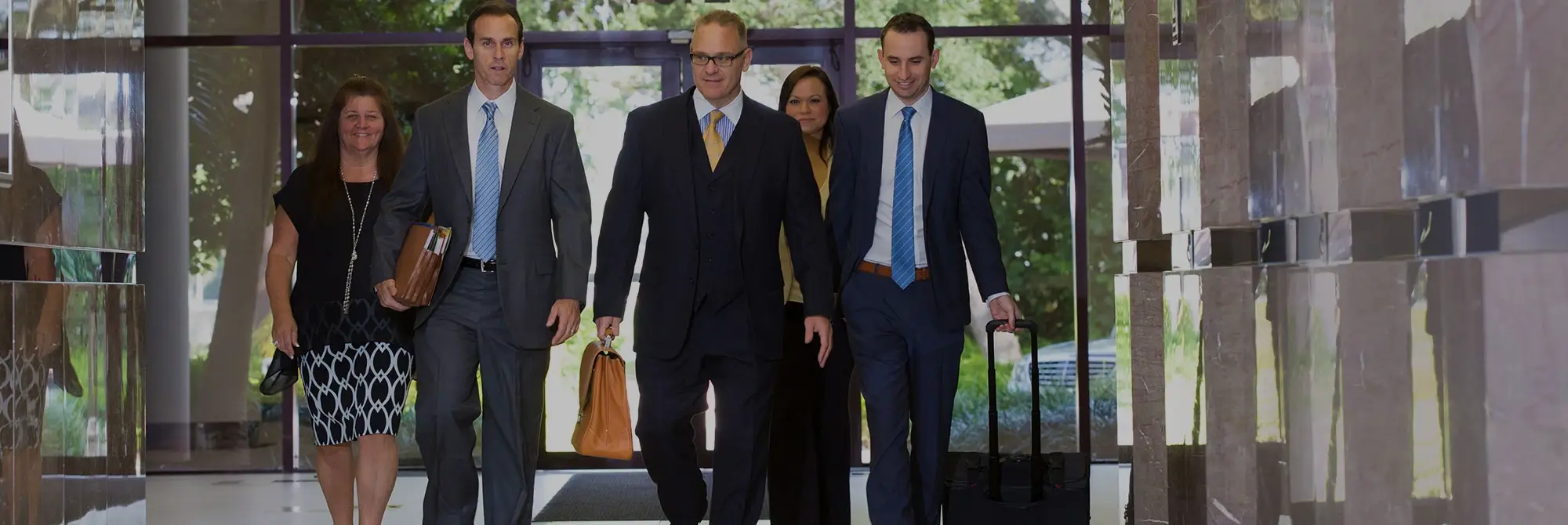
Tell us what happened
A lawyer will listen, tell you what Florida law does with those facts, and be straight with you about whether it is worth bringing. We are at 2101 W Commercial Blvd, Suite 1500, Fort Lauderdale, FL 33309.