







Uber and Rideshare Car Accidents in Lakeland: Who Is Responsible?
If you were injured in a rideshare crash, it’s normal to ask: who is liable in Uber accident Lakeland cases—especially when the driver insists they were “between rides” or the insurance company starts pointing fingers. A Lakeland Uber accident lawyer can help sort it out, including the experienced legal team at the Law Offices of Wolf & Pravato, which regularly handles complex rideshare injury claims across Florida. Still, you can also learn the fundamentals right now: responsibility usually depends on (1) who caused the collision and (2) the rideshare driver’s “app status” at the moment of impact.
Lakeland traffic can get intense on corridors like I-4, US-98, and the Polk Parkway (SR 570). Add frequent pickups near downtown, shopping centers, and busy intersections, and rideshare risks go up fast. Below is a clear guide to how liability works, what insurance may apply, and what steps protect your claim.
Rideshare crashes in Lakeland: why liability is different
In a typical car crash, there are usually two drivers and two insurance policies. Rideshare accidents can involve multiple layers:
- The driver’s personal auto policy
- A rideshare insurance layer that applies only during certain “app phases.”
- Potential claims involving other drivers, vehicle owners, or even a government agency (rare)
That’s why a rideshare car accident attorney Lakeland, FL, victims trust often starts with one crucial question: Was the driver logged out, waiting for a ride, or actively on a trip?
The “three phases” that change insurance coverage
Florida law sets insurance requirements for rideshare companies (also known as transportation network companies). The rules are spelled out in Florida Statutes § 627.748
In practice, rideshare coverage is usually evaluated in these three phases:
1) App off / driver logged out (personal driving)
If the rideshare driver wasn’t logged into the app, the crash typically functions like a standard car accident—meaning their personal policy is usually the first place insurers look.
2) App on, waiting for a ride request (available, no passenger)
If the driver is logged into the network but hasn’t accepted a ride yet, Florida Statutes § 627.748 sets minimum liability requirements that can apply during this window.
3) Ride accepted or passenger in the vehicle (a “prearranged ride”)
Once the ride is accepted or the passenger is being transported, the coverage requirements typically increase significantly. Again, the controlling framework is Florida Statutes § 627.748.
Why this matters: Insurers sometimes dispute the driver’s phase because it can change which policy is primary and how much coverage is available. Your case can turn on app logs, timestamps, and ride records.
Who can be responsible in a Lakeland Uber/rideshare accident?
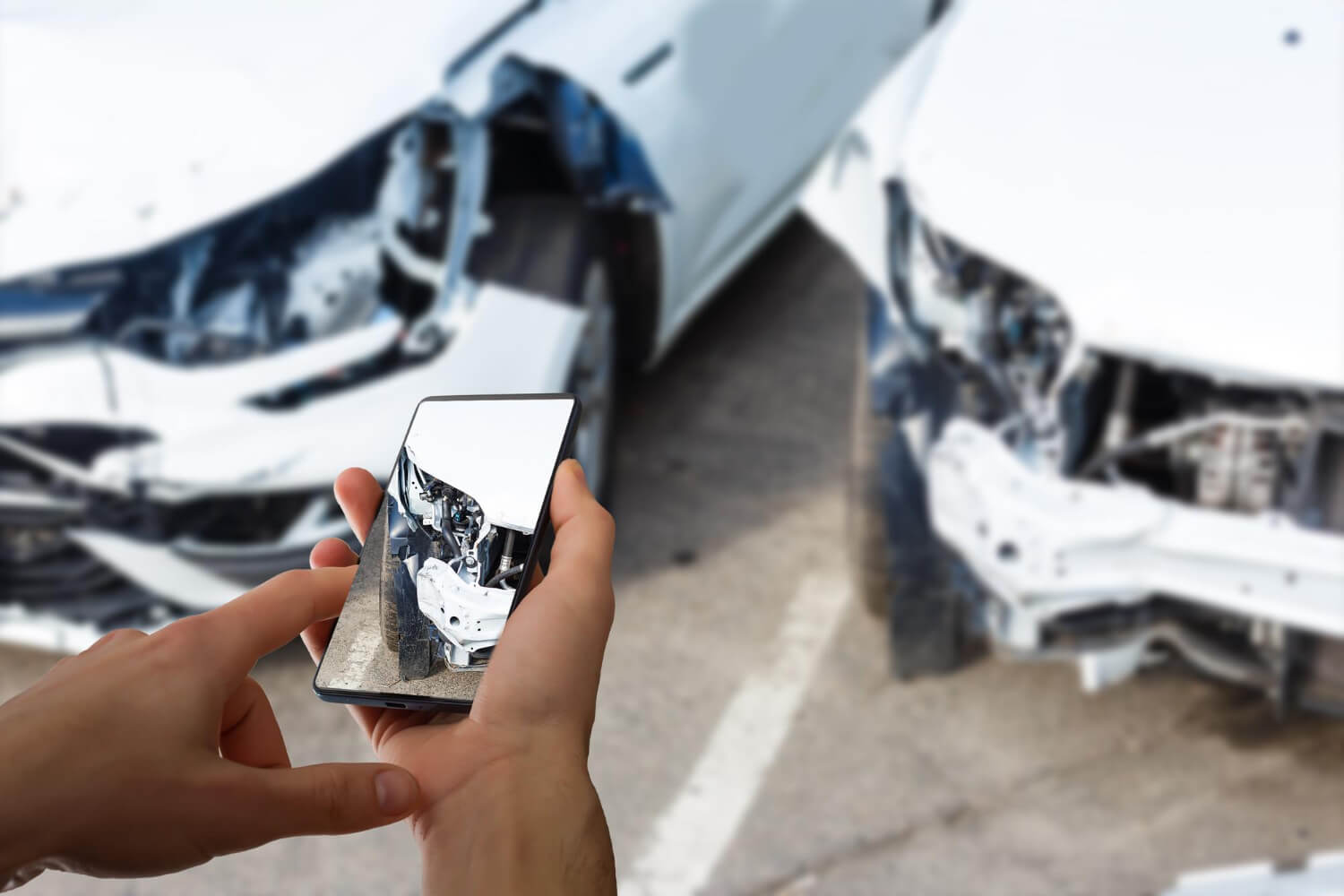
Liability comes down to negligence—who acted carelessly and caused the crash. In rideshare collisions, more than one party may share responsibility.
The rideshare driver
A rideshare driver may be liable if they were:
- Distracted by the app or GPS
- Speeding to “make the next fare.”
- Stopping suddenly for pickups or making unsafe turns
- Driving fatigued after long hours
If the rideshare driver is at fault, the app phase matters because Florida Statutes § 627.748 affects the insurance structure that may apply. (Online Sunshine)
Another negligent driver
Sometimes the rideshare driver did nothing wrong, and a third-party driver caused the crash (rear-end, unsafe lane change, failure to yield, etc.). In that scenario, the at-fault driver’s insurance is often the starting point—though rideshare-related coverage questions can still arise depending on the circumstances.
Vehicle owner or other third parties
Other potentially responsible parties may include:
- A vehicle owner who negligently entrusted the car to an unsafe driver
- A company/employer (in specific non-rideshare scenarios)
- A maintenance/repair provider (uncommon, but possible if bad work contributed)
Government entity (rare)
If a roadway defect or malfunctioning signal caused the crash, a government entity might be involved. These claims have strict procedural rules and notice requirements, so legal help can be critical.
Florida no-fault rules and what they mean for rideshare injuries
Florida is a “no-fault” state for many crashes, which often means you begin with Personal Injury Protection (PIP) coverage regardless of fault. The PIP framework is in Florida Statutes § 627.736 (Required personal injury protection benefits).
A key trap for injured people is the 14-day rule: under Florida Statutes § 627.736, insurers generally require that you receive initial medical services and care within 14 days of the accident to access certain PIP medical benefits.
No-fault doesn’t mean nobody is responsible. If you suffered a serious injury, your damages can exceed PIP, and a liability claim against the at-fault party may still be available.
Also, Florida fault rules can affect the result. Florida Statutes § 768.81 (Comparative fault) governs how fault is allocated in negligence cases.
Evidence that can decide “who’s responsible.”
Because rideshare cases can turn on the app phase and timing, evidence is everything. Helpful items include:
Rideshare-specific evidence
- Screenshot of the trip screen (driver name, pickup, route, timestamps)
- Trip receipt/confirmation email
- In-app messages or call logs
- Pickup/drop-off history
Crash evidence
- Photos/video of vehicle damage, road conditions, traffic signals, skid marks
- Witness names and numbers
- Dashcam footage (yours, witnesses, nearby businesses)
Medical & wage evidence
- ER/urgent care records, follow-ups, imaging, prescriptions
- Work restrictions and pay stubs showing missed time
Florida law can require immediate notice to law enforcement for inevitable crashes (including injury or apparent property damage of at least $500). That requirement is described in Florida Statutes § 316.065 (Crashes; reports; penalties).
If you need the official crash report later, the state’s guidance is on FLHSMV Traffic Crash Reports (including how to purchase or access reports through the Crash Portal). (Florida Highway Safety)
Common causes of rideshare crashes around Lakeland roads
Rideshare accidents often happen for the same reasons as other crashes—just amplified by pickups, navigation changes, and app-driven distractions:
- Distracted driving (GPS + app + traffic)
- Sudden stops for curbside pickups
- Unsafe lane changes on I-4 / US-98
- Speeding and aggressive merging
- Failure to yield at busy intersections
(Internal link opportunity: common causes of car accidents in Florida.
What to do after an Uber/rideshare crash in Lakeland
If you’re able, use this checklist:
- Call 911 and ask for medical help if anyone is hurt.
- Get medical care promptly (the PIP clock can matter). See Florida Statutes § 627.736.
- Screenshot the ride details (trip status, driver info, timestamps).
- Photograph everything (damage, injuries, road conditions, signals).
- Gather witnesses before they leave.
- Don’t rush into recorded statements with insurers until you understand the coverage layers.
- Talk with an attorney who handles rideshare claims and knows how to preserve app-status proof.
Internal link opportunity here: Lakeland car accident lawyer.
Why hiring a Lakeland Uber accident lawyer helps
Rideshare cases aren’t just “regular” car wrecks. A Lakeland Uber accident lawyer can help by:
- Identifying the correct rideshare insurance phase under Florida Statutes § 627.748, Preserving time-sensitive evidence (trip data, app records, witness info)
- Coordinating crash report retrieval through FLHSMV Traffic Crash Reports, calculating damages beyond immediate bills (future care, wage loss, limitations)
- Handling insurers that try to minimize injuries or shift blame under Florida Statutes § 768.81
Contact Wolf & Pravato or call at 844-643-7200 for a free consultation. You pay nothing unless we win. Winning is no accident.
Disclaimer: This content is for informational purposes only and does not constitute legal advice. Every case depends on its specific facts.
Frequently Ask Questions
- Who is liable in Uber accident cases in Lakeland?
Liability depends on who caused the crash and the driver’s app status, which affects insurance tiers under Florida Statutes § 627.748. - What if the Uber driver was waiting for a ride request?
Coverage may differ when the driver is logged in but not on a trip. The baseline framework is in Florida Statutes § 627.748. - Do I have to see a doctor within 14 days in Florida?
For PIP medical benefits, timing can matter. The 14-day rule is tied to Florida Statutes § 627.736. - Can the insurance company say I’m partly at fault?
Yes. Florida allocates fault under Florida Statutes § 768.81 (Comparative fault), which can affect compensation. - Do I need a police report for a rideshare crash?
Inevitable crashes require immediate notice to law enforcement under Florida Statutes § 316.065. - How do I get the official crash report?
Florida’s official guidance is on FLHSMV Traffic Crash Reports, including the Crash Portal process. - What evidence helps prove app status and coverage?
Trip screenshots/receipts, timestamps, and app communications can be crucial—especially where Florida Statutes § 627.748 insurance phases are disputed. - How much does it cost to talk to Wolf & Pravato?
The consultation is free. You pay nothing unless we win. Call 844-643-7200.
Recent Posts
- Fort Myers Personal Injury Intake Prep: What to Bring to Your First Call
- Fort Myers Property Damage: Total Loss Valuation, GAP Insurance, and Rental Reimbursement
- Multi-Vehicle Collisions in Fort Lauderdale: How Fault Gets Assigned in Florida (Practical Scenarios)
- Uninsured / Underinsured Driver Crashes in Fort Lauderdale: UM Coverage + Proof Strategy

- Crash Evidence That Holds Up: Dashcam, Vehicle Data, and Phone Records in Fort Lauderdale Claims
- Florida 14-Day Accident Law: What Fort Lauderdale Drivers Need to Know
FLORIDA’S PERSONAL INJURY ATTORNEYS FOR + 20 YEARS