















How Crash Reports and Medical Records Affect Case Value in Port St. Lucie
If you have been in a car accident in Port St. Lucie, Florida law allows you to seek fair compensation for the injuries and losses you suffered. However, you must present evidence connecting the accident to your injuries. That’s where a police report and medical records come in.
In this article, our personal injury attorney in Port St. Lucie explains the vital role these documents play in the assessment and resolution of your injury claim. Without them, you will most likely be unable to obtain the funds needed to repair your vehicle, pay your medical bills, and replace your lost income.
Why Case Value Matters in a Personal Injury Claim
Personal injury victims understandably worry about the financial impact their injury will have on them and their families. Many focus on the immediate medical expenses and lost wages, never realizing the full range of losses they may suffer.
A car accident attorney in Port St. Lucie can help you assess the actual value of your case. They can work with your doctors to determine any future healthcare. They can also determine your pain and suffering, a damage many neglect to account for.
But none of this matters without the proper documentation, and that starts with the crash report.
The Role of Crash Reports in Port St. Lucie Injury Cases
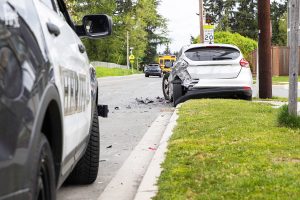
Immediately after a car accident in Port St. Lucie, you need to call 911. It is mandatory to call the police when someone is injured, dies, or there is an estimated $500 of property damage, per Florida Statutes § 316.065. Inform the operator what has happened, where you are, and whether anyone needs emergency services.
When law enforcement arrives, they will render aid and create a report on the accident. The police report will act as an official, unbiased assessment of the accident. It will include key details, such as:
- Date, time, and location
- Parties involved, including their insurance and contact information
- If any citations were issued
- Diagrams depicting the point of impact and final position of the vehicles
- The officer’s observations and preliminary determination of fault
The report could also include statements from witnesses at the accident scene.
Insurance companies rely on police reports because they act as a credible, neutral third-party report on the accident, and they will demand to see this report if you wish to collect compensation.
Medical Records: The Backbone of Injury Claims

Once the police have finished their report, you need to see a doctor as soon as possible. Whether you are taken by an ambulance to the emergency room, visit an urgent care center, or see your primary care doctor, you must do this immediately.
Medical records are essential in a personal injury claim. They are proof that your injuries are real, and with prompt action, they help establish a timeline between accident and treatment. These medical documents may include:
- Emergency room records
- Diagnostic imaging, such as X-rays, MRIs, and CT scans
- Physician notes and treatment plans
- Physical therapy and rehabilitation records
The key to medical records is connecting your injuries directly to the auto accident.
Furthermore, you must remain consistent in your treatment. Do not skip any appointments. Be open and direct with your doctors. Any gaps in your treatment can be used to reduce the value of your claim.
How Crash Reports and Medical Records Work Together
These records and documents work together to present a clear, compelling narrative for insurers or juries. They connect how the accident occurred to the injuries suffered, like suffering whiplash after a rear-end collision.
Your Port St. Lucie car accident attorney can collect these records and reports and submit them to the insurance companies on your behalf.
Common Mistakes That Reduce Case Value
For the strongest possible case, our Port St. Lucie personal injury lawyers advise that you avoid these common mistakes:
- Delaying medical treatment after an accident: Insurance adjusters may argue that your injuries were caused by some other event if there is any time between the accident and your initial diagnosis.
- Downplaying injuries to doctors or police: After an accident is no time to act tough or stoic; openly discuss how you feel with the responding officer and your doctors.
- Inaccurate or incomplete crash reports: Be sure to check the police report; any discrepancies and mistakes can undermine your claim.
- Failing to follow prescribed medical care: If you are feeling better, discuss it with your doctor so that changes in your treatment plan are documented.
How a Port St. Lucie Personal Injury Attorney Maximizes These Records
Your accident attorney in Port St. Lucie can be a great benefit when seeking a fair settlement. They have the resources to gather these documents and ensure their accuracy. They can:
- Review crash reports for errors or omissions
- Work with your medical providers to obtain complete records
- Use expert testimony when needed
Our Florida car accident lawyers can then present this evidence strategically during negotiations or litigation, seeking maximum compensation for your losses. But you must reach out before the statute of limitations on your case expires.
Contact the Law Offices of Wolf & Pravato Following Your Port St. Lucie Car Accident
Strong documentation builds strong results, and our law firm knows how to build the best possible case for you. Contact the Law Offices of Wolf & Pravato and receive a free consultation. We can explain your legal rights and options.
Call (844) 643-7200 today.
Recent Posts
- Fort Myers Personal Injury Intake Prep: What to Bring to Your First Call
- Fort Myers Property Damage: Total Loss Valuation, GAP Insurance, and Rental Reimbursement
- Multi-Vehicle Collisions in Fort Lauderdale: How Fault Gets Assigned in Florida (Practical Scenarios)
- Uninsured / Underinsured Driver Crashes in Fort Lauderdale: UM Coverage + Proof Strategy

- Crash Evidence That Holds Up: Dashcam, Vehicle Data, and Phone Records in Fort Lauderdale Claims
- Florida 14-Day Accident Law: What Fort Lauderdale Drivers Need to Know
FLORIDA’S PERSONAL INJURY ATTORNEYS FOR + 20 YEARS