











Car Accident Attorney Lakeland: What To Do in the First 72 Hours
The first three days after a crash are a blur—pain, stress, towing, insurance calls, and trying to get your life back on track. But those same 72 hours are also when key evidence appears (and disappears), medical timelines get set, and insurers start shaping the story.
This guide is a practical, step-by-step plan for what to do after a car accident Lakeland drivers experience—especially along busy corridors like I-4, US 98, US 92, SR 570 (Polk Parkway), Florida Avenue, and Lakeland Hills Blvd. If you need help quickly, talk with a Lakeland car accident lawyer to protect your rights and avoid costly mistakes.
Car accident attorney Lakeland: why the first 72 hours matter
A car accident attorney Lakeland residents turn to will tell you the same truth: most claims are won or lost on the basics—medical documentation, clean timelines, and preserved evidence.
Here’s what typically happens right away:
- Your body is still in “adrenaline mode.” Symptoms can show up hours later.
- Vehicle damage gets repaired or disposed of. Photos and inspections matter.
- Witness memories fade. Statements become less reliable quickly.
- Insurance adjusters begin recording your words. Early misstatements can follow you.
If you handle the first 72 hours with a plan, you can protect both your health and your case.
0–2 hours: protect your health and your claim
1) Call 911 and get medical help (even if you’re “fine”)
If anyone is hurt or traffic is blocked, call 911. Accept EMS evaluation when appropriate. Some injuries (concussion, internal injury, soft-tissue trauma) don’t feel serious immediately.
2) Get to a safe location—then document the scene
If it’s safe:
- Take wide photos showing lane positions, skid marks, debris, and traffic signals.
- Take close-ups of damage, license plates, and any visible injuries.
- Record a quick video narrating the time, location, and what you remember.
3) Exchange info (and be careful what you say)
Collect:
- names, phones, addresses
- driver’s license numbers
- insurance policy details
- vehicle make/model/plate
- names and contact info for witnesses
Avoid apologizing or taking fault. You can be kind without making statements that get twisted later.
4) Identify cameras immediately
In Lakeland, cameras often exist at:
- gas stations
- retail parking lots
- intersections on major roads
- nearby businesses
The video is frequently overwritten quickly. The sooner you flag it, the better.
2–24 hours: accident report + injury documentation checklist
5) Start your “injury documentation” file the same day
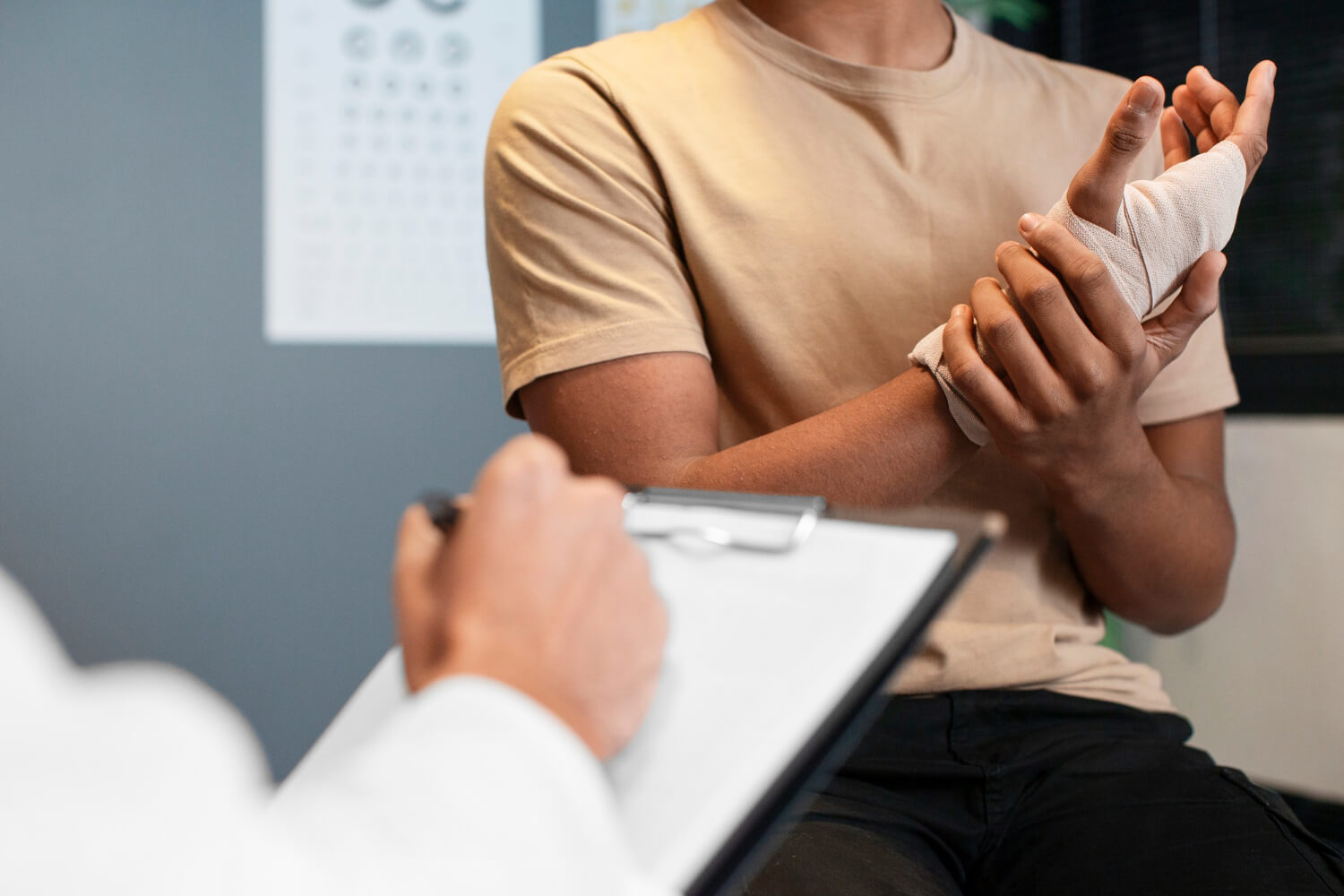
This is not about exaggeration—it’s about accuracy. Create a simple note on your phone and track:
- pain areas and severity (morning/afternoon/night)
- headaches, dizziness, nausea
- sleep issues
- missed work or inability to perform normal activities
- medication taken and side effects
Also keep:
- discharge papers
- prescriptions
- imaging results
- referrals and follow-up instructions
This early documentation of your injury helps connect your symptoms to the crash before insurers claim “it happened later.”
6) Request the accident report (or note how to get it)
Your accident report is often a key record for insurers and attorneys. Florida Highway Safety and Motor Vehicles (FLHSMV) notes that traffic crash reports may take up to 10 days to become available and are restricted from public disclosure except to eligible parties.
Practical steps:
- Ask the responding officer for the case number and agency.
- Save the location and time.
- Follow up through the appropriate channel once it’s available.
7) Do not give a recorded statement until you’re ready
Adjusters may sound friendly, but their job is to limit payout. If you’re injured, medicated, or unsure of details, a recorded statement can do real damage.
If you must communicate, keep it simple:
- confirm contact details
- confirm basic facts (date/time/location)
- decline recorded statements until you’ve received medical evaluation and legal guidance
CTA: If you’re unsure what to say, you can request a free case evaluation and get clarity before you accidentally undermine your claim.
24–72 hours: evidence, insurers, and smart next steps
8) Get follow-up medical evaluation and keep every receipt
If symptoms persist or worsen, get follow-up care. Delays create gaps insurers love to exploit.
Florida also has a timing rule that can affect no-fault benefits: its PIP statute ties certain benefits to receiving initial services and care within 14 days of the accident.
See: Florida PIP 14-day medical rule (Fla. Stat. § 627.736).
9) Preserve the vehicle (don’t rush repairs if the crash was serious)
If liability is disputed or injuries are significant, the vehicle itself can be evidence:
- impact points
- crush patterns
- seatbelt marks
- airbag modules
If your car is at a tow yard, take photos and keep records of its location. Ask your lawyer before authorizing repairs or disposal.
10) Build a clean “proof pack.”
Within 72 hours, aim to have:
- a folder of scene photos/video
- witness list + contacts
- medical records so far
- medication receipts
- proof of missed work (emails, schedule changes, employer notes)
- a symptom diary
This is how you turn chaos into a clear narrative.
Claim strategy basics in Florida
PIP, injuries, and early documentation
Even when the other driver is clearly at fault, Florida’s insurance system can still shape the early path of a claim. Early medical documentation and consistent care protect you medically and legally—especially when the insurer starts questioning causation.
Comparative fault: why insurers try to pin blame on you
Florida’s comparative fault rules can reduce damages based on your percentage of fault—and in many negligence actions, a party found greater than 50% at fault may not recover damages. (Florida Senate)
See: Florida comparative fault rule (Fla. Stat. § 768.81).
That’s why adjusters look for:
- alleged speeding
- “following too close.”
- lane change claim,s
- distracted driving allegations,
- gaps in care (to argue injuries aren’t crash-related)
Deadlines: don’t wait and “see how you feel.”
Florida law lists time limits for filing negligence actions in Fla. Stat. § 95.11.
See: Florida negligence statute of limitations (Fla. Stat. § 95.11).
Deadlines and exceptions can be fact-specific, so early legal review is a smart risk-control move—even if you’re still treating.
What a Lakeland car accident lawyer does for you
A car accident attorney Lakeland clients hire isn’t just sending forms. They’re building leverage with evidence and protecting you from insurance tactics.
Typical attorney actions include:
- guiding you on what to say (and not say) to insurers
- securing the accident report and supplemental records
- collecting medical records and organizing injury documentation
- identifying all coverage (PIP, BI, UM/UIM, umbrella policies)
- calculating damages (future care, lost income, reduced earning capacity)
- negotiating aggressively—and filing suit when needed
For statewide resources and support, see Florida car accident lawyers.
Why choose Wolf & Pravato
At The Law Offices of Wolf & Pravato, we focus on injury cases with a clear, evidence-forward plan.
- Winning is no accident.
- 75+ years combined experience.
- Over $200 million recovered (past results don’t guarantee future outcomes).
- Pay nothing unless we win.
CTA: If you were hurt and don’t know what to do next, you can request a free case evaluation or speak with a Lakeland car accident lawyer today. Call 844-643-7200.
Near the end of your first 72 hours, the goal is simple: a clean record, preserved evidence, and a plan that doesn’t let the insurance company control the narrative—precisely what a car accident attorney Lakeland families rely on helps you do.
Frequently Ask Questions
- What should I do after a car accident in Lakeland if I feel okay?
Get checked anyway if symptoms develop, document everything, and avoid recorded statements until you’re medically evaluated. - How do I get the accident report in Florida?
FLHSMV notes that crash reports may take up to 10 days to become available and are limited to eligible parties. (Florida Highway Safety) Use the case number and the responding agency details to request it. - What counts as good injury documentation?
A symptom journal, treatment timeline, medical records, prescriptions, imaging results, and proof of missed work—kept consistently from day one. - Do I need medical care within 14 days?
Florida’s PIP statute ties certain benefits to receiving initial services and care within 14 days.
See: Florida PIP 14-day medical rule (Fla. Stat. § 627.736) - What if the other driver says the crash was my fault?
Fault arguments can reduce damages, and Florida law includes a rule that may bar recovery in certain negligence actions if a party is more than 50% at fault. (Florida Senate)
See: Florida comparative fault rule (Fla. Stat. § 768.81) - How long do I have to file a negligence lawsuit in Florida?
Florida’s limitations statute is in Fla. Stat. § 95.11; timing can be case-specific, so speak with counsel early.
See: Florida negligence statute of limitations (Fla. Stat. § 95.11) - Should I talk to the other driver’s insurance company?
Be cautious. You can provide basic contact and claim info, but recorded statements can be risky—especially before you know the full extent of your injuries. - What’s the fastest way to protect my claim?
Get a medical evaluation, preserve evidence (photos, witnesses, vehicle), secure the accident report info, and talk to a lawyer before signing anything.
FLORIDA’S PERSONAL INJURY ATTORNEYS FOR + 20 YEARS