

Fort Myers Birth Injury Lawyer
You were told the delivery went normally, and months later your child is missing milestones and nobody will explain why. We can take it from here. Call 833-370-8692 for a free consultation. You pay us nothing unless we win. Our Fort Myers personal injury lawyers have taken these cases across Lee County since 1993.
Birth Injury claims in Fort Myers
The explanation you were given does not match what you remember, and the delivery records are held by the people who wrote them. Meanwhile you are booking specialists, taking time off you do not have, and trying to work out what a lifetime of care costs. Reading those records properly is what we do, from the first call.
A high-risk delivery or a compromised newborn in Lee, Charlotte, Collier or Hendry County is generally routed to the region's specialist women's and children's facility rather than the nearest hospital, which means the labor record and the neonatal record sit with different institutions. That is normal and it is not evidence of anything by itself, but it does mean a complete picture requires records from both, plus the transport record in between. Where the facilities involved are part of the county's public health system, sovereign immunity caps recovery, which is a fact worth knowing at the start rather than at the end.
A serious delivery in Southwest Florida is generally routed to the region’s specialist women’s and children’s facility, so the labor record and the neonatal record sit with different institutions. The first question in any case is whether the injury falls inside Florida’s NICA plan, because where it applies there is no lawsuit at all.
What to do after a birth injury in Fort Myers
- Ask for the complete delivery record, and name the strips. A request for records produces a discharge summary and a narrative, which is not the evidence. Ask in writing for the fetal monitoring tracings themselves, the nursing notes, the physician orders, the anesthesia record, the medication administration record and the neonatal resuscitation record. Those documents were made minute by minute during the labor, and they are what a reconstruction is built from.
- Keep every pediatric record as it accumulates. The developmental picture is built from what comes afterward: pediatric visits, referrals, early intervention assessments, therapy notes and eventually school evaluations. Keep them as they arrive rather than gathering them later. They establish both the extent of the injury and, where it matters, when a family could first reasonably have known something was wrong.
- Write down what you remember of the labor. Times, who was in the room, when the monitor was watched and when it was not, what you were told and what you asked for. Do it now rather than later. A parent’s account does not decide these cases and it frequently points at the half hour in the record where the answer is, which is worth a great deal when a chart runs to several hundred pages.
- Do not sign anything broad. Requests for records are routine. Broad authorizations, arbitration agreements and anything resembling a release are not, and they are sometimes handed over with ordinary paperwork. Bring the document to somebody before signing it. Reading it costs nothing, and an arbitration agreement signed at a bedside can decide a case before it starts.
- Ask early, because a child’s deadline is narrower than parents expect. The most common reason a valid birth injury claim is lost is a family waiting to see how a child develops. That instinct is entirely understandable and it is the wrong one, because the outer limit runs from the delivery rather than from the diagnosis. Having the records reviewed commits you to nothing and it preserves the option.
Where these happen in Fort Myers
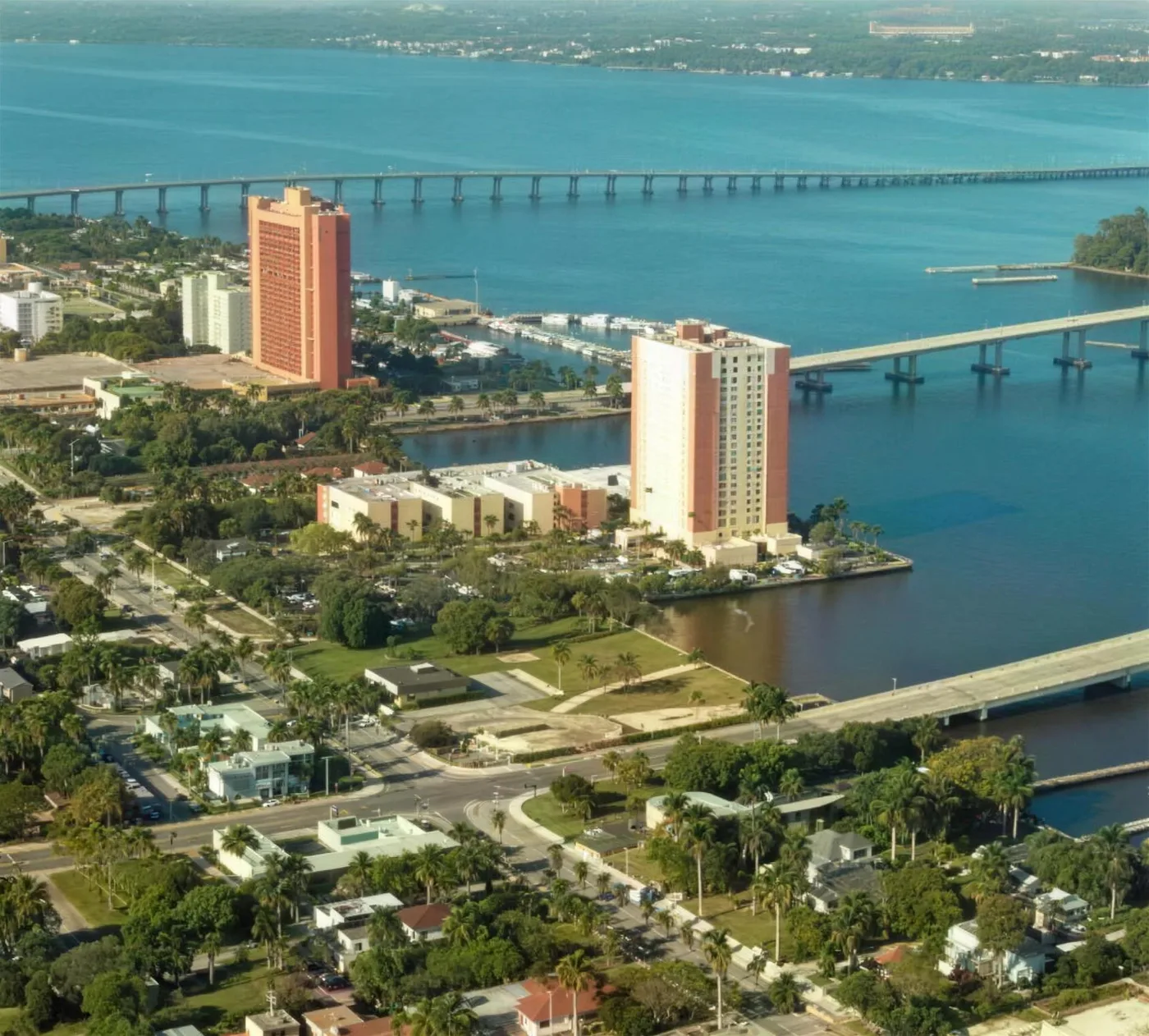
Lee County sits at the center of a region that sends its most complicated deliveries to one place, and the geography shows up in the records and in the timings.
-
Regional routing and transfer
A high-risk delivery or a compromised newborn in Lee, Charlotte, Collier or Hendry County is moved rather than kept, which is normal and produces useful evidence.
- The transport record, with timings, which is written at the time and unusually candid
- The decision to transfer, and whether it was made when it should have been
- Two institutions holding two parts of one story, neither complete alone
- What was communicated at handover, which is where a failure frequently sits
-
Distance
Getting to definitive care takes longer here than on the east coast, which is geography rather than negligence and has to be separated from what preceded it.
- Transport time, which is a fact about the region rather than a failing
- What happened before the decision to move, which is the actual question
- Whether the delivering facility was equipped for what was in front of it
- Arrangements and agreements between facilities, which are documented
-
Deliveries in the eastern county
Inland and rural deliveries, where subspecialty support is further away and staffing is thinner.
- Coverage arrangements for obstetric emergencies out of hours
- Escalation, and how long it took to reach somebody able to act
- Staffing and assignment records for the shift
- Seasonal capacity, which changes across the year while the unit does not
-
The developmental record afterward
The extent of the injury, and sometimes the discovery date, are established by what came later.
- Pediatric visits and the first entry recording a concern
- Early intervention assessments and therapy notes
- Families whose prior or subsequent care is in another state
- School evaluations, once a child reaches that stage
What causes them
- Labor-inducing medication given at doses that overstimulated the uterus and cut off oxygen
- Maternal infection, preeclampsia or gestational diabetes not recognized or not treated
- A baby known to be large for dates delivered vaginally without the risk being addressed
- Umbilical cord problems, including prolapse and compression, not identified in time
- Neonatal resuscitation that was delayed, or performed by somebody without the training for it
The injuries we see, and what each one turns on
Injuries to the mother
Regularly left out of a claim entirely. Hemorrhage, retained placenta, third and fourth degree tears, uterine rupture and injuries during a caesarean are their own harms with their own consequences, and a mother has a claim in her own right rather than only on behalf of her child.
Death
Where a baby or a mother dies, the claim is brought by the personal representative of the estate rather than by the family directly, and Florida decides by statute which survivors may recover and for what. Opening the estate is a probate step with its own timetable and it is worth starting early.
Oxygen deprivation and cerebral palsy
A period without adequate oxygen during labor or delivery can cause permanent brain injury, and where it does the consequences are lifelong. It has to be said plainly that cerebral palsy has many causes and most of them are nobody’s fault. Establishing that a particular injury was caused by a departure from the standard of care requires the records and a qualified physician review, and it is answered from the monitoring strip and the timings rather than from the diagnosis alone.
What Florida law requires you to prove
The NICA question has to be answered before anything else
Florida runs a statutory plan, NICA, which compensates a defined category of birth-related neurological injury without regard to fault under Fla. Stat. § 766.303. Where it applies it is the exclusive remedy against those involved in labor, delivery and immediate resuscitation, so there is no lawsuit. It reaches only injuries to the brain or spinal cord caused by oxygen deprivation or mechanical injury, occurring in the course of labor, delivery or immediate postdelivery resuscitation in a hospital, resulting in permanent and substantial impairment, and the plan carries further defined limits that have to be checked against the actual record rather than assumed.
The notice requirement, which is the part nobody mentions
A participating provider has to give an obstetrical patient notice that it participates in the plan, under Fla. Stat. § 766.316. Where that notice was not properly given, the plan’s exclusivity can fail and an ordinary civil claim survives. Whether it was given is a documentary question rather than a matter of recollection, and it is one of the first things worth checking. Separately, the statute preserves a civil action where there is clear and convincing evidence of bad faith, malicious purpose or willful and wanton disregard.
The deadlines, which are not what parents assume
A claim outside the plan is medical negligence and runs on those rules under Fla. Stat. § 95.11: generally two years from when the injury was discovered or should have been discovered, and an outer limit of four years from the incident, with a separate and narrow provision for young children. The Chapter 766 presuit requirements apply as well, which means records, a corroborating written opinion from a physician in the relevant specialty and 90 days notice before anything can be filed. All of that has to happen inside the deadline, which is why waiting to see how a child develops is the most expensive decision available.
The full statutory detail, and the parts that differ by claim type, sit on our statewide birth injury page rather than being restated in every market.
How we prove it in Lee County
Because the labor and the neonatal admission happen in different places here, the useful work is assembling one timeline from two institutions rather than reading either file on its own.
- The fetal monitoring tracings themselves, rather than a summary or a narrative of them
- Nursing notes, physician orders, the anesthesia record and the medication administration record
- The transport record, with its timings, which is frequently the most useful document in the file
- Cord blood gases, Apgar scores and the neonatal resuscitation record
- The neonatal intensive care record from the receiving institution
- Staffing, assignment and coverage records for the shift at the delivering facility
- The NICA notice documentation, and whether the delivering physician was a participant
- Pediatric, early intervention and therapy records establishing the extent and the timeline
All of it goes to a physician in the relevant specialty for a written review before anything is filed, at the firm’s expense. Where the review concludes the care met the standard, we say so, including where the honest answer is that nothing could have been done.

Who would handle your case
Being hurt in Fort Myers is hard enough without working out the legal side on your own. The trial lawyers below have handled birth injury claims across Florida since 1993, and one of them will take yours from the first call to the last check. They will tell you what your case is worth and why, and they will be straight with you about the parts that are hard.
-
 Richard P. Pravato Founding & Managing Attorney Board Certified in Civil Trial Law by The Florida Bar since 2004, and by the National Board of Trial Advocacy. Injury cases exclusively since 1996. Full profile →
 -
 Brett J. Yonon Senior Trial Attorney Selected to Florida Super Lawyers in 2024 and 2025. Brett Yonon is who this firm puts on a catastrophic injury or a death in the family, and he has tried those cases to verdict. Full profile →
How insurance companies handle these claims
These files are handled by a hospital risk department and defense counsel from the day an incident is reported internally, frequently before a family has any idea anything went wrong. The obstetric defense is well resourced and well practiced.
- NICA applies, so there is nothing to discuss
- Asserted more often than it is established, and it is checkable. The plan reaches a defined category of injury and no wider, the physician has to be a participant, and the provider has to have given the required notice. A family steered into the plan when the injury falls outside it gives up a civil claim for less than it was worth, which is why this question is answered from the record first rather than accepted.
- Blame is moved onto the mother
- Her weight, her diabetes, her infection, whether she attended appointments. Some of it is legitimately part of the clinical picture and all of it gets deployed. What the chart usually shows is what she was told, when, and what was done about a condition the unit had already identified.
- An offer, before anybody has costed a lifetime
- In a catastrophic birth injury the future is the entire claim: attendant care, equipment, therapy, housing and decades of work the child will not do. Those numbers come from a life care plan written by a professional and an economist, and they are not knowable in month six. A release cannot be reopened when the plan is finally written.
What a claim can include
What the family carries
The care a parent gives that would otherwise be paid for, the work they gave up to give it, and the effect on the household. A mother injured during the delivery also has her own claim in her own right.
What a family may recover after a death
Medical and funeral expenses, and the losses the statute assigns to particular survivors, brought by the personal representative of the estate.
The life care plan, which is the claim
Attendant care, therapy, equipment, medication, transport and the replacement schedule for all of it, across a lifetime. It is prepared by a professional and priced by an economist, and it is the difference between a number and an argument.

Why Wolf & Pravato in Fort Myers
A Lee County claim outside the plan is filed in the Twentieth Judicial Circuit at the Lee County Justice Center, and the firm has an office on Colonial Boulevard in Fort Myers rather than a referral arrangement with somebody here. These cases are worked and tried on this coast.
Richard Pravato is one of 861 lawyers Board Certified by The Florida Bar in Civil Trial law, out of a membership over 109,000. The certification is about trial experience rather than advertising spend, and it is the part of a firm’s record that an insurance company checks.
Nothing is charged for the first conversation and nothing is charged at all unless there is a recovery. If we do not think you have a claim, we would rather tell you now than a year from now.
Fort Myers birth injury questions
My baby was transferred after birth. Does that mean something went wrong?
Not on its own. Transfers to a higher level of neonatal care are routine and are often the right call made promptly. What matters is what happened before the transfer and whether the decision was made when it should have been. The transport record, with its timings, is one of the more useful documents in these cases precisely because it was written at the time.
It took a long time to get to the specialist hospital.
That is a fact about this region rather than evidence of a failure, and it is worth separating from the real question. Distance is what it is. What a review looks at is what happened before anybody decided to move: whether the deterioration was recognized, when the decision was made, and whether the delivering facility was equipped for what was in front of it.
We spend part of the year in another state and our other records are there.
It adds a step rather than a problem. Prior and subsequent records from elsewhere are worth obtaining early, because they establish the baseline and the developmental picture, and they frequently help. A claim for care delivered in Lee County is brought here regardless of where a family lives or where their other physicians are.
If NICA applies, can we still sue?
Usually not against those directly involved in labor, delivery and immediate resuscitation, because the plan is an exclusive remedy where it applies. The statute preserves a civil action where there is clear and convincing evidence of bad faith, malicious purpose, or willful and wanton disregard, and that suit must be brought before and instead of accepting a NICA award.
Is cerebral palsy always a birth injury?
No, and it is important to say so plainly. Cerebral palsy has many causes, a number of which have nothing to do with the care delivered. Establishing that a particular injury was caused by a departure from the standard of care requires the records and a qualified expert, not an assumption.
The questions that come up on every kind of claim, deadlines, fees, recorded statements and fault, are answered on our Florida injury claim FAQ.
More in Fort Myers
Fort Myers Personal Injury Lawyer
Everything we handle in Lee County, and where our office is.
View →Fort Myers Bicycle Accident Lawyer
Florida bicycle accident lawyers.
View →Fort Myers Bus Accident Lawyer
Florida bus accident lawyers.
View →Fort Myers Construction Accident Lawyer
Florida construction accident lawyers.
View →
Tell us what happened
A lawyer will listen, tell you what Florida law does with those facts, and be straight with you about whether it is worth bringing. We are at 1825 Colonial Blvd, Fort Myers, FL 33907.