








How Polk County Sheriff Investigations Differ From Insurance Investigations
Why Sheriff and insurance investigations look at different things
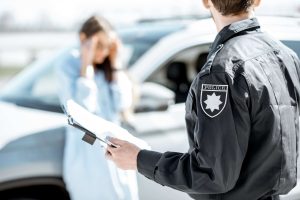
After a Lakeland hit-and-run, two separate investigations usually start running in parallel — and they’re looking for different things. The Polk County Sheriff’s Office (or Lakeland Police, depending on jurisdiction) is investigating a crime: leaving the scene of a crash is a criminal offense in Florida. The insurance carrier is investigating a claim: who pays, under what coverage, for how much. The criminal investigation might never identify the driver who fled. The insurance investigation can still pay your claim if your own uninsured motorist coverage applies. A Lakeland car accident lawyer familiar with hit-and-run cases works both tracks at once because they answer different questions and produce different outcomes.
This article walks through what Polk County Sheriff investigations focus on, what insurance investigations focus on, and how Lakeland hit-and-run victims navigate both at the same time.
Featured snippet — 5 differences between Sheriff and insurance investigations
- Sheriff investigates a crime; insurance investigates a claim.
- Sheriff seeks driver identification; insurance seeks coverage determination.
- Sheriff has subpoena and arrest powers; insurance has document-request and recorded-statement tools.
- Sheriff outcomes don’t determine your insurance recovery; UM coverage can pay even if the driver is never found.
- Sheriff records become evidence the insurance carrier reviews; insurance records don’t affect criminal investigation.
What Polk County Sheriff investigates
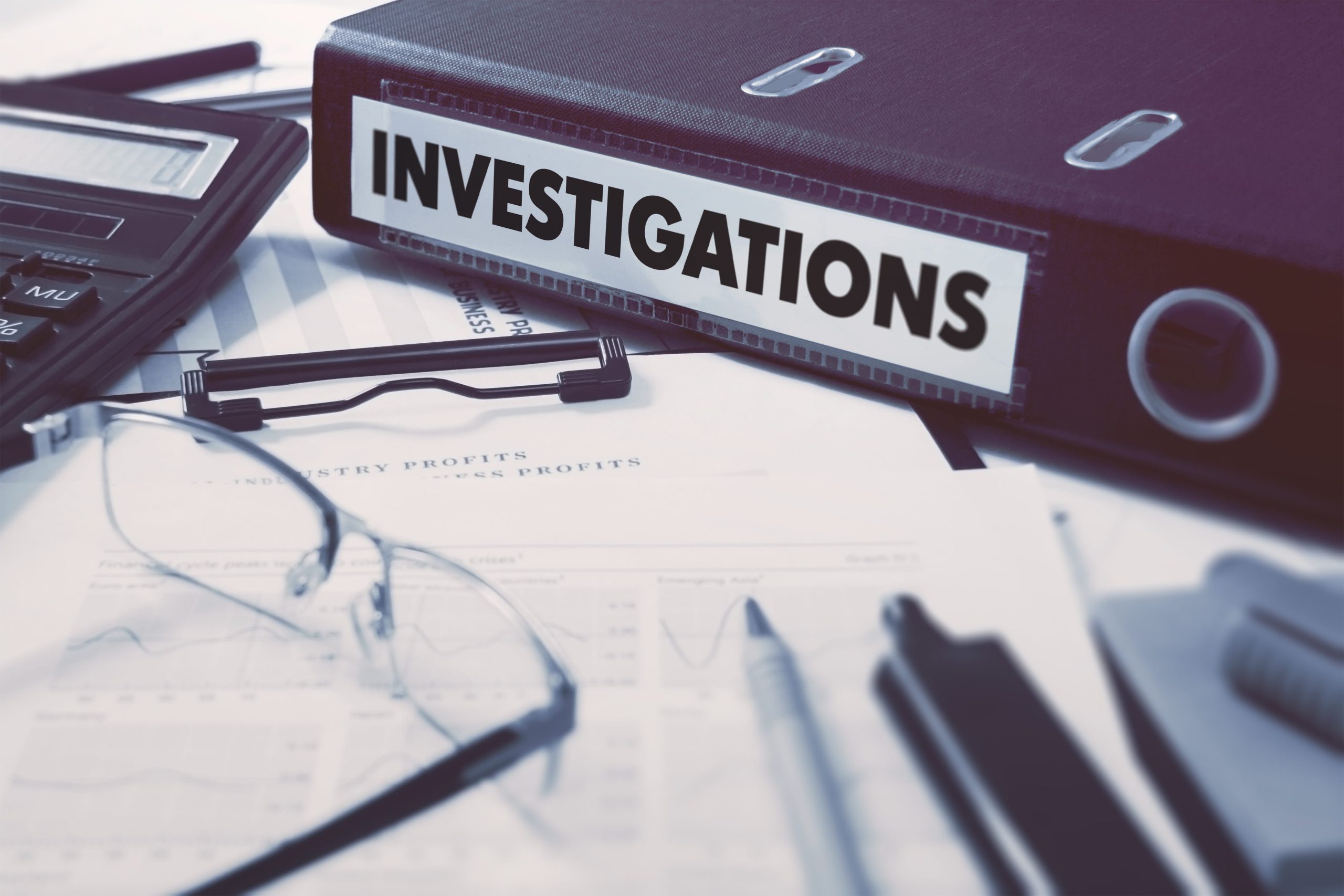
Under Florida’s hit-and-run statute (§ 316.027), leaving the scene of a crash is a criminal offense, with severity varying by injury level. Polk County Sheriff investigations focus on:
- Identifying the driver who fled — license plate searches, surveillance footage, witness interviews, vehicle damage matching.
- Reconstructing the crash to establish what happened.
- Building the criminal case if the driver is identified — typically referred to the State Attorney’s Office for charging decisions.
- Documenting the scene through photos, measurements, and the crash report.
Sheriff investigations have powers insurance investigations don’t — they can subpoena phone records, request DMV data on vehicles matching descriptions, and execute search warrants. They also have limits: investigation resources are finite, and many hit-and-run cases never produce a positive driver ID. The investigation can be open and active for months without resolution.
What insurance carriers investigate
Insurance carriers — both yours and any potential at-fault carriers if a vehicle is later identified — investigate claims with different priorities:
- Coverage determination — which policy applies, with what limits, under what terms.
- Damages quantification — medical bills, lost wages, vehicle damage, pain and suffering.
- Claim documentation — recorded statements, medical records, repair estimates, wage records.
- Subrogation potential — if the at-fault driver is later identified, can the carrier recover from them.
Insurance investigations don’t need driver identification to pay your claim. Your own uninsured motorist (UM) coverage is specifically designed to handle situations where the at-fault driver is unknown or has no insurance. The insurance carrier still investigates the claim itself — they want documentation that you were in a covered crash and that your damages are real and connected to the crash.
Why your own UM coverage matters
Florida’s Florida’s uninsured motorist statute (§ 627.727) provides UM coverage when the at-fault driver is unidentified or uninsured. UM coverage is optional in Florida — drivers can decline it in writing — but for hit-and-run scenarios specifically, UM is often the only meaningful path to recovery. If you have UM coverage, the carrier may be required to:
- Pay for medical expenses beyond PIP limits.
- Pay for lost wages beyond PIP limits.
- Pay for pain and suffering damages where applicable under Florida’s no-fault threshold.
- Pay vehicle damage where the policy includes such coverage.
UM claims have their own procedural requirements — prompt notice to the carrier, cooperation with their investigation, sometimes formal demand and arbitration steps. The procedural side is where counsel often adds the most value: insurance carriers process UM claims regularly and know how to limit payouts. Counsel familiar with UM disputes balances the playing field.
How the two tracks reinforce each other
Sheriff investigations and insurance investigations don’t compete — they reinforce each other in practical ways:
- Sheriff investigation produces the official crash report, which the insurance carrier reviews.
- Witness identification developed by Sheriff often becomes evidence in the insurance claim.
- Surveillance footage obtained through Sheriff investigation often supports the insurance damages case.
- If the at-fault driver is eventually identified, both criminal charges and a third-party insurance claim become possible — UM coverage may then transition to subrogation.
- Sheriff documentation strengthens UM claim leverage even when the driver is never identified.
The two-track approach is the standard playbook for Lakeland hit-and-run cases. Working only one track — only Sheriff or only insurance — leaves money or accountability on the table.
Why crash reports matter for both tracks
Both Sheriff and insurance investigations rely heavily on the official crash report. The FLHSMV crash report portal provides Florida crash reports once they’re processed — typically within 7-10 days. The crash report contains the responding officer’s narrative, vehicle information (when known), witness identification, road conditions, and any preliminary determinations about cause. For hit-and-run cases specifically, the crash report documents what was known at the scene — including any partial license plate, vehicle description, or direction-of-flight information that the Sheriff investigation will pursue. Insurance carriers reference the crash report as a baseline document.
How Florida law applies to hit-and-run cases
Florida’s legal framework for hit-and-run cases applies the same way in Polk County as elsewhere in Florida. See our Florida car accident lawyer resource for the broader statewide framework — § 316.027 leaving the scene, § 627.727 UM coverage, § 627.736 PIP coverage, § 768.81 comparative fault, and the two-year statute of limitations. What’s distinct about Polk County hit-and-run cases is local context: which agency responds (Sheriff vs. Lakeland Police), which State Attorney’s Office handles charging decisions if a driver is identified, and the local insurance carrier landscape.
How long Lakeland hit-and-run victims have to act
Hit-and-run civil claims run against Florida’s two-year filing deadline for most negligence actions under § 95.11, as amended by HB 837 effective March 24, 2023. Claims that arose before the effective date may be governed by the prior four-year rule. UM claims also have notice deadlines under your specific policy — typically requiring prompt notification of the carrier. Discovery rules can extend deadlines in cases where the at-fault driver is later identified through Sheriff investigation. The 14-day PIP rule under § 627.736 also applies and shouldn’t be missed.
When to retain counsel
Lakeland hit-and-run cases benefit from early counsel because the dual-track approach — Sheriff investigation plus UM insurance claim — works better when both are coordinated. Counsel can communicate with Sheriff’s investigators on your behalf, file the UM claim with proper notice, request the crash report, preserve evidence, and protect against insurance carrier tactics that often appear in UM claims.
Wolf & Pravato has recovered over $200 million for injury clients across Florida, with more than 75 years of combined experience. We work on a contingency basis — you pay nothing unless we win. To discuss a Lakeland or Polk County hit-and-run case, call 844-643-7200 or request a free case evaluation.
FAQs
Can I recover damages if the hit-and-run driver is never identified?
Often yes, through your own uninsured motorist (UM) coverage under Florida’s § 627.727. UM coverage is specifically designed for situations where the at-fault driver is unidentified or has no insurance. The criminal investigation continuing without resolution doesn’t prevent the UM claim.
Should I file a Sheriff report and an insurance claim, or just one?
Both. Sheriff investigations and insurance investigations look at different things and reinforce each other. Filing only one leaves either accountability or recovery on the table.
How long do Polk County hit-and-run investigations take?
Variable. Some cases produce driver ID within days through plate searches, surveillance, or witness identification. Others remain open for months without resolution. The investigation timeline doesn’t prevent the insurance claim from moving forward.
Does my UM claim depend on the Sheriff identifying the driver?
No. UM coverage applies specifically when the at-fault driver is unidentified or uninsured. You don’t need driver ID to pursue the UM claim. If the Sheriff later identifies the driver, the case can transition to a third-party claim, with UM possibly recovering through subrogation.
How do I get the Polk County crash report?
Florida crash reports are typically available through the FLHSMV crash report portal once processed (usually 7-10 days). Counsel can request the report on your behalf, and many carriers will accept proof of crash report request as part of the claim documentation.
What if the insurance carrier disputes my UM claim?
UM claim disputes are common and usually have specific procedural paths — prompt written notice, formal demand, sometimes mandatory arbitration depending on policy terms. Counsel familiar with UM disputes navigates these procedures and pushes back against carrier tactics.
How long do I have to file a Lakeland hit-and-run civil claim?
Florida’s statute of limitations for most negligence actions is two years under § 95.11, as amended by HB 837 effective March 24, 2023. UM claims also have notice deadlines under your specific policy. The 14-day PIP rule under § 627.736 applies to medical care.
Recent Posts
- How to Get Your Car Accident Police Report In Fort Myers (and Why It Decides Your Claim)

- How Long Do You Have to File a Personal Injury Claim in Fort Myers? (Florida Statute of Limitations Explained)
- How to Prove a Business Owner Was Negligent in a Fort Myers Slip & Fall Claim
- Fort Myers Crash Medical Bills: PIP, MedPay, and Health Insurance Coordination
- Police Cruiser Accidents in Florida: Sovereign Immunity, FL Statute 768.28, and the 3-Year Notice Trap
- Why Skid Mark Patterns Tell a Different Story Than Police Reports in Florida Crash Reconstruction

FLORIDA’S PERSONAL INJURY ATTORNEYS FOR + 20 YEARS