




Tesla Accidents in Florida: What Drivers Need to Know About Autopilot Liability
These days, it is common to see a Tesla on Florida roads. The vehicle is a wonder of technological advancement. One of those advancements is the Tesla Autopilot, a driver assistance feature. However, there is some confusion over the liability involved with Tesla Autopilot when it comes to car accidents. Is the driver liable or Tesla?
The fact is, it depends. Primarily, the driver is responsible for their vehicle, but evidence may point to issues involving faults within the system.
If you were in an accident with a Tesla that had the Autopilot engaged, our Tesla Autopilot accident lawyer in Florida may be able to help. In this article, our car accident lawyers discuss what Autopilot is, common errors it makes, who may share in fault, and how to seek compensation for your injuries and losses.
Quick Primer on Autopilot, Full Self-Driving, and True Autonomy
Though Tesla uses the term as a brand name, Autopilot is a bit of a misnomer. There is a distinction between what the public may perceive and what Autopilot actually delivers. Here’s how:
- Autopilot is a driver assistance system that uses multiple cameras and sensors to keep the vehicle in its lane and adjust its speed while in cruise control.
- Full Self-Driving (FSD) is a paid upgrade that adds city street navigation; both Autopilot and FSD require driver supervision.
- Level 5 Self-Autonomy is complete driverless navigation; Autopilot and FSD are considered level 2 systems.
As Tesla points out, “Autopilot is a driver assistance system that is intended to be used only with a fully attentive driver. It does not turn a Tesla into a fully autonomous vehicle.”
However, fault could be shared between the at-fault driver and the system if it failed in some way that contributed to the accident. A Tesla crash attorney near you can explain more.
Common Tesla Crash Scenarios Tied to Driver-Assist Features
As a Tesla accident law firm in Florida, our attorneys have seen multiple types of car accidents that have a connection to the Autopilot features. Examples include the following:
- Rear-end collisions due to sudden braking or a failure to brake
- Collisions during lane changes or merging traffic
- Failure to detect motorcycles, bicycles, or pedestrians at night or in the rain
- Inability to adjust in construction zones or where lane markings are unclear
- Issues at an intersection or during turning due to sensor malfunctions
Due to Florida’s heavy tourism and severe weather, these failures can lead to significant injury and property damage. Some of the best Tesla accident attorneys in Florida understand how these factors affect claims and can help injury victims seek fair compensation.
The Big Legal Question: Who Can Be Liable?
Our Tesla Autopilot liability attorneys will tell you that several parties may share in the fault of a car accident, such as:
The Driver Is the Most Common Starting Point
As stated, drivers must remain attentive and in control of their vehicles, whether the Autopilot is on or not. They may be held responsible for such driver errors as:
- Speeding and reckless driving
- Distracted driving
- Driving under the influence
- Ignoring signs
Another Driver at Fault
It is also possible that the cause of the accident was another driver on the road. In addition to the above, the other driver may have done any of the following actions:
- Unsafe lane change
- Failure to yield
- Tailgating
- Running a red light
Tesla or Manufacturer Under Product Liability Law
The best car accident lawyers for Tesla crashes in Florida will also investigate the car and the system itself. Under product liability, Tesla or a parts manufacturer could be liable due to:
- Defective design: The system or component failed to perform as intended
- Defective manufacturing: A component or the system as a whole malfunctioned
- Failure to warn/ misleading marketing: The limitations of the system were not adequately explained to the user
Another Potentially Responsible Party
The top Florida Tesla injury lawyers will also examine the evidence and seek compensation for all possible liable parties, such as:
- Roadway design/maintenance, such as missing lane markings or poorly managed construction zones
- Third-party maintenance/repair shops, if improper repairs contributed
Since more than one party could be at fault, Florida Statutes § 768.81 allows fault to be shared between them, but compensation is reduced by their degree of fault. However, any party that is greater than 50% at fault is barred from recovering any compensation.
Additionally, Florida law sets a deadline when seeking compensation. Under Florida Statutes § 95.11, your time to file a lawsuit can vary between 2 years for personal injury and 4 years for product liability. If that deadline expires, though, the courts will bar your case, and you could lose your right to a fair settlement.
Evidence That Matters in Autopilot-Related Crashes
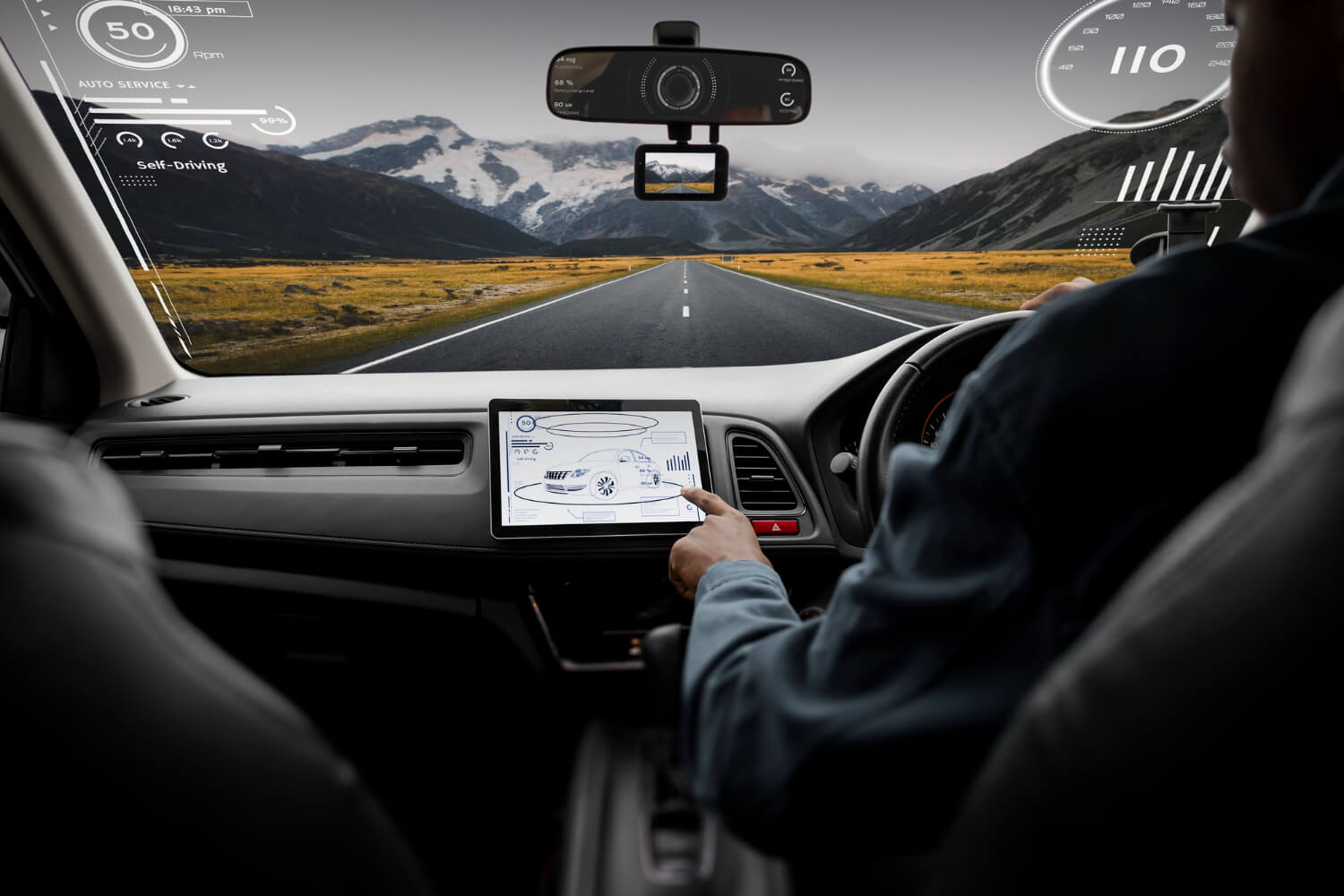
In any accident, evidence is crucial for a successful car accident claim. For accidents involving Autopilot, vehicle crash data, such as what features were engaged, speed, warnings, and braking details, will be necessary to show negligence.
Standard evidence includes:
- Police report
- Accident scene photos
- Dashcam and surveillance footage
- Phone records
- Witness statements
- Repair records, as well as recalls and updates
- Medical records
Practical Advice for Florida Drivers After a Tesla Autopilot Crash
If you have been in an accident involving a Tesla, our accident attorneys advise the following actions:
- Call 911
- Get a medical evaluation quickly
- Photograph everything
- Get names and contact info for witnesses
- Report to your insurer, but be careful with what you say
If injuries are serious or fault is disputed, consider speaking with a Florida attorney.
The Law Offices of Wolf & Pravato Can Help After Your Tesla Car Accident
If you were injured and Autopilot may be involved, call (844) 643-7200 for a free case consultation. The personal injury lawyers with the Law Offices of Wolf & Pravato can help you seek fair compensation.
Recent Posts
- Fort Myers Personal Injury Intake Prep: What to Bring to Your First Call
- Fort Myers Property Damage: Total Loss Valuation, GAP Insurance, and Rental Reimbursement
- Multi-Vehicle Collisions in Fort Lauderdale: How Fault Gets Assigned in Florida (Practical Scenarios)
- Uninsured / Underinsured Driver Crashes in Fort Lauderdale: UM Coverage + Proof Strategy

- Crash Evidence That Holds Up: Dashcam, Vehicle Data, and Phone Records in Fort Lauderdale Claims
- Florida 14-Day Accident Law: What Fort Lauderdale Drivers Need to Know
FLORIDA’S PERSONAL INJURY ATTORNEYS FOR + 20 YEARS