

Boynton Beach Car Accident Lawyer
A car accident turns a normal week upside down: pain, a wrecked car, time off work, and no idea who pays for any of it. We can take it from here. Call 833-370-8692 for a free consultation. You pay us nothing unless we win. Our Boynton Beach personal injury lawyers have taken these cases across Palm Beach County since 1993.
Car Accident claims in Boynton Beach
The other driver caused it, and their insurer is already asking you for a recorded statement. Meanwhile you are working out how to pay the first medical bill, how to replace the paycheck you just missed, and how to get to work tomorrow without a car. Answering all of that is our job, and it starts the day you call.
The I-95 interchange at Boynton Beach Boulevard and the Congress Avenue shops produce most of the crashes we handle here, with serious injuries going to Bethesda Hospital East. A south-county case is filed at the South County Courthouse in Delray Beach rather than downtown West Palm Beach, and our Boynton office is the closer one for families in Delray, Boca Raton and Lake Worth.
A Boynton Beach car accident claim is decided on evidence rather than on the crash report, and you have two years from the crash for most collisions on or after March 24, 2023. South Palm Beach County has an older driving population than most of the state, which changes both how these crashes happen and how badly people are hurt in them.
What to do after a car accident in Boynton Beach
- Call the police and get a report number. A crash with any injury or meaningful damage should have a report. It is not the last word on fault and it is not evidence at trial, but it fixes the date, the vehicles, the drivers and the witnesses, and a claim with no report is one the other insurer will treat as a dispute about whether it happened at all.
- Photograph more than the damage. Both vehicles from the front and the side, the position they came to rest in, the debris, the skid marks, the signal, the sightline a driver would have had, and the businesses on the corner. Vehicles are moved within the hour and a scene is gone. What you photograph in ten minutes is frequently better evidence than anything anyone reconstructs later.
- Get names before anybody leaves. The other driver’s insurer and policy number, and every witness who stopped. Witnesses do not wait for an officer to work through a queue, and a witness with no phone number is not a witness. Somebody who saw the light is worth more to a claim than any argument about it afterward.
- See a doctor within fourteen days. This is the one deadline nobody hears about until it has passed. Your own coverage after a Florida crash is conditioned on being seen inside fourteen days, and adrenaline routinely hides a neck or a back injury for the first week. Going to be checked is not a claim that you are badly hurt.
- Do not give the other insurer a recorded statement. You have to report the crash to your own carrier. You are not required to be recorded by theirs. That call comes within a day or two, while you are still working out how bad it is, and what you say about feeling all right is quoted back months later when you know a great deal more.
Where these happen in Boynton Beach
South county traffic runs on a handful of north-south roads and the interstate, with plaza driveways feeding into all of them.
-
Congress Avenue
The busiest surface road in this part of the county and the one most of our files come from.
- Plaza driveways every few hundred feet, and vehicles crossing several lanes to reach one
- Left turns at signals carrying more traffic than they were timed for
- Plaza cameras frequently cover the driveway by accident, and they overwrite within weeks
-
Boynton Beach Boulevard and the I-95 interchange
Where local traffic meets interstate speeds over a short distance.
- Merge and weave collisions at the ramps
- Backups that produce rear-end impacts argued as minor and frequently are not
- Serious injuries in this part of the county go to Bethesda Hospital East
-
Military Trail and Hypoluxo
Commuter roads with long gaps between signals.
- Speeds that are legal and wrong for the conditions in a summer downpour
- Vehicles turning across traffic to reach a community entrance
- Streetlight outage records are held by the municipality and we can get
-
55 and over community entrances
Gated entrances opening straight onto a fast road.
- Turning collisions at the gate, often with a resident and a commuter
- A crash that would bruise a younger driver frequently fractures an older one
- Association cameras at the gate exist and nobody thinks to ask for them
-
Medical corridors and clinic parking
A very high concentration of appointments in a small area.
- Low-speed lot collisions with serious injuries, because of who is in the vehicles
- Backing collisions where the camera on the building caught what neither driver saw
- Shuttles and non-emergency transport, which bring commercial policies
-
A1A and the beach approaches
Slower, busier and shared with people on foot and on bikes.
- Pedestrians and cyclists crossing between marked crossings
- Parking maneuvers and U-turns in live lanes
- Seasonal volume the road was never widened for
What causes them
- A phone in a hand, which shows up in records long after a driver has denied it
- Impairment, and the separate claim a bar or a host can face for serving somebody
- Speed that was legal and wrong for the conditions, which is most afternoons in a Florida wet season
- Lane changes into a blind spot on a multi-lane main road
- Hydroplaning on standing water where the drainage has not kept up with the pavement
The injuries we see, and what each one turns on
Internal and seat belt injuries
The belt does its job and leaves a pattern doing it: rib fractures, abdominal bruising, and occasionally organ injury that presents hours later. This is the category where the emergency room visit matters most, because internal bleeding is the one thing that will not wait to be looked at.
Fractures
Wrists, ribs, ankles and the pelvis, and in a serious wreck the femur. A fracture is the easiest injury to prove and the easiest to undervalue, because the film shows a bone that healed and says nothing about the hardware left in, the range of motion that did not come back, or the arthritis that arrives in that joint a decade early.
What it does to driving
A large share of clients tell us the same thing months later: they take the long way, they will not drive at night, they flinch at an intersection. It is a recognized consequence rather than a personality change, it is treatable, and it goes unclaimed unless somebody asks about it and puts it in the record.
What Florida law requires you to prove
The crash report is not the finding of fault
An officer arriving after the fact writes down what two drivers say, one of whom is often already in an ambulance. Fault in a civil claim is decided on evidence: the damage patterns, the resting positions, camera footage from the businesses along the road, signal timing, and the vehicles’ own event data recorders. Crash reports are regularly contradicted by all of it.
Two years, and it runs from the crash
For crashes on or after March 24, 2023, the deadline to sue is two years under Fla. Stat. § 95.11. Earlier crashes generally keep the older four-year deadline. A claim against a government vehicle carries its own written notice requirement on top, and that clock is far shorter.
Your share of the blame, and the line at 50 percent
Under Fla. Stat. § 768.81, somebody found more than 50 percent responsible recovers nothing at all. At or under half, the recovery is reduced by that share. Expect the argument that you were going too fast, stopped short or could have avoided it, because past the halfway mark that argument is worth the entire claim rather than part of it.
The full statutory detail, and the parts that differ by claim type, sit on our statewide car accident page rather than being restated in every market.
How we prove it in Palm Beach County
A south county crash file is built from footage nobody has asked for yet, municipal records and the data in the vehicles themselves.
- The crash report and the officer’s diagram, which frequently carry detail the narrative leaves out
- Plaza, gate and building cameras along the corridor, most of them on a two week loop
- Signal phase timing and streetlight maintenance history from the municipality or the county
- The event data recorder in either vehicle, holding speed, braking and belt use before impact
- Association records where a community entrance or a private road is involved
- Damage patterns and resting positions, which routinely contradict the roadside account
- Phone records where distraction is in issue
- Treating records from Bethesda Hospital East, where the serious injuries in this part of the county go
Footage is the piece that disappears first and the piece that settles the most cases. A written demand in the first days is what keeps it available.
Who would handle your case
Being hurt in Boynton Beach is hard enough without working out the legal side on your own. The trial lawyers below have handled car accident claims across Florida since 1993, and one of them will take yours from the first call to the last check. They will tell you what your case is worth and why, and they will be straight with you about the parts that are hard.
-
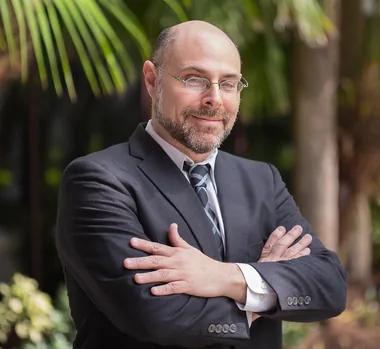 Brian H. Malamud Senior Trial Attorney More than twenty-five years on the Wolf & Pravato trial team. Brian Malamud has handled your kind of case many times over, and he knows early which parts of it are going to decide it. Full profile →
 -
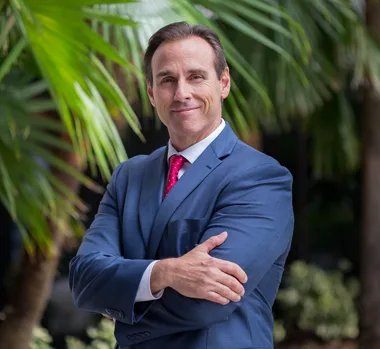 Richard P. Pravato Founding & Managing Attorney Board Certified in Civil Trial Law by The Florida Bar since 2004, and by the National Board of Trial Advocacy. Injury cases exclusively since 1996. Full profile →
How insurance companies handle these claims
A car claim is handled by an adjuster working from a file and a set of instructions, and the instructions are consistent enough that the order of events is predictable. Knowing what is coming is worth more than anything you could say on the call.
- The file is built around your share of the blame
- Expect to be told you stopped short, were going too fast, or could have avoided it. It is worth real money to them under Fla. Stat. § 768.81, and past the halfway mark it is worth the whole claim, so it is argued in almost every file whether or not the facts support it.
- A gap in your treatment becomes the argument
- Miss three weeks for work, childcare or the cost of a co-pay and the file records it as evidence you were fine. Software scores these claims partly on how continuous the treatment was. Telling a doctor why you could not come in puts the reason in the record, where it answers the point instead of leaving it open.
- How your own no-fault coverage actually works
- Florida is a no-fault state, so your own Personal Injury Protection pays first regardless of who caused the crash: up to $10,000, at 80 percent of medical bills and 60 percent of lost wages, and only if you are seen by a qualifying provider within 14 days. Without an emergency medical condition finding the limit drops to $2,500. It is the floor rather than the claim, which is why it belongs at the bottom of this page rather than the top: what it pays runs out long before a serious injury does.
What a claim can include
The vehicle, and what it is worth afterward
Repair or actual cash value, the rental while you wait, and the diminished value a repaired car carries at trade-in. The last of those is frequently left on the table because nobody asks for it.
Out of pocket and household costs
Travel to treatment, equipment, and help with the things somebody used to do themselves. Small individually, and routinely left out of a claim nobody documented.
What you can no longer do
The stairs at home, lifting a child, a shift you can no longer work, sleeping through the night. Argued from the specifics of a week before the crash, which is why we ask about them early rather than at mediation.
What we have recovered
Verified matters this firm has handled on car accident claims. Figures are gross recoveries, before attorney fees, costs and medical liens come out of them.
A client was seriously hurt making a U-turn in Fort Lauderdale, and the responding officers assigned fault for a right-of-way violation.
Broward County policy limits settlementEvery verdict and settlement we publish, with the press coverage for the ones that were reported. No result predicts another case: every claim turns on its own facts, its own evidence and the insurance actually available.
Why Wolf & Pravato in Boynton Beach
A south county crash is filed in the Fifteenth Judicial Circuit at the South County Courthouse in Delray Beach, a few minutes from this office. Which courthouse a case would be tried in is part of how an insurer values it.
Fewer than one percent of Florida lawyers are Board Certified in Civil Trial law: 861 of them, against a Bar membership over 109,000. Richard Pravato is one, and has been since 2004. Carriers price a claim partly on who is holding it, which is the practical reason that matters to somebody deciding who to call.
A consultation costs nothing, and neither does the case unless we recover money for you. Where we do not believe a claim is worth bringing, we will tell you plainly rather than take it on and let it drift.
Boynton Beach car accident questions
My father is in his eighties and was hurt in a low-speed crash. Is the claim small?
It is frequently the opposite. The same impact that bruises a younger driver breaks bones in an older one, and the recovery is longer, less complete and more likely to end in a permanent change to what somebody can manage alone. An offer priced on the speed of the impact rather than on the injury is the most common way these are underpaid.
The crash happened at my community’s gate. Does the association matter?
It can, in two ways. The association or its management company may hold camera footage of the entrance that nobody has asked for, and where sightlines, landscaping or the gate itself contributed there may be a claim beyond the other driver. Both start with a written request in the first days.
I was hit in a medical office parking lot. Is that a real claim?
Yes, and lot collisions are more serious here than the speeds suggest, because of who is in the vehicles. A lot is private property, so alongside the driver there may be a claim about sightlines, striping or signage, and building cameras in medical corridors are far more common than street cameras.
How long do I have to bring a Boynton Beach car accident claim?
Two years from the crash for most collisions on or after March 24, 2023, under Fla. Stat. § 95.11, and generally four years for earlier ones. A crash with a municipal or county vehicle carries a separate written notice requirement on a much shorter clock.
Where would my case be filed?
In the Fifteenth Judicial Circuit at the South County Courthouse in Delray Beach for most Boynton Beach claims. It is the same circuit as downtown West Palm Beach and a different building, decided by where the crash happened.
How much is my Florida car accident case worth?
It depends on the injuries, the treatment, lost earnings, whether the injury is permanent, and how much coverage exists to pay it. Available coverage is often the real ceiling, not the severity of what happened to you. Any lawyer who quotes a number before reading your medical records and the policy limits is guessing.
How long do I have to file a car accident lawsuit in Florida?
For crashes on or after March 24, 2023, two years from the date of the accident under Fla. Stat. § 95.11. Earlier crashes generally keep the older four-year deadline, and claims involving a government vehicle carry their own shorter notice requirements. Evidence deadlines are far shorter than any of these.
The questions that come up on every kind of claim, deadlines, fees, recorded statements and fault, are answered on our Florida injury claim FAQ.
More in Boynton Beach
Boynton Beach Personal Injury Lawyer
Everything we handle in Palm Beach County, and where our office is.
View →Boynton Beach Motorcycle Accident Lawyer
Florida motorcycle accident lawyers.
View →Boynton Beach Slip and Fall Lawyer
Florida slip and fall lawyers.
View →Boynton Beach Pedestrian and Bicycle Lawyer
Florida pedestrian and bicycle accident lawyers.
View →
Tell us what happened
A lawyer will listen, tell you what Florida law does with those facts, and be straight with you about whether it is worth bringing. We are at 1375 E Gateway Blvd, Boynton Beach, FL 33426.