













What Percentage of Car Accidents Are Caused by Teenage Drivers?
Getting a driver’s license is a rite of passage for many teenagers. It represents freedom, independence, and autonomy—but also responsibility. Unfortunately, national crash data show that teenage drivers are involved in a disproportionate number of motor vehicle accidents compared to their presence on the road.
Many parents and accident victims ask what percentage of car accidents are caused by teenage drivers, and reliable statistics from national safety organizations help answer this important question.
Statistics: Car Accidents Caused by Teenage Drivers
Determining the exact percentage of accidents caused by teenage drivers can be challenging because many crashes go unreported. However, data from trusted government and safety agencies provides a clear picture.
According to the National Highway Traffic Safety Administration (NHTSA):
- Approximately 11% of all police-reported car accidents involve teenage drivers
- About 7.8% of fatal car accidents are caused by teenage drivers
These numbers are especially alarming considering that teenagers make up only 5.3% of all licensed drivers in the United States.
The Insurance Institute for Highway Safety (IIHS) reports that teen motor vehicle crash deaths accounted for 7% of all traffic fatalities in 2020.
Meanwhile, the Centers for Disease Control and Prevention (CDC) estimates that each year:
- Around 2,800 teenagers lose their lives in car crashes
- Over 227,000 teens are injured in motor vehicle accidents
Together, these findings confirm that teenage drivers have a total accident rate that is significantly higher than that of older, more experienced drivers.
Why Are Teenage Drivers at a Higher Risk of Accidents?
CDC research shows that drivers between the ages of 16 and 19 are nearly three times more likely to be involved in a fatal collision than drivers in older age groups.
Teen drivers most at risk include:
- Male teenagers
- Newly licensed drivers
- Teens driving with other teenage passengers
Several behavioral and developmental factors contribute to these elevated crash rates.
Teenage Behavior That Can Lead to Car Accidents
When teenagers in car crash incidents are analyzed, investigators frequently identify the following contributing factors:
- Distracted driving: Nearly 40% of high school drivers admit to texting or emailing while driving
- Speeding: Teen drivers are more likely to exceed speed limits and follow other vehicles too closely
- Inexperience: Teens may fail to recognize hazards or react too slowly
- Alcohol and drug use: Nearly one-third of teen drivers killed in crashes had been drinking; marijuana is also a common factor
- Night and weekend driving: Almost half of teen crash deaths occur between 9 p.m. and 6 a.m., particularly on weekends
- Failure to wear seatbelts: In 2020, 56% of teens killed in car accidents were not wearing a seatbelt
The risk of distraction increases significantly when teen drivers transport other teens. Peer pressure, cell phone use, and impulsive decision-making all contribute to serious and sometimes fatal accidents.
Teenagers and Cars: A Dangerous Combination
Teenagers often anticipate driving years before they are legally allowed to do so. However, judgment, impulse control, and critical thinking skills continue to develop well into early adulthood.
This is why all states have adopted Graduated Driver Licensing (GDL) systems. Research from the IIHS shows a notable decrease in fatal teen crashes since these programs were implemented nationwide.
Graduated licensing allows teens:
- Time to mature and gain driving experience
- Restrictions on nighttime driving when crash risks are highest
- Limits on teen passengers to reduce distractions
Studies also show that nighttime crashes increase accident likelihood by up to 3% for male teens and 2% for female teens. More than half of fatal teen crashes occur on Friday and Saturday nights, making parental oversight essential.
How to Reduce Accidents Caused by Teenage Drivers
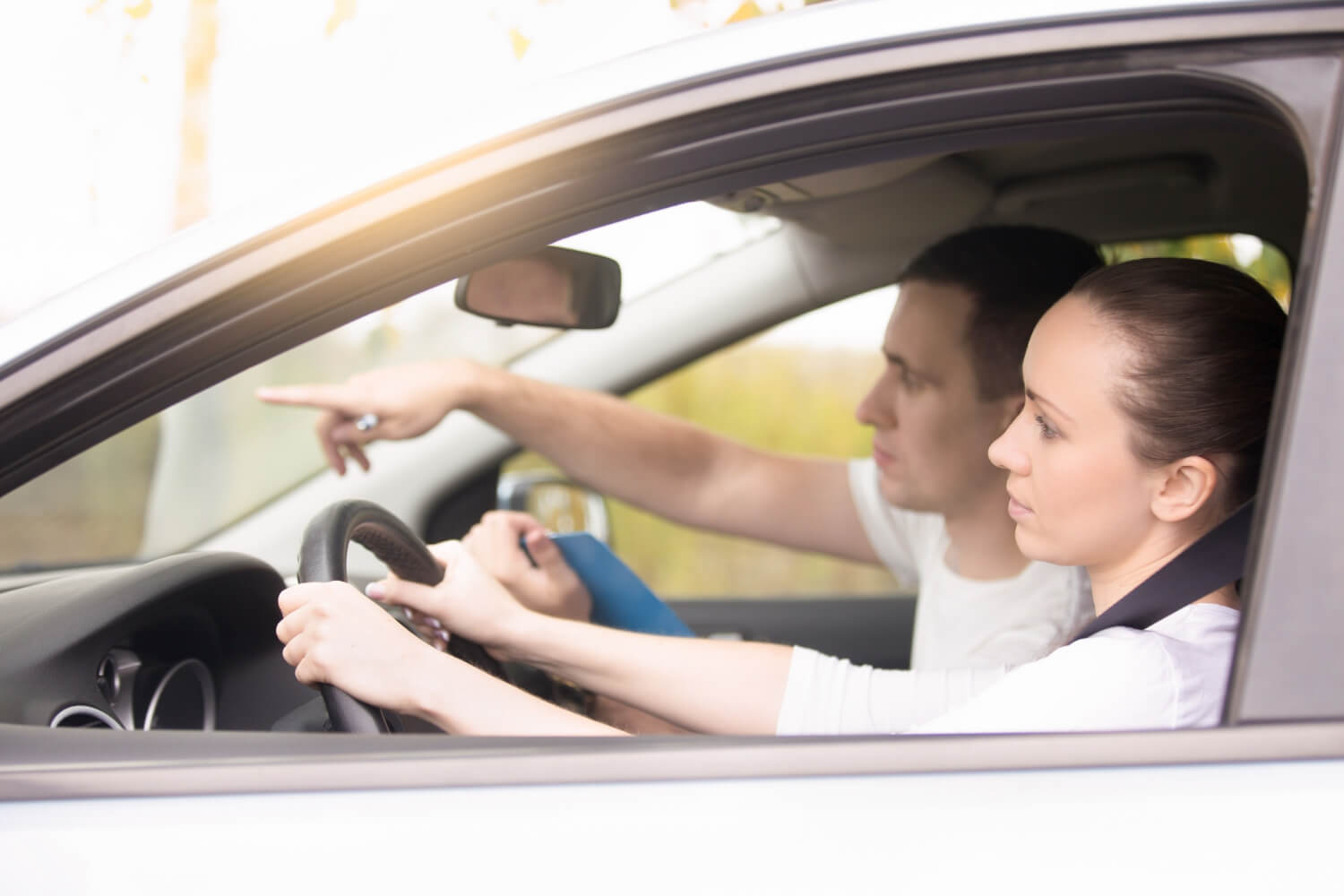
Car accidents are the second leading cause of death among teenagers, but these numbers can be reduced.
The NHTSA recommends:
- Increasing seatbelt use
- Enforcing graduated driver licensing laws
- Implementing zero-tolerance drug and alcohol policies
- Holding parents accountable for monitoring teen drivers
Parents can further reduce risks by:
- Banning cell phone use while driving
- Limiting teen passengers
- Modeling safe driving behavior
- Setting clear consequences for unsafe driving
Instilling strong safety habits early can significantly reduce serious injuries and fatalities.
Common Injuries in Accidents Caused by Teenage Drivers
Those involved in accidents with teen drivers may suffer severe injuries, including:
- Whiplash
- Traumatic brain injuries (TBI)
- Spinal cord injuries(SCI)
- Broken bones and fractures
- Burns and crushing injuries
- Neck, shoulder, and back injuries
- Internal bleeding and organ damage
- Cuts, bruises, and soft-tissue injuries
If you are involved in a car accident with a teenage driver, seek medical attention immediately. Prompt treatment protects your health and strengthens your injury claim.
Damages You May Recover After a Teen Driver Accident
If you or a loved one was injured in an accident caused by a teenage driver, you may be entitled to compensation for:
- Medical expenses (hospital stays, surgeries, medications, rehabilitation)
- Lost wages
- Reduced earning capacity
- Pain and suffering
- Mental anguish and emotional distress
- Property damage
In fatal accidents, surviving family members may pursue a wrongful death claim, which can include funeral expenses, lost financial support, and loss of companionship.
Contact the Law Offices of Wolf & Pravato for a Free Consultation
If you were involved in an accident caused by a teenage driver, the Law Offices of Wolf & Pravato can help you pursue the compensation you deserve. Our experienced car accident attorneys can investigate your case, identify the liable party, and negotiate with the insurance company on your behalf.
Call 844-643-7200 today for a free consultation. Let us protect your rights and help you move forward after a serious accident.
Recent Posts
- Pedestrian Accidents in Lakeland School Zones: Crosswalk Rights, Evidence, and Next Steps
- What to Document at the ER After a Miami Motorcycle Crash

- Workers’ Comp vs. Third-Party Injury Claims for Fort Myers Construction Workers
- Insurance Adjuster Tactics After a Boynton Beach Car Crash (and How to Respond)
- Rideshare (Uber/Lyft) Insurance Coverage After a Fort Lauderdale Crash

- Lakeland Rear-End vs. Side-Impact: Different Injury Patterns and Evidence Needs (Polk County)



FLORIDA’S PERSONAL INJURY ATTORNEYS FOR + 20 YEARS