












When PIP Isn't Enough: Filing a Third-Party Claim in Florida
When the no-fault system runs out
Florida’s no-fault auto insurance system — PIP — works well for minor crashes. For serious crashes, it runs out of coverage fast. A single ambulance ride and an ER visit can exhaust the $2,500 no-EMC limit in hours. An overnight hospital stay or imaging studies can burn through $10,000 in days. Once PIP is gone, the question becomes: now what? Our Florida personal injury lawyer resource sees the same pattern repeatedly: clients who assumed PIP would cover everything discover, often in the middle of recovery, that the real claim is the third-party liability claim against the at-fault driver — and they’re already behind on preservation, treatment documentation, and strategic positioning.
This article walks through how third-party claims work in Florida, when you can file one, and what you can actually recover beyond PIP.
Featured snippet — When you can file a Florida third-party claim
- When your injuries meet the serious injury threshold under § 627.737.
- When your PIP benefits are exhausted and you have additional economic losses.
- When you were not more than 50% at fault for the crash under § 768.81.
What PIP covers and where it falls short
Under Florida’s PIP statute, PIP medical benefits are conditioned on receiving initial services within 14 days of the crash. Inside that window, PIP generally pays 80% of reasonable and necessary medical expenses up to $10,000 if a qualified provider determines an Emergency Medical Condition, or $2,500 if no EMC is determined. PIP also provides disability benefits at 60% of lost gross income and earning capacity due to inability to work, subject to statutory conditions.
Where PIP falls short:
- The 20% medical copay — PIP only pays 80%, leaving 20% of every medical bill as your responsibility.
- Medical costs above the $10,000 (or $2,500) PIP limit.
- The 40% wage loss — PIP disability only covers 60% of lost income.
- Pain and suffering, mental anguish, and other non-economic damages — PIP doesn’t cover these at all.
- Property damage — PIP doesn’t cover vehicle repair or replacement.
For a serious crash, PIP is a first-response layer, not the whole claim. See our
Florida car accident lawyers resource for broader framing on how PIP fits into the overall claim structure.
What a third-party claim actually is
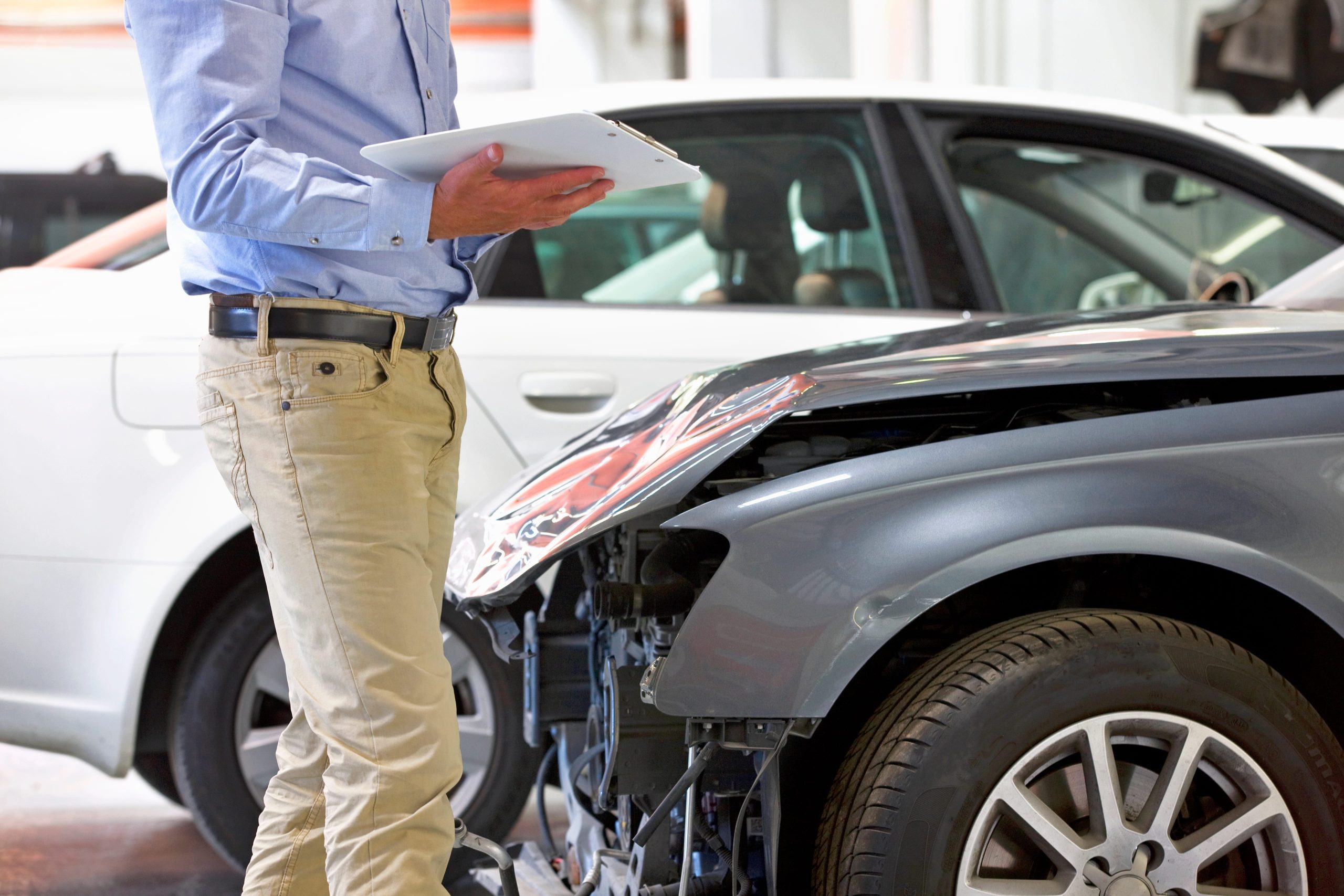
A third-party claim is a claim against the at-fault driver (the “third party,” distinct from you and your own insurer). It’s the traditional negligence claim — the injured party pursuing compensation from the driver who caused the harm. In Florida, the no-fault system is layered on top of this traditional negligence framework rather than replacing it.
The third-party claim typically goes through the at-fault driver’s bodily injury liability insurance. When that coverage is insufficient (policy limits are too low for the harm), the injured party’s own uninsured/underinsured motorist (UM/UIM) coverage may apply. In some cases, umbrella coverage or commercial coverage fills additional layers.
The gateway to a third-party claim
Under Florida’s serious injury threshold statute, a Florida motor vehicle tort claim can seek non-economic damages only when the injury meets one of these statutory categories:
- Significant and permanent loss of an important bodily function.
- Permanent injury within a reasonable degree of medical probability, other than scarring or disfigurement.
- Significant and permanent scarring or disfigurement.
- Death.
Meeting the threshold is what unlocks the full third-party claim. Claims that don’t meet the threshold can still pursue economic damages beyond PIP — additional medical costs, additional lost wages — but can’t add non-economic damages. That’s usually the biggest valuation difference between a “threshold met” case and a “threshold not met” case.
What you can recover in a third-party claim
A fully developed third-party claim can pursue:
- Full medical bills — including the 20% PIP didn’t cover and costs above the PIP limit.
- Future medical costs — projected treatment, surgeries, therapy, equipment.
- Full lost wages — not just the 60% PIP covered.
- Reduced earning capacity — ongoing or permanent reductions in ability to work.
- Property damage — vehicle repair or replacement, personal property destroyed.
- Pain and suffering (if threshold met).
- Mental anguish and emotional distress (if threshold met).
- Loss of enjoyment of life (if threshold met).
- Loss of consortium claims in some cases (affecting a spouse’s rights).
The difference in recoverable damages between PIP-only and a full third-party claim can be very substantial in serious-injury cases.
How comparative fault affects third-party recovery
Under Florida’s comparative fault statute, a claimant more than 50% at fault for their own harm generally cannot recover in a negligence action to which the statute applies. Below that bar, damages are reduced in proportion to the claimant’s fault percentage. The statute notes that this bar does not apply to medical negligence actions under chapter 766.
For third-party claims, this math is consequential. A third-party claim worth $200,000 in full value becomes worth $140,000 at 30% claimant fault, $100,000 at 50% claimant fault, and zero at 51% claimant fault. Getting fault percentages right — through evidence, not just insurer assertion — is often the most important strategic question in the case.
Why identifying all available coverage matters
Florida’s minimum bodily injury liability coverage is relatively modest. Serious injury claims frequently exhaust minimum coverage. The third-party claim then has to access:
- The at-fault driver’s primary bodily injury liability (BIL) coverage.
- Excess or umbrella coverage the at-fault driver may have.
- Commercial coverage if a commercial vehicle was involved.
- The claimant’s own UM/UIM coverage if the at-fault coverage is insufficient.
- Additional household UM/UIM coverage from family policies in some situations.
Identifying every available policy is part of the work in serious third-party claims. “The other driver only had $25,000” isn’t the end of the analysis — it’s the start.
Why timing matters for third-party claims
Third-party claims run against Florida’s two-year filing deadline for most negligence actions under § 95.11, as amended by HB 837 effective March 24, 2023. Claims that arose before the effective date may be governed by the prior four-year rule. On the other side of the timing equation, settling too early — before reaching maximum medical improvement and understanding whether the serious injury threshold is met — almost always undervalues the claim. Third-party claim timing is a balance between “not too early” and “not too late.” For a Miami-specific example of how these cases are managed locally, see our Miami car accident context.
When to retain counsel
When PIP is exhausted or the injury appears serious enough to potentially meet the threshold, counsel becomes valuable. Third-party claims require coordinating PIP, health insurance, and the liability claim on a strategic timeline — and most of the strategic decisions happen in the first months after the crash, before many claimants realize a third-party claim is in play.
Wolf & Pravato has recovered over $200 million for injury clients across Florida, with more than 75 years of combined experience. We work on a contingency basis — you pay nothing unless we win. To discuss whether a third-party claim fits your situation, call 844-643-7200 or request a consultation.
FAQs for third-party claim in a Florida
What is a third-party claim in a Florida car accident?
A claim against the at-fault driver — the third party distinct from you and your own insurer. It pursues compensation beyond what your own PIP covers, typically through the at-fault driver’s bodily injury liability insurance.
When can I file a third-party claim in Florida?
When your injuries meet Florida’s serious injury threshold under § 627.737, when your PIP is exhausted and you have additional economic losses, and when you were not more than 50% at fault under § 768.81.
What is the serious injury threshold?
Florida’s statutory categories that unlock non-economic damages in motor vehicle tort claims — permanent loss of an important bodily function, permanent injury within a reasonable degree of medical probability, significant and permanent scarring or disfigurement, or death. Soft-tissue injuries that fully resolve typically don’t meet it.
What can I recover in a third-party claim that PIP doesn’t cover?
Medical costs beyond the PIP limit, the 20% PIP didn’t pay, full lost wages (not just PIP’s 60%), pain and suffering (if the threshold is met), reduced earning capacity, property damage, and other damages. The difference in value can be substantial in serious-injury cases.
Do I have to wait until PIP is exhausted to file a third-party claim?
No. You can pursue a third-party claim whenever the facts support it — you don’t have to wait for PIP to run out. But the claim is usually easier to value after treatment progresses, so most claimants wait until closer to maximum medical improvement before settling.
What if the at-fault driver’s insurance doesn’t cover my damages?
Your own uninsured/underinsured motorist (UM/UIM) coverage, if you have it, can fill the gap. Umbrella and excess policies held by the at-fault driver may also apply. Commercial coverage applies if a commercial vehicle was involved. Identifying every available policy is part of the case work.
How long do I have to file a third-party claim in Florida?
Florida’s statute of limitations for most negligence actions is two years under § 95.11, as amended by HB 837 effective March 24, 2023. Claims that arose before the effective date may be governed by prior rules. Settling too early — before maximum medical improvement — typically undervalues the claim.
Recent Posts
- Wrong Burial Plot and Grave-Site Errors in Fort Lauderdale

- Rainwater Falls at Fort Lauderdale Store Entrances

- Parking-Lot Backing Crashes in Fort Lauderdale: Who Has the Right of Way?
- Elevator and Escalator Injuries at Fort Lauderdale Shopping Centers
- Delivery Driver Car Accidents in Lakeland: Who Pays?

- Injured as a Passenger in Fort Lauderdale: Whose Insurance Pays?





FLORIDA’S PERSONAL INJURY ATTORNEYS FOR + 20 YEARS