
Fort Lauderdale Hotel Accident Lawyer
A hotel owes its guests more than an ordinary property owner owes a visitor. We can take it from here. Call 954-522-5800 for a free consultation. You pay us nothing unless we win. Our Fort Lauderdale personal injury lawyers have taken these cases across Broward County since 1993.
Hotel Accident claims in Fort Lauderdale
Broward's beachfront and airport hotel corridors produce a steady run of guest injuries: falls on wet lobby and pool deck surfaces, bathroom falls, balcony and railing failures, shuttle collisions and assaults in parking lots and corridors. A hotel is not simply a property owner. It invites paying guests, controls the premises entirely and generally knows more about the risks on it than anyone staying there, which raises what is expected of it. The evidence is almost entirely in the hotel's own hands, incident reports, maintenance logs and camera footage, and it is not volunteered.
A hotel is a regulated business, not just a building
Florida licenses and inspects places that rent rooms to the public, and that is the first thing separating a hotel claim from an ordinary trip and fall. Fla. Stat. § 509.013 defines what counts as a public lodging establishment, Fla. Stat. § 509.242 sorts them into hotels, motels, resort condominiums and vacation rentals, and Fla. Stat. § 509.032 puts the Division of Hotels and Restaurants in charge of inspecting them. Fla. Stat. § 509.211 carries safety requirements down to the level of individual fixtures.
What that means in practice is that an inspection history exists before anybody is hurt. A property cited for the same hazard on two previous visits is in a different position from one with a clean file, and the file is not the hotel’s to write. It is a public record, and pulling it is one of the first things worth doing.
Where guests actually get hurt in Broward hotels
The beachfront strip along A1A, the Las Olas corridor and the airport and cruise-port hotels each produce a recognizable pattern. Pool decks come first, because a wet surface beside a bar is a wet surface people walk on barefoot, and the deck coating either has slip resistance or it has worn off. Bathrooms follow: a tub with no grab bar and no mat is the single most common serious fall in any hotel in the county.
Then there are the injuries people do not associate with a hotel at all. Balcony railings on older beachfront buildings corrode in salt air and get inspected on the building’s schedule rather than on any guest’s. Shuttle vans running to the airport and the port are commercial vehicles carrying passengers, and the hotel’s liability for them does not depend on who owns the van. Valet operations hand a stranger the keys to a car in a garage the hotel controls.
The assault cases, which are the hardest and the largest
A guest attacked in a corridor, a stairwell or a parking garage has a claim if the hotel should have seen it coming and did too little about it. Foreseeability is the whole argument, and it is built from what happened at that address before: calls for service, the property’s own incident log, and what it did after each one. A hotel that ran a security patrol, then cut it, and then had an assault has a problem it created in a budget meeting.
Key control is its own line of inquiry. Electronic locks record every entry, which cuts both ways: the audit trail either supports the account or it does not, and it is generated automatically rather than written by anyone with a reason to shade it. That data is retained for a limited period.
Everything that proves it belongs to the hotel
The imbalance in these cases is not about the law. It is that the hotel holds the video, the housekeeping schedule, the maintenance tickets, the incident report, the lock audit and the folio showing which staff were on shift, and a guest holds a room key and a memory. None of it is volunteered and most of it turns over on a cycle measured in days.
So the sequence matters more here than in almost any other premises case. Photograph the hazard before it is cleaned up, ask for a copy of the incident report at the desk rather than later, and get a written preservation demand in front of the hotel and its insurer quickly. A request made three weeks on produces a truthful answer that nothing survives, and that answer is very hard to do anything about.
Where your case would be handled
Our office is at 2101 W Commercial Blvd, Suite 1500, Fort Lauderdale, FL 33309, and a claim arising here is filed in the Seventeenth Judicial Circuit at the Broward County Courthouse.
The law that decides it
The statutes, deadlines and proof requirements for a premises liability claim are the same anywhere in Florida, so they live once on our florida premises liability lawyer page rather than being restated on every city page. What changes locally is the court, the evidence and who you are dealing with, which is what this page covers.
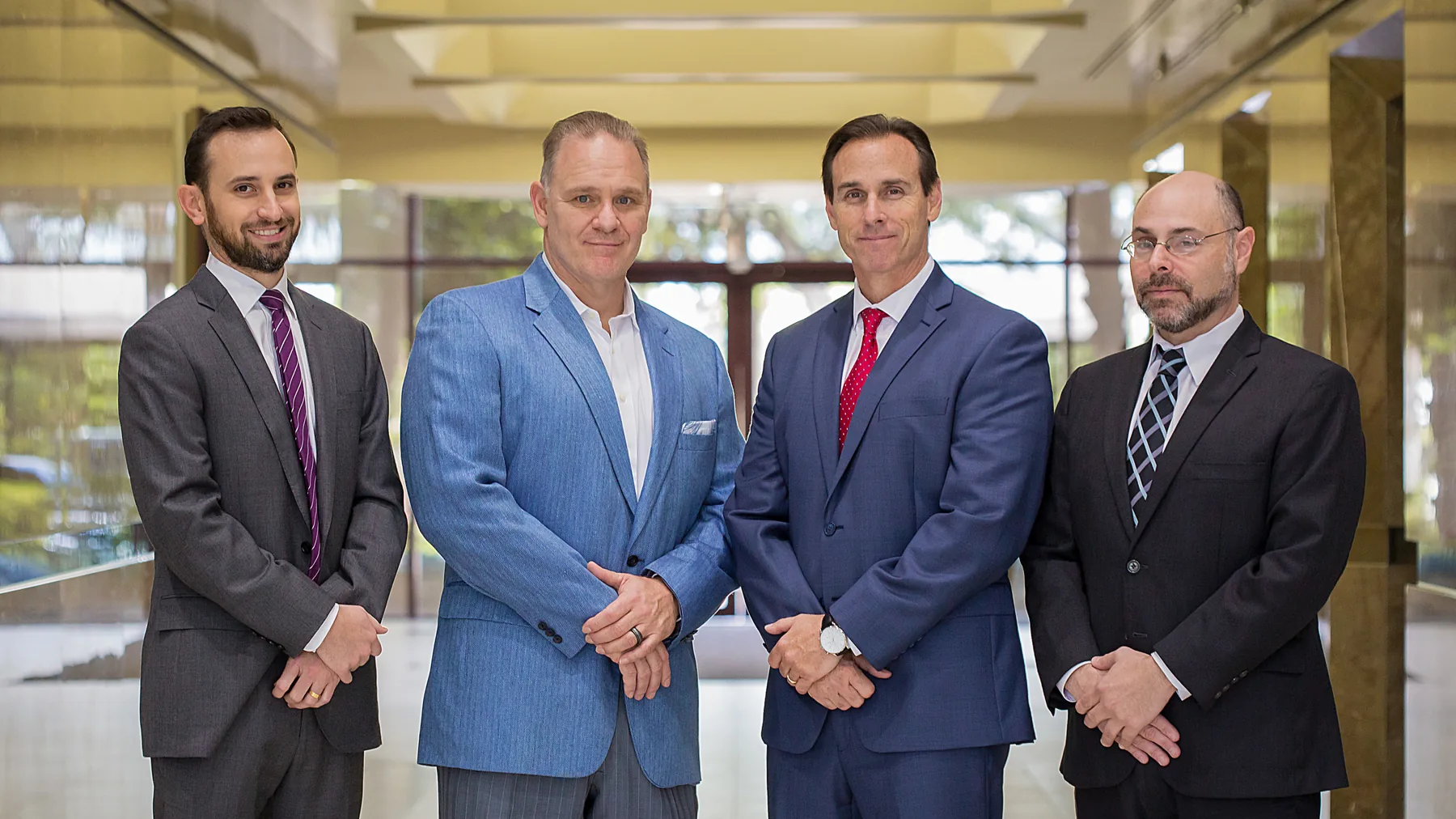
Our team will not let you go through a hotel accident claim alone
Getting hurt somewhere you had every reason to feel safe is hard enough without the owner acting like it never happened. Nothing undoes the injury, and we will not pretend otherwise. What we can do is make the owner answer for a danger they already knew about, and we will take the case as far as it has to go.
Our trial attorneys have been trying Broward County cases together since 1993, and one of them works your Fort Lauderdale claim from the first call to the last check. A case filed here goes to the Seventeenth Judicial Circuit at the Broward County Courthouse.
Meet the attorneys →Fort Lauderdale hotel accident questions
The hotel had me sign an incident report. Was that a mistake?
Not a fatal one, but the report is written by the hotel and frequently records less than happened. Ask for a copy at the time, photograph the hazard before it is cleared, and get the names of any staff and guests present. Camera footage is the single most valuable item and is routinely overwritten within days unless a written demand to preserve it has been sent.
I was hurt at a hotel in Fort Lauderdale but I live in another state.
That changes nothing about the claim. It arose in Broward County and it is handled here, whatever address is on your license. Most of what has to happen at the start is done without you: the records request, the preservation demand, the inspection history. Treatment can continue at home, and the bills and records follow you.
The hotel is part of a national chain. Am I claiming against the brand?
Usually not, and that surprises people. Most hotels flying a national flag are owned by a separate company and run by a third management company under a franchise agreement, so the entity that owed you a safe property may be a business you have never heard of. Working out who actually controlled the premises is an early step, because it decides which insurance answers.
The questions that come up on every kind of claim, deadlines, fees, recorded statements and fault, are answered on our Florida injury claim FAQ.
More in Fort Lauderdale
Fort Lauderdale Personal Injury Lawyer
Everything we handle in Broward County, and where our office is.
View →Fort Lauderdale Bus Accident Lawyer
Florida bus accident lawyers.
View →Fort Lauderdale Construction Accident Lawyer
Florida construction accident lawyers.
View →Fort Lauderdale Birth Injury Lawyer
Florida birth injury lawyers.
View →
Tell us what happened
A lawyer will listen, tell you what Florida law does with those facts, and be straight with you about whether it is worth bringing. We are at 2101 W Commercial Blvd, Suite 1500, Fort Lauderdale, FL 33309.