

Fort Lauderdale Bus Accident Lawyer
You were on a bus, waiting for one or struck by one, and the operator turns out to be a government body with its own rules. We can take it from here. Call 954-522-5800 for a free consultation. You pay us nothing unless we win. Our Fort Lauderdale personal injury lawyers have taken these cases across Broward County since 1993.
Bus Accident claims in Fort Lauderdale
A claim against a public operator has to go through a written notice and a waiting period before a suit can even be filed, and the notice has to reach the right office. Meanwhile you are dealing with the injury, the missed work, and an incident report nobody has shown you. Getting that sequence started properly is our job, and it begins the day you call.
A claim arising from a Broward County Transit bus, a school bus or a municipal vehicle is a claim against a government entity, and section 768.28 governs it. Recovery is capped at $200,000 per person and $300,000 per incident unless the Legislature passes a claims bill, written notice of the claim has to be presented before suit, and the agency gets an investigation period before anything can be filed. None of those protections reach a private operator, a tour or charter bus, or a shuttle service, and those are handled as ordinary negligence claims, which is why identifying the operator on the side of the vehicle is the first step rather than a detail.
Who ran the bus decides a Broward claim before anything else. Broward County Transit, a school bus and a municipal vehicle are government defendants: recovery is capped at $200,000 per person, and no suit can be filed until a written notice has been presented and answered. A private shuttle or charter is an ordinary commercial defendant with no cap at all.
What to do after a bus accident in Fort Lauderdale
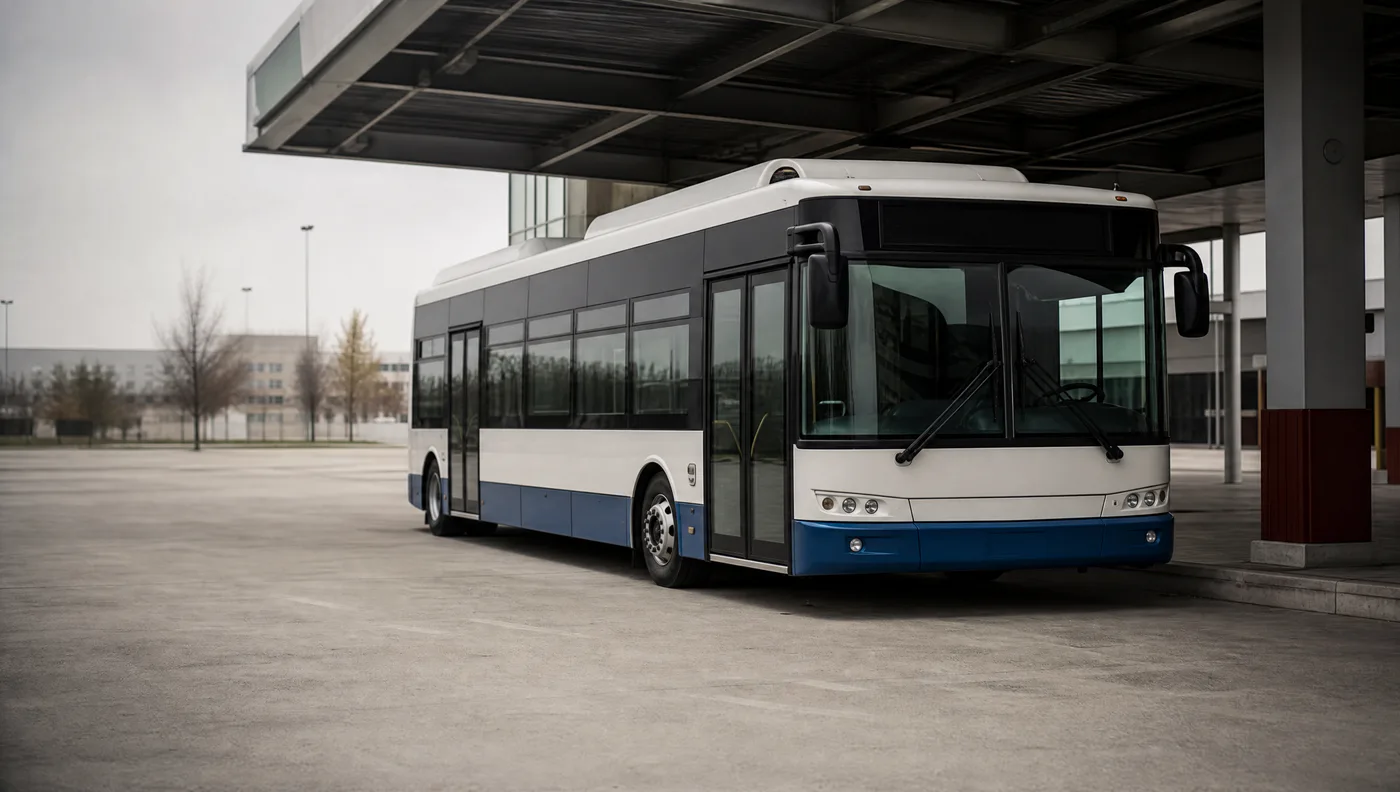
- Photograph the vehicle, the fleet number and the route. The number on the side, the route number in the window, the livery and any operator name. Who ran the bus decides everything that follows, and it is not always obvious: a vehicle in transit colors may be run by a contractor, and a shuttle in hotel livery may belong to a charter company. A photograph settles in a second what takes weeks to establish afterward.
- Ask for the incident report number before you leave. Drivers on transit, school and charter vehicles are generally required to report, and a report exists whether or not anybody shows it to you. Getting the number on the day makes it findable later. So does noting the time, the direction of travel and the stop you were at or nearest to.
- Ask in writing that the onboard video be preserved, this week. Almost every transit and school bus carries several cameras, and that footage runs on a short retention cycle before it is overwritten. This is the real deadline in a bus case. A written request naming the date, the route, the vehicle number and the time is routine in week one and becomes an argument about destroyed evidence in month three.
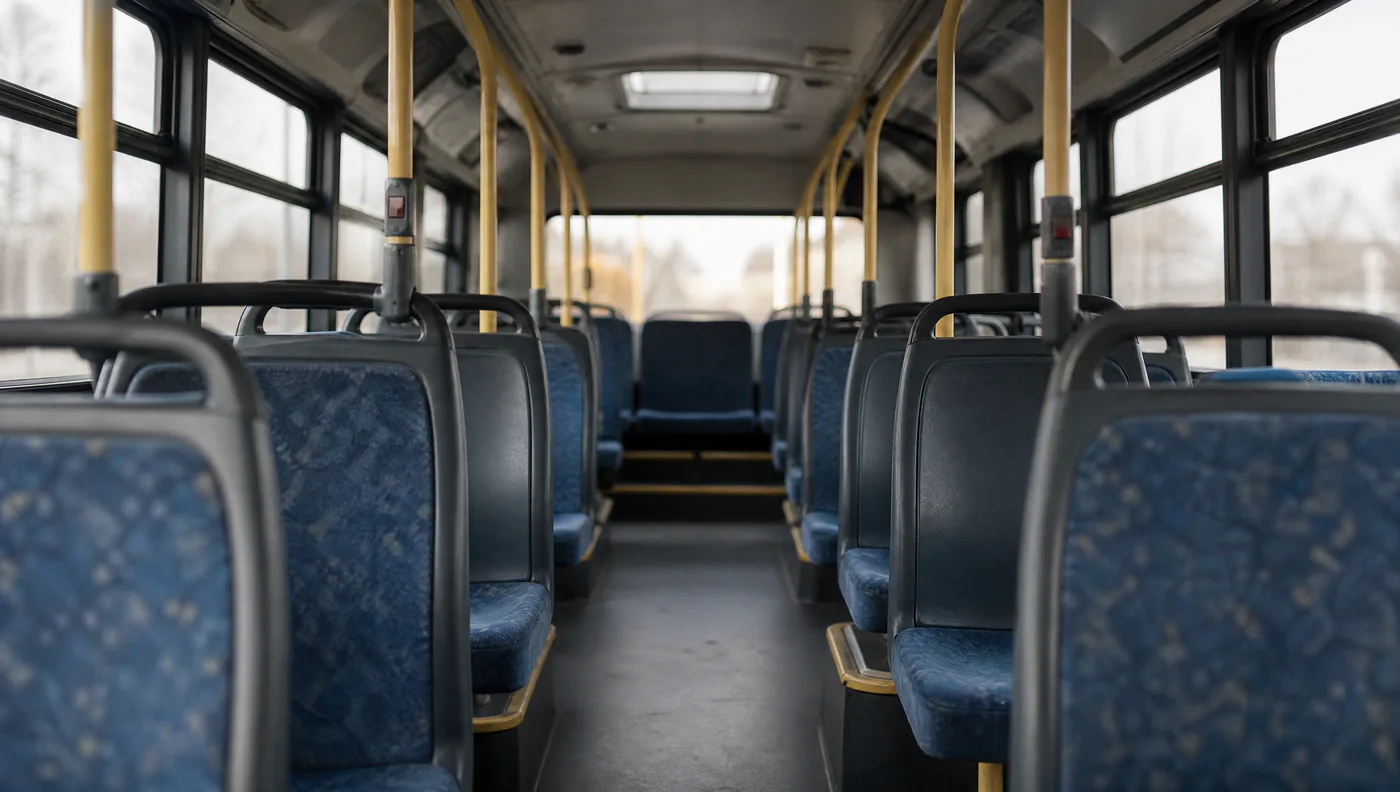
- Get treated, because bus injuries are thrown-body injuries. Passengers on a transit bus are not belted and are frequently standing, so a sudden stop that does no damage to the vehicle throws people into poles, seat frames and each other. Head, shoulder and wrist injuries are common and are regularly walked off, and a gap between the incident and the first medical visit is the most common argument made about how badly somebody was hurt.
- If the operator is public, the notice has to come first. A claim against a transit authority, a city, a county or a school district cannot be filed until a written notice of claim has been presented and answered. That is a sequence rather than a formality, it takes months, and it is the step most commonly missed. It is worth establishing which kind of operator you are dealing with before anything else.
Where these happen in Fort Lauderdale
Broward runs public transit, one of the largest school fleets in the state and a very large private shuttle industry over the same roads, and the vehicle in front of you may belong to any of them.
-
Transit routes and the stops along them
The county network, where most passenger injuries happen without any collision at all.
- Sudden stops and hard starts that throw standing passengers, which leave no mark on the vehicle
- Doors, and buses pulling away before somebody is seated or clear
- Stop placement on six-lane main roads, and the walk required to reach one
- Onboard cameras, several per vehicle, running on a retention cycle measured in days
-
The school district fleet
A very large operation, and a claim that reaches beyond what happens on board.
- Children struck crossing to or from a stop, which puts stop placement in issue
- Motorists passing a stopped bus with its arm out, which is a separate and uncapped defendant
- The district as a public entity, with the notice sequence and the cap that follow
- A settlement for a child, which requires court approval and cannot simply be signed
-
Airport, port and hotel shuttles
Broward moves an enormous number of visitors on private vehicles, and these are ordinary commercial defendants.
- No cap, no notice requirement, and commercial insurance rather than a public risk pool
- Operators running across state lines, which brings federal driver and maintenance records
- Luggage handling, steps and boarding injuries, which is where most of these claims come from
- Contracts between a hotel or a cruise line and the operator, which decide who else is answerable
-
Paratransit and contracted service
Service run for an agency by a private company, which is the setting where the entity question is hardest.
- A contractor that may not be a public entity, and therefore may not be capped
- Lift failures and wheelchairs that were never properly secured before the vehicle moved
- Passengers who are older or disabled, for whom a fall is a fracture rather than a bruise
- Securement and maintenance records, which document the equipment rather than the driver

What causes them
- Sudden stops and hard starts, which throw standing passengers with no belt and nothing to brace against
- Collisions with other vehicles, where the bus may be at fault, the other driver may be, or both
- Doors closing on passengers, and buses pulling away before somebody is seated or clear
- Boarding and alighting injuries, including at stops with a broken or uneven surface
- Wheelchair lift failures, and chairs that were never properly secured before the vehicle moved
The injuries we see, and what each one turns on
What happens to a body that is not belted
A transit passenger is standing or seated without a restraint, so the forces in a bus incident are transferred through whatever the person hits: a pole, a seat frame, a stanchion, the floor. It produces a recognizable pattern of head, shoulder, wrist and rib injuries from an event that left no mark on the vehicle at all, which is exactly what an insurer relies on.
Head and brain injury
A strike against a pole or a window does not have to knock somebody out to injure the brain, and a normal scan does not rule one out. What follows shows up in memory, concentration, sleep and temper, and the people around somebody usually notice before they do. It is proved with neuropsychological testing and treating records rather than the scan taken on the day.
Spine and shoulders
Herniations from being thrown, and rotator cuff injuries from grabbing a rail to stay upright. The standard defense is that a low-speed event could not cause them, and it is answered from the medical record and from the difference in what somebody could do before and cannot do now.
What Florida law requires you to prove
Who operated the bus decides the whole claim
A transit authority, a city, a county and a school district are government entities, and a claim against one runs under Fla. Stat. § 768.28. A charter, tour or shuttle company is an ordinary commercial defendant with commercial insurance and no cap, and where it runs across state lines it is a federally regulated carrier with driver logs and maintenance records that a public agency does not generate. Establishing which one you are dealing with is the first task, and the livery does not always answer it.
The higher duty a carrier owes its passengers
A bus carrying paying or public passengers is a common carrier, and Florida holds a common carrier to a higher standard of care toward its passengers than an ordinary driver owes other road users. That is a genuine advantage in a passenger claim, because it lowers what has to be proved. It also extends beyond driving to boarding and alighting, which is where a great many of these injuries actually happen.
The sequence on a public claim, and the cap
Written notice of the claim has to be presented to the agency, and in most cases to the Department of Financial Services, and the notice and its denial are conditions precedent to suit. Nothing can be filed until the agency has answered or run out of time to, and it gets six months, ninety days for a wrongful death. Recovery is capped at $200,000 per person and $300,000 per incident, and anything above that requires the Legislature to pass a claims bill. Against a private operator none of this applies and the ordinary two-year deadline in Fla. Stat. § 95.11 governs.
The full statutory detail, and the parts that differ by claim type, sit on our statewide bus accident page rather than being restated in every market.
How we prove it in Broward County
The first task is establishing which entities are actually involved, because notice presented to the wrong one is not notice. The second is the video, which runs out fastest.
- The operator, the contracted company and every public entity involved, since notice to one is not notice to another
- Onboard camera footage, requested in writing by vehicle number, route, date and time within the first days
- The driver’s incident report and its number, taken on the day where possible
- Vehicle maintenance, brake, door and lift service records
- Driver qualification, training and disciplinary history, and hours worked that day
- Route, schedule and dispatch records, which fix the vehicle and the time precisely
- Stop placement and design records where a child or a pedestrian was struck reaching a stop
- The written notice of claim to each public entity, presented before any suit is filed
The footage is the item with the shortest life and the greatest weight, because in a sudden stop case it is the only record of what happened inside a vehicle that was never damaged. Everything else on that list can be pursued for months.
Who would handle your case
Being hurt in Fort Lauderdale is hard enough without working out the legal side on your own. The trial lawyers below have handled bus accident claims across Florida since 1993, and one of them will take yours from the first call to the last check. They will tell you what your case is worth and why, and they will be straight with you about the parts that are hard.
-
 Richard P. Pravato Founding & Managing Attorney Board Certified in Civil Trial Law by The Florida Bar since 2004, and by the National Board of Trial Advocacy. Injury cases exclusively since 1996. Full profile →
 -
 Brett J. Yonon Senior Trial Attorney Selected to Florida Super Lawyers in 2024 and 2025. Brett Yonon is who this firm puts on a catastrophic injury or a death in the family, and he has tried those cases to verdict. Full profile →
How insurance companies handle these claims
A public agency handles these claims itself or through a risk pool rather than through an ordinary insurer, and its file starts the day the driver reports. A private motorcoach carrier behaves more like a trucking company, with an investigator working early.
- The bus was not damaged, so nobody can have been hurt
- The standard answer in a sudden stop case, and it misdescribes the physics. A vehicle weighing many tons stops without deforming, and the passenger standing in the aisle is the thing that absorbs it. What answers the argument is the onboard video showing what happened inside the vehicle, the medical record from the first visit, and where on the body the injuries actually are.
- The footage is no longer available
- Sometimes true and frequently a matter of timing rather than fact. These systems cycle in days to weeks and the operator knew on the day that somebody was hurt. A written preservation request naming the vehicle, the route, the date and the time is the single most valuable thing that happens in the first week, and it changes an absence of footage into a question about who let it go.
- The incident report exists and you will not be seeing it
- Reports on transit and school vehicles are written for the operator rather than for the passenger. Asking for the number on the day makes it findable, and on a public operator a good deal of the file is available as a public record. On a private carrier it comes through the claim rather than over the counter.
What a claim can include
Medical care, past and future
Everything already billed and what the treating physicians say is still ahead, including the second operation nobody mentions in month one.
Lost income and lost earning capacity
Wages missed, and separately what somebody can no longer earn. For a passenger who relied on the bus to get to work, losing mobility and losing income are frequently the same problem.
Pain, and what daily life has become
Sleep, mobility, independence, and for an older passenger the confidence to use public transport again. It is proved with the account of the people around the injured person as much as with records.
Why Wolf & Pravato in Fort Lauderdale
A Broward bus case is filed in the Seventeenth Judicial Circuit at the Broward County Courthouse, and this office has worked in it since 1993. Where a claim involves a public agency, a contractor and a second driver at once, having all three handled together is what keeps a capped claim from being the whole recovery.
Richard Pravato has been Board Certified in Civil Trial law by The Florida Bar since 2004. The Bar lists 861 lawyers in the state holding it against a membership over 109,000. What it means in practice is that the other side knows the file can go in front of a jury, and files that can go to trial are priced differently from files that cannot.
The first conversation is free. We are paid out of the recovery or not at all, and if we do not think there is a claim worth bringing we will tell you that rather than take it.
Fort Lauderdale bus accident questions
How long do I have to bring a claim against Broward County Transit?
The written notice of claim generally has to be presented within three years, two for a wrongful death, and that is separate from the deadline to file suit. Miss the notice and the claim is barred regardless of its merits. It is the single most common way a good claim against a public agency is lost, and it is why these should not sit.
The bus never hit anything. Do I still have a claim?
Yes, and it is one of the more common claims in this practice. A transit passenger is standing or seated with no restraint, so a hard stop that leaves the vehicle unmarked throws people into poles and seat frames. What proves it is the onboard video showing what happened inside the bus, and the medical record from the first visit. Both are why the preservation request matters in week one.
It was a hotel shuttle rather than a county bus.
That is generally better for the claim. A private operator is an ordinary commercial defendant: no statutory cap on recovery, no written notice requirement before suit, and commercial insurance behind it. Where the company runs across state lines it is also a federally regulated carrier, which means driver logs and maintenance records that a public agency never generates.
Can I sue a public transit authority in Florida?
Yes, but not on the ordinary timetable. A written notice of claim has to be presented first, and no suit can be filed until the agency has answered it or run out of time to, which takes months on its own. Recovery is also capped by statute in a way it is not against a private defendant. Neither step can be skipped, so a late start can leave no room to complete them.
My child was hurt on a school bus. What should we do first?
Get medical attention and report it to the school and the district in writing. A school district is a government entity, so the notice requirements apply, and the buses almost always carry cameras whose footage is on a short retention cycle. Both of those argue for acting within days.
The questions that come up on every kind of claim, deadlines, fees, recorded statements and fault, are answered on our Florida injury claim FAQ.
More in Fort Lauderdale
Fort Lauderdale Personal Injury Lawyer
Everything we handle in Broward County, and where our office is.
View →Fort Lauderdale Airbnb Injury Lawyer
Hurt at a Florida Airbnb or VRBO.
View →Fort Lauderdale Premises Liability Lawyer
Florida premises liability and negligent security lawyers.
View →Fort Lauderdale Negligent Security Lawyer
Attacked at a Florida apartment, hotel, store or parking lot.
View →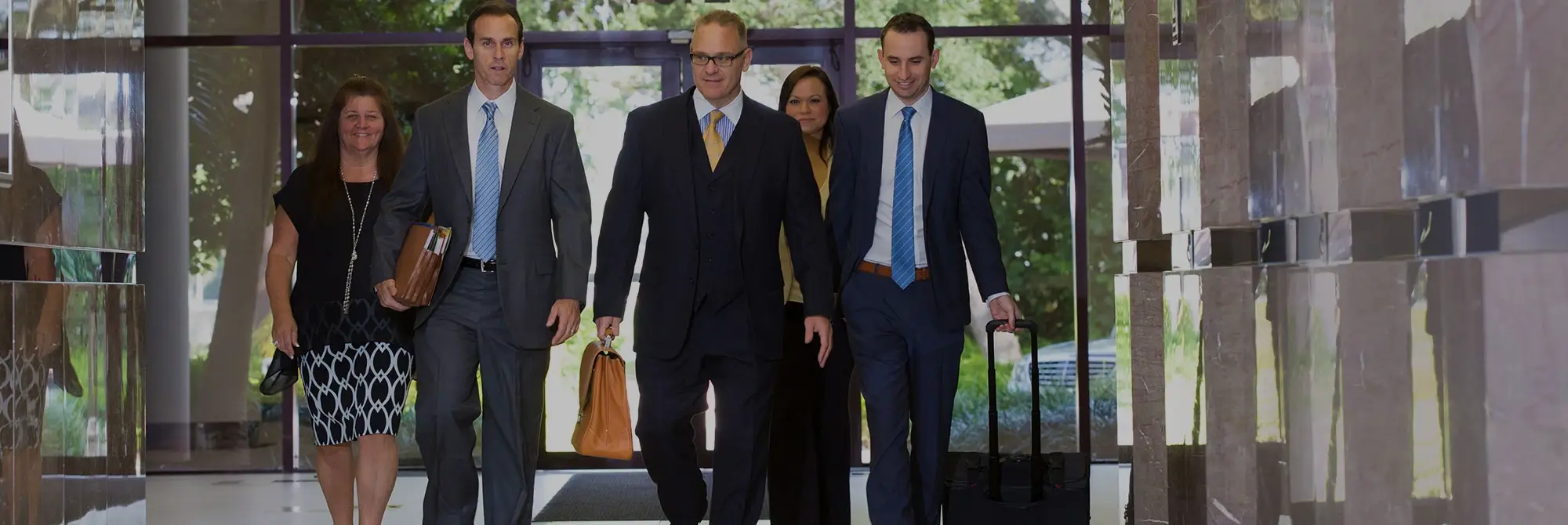
Tell us what happened
A lawyer will listen, tell you what Florida law does with those facts, and be straight with you about whether it is worth bringing. We are at 2101 W Commercial Blvd, Suite 1500, Fort Lauderdale, FL 33309.