
Miami Funeral Home Negligence Lawyer
Miami-Dade families frequently need remains repatriated to another country. A delay that would be an inconvenience elsewhere can mean a body is held for weeks, and those are among the cases we see most here. We take these claims for families across Miami-Dade County: wrongful cremation, remains lost or released to the wrong people, failed embalming, burial in the wrong plot. Our office is at 1111 Brickell Avenue, and a suit like this is filed in the Eleventh Judicial Circuit at the Miami-Dade County Courthouse. Call 844-643-7200 and speak to a lawyer about what happened.
Do not give a recorded statement to the funeral home or its insurer before you speak to a lawyer. If a repatriation is involved, ask for copies of every filing right now: the consular paperwork, the airline booking, the death certificate as submitted. Those documents cross several hands and are the first things to go missing.
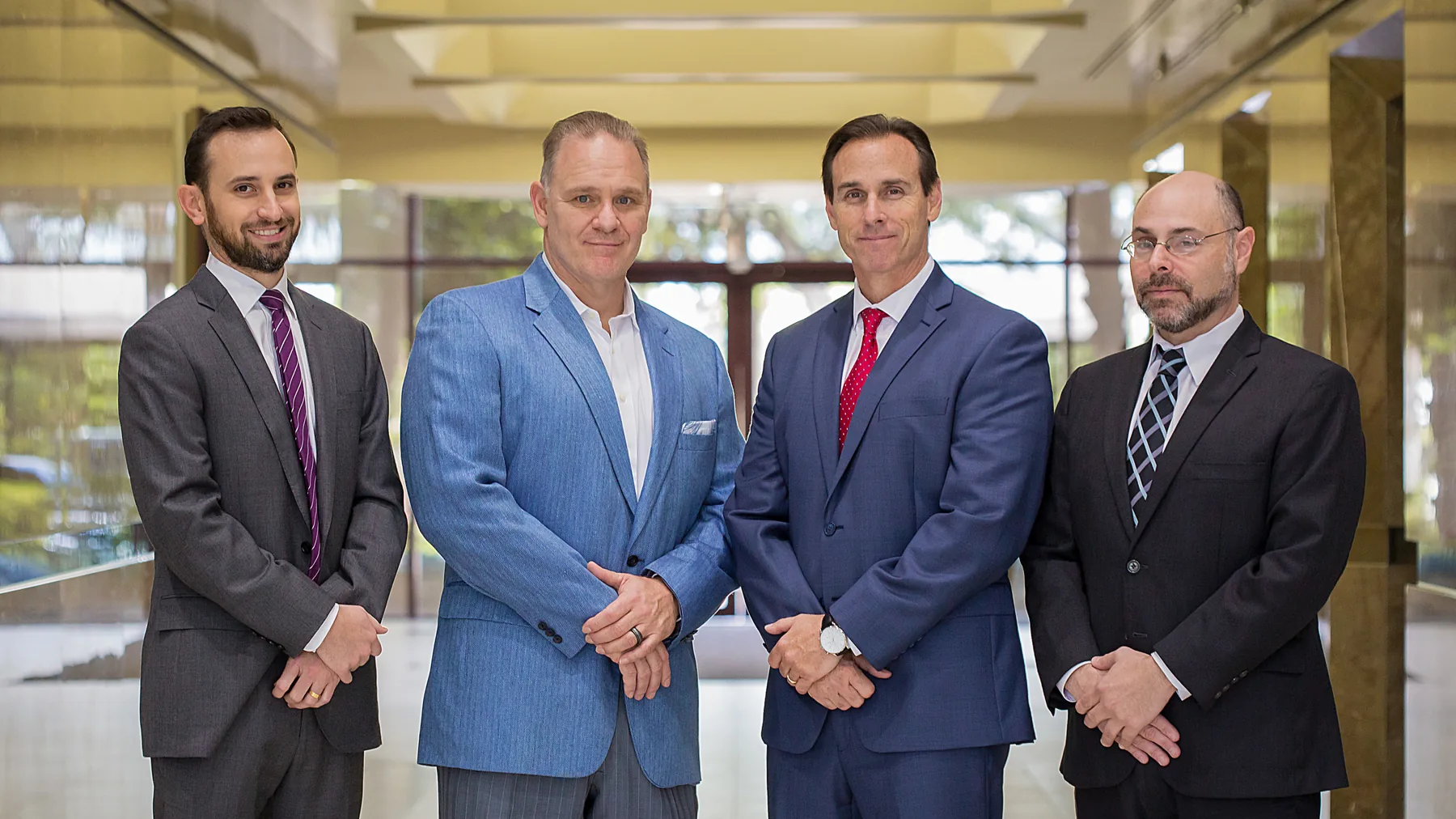
Our team will not let you go through this alone
A death in the family is hard enough without the funeral home getting it wrong. Nothing undoes what they did, and we will not pretend otherwise. What we can do is make them answer for it, and we will take your case as far as it has to go.
Our trial attorneys have been trying Miami-Dade County injury and wrongful death cases together since 1993. They have brought claims over remains that went missing, over the wrong body being cremated, and over a grave being disturbed. A funeral home claim is work this firm has taken to a jury and won. One of them takes your case and keeps it, so you speak with your attorney rather than an assistant. A suit out of Miami is filed in the Eleventh Judicial Circuit at the Miami-Dade County Courthouse.
Meet the attorneys →Miami cases often cross a border before they are finished
Below is what a Miami-Dade funeral home claim involves: the failures this county produces that no other county does, what Florida requires you to prove, how it gets proved here, and what it is worth. The statutes sit on the statewide page. This is the Miami part.
Miami-Dade funeral home claims are filed in the Eleventh Judicial Circuit. The county repatriates more remains internationally than anywhere else in Florida, and the paperwork, embalming and transport requirements that involves are where most local failures happen. Florida allows these claims with no physical injury.
What to do this week
None of this requires a lawyer and all of it is easier now than in six months. Where a case exists, these are also the steps that decide how strong it is.
- Do not sign anything else. Not an amended contract, not a revised authorization, not a settlement of the bill, not a waiver offered with an apology and a refund. Refunds in these cases arrive attached to language that ends the claim, and they arrive fast, before a family has any idea what happened. A refund of the funeral bill is nothing next to what this kind of case is worth, and it cannot be undone once it is signed.
- Keep the paperwork you already have. The contract, the price list, the authorization forms, the death certificate, the cremation authorization if there was one, the receipts, the correspondence and anything from a cemetery or a crematory. Photograph all of it today. These files are usually thin and the originals are usually held by the funeral home, so what the family kept is frequently the only independent copy of anything.
- Write down the sequence while it is fresh. Who you spoke to and when, what you were told each time, what changed between one conversation and the next, and who else was in the room. The inconsistency between what a funeral home said on Tuesday and what it said on Friday is regularly the strongest evidence in these files, and it exists only if somebody wrote both down at the time.
How these cases arise in Miami
A large share of the families who call our Brickell office need their loved one returned to another country. That adds a layer nothing else in Florida has: consular paperwork, a foreign death certificate, an airline that will only accept a properly documented shipment, and a receiving funeral home thousands of miles away.
Every one of those handoffs is a place a body can sit while nobody takes responsibility. A week of delay that would be an irritation in an ordinary case can mean a family abroad holds a funeral with no one in the casket. When a Miami funeral home misses those requirements, the harm is not only the delay, it is that the family cannot be present for the burial at all.
Miami-Dade sends more remains out of the country than any county in Florida, and the international side of this work has failure points that a domestic funeral does not.
Remains being sent abroad
The defining feature of this county’s funeral work, and the source of its worst cases.
- Consular paperwork and a destination country’s own requirements, neither explained to the family
- Embalming and sealing standards for international transport, contracted for and sometimes not performed
- Airline and cargo requirements that add days nobody budgeted for
- A body held for weeks while documents are chased, with the family abroad and unable to see it
Arrangements made in a language the family does not read
Contracts and authorizations signed by people who were told what they said rather than able to read them.
- An authorization form signed on the basis of a verbal summary
- A price list and a contract in English handed to a family that does not read it
- A relative acting as interpreter, and later disputing what was said
- What the family understood, which is a question of fact and is provable
Faith observances with a fixed clock
A great deal of this county’s funeral work has to happen within a short and non-negotiable window.
- Instructions about prompt burial, about not cremating, and about who may handle the body
- A delay that is an inconvenience elsewhere and a serious harm here
- Written instructions given to the establishment, which is what makes the failure provable
- A cremation carried out against express instruction, which is the most serious version of this
High-volume establishments and shared facilities
Density brings scale, and scale brings the failures that come from handling several bodies at once.
- Identification at collection, at transfer and at preparation
- Bodies held together at a facility other than the one the family dealt with
- Refrigeration capacity at establishments running above it
- Personal effects, jewelry and clothing that went in and did not come back
What we ask Miami families to look at
- Consular or embassy paperwork the funeral home said it filed but cannot produce
- An airline shipment booked, canceled, and rebooked without anyone telling the family
- A death certificate with a name or spelling that does not match the passport
- Embalming required for international transport that was never actually performed
What actually goes wrong
These are the failures that bring families to this firm. Where a death fell under the Miami-Dade County Medical Examiner, the release paperwork usually shows who held custody at the moment one of them happened, and it is among the first records we request.
- The wrong body cremated, so nothing can be recovered and nothing can be undone
- Remains released to the wrong family, and buried or scattered before anybody noticed
- Ashes lost, mixed with another person’s, or handed over in a container that was never opened until it was too late to ask
- A burial in the wrong plot, in the wrong section, or in a grave already occupied
- A body buried without the service the family paid for and was told had happened
- Embalming that was contracted for and never performed, discovered at a viewing
What a family is left with
Nothing that can be put right
Most claims are about restoring something. These are not. Where a body has been cremated, there is no examination to be had and no correction to be made, and the family is left with a question that will not have an answer. That finality is part of what a court is asked to account for, and it is the reason a case involving a cremation is valued differently from one where a mistake was caught.
A funeral that has to be done twice
Where remains are recovered, or a burial is corrected, the family goes through it again: another day, another set of arrangements, another gathering of the same people, and this time with everybody knowing why. The costs of that are recoverable and they are the smallest part of it.
The part where nobody believed them
Almost every family in these cases spent weeks being told they were mistaken, or upset, or misremembering, before anybody admitted anything. That period is its own harm and it is worth documenting, because it also goes to how the establishment behaved once it knew.
What Florida law requires you to prove
The claim exists without any physical injury
Florida is unusual here, and it is the single thing most families are told wrongly. The ordinary rule is that mental anguish is not recoverable without an accompanying physical injury. The mishandling of a dead body is a recognized exception to that rule, so a family with no physical injury at all still has a claim.
The statewide page sets out the authority for that, along with the standard of proof Florida applies, which is higher than most families are told and is worth understanding before anybody decides what to do.
Who was entitled to decide, and in what order
Florida decides by statute who may authorize a burial or a cremation, in a fixed order of priority, and a cremation cannot happen at all without that person’s written authorization. A very large share of these cases begins with somebody who was not on that list signing a form, or with nobody signing one. That order, and what it means for who may bring a claim, is set out in full on the statewide page.
The establishment, the licensee and the people who work there
Florida licenses funeral establishments, direct disposal establishments, cremation facilities, cemeteries and the individuals working in them, and a licensee is answerable for what happens under its license. The claim usually runs against more than one of them, and where a body passed between a funeral home, a crematory and a cemetery, the question of who held custody at the moment something went wrong is answered from the release paperwork rather than from anybody’s account.
The deadline
Most claims arising on or after March 24, 2023 have to be filed within two years, and an older one keeps the four years that applied when it happened. The practical deadline is much shorter, because the records that decide these cases sit with the establishment and the physical evidence is regularly destroyed as part of the very thing being complained about.
How we prove it in Miami-Dade County
A Miami case frequently has an extra layer of documents, and that layer is usually where the answer is.
- The contract and authorization forms, and what the family was actually told they said
- Consular and export documentation where remains were being sent abroad
- Airline and cargo paperwork, which fixes dates independently of the funeral home
- Written instructions about faith observance, timing or handling, and when they were given
- Release records at every handover between establishment, crematory and cemetery
- Medical examiner release documentation where District 11 held the body
- Identification, transfer and refrigeration logs at the facility that did the work
- The licensing and complaint history of each business involved
Where remains were going overseas, get the airline and consular paperwork now. Those documents sit outside the funeral home’s control, which makes them the one part of the timeline that cannot be tidied afterward.
What the funeral home and its insurer will say
The response in these files follows a pattern, and it starts with sympathy and a refund. What follows is worth recognizing for what it is.
It was an administrative error and it has been corrected
Corrected how, by whom, and recorded where. An establishment that says a mistake has been fixed has created a document saying so, and that document is requested. Where the mistake was a cremation, nothing has been corrected, and describing it that way is itself worth noting.
You have no proof this happened
Said early, and usually while the establishment holds all of the records. The contract, the authorizations, the release paperwork, the logs, the transfer records and the internal correspondence exist and are obtained. Where a regulator has investigated, that file exists too. The family being unable to prove it in the first week is not the same as it being unprovable.
The person who signed authorized exactly this
Then produce the authorization, and let it be compared against who Florida says was entitled to give it and what it actually says. These forms are frequently signed by the wrong relative, signed after the fact, signed in blank, or not signed at all. It is one of the most productive things to examine in the whole file.
What a claim can include
- What the funeral cost, and what putting it right costs. The original arrangements, and a second set where a service, a burial or a disinterment has to be done again.
- Treatment for what it did. Counseling, therapy and medical care for the family members affected, past and ongoing, where somebody has sought it.
- Income lost while dealing with it. Time away from work during the discovery, the correction and the treatment, which in these cases runs for months rather than days.
Why this office for a Miami case
A Miami-Dade funeral home claim is filed in the Eleventh Judicial Circuit at the Miami-Dade County Courthouse, and the firm has an office on Brickell Avenue rather than a mailing address here. Where a case involves remains that were meant to leave the country, or instructions given in a language the establishment did not read, the work of establishing what was actually agreed is local and it is documentary.
Miami funeral home questions
Answered by Brett J. Yonon, who handles the firm's funeral home and wrongful death cases.
The funeral home was supposed to send my relative abroad and did not. Is that a case?
It can be. Repatriation is something the funeral home contracts to handle, and failing at it is more than a missed deadline when the result is that a family cannot bury their own. What we look at is whether the failure was careless or whether the funeral home kept telling a family everything was in hand while knowing it was not, because Florida asks for conduct beyond ordinary negligence in these claims.
My relative was supposed to be flown home and the funeral home has had the body for weeks.
Ask in writing today for the specific document that is outstanding, who is responsible for obtaining it and when it was applied for. International transport does take longer than a domestic funeral and it does not take weeks without a reason. The airline and consular paperwork exists independently of the funeral home, which means the real timeline can be established whatever you are being told.
We gave written instructions about how the body was to be handled and they were ignored.
That written instruction is close to the strongest document available in this kind of case, because it removes any argument about what the establishment understood. Keep the original and the proof of when it was sent. Florida recognizes a claim for mental anguish from the mishandling of a body with no physical injury required, and instructions given and disregarded go directly to how the establishment behaved.
Where would a Miami funeral home case actually be filed?
In the Eleventh Judicial Circuit at the Miami-Dade County Courthouse. Which courthouse matters more than people expect, because local practice, the judges and the jury pool all differ by circuit. We try these cases in Miami-Dade County rather than referring them out.
What should I do before I call a Miami lawyer?
Keep asking the funeral home questions and get the answers in writing. Save every contract, authorization form and receipt. Do not give a recorded statement to their insurer first. Then call. If there is no case here we will say so, and the call still costs you nothing.
More in Miami
Miami Personal Injury Lawyer
Everything we handle in Miami-Dade County, and where our office is.
View →Florida Funeral Home Negligence Lawyer
The Florida standard of proof, the regulator, and the warning signs.
View →Case Results
Verdicts and settlements, including a $3,500,000 funeral home jury verdict.
View →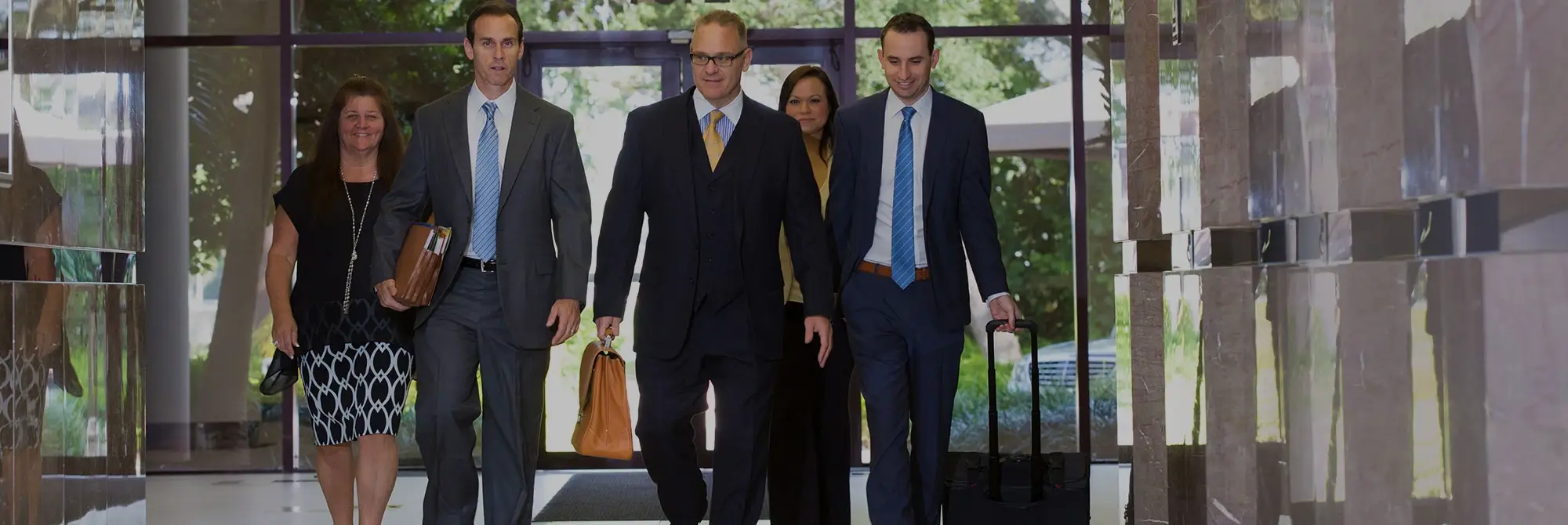
Nobody at the funeral home will give you a straight answer
Tell a lawyer what happened. We are at 1111 Brickell Avenue, 11th Floor, Miami, FL 33131, and the conversation costs nothing even if we tell you there is no case to bring.