



Rated top 10 best law firms in Florida






Over $200 million in settlements!


Best Personal Injury Settlements




WINNING IS NO ACCIDENT! 75 years of experience
FREE CASE EVALUATION
"*" indicates required fields
Florida Aviation Accident Lawyer
Florida Aviation Accident Attorney
Aviation accidents can cause catastrophic injuries, loss of life, and significant financial and emotional harm. These cases may involve commercial airlines, charter operators, private aircraft, helicopters, aircraft manufacturers, maintenance providers, airports, or government employees.
Determining liability after an aviation accident can require the application of Florida law, federal aviation regulations, federal claims procedures, product liability principles, and international treaties. A Florida aviation accident attorney can investigate the circumstances, identify potentially responsible parties, and determine which laws and filing deadlines apply.
How Is an Aviation Accident Defined?
Under 49 C.F.R. § 830.2, an aircraft accident is an occurrence associated with the operation of an aircraft that takes place between the time a person boards with the intention of flight and the time everyone has disembarked, and in which a person suffers death or serious injury or the aircraft receives substantial damage.
An aviation incident is an occurrence other than an accident that affects or could affect the safety of aircraft operations. The legal rights of an injured person do not depend solely on how investigators classify the event. Injuries sustained during boarding, flight, turbulence, an emergency landing, or disembarkation may still require a separate legal evaluation.
What Can Cause an Aviation Accident in Florida?
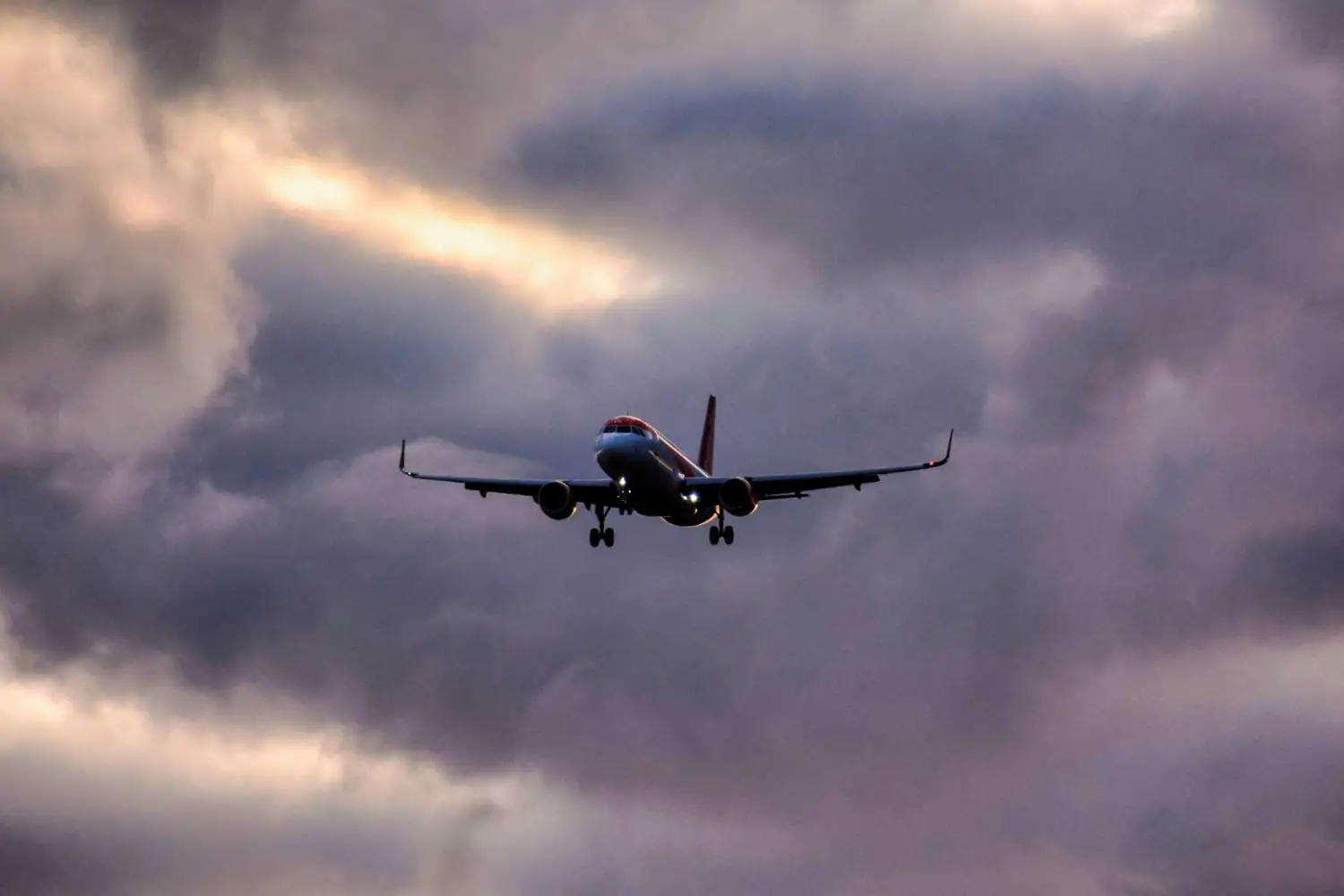
Aviation accidents may result from one or more factors, including:
- Pilot error or inadequate flight-crew training;
- Aircraft design or manufacturing defects;
- Defective engines, instruments, or component parts;
- Inadequate inspection, repair, or maintenance;
- Air traffic control errors;
- Failure to comply with applicable federal aviation regulations;
- Unsafe airport or runway conditions;
- Fuel contamination or exhaustion;
- Severe weather or inadequate weather information; and
- Operational or corporate safety failures.
The cause cannot be assumed before the evidence is evaluated. Flight data, maintenance records, weather information, air traffic control communications, witness accounts, aircraft components, and official investigative materials may all be relevant.
Who Investigates Aviation Accidents?
The National Transportation Safety Board investigates civil aviation accidents in the United States and selected aviation incidents. Its safety investigation is intended to determine the facts and probable cause and to issue safety recommendations.
The Federal Aviation Administration is automatically a party to NTSB aviation investigations and may address regulatory, certification, or enforcement matters within its authority. The NTSB and FAA do not jointly decide civil liability or award compensation to injured passengers.
The NTSB does not investigate criminal activity. If the evidence indicates that an accident may have resulted from an intentional criminal act, the FBI or another law enforcement agency may assume responsibility for the criminal investigation.
Official safety findings can provide important information, but an attorney must conduct an independent investigation to determine civil liability and preserve evidence relevant to a damages claim.
Potentially Liable Parties in an Aviation Accident Case
The parties who may be legally responsible depend on the cause of the accident and their relationship to the aircraft or flight. Potentially responsible parties may include:
- The aircraft owner or operator;
- A commercial airline or charter company;
- The pilot or other flight-crew members;
- An aircraft or component manufacturer;
- A maintenance, inspection, or repair provider;
- An airport or fixed-base operator;
- A fuel supplier;
- A contractor responsible for flight or ground operations; or
- The United States, when an actionable negligent act or omission of a federal employee occurred within the scope of employment and the requirements of the Federal Tort Claims Act are satisfied.
Liability is not automatic merely because an accident occurred. The applicable legal standard, available defenses, contractual relationships, federal requirements, and evidence must all be examined.
Claims Involving Air Traffic Controllers or Federal Employees
Air traffic controllers employed by the federal government generally are not sued individually for ordinary negligence committed within the scope of their employment. An actionable tort claim ordinarily proceeds against the United States under the Federal Tort Claims Act, subject to its administrative presentment requirement, exceptions, and other procedural rules.
Under 28 U.S.C. § 2401(b), a federal tort claim generally must be presented in writing to the appropriate federal agency within two years after it accrues. If the agency issues a final written denial, a lawsuit generally must be commenced within six months after the denial is mailed.
These federal deadlines and procedures differ from those applicable to an ordinary Florida negligence lawsuit. Not every government-related aviation loss is actionable because the Federal Tort Claims Act contains exceptions and limitations that must be analyzed individually.
Potential Damages in Aviation Accident Cases
Depending on the applicable law and the evidence, recoverable compensatory damages may include:
- Past and future medical expenses;
- Rehabilitation and life-care expenses;
- Past and future lost income;
- Reduced earning capacity;
- Physical pain and suffering;
- Mental anguish and emotional distress when legally recoverable;
- Disability, scarring, or disfigurement;
- Loss of enjoyment of life; and
- Wrongful death damages available to the estate and eligible statutory survivors.
Punitive damages are not automatically available whenever gross negligence is alleged. In a Florida case, punitive damages are governed by requirements including Florida Statutes § 768.72 and may be subject to the limitations in § 768.73. Punitive, exemplary, and other noncompensatory damages are not recoverable in an action governed by the Montreal Convention.
Domestic and International Aviation Claims
The law that governs an aviation injury depends in part on whether the transportation qualifies as domestic or international carriage and on the passenger’s complete ticketed itinerary.
Domestic aviation cases may involve Florida negligence, wrongful death, product liability, and damages law together with federal aviation standards. International passenger claims may be governed by the Montreal Convention of 1999, which modernized and largely replaced the older Warsaw Convention system for transportation between countries that are parties to the treaty.
Under Article 17 of the Montreal Convention, a carrier may be liable for the death or bodily injury of a passenger when the accident causing the injury occurred onboard the aircraft or during embarking or disembarking operations.
Article 21 establishes a two-tier system for passenger death or bodily injury:
- For proven damages up to 151,880 Special Drawing Rights, the carrier generally cannot exclude or limit its liability, subject to the Convention’s provisions, including contributory negligence.
- For proven damages above 151,880 Special Drawing Rights, the carrier may avoid liability for the excess only by establishing one of the defenses stated in Article 21(2).
The 151,880-SDR amount became effective on December 28, 2024, following the International Civil Aviation Organization’s inflation review. It is a liability threshold—not a general maximum on compensation for passenger death or bodily injury. The amount of recoverable damages must still be proven.
The outdated “willful misconduct removes the damages cap” explanation from the Warsaw Convention should not be used to describe a claim governed by the Montreal Convention.
Filing Deadlines for Aviation Accident Claims
Aviation cases may involve several different deadlines:
- Florida negligence claims: Under Florida Statutes § 95.11(5)(a), actions founded on negligence generally must be commenced within two years. The two-year period applies to causes of action accruing after March 24, 2023.
- Florida wrongful death claims: Under Florida Statutes § 95.11(5)(e), an action for wrongful death generally must be commenced within two years.
- Montreal Convention claims: Article 35 generally extinguishes the right to damages if an action is not brought within two years, calculated from the date of arrival at the destination, the date the aircraft should have arrived, or the date carriage stopped.
- Federal Tort Claims Act matters: A written administrative claim generally must be presented to the appropriate federal agency within two years, followed by a separate six-month filing period after a final written denial.
Other notice periods, contractual requirements, or statutes may also apply. The correct deadline should be determined as soon as possible because waiting can jeopardize the right to pursue a claim.
Wrongful Death Claims After a Fatal Aviation Accident
Florida does not authorize individual family members to file a wrongful death action independently. Under Florida Statutes § 768.20, the decedent’s personal representative files the action and must identify the statutory survivors and their relationships to the decedent.
The personal representative pursues the case for the benefit of the decedent’s estate and eligible survivors. The damages recoverable by each survivor depend on the categories and conditions stated in Florida Statutes § 768.21. They may include certain lost support and services, medical or funeral expenses, and other damages authorized for the applicable survivor category.
When the Montreal Convention applies, its provisions must also be considered in determining the carrier’s liability and the damages recoverable through the wrongful death action.
How Can a Florida Aviation Accident Lawyer Help?
An aviation attorney may assist by:
- Preserving physical, electronic, photographic, and documentary evidence;
- Reviewing NTSB dockets, preliminary reports, and final reports;
- Obtaining flight, maintenance, inspection, training, and operational records;
- Reviewing air traffic control communications and weather information;
- Working with aviation, engineering, medical, and damages experts;
- Determining whether Florida law, federal law, or an international treaty governs the claim;
- Identifying the correct defendants and forum;
- Calculating all applicable notice and filing deadlines;
- Documenting the claimant’s economic and noneconomic losses; and
- Negotiating a settlement or preparing the case for trial.
The NTSB’s safety investigation does not replace the investigation required to establish civil liability. Prompt legal action can be important because aircraft components may be moved, repaired, tested, or released after investigators complete their work.
Preserving Evidence After an Aviation Accident
A Florida aviation accident lawyer can send preservation notices, identify relevant records, monitor the official investigation, and work with appropriate experts. Potential evidence may include:
- Aircraft wreckage and component parts;
- Flight data and cockpit voice recordings when available;
- Maintenance, inspection, and repair records;
- Pilot qualifications, training records, and duty-time information;
- Air traffic control communications;
- Weather reports and forecasts;
- Airport surveillance recordings;
- Passenger and witness statements;
- Medical records; and
- NTSB investigative docket materials.
No person should interfere with wreckage or evidence controlled by the NTSB or another investigating authority. Evidence preservation must comply with the directions of the agency responsible for the investigation.
Contact a Florida Aviation Accident Attorney
The Law Offices of Wolf & Pravato can evaluate your Florida aviation injury or wrongful death claim, identify the potentially applicable laws, and explain your legal options.
To schedule a free case evaluation, call (954) 633-8270. Attorney fees and costs are governed by the written representation agreement and applicable law.
Frequently Asked Questions
What can cause an aviation accident in Florida?
Potential causes include pilot error, mechanical failure, inadequate maintenance, aircraft or component defects, air traffic control errors, unsafe airport conditions, regulatory violations, and severe weather. The cause must be determined from the evidence rather than assumed.
Who files a wrongful death lawsuit after a fatal plane crash?
Under Florida law, the decedent’s personal representative files the wrongful death action for the benefit of the estate and eligible statutory survivors. Individual family members do not file separate wrongful death actions independently.
How does an aviation accident lawyer investigate a case?
An attorney may review flight and maintenance records, NTSB docket materials, air traffic control communications, weather information, witness statements, medical evidence, and expert analyses to determine the cause and identify potentially liable parties.
Can a passenger recover damages for emotional trauma?
Potential recovery depends on the applicable law and the facts. Claims governed by the Montreal Convention generally require death or bodily injury caused by an accident within the scope of Article 17; purely psychological harm without bodily injury presents substantial legal limitations. Domestic claims may be governed by different rules.
Do aviation accident cases always go to trial?
No. Some cases are resolved through negotiated settlements, while others require litigation or trial. The appropriate course depends on the evidence, applicable law, available insurance, and positions taken by the responsible parties.
What happens if a defective aircraft component caused the accident?
An injured person or the personal representative in a fatal case may have a product liability claim against an aircraft or component manufacturer, depending on the evidence and applicable law. Maintenance providers or other parties may also be responsible if their conduct contributed to the failure.
Recent Posts
- Wrong Burial Plot and Grave-Site Errors in Fort Lauderdale

- Rainwater Falls at Fort Lauderdale Store Entrances

- Parking-Lot Backing Crashes in Fort Lauderdale: Who Has the Right of Way?
- Elevator and Escalator Injuries at Fort Lauderdale Shopping Centers
- Delivery Driver Car Accidents in Lakeland: Who Pays?

- Injured as a Passenger in Fort Lauderdale: Whose Insurance Pays?





FLORIDA’S PERSONAL INJURY ATTORNEYS FOR + 20 YEARS