










Pre-Paid Funeral Plan Refund Disputes in Florida
Florida pre-paid funeral plans — also called pre-need contracts — are designed to lock in funeral services and prices today for a service that may not be needed for years or decades. The plans are heavily regulated under Florida law because the funeral home holds the family’s money for a long time and is supposed to deliver services when the loss eventually happens. When something goes wrong with the plan — the family wants to cancel, the funeral home substituted lower-tier services, or the establishment closed — the family’s right to a refund is governed by Florida’s specific pre-need framework. A Boynton Beach funeral home negligence lawyer and our broader team see these disputes regularly across Palm Beach, Broward, and Miami-Dade.
How Florida’s Pre-Need Trust Fund Actually Works
Under Florida Statutes Chapter 497, funeral establishments that sell pre-need contracts in Florida must deposit a substantial percentage of the family’s payments into a state-regulated trust fund. The trust is administered through state-approved trustees and exists specifically to protect the family if the funeral home fails to deliver. Families often do not realize the trust exists, and funeral homes sometimes do not volunteer the information when a dispute arises. The trust is one of Florida’s strongest consumer protections.
When a Pre-Paid Plan Can Be Cancelled
Florida law provides specific cancellation rights for pre-paid funeral plans. Families typically have a right to cancel and receive a refund of trust-deposited amounts, subject to whatever non-refundable portions are clearly disclosed in the contract. The exact refund amount depends on the contract terms and the trust deposit history. Cancellation rights apply when the family moves out of state, when the family changes its mind about the establishment, when the establishment changes ownership, or for many other reasons that the contract typically does not enumerate but Florida law generally protects.
When the Funeral Home Refuses a Refund
Funeral homes sometimes refuse refunds by pointing to clauses in the printed contract that the family did not understand at signing. Florida law treats these refusals skeptically when the underlying trust money is still available. A funeral home that holds back a refund the family is entitled to under Florida law may be in violation of Chapter 497 and may also face civil liability. Our team often resolves these disputes through written demand letters that explain the Florida framework — many establishments fold immediately when they realize the family understands their rights. See our broader pre-need contract violations coverage for the related framework.
The Florida Cemetery and Funeral Trust Fund Families Often Forget
Florida’s state-regulated trust fund framework includes both individual establishment trusts and broader industry trust mechanisms that families often forget. When an establishment closes and the individual trust does not cover the family’s full claim, additional recovery sources may be available — including industry-wide funds, insurance backing, and state guarantee mechanisms. The full landscape is not obvious from the funeral home’s own paperwork, and families often need an attorney to map out all available recovery sources.
What Happens When the Funeral Home Has Closed
When the Florida funeral home that sold the pre-paid plan has closed, the family’s rights typically follow the trust fund rather than the closed establishment. Families file claims with the trustee, the state board, or successor establishments. The pre-need trust money is generally protected from the closed funeral home’s creditors because it belongs to the families, not the funeral home. Recovery is often possible even when the establishment itself is bankrupt or dissolved.
Common Refund Disputes We See
- Family moved out of Florida and the funeral home refuses to refund or transfer the plan.
- Family changed its mind about the establishment after a change of ownership and the new owner refuses to honor the cancellation.
- Funeral home held back a refund by citing a non-refundable clause that was not clearly disclosed at signing.
- Funeral home substituted lower-tier services at the time of the funeral, and the family wants the difference refunded.
- Pre-paid plan paid into for years where the trust deposits do not match the payment history.
- Plan covers products (urns, caskets) that the establishment cannot deliver and refuses to refund.
Steps to Take Right Away
- Locate the original pre-need contract and every payment record you have.
- Save any cancellation request you made and the funeral home’s response.
- Request the trust deposit history in writing from the funeral home or Florida’s state funeral board.
- Do not sign any release or final settlement without legal review.
- Avoid accepting a substituted lower-tier service at the time of the funeral; insist on either the original or a documented refund.
- Contact a Florida funeral home negligence lawyer if the establishment refuses to refund.
How to Read a Florida Pre-Need Contract
Florida pre-need contracts must include specific disclosures under Chapter 497 — total price, services covered, products selected, refund terms, trust deposit information, and cancellation rights. Reading a Florida pre-need contract carefully usually reveals whether the funeral home is positioned to perform the contract or whether refund disputes are likely. Vague service descriptions, undisclosed substitution rights, and aggressive non-refundable clauses are common signs of contracts that will eventually produce disputes. Families that bring contracts to us for review before signing often avoid problems entirely.
When the Funeral Home Substitutes Services on the Day of the Funeral
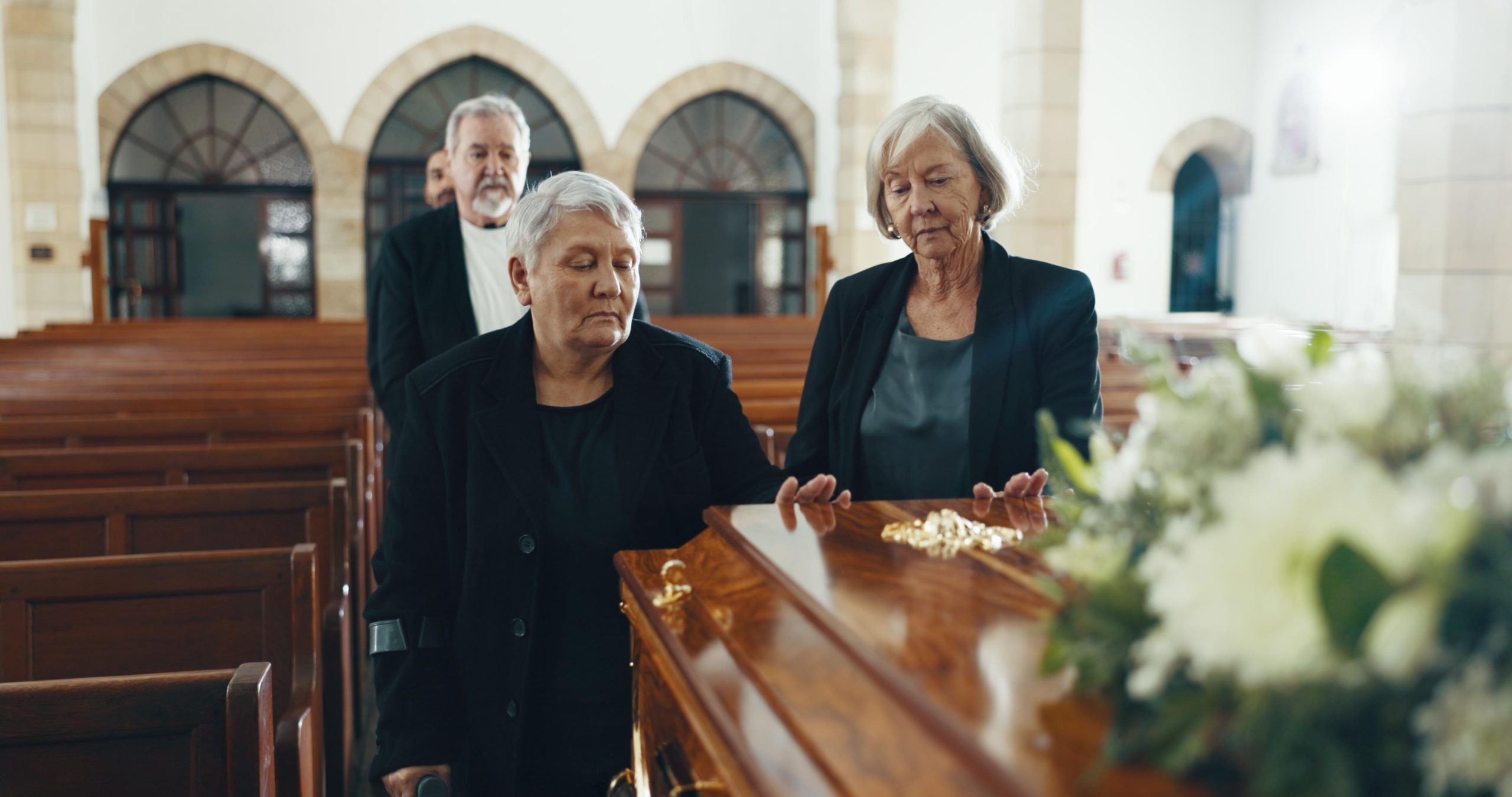
Substitution at the time of the funeral — the family contracted for a specific casket, urn, or service tier and arrives to find the funeral home is delivering something different — is one of the most painful scenarios because the family is in grief and rarely positioned to insist on the original. Florida law generally entitles the family to either the original or the difference in value if substitution occurred without disclosure. Documenting the substitution at the time, refusing to sign any waiver of the difference, and contacting an attorney promptly preserves the family’s claim.
Pre-Need Plans Bought Through Hispanic Community Channels
Pre-need plans are often sold through community events, churches, and cultural organizations in Florida’s Hispanic communities. These sales typically involve a bilingual conversation followed by an English written contract. When disputes arise, the family often holds documentation only in Spanish — community flyers, payment receipts, and notes from the original conversation. Our bilingual team handles these cases regularly and documents the original Spanish-language sale to support the family’s claim.
When the Funeral Home Sold Different Plans to Different Family Members
Florida sometimes sees families discover after a loss that the deceased had pre-need plans with multiple funeral homes — perhaps one bought through a community event years ago and another bought through a different establishment more recently. Coordinating these competing plans is part of the recovery process. Our team identifies all plans the deceased may have purchased and pursues recoveries from each as appropriate.
How Florida’s Cooling-Off Period Works for Pre-Need Sales
Florida pre-need contract sales include a statutory cooling-off period during which the family can cancel without penalty. The cooling-off period gives families time to reconsider high-pressure sales pitches and to consult with an attorney or trusted advisor before committing. Families who cancelled within the cooling-off period and were denied a refund have particularly strong claims under Chapter 497.
When a Family Inherits a Pre-Need Plan
Florida pre-need plans are sometimes inherited from parents or grandparents who pre-paid for their own funerals. The new family member may not know the plan exists until they find paperwork after a loss. Florida law generally allows inherited beneficiaries to claim the original plan’s services or, in some circumstances, a refund. The exact rights depend on the contract terms and Florida’s framework. Families that discover an inherited plan should review the documents with an attorney before contacting the funeral home, because how the family approaches the conversation often shapes how the funeral home responds.
When the Funeral Home Was Sold to a Different Operator
Florida pre-need plan sales sometimes transfer to a new owner when the establishment is sold. The new operator typically inherits the obligation to deliver the contracted services. When the new operator refuses to honor the prior establishment’s plan, the family has both contract and consumer protection claims. Our team identifies the chain of ownership and pursues recovery from the proper successor.
Why Many Refund Disputes Resolve Without Filing Suit
A significant share of Florida pre-need refund disputes resolve through a well-drafted demand letter that explains the trust framework and the family’s rights. Funeral homes that received a clear letter from an attorney often realize that fighting the refund is more expensive than paying it. When the demand letter does not resolve the case, the family’s next step is either a state board complaint, a civil lawsuit, or both.
When to Call a Florida Funeral Home Negligence Lawyer
Many pre-need refund disputes resolve through a written demand letter that explains Florida’s framework. Others require formal litigation or a state board complaint. A free case review with our team identifies which path is most likely to recover the family’s money. Talk to our team and we will walk through the contract and the trust history together.
FAQs
Q1. Can I get my money back if I cancel a Florida pre-paid funeral plan?
Often yes. Florida law protects family’s trust-deposited amounts in most cancellation scenarios, subject to contract terms and clearly disclosed non-refundable portions.
Q2. What if the funeral home refuses to refund?
Florida law treats these refusals skeptically when trust money is available. A demand letter from an attorney often resolves the dispute; if not, a civil claim or state board complaint may be needed.
Q3. How do I find out how much money is in my pre-need trust?
Request the trust deposit history in writing from the funeral home or the state board. Florida requires the establishment to maintain accurate records.
Q4. What if the funeral home closed before I needed the services?
Pre-need trust money is generally protected from the establishment’s creditors. Recovery is typically available through the trustee, successor establishments, or state mechanisms.
Q5. Can I transfer my pre-paid plan to a different establishment?
Often yes, particularly when the original establishment changed ownership or closed. The exact mechanism depends on the contract and the state’s framework.
Q6. What if the funeral home substituted lower-tier services at the time of the funeral?
The family is generally entitled to the difference between what was paid for and what was delivered. Substitution without disclosure is a common ground for refund claims.
Q7. What does a pre-paid plan consultation cost?
Nothing. The case review is free, and we work on a contingency basis — no fee unless we recover.
Recent Posts
- Wrong Burial Plot and Grave-Site Errors in Fort Lauderdale

- Rainwater Falls at Fort Lauderdale Store Entrances

- Parking-Lot Backing Crashes in Fort Lauderdale: Who Has the Right of Way?
- Elevator and Escalator Injuries at Fort Lauderdale Shopping Centers
- Delivery Driver Car Accidents in Lakeland: Who Pays?

- Injured as a Passenger in Fort Lauderdale: Whose Insurance Pays?





FLORIDA’S PERSONAL INJURY ATTORNEYS FOR + 20 YEARS