Dog Bite Laws in Lakeland: Florida's Strict Liability Statute Explained
 By Richard P. Pravato, Board Certified in Civil Trial Law Published April 14, 2026
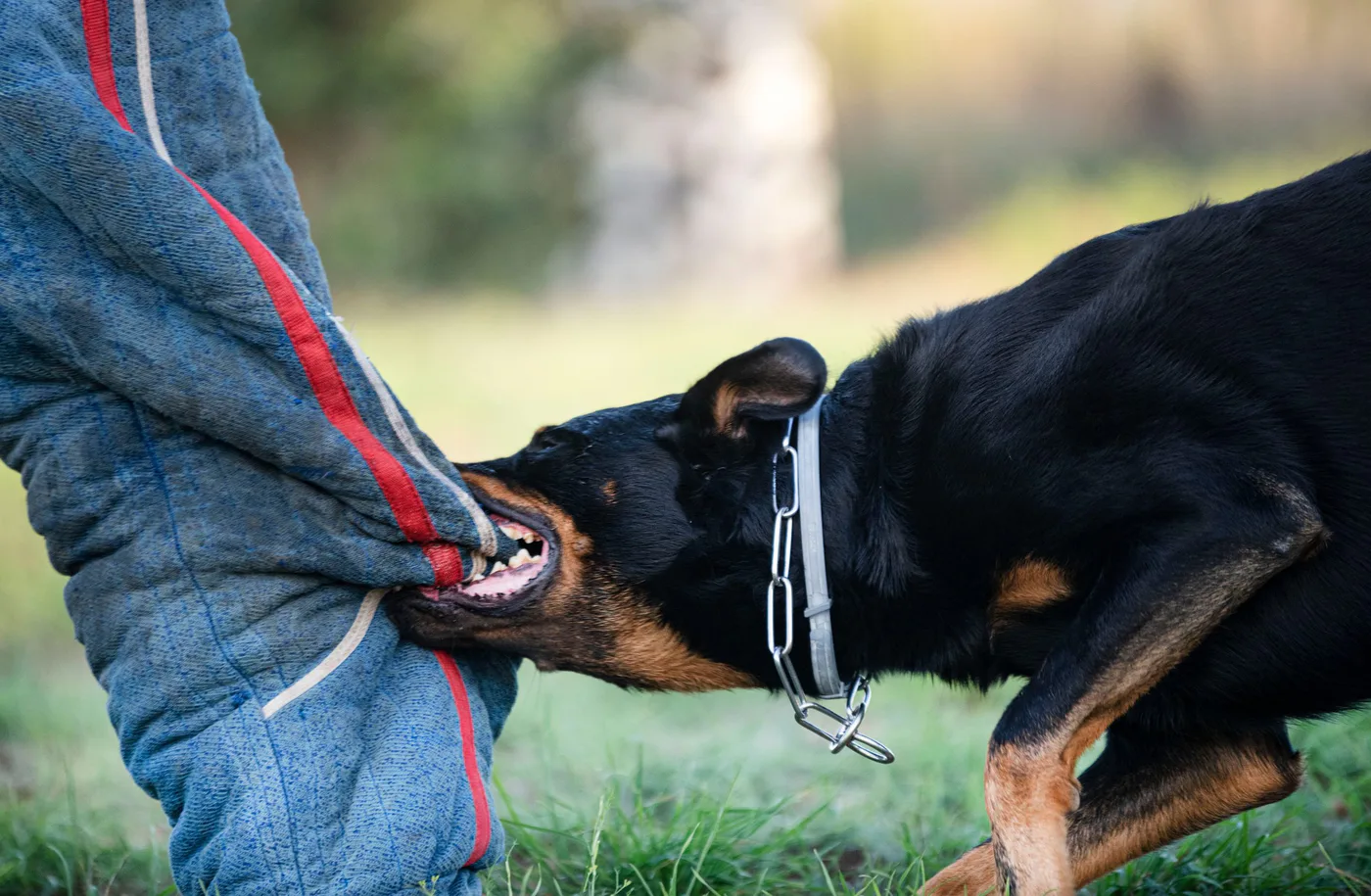
A dog bite can happen without warning — at a neighbor’s home, on a Lakeland walking trail, or outside a local business. The injuries can range from puncture wounds and scarring to nerve damage and lasting psychological trauma. When that happens, Florida law gives bite victims a powerful legal protection that many states do not offer: strict liability.
Understanding how Florida’s dog bite statute works — and what it means for your claim — is the first step toward knowing your options. If you or a family member was bitten in the Lakeland area, a Lakeland personal injury lawyer at Wolf & Pravato can help you evaluate your situation. Call 844-643-7200 — pay nothing unless we win.
Florida Does Not Have a “One Free Bite” Rule
Some states follow what is known as the “one bite rule” — a legal standard that shields a dog owner from liability the first time their dog bites someone, on the theory that the owner had no prior reason to know the dog was dangerous. Florida expressly rejected this approach.
Under Florida law, a dog owner can be held liable for a bite injury even if the dog had never shown aggression before and even if the owner had no knowledge that the dog posed any risk. The injured person does not need to prove that the owner knew the dog was dangerous. That is what “strict liability” means in this context: liability attaches based on the fact of the bite, not based on prior notice of danger.
What Florida’s Strict Liability Statute Actually Says
Florida’s dog bite strict liability statute (§ 767.04) establishes that a dog owner is liable for damages if:
- Their dog bites another person
- The bite occurs in a public place or on private property where the person was lawfully present
- The injured person did not provoke the dog
The statute covers both public spaces — sidewalks, parks, trails, shopping centers — and private property, including the owner’s own home, as long as the person bitten was there lawfully (invited guests, delivery personnel, service workers, and similar visitors generally qualify).
When Strict Liability Applies
Strict liability applies when all three conditions are met: the dog bit someone, the person was where they had a right to be, and the person did not provoke the attack. A neighbor visiting for a cookpit, a mail carrier walking up to the front door, or a child playing in a friend’s yard may all fall within the statute’s protection.
When It May Not Apply: The Negligence Comparative Fault Defense
The statute includes a comparative negligence provision. If the injured person was found to have contributed to their own injury — for example, by provoking the dog or ignoring warning signs — the owner may raise that as a defense. Florida’s comparative fault framework applies: if you were 20% responsible for the incident, your recovery may be reduced by 20%. If your fault exceeded 50%, a damage bar may apply under Florida’s modified comparative negligence standard.
Separately, if a property displayed a clearly readable “Bad Dog” warning sign, this may limit the owner’s liability in some circumstances — though this provision has exceptions and does not apply to children under six years old.
What to Do Immediately After a Dog Bite in Lakeland

What you do in the hours and days following a dog bite can significantly affect your ability to document a claim. Follow these steps:
- Seek medical care right away — Dog bites carry a real risk of infection, including the potential need for rabies prophylaxis depending on the dog’s vaccination status. Medical records from prompt treatment also document the injury’s timing and severity.
- Identify and document the dog and owner — Get the owner’s name, address, and contact information. Ask for the dog’s vaccination records, specifically rabies vaccination history.
- Report the bite to Polk County Animal Control — Filing an official report creates a government record of the incident and triggers an investigation into the dog’s history.
- Photograph your injuries — Take photos immediately and again as the injuries evolve. Swelling, bruising, puncture wounds, and scarring should all be documented with dated images.
- Gather witness information — Anyone who witnessed the attack or its immediate aftermath may be important to your claim.
- Preserve clothing and personal items — If your clothing was torn or bloodied during the attack, keep it. Do not wash it.
- Avoid recorded statements to insurers — The dog owner’s homeowner’s insurance may contact you quickly. Speak with an attorney before making any recorded statements about the incident.
What Damages May Be Available After a Florida Dog Bite
Florida’s strict liability statute establishes the owner’s responsibility — but the full scope of your potential recovery depends on the nature and severity of your injuries. Damages that may be available in a dog bite claim include:
- Medical expenses — Emergency treatment, wound care, surgery, infection treatment, and any reconstructive procedures related to scarring or disfigurement
- Future medical costs — Ongoing care, therapy, or corrective procedures anticipated as a result of the injury
- Lost income — Wages lost during recovery, or earning capacity reduced by permanent injury
- Pain and suffering — Physical pain, emotional distress, and the ongoing impact of the injury on daily life
- Psychological trauma — Post-traumatic stress, anxiety, or fear of dogs that may require professional treatment
- Scarring and disfigurement — Particularly relevant for facial injuries or injuries to visible areas of the body
The Florida personal injury attorneys at Wolf & Pravato can help evaluate the full range of damages that may apply to your specific situation. No two cases are identical, and the value of a claim depends on the facts, the medical documentation, and the extent of the injury.
Property Owner Negligence vs. Strict Liability — Is There a Difference?
Florida’s dog bite statute creates a strict liability pathway — but it is not the only legal theory available. In some circumstances, a claim may also be pursued under premises liability or general negligence principles.
For example, if a landlord knew a tenant’s dog had a history of aggression and failed to address that risk, the landlord might face liability under a negligence or premises liability and property owner negligence theory, even though the landlord did not own the dog. Similarly, if a business owner allowed a known aggressive dog onto their property and a customer was bitten, there may be a negligence claim separate from the strict-liability statute.
These theories can sometimes extend liability beyond the dog’s direct owner to other parties who had control over the premises or the animal.
Common Defenses Dog Owners and Insurers Use
Even under a strict liability framework, dog owners and their insurers may raise defenses designed to limit or eliminate the payout. Common arguments include:
- Provocation — Claiming the injured person teased, cornered, or otherwise provoked the dog before the bite
- Trespassing — Arguing the injured person was not lawfully on the property at the time of the bite
- Warning sign — Asserting that a visible “Bad Dog” notice was posted (though this defense has limitations and does not protect against claims by young children)
- Comparative fault — Arguing the injured person’s own actions contributed to the attack and should reduce damages proportionally
Each of these defenses requires factual rebuttal — witness accounts, photographs, the absence of any posted signs, and documentation of why the injured person was lawfully present — all of which matter.
How Long You Have to File a Dog Bite Claim in Florida
Time limits apply. Under Florida’s statute of limitations for negligence (§ 95.11), most personal injury claims — including dog bite cases — must be filed within two years of the date of the injury. Missing this deadline can permanently bar your ability to pursue compensation, regardless of how serious your injuries are.
Beyond the filing deadline, acting quickly matters for practical reasons: animal control records can be hard to access later, witnesses’ memories fade, and photographic evidence of the wound’s severity is most powerful when gathered soon after the injury.
FAQs: Dog Bite Laws in Lakeland and Florida
Does Florida’s strict liability apply if I was bitten at a dog park?
A dog park is generally a public space, which means Florida’s strict liability statute would typically apply — as long as you were there lawfully and did not provoke the dog. An attorney can evaluate the specific circumstances of your situation.
What if the dog that bit me was not on a leash?
An unleashed dog in a public space or area where leash laws apply may support both a strict liability claim under § 767.04 and an independent negligence argument based on the owner’s failure to restrain the animal. Polk County and the City of Lakeland have local ordinances governing animal control that may be relevant.
Can I file a claim if I was bitten by a dog while working — delivering a package, for example?
Yes. Delivery workers, postal carriers, and other service personnel who are lawfully on private property in the course of their duties generally fall within the protection of Florida’s strict liability statute. Their presence is authorized by the nature of their work.
What if a child was bitten? Are the rules different?
Minor children are entitled to the same strict liability protections as adults. Importantly, the “Bad Dog” warning sign defense that may be available to owners in adult cases does not apply when the injured person is under six years old under the statute.
Does the dog owner’s homeowner’s insurance typically cover a bite claim?
Many standard homeowner’s insurance policies include coverage for dog bite liability claims. The coverage limits and specific policy terms vary. An attorney can help identify the applicable insurance and evaluate whether the coverage is adequate relative to the injury.
What if I know the dog owner personally — does that complicate a claim?
A claim against a neighbor or family friend is understandably uncomfortable. Practically speaking, you are typically making a claim against their insurance policy, not personally against them. An attorney can help navigate this situation professionally.
How much is a Florida dog bite claim worth?
There is no standard answer. Claim value depends on the severity of the injuries, the extent of medical treatment required, lost income, psychological impact, and whether permanent scarring or disfigurement resulted. An attorney can help evaluate the specific damages in your situation.
Talk to a Lakeland Personal Injury Lawyer About Your Dog Bite Claim
Florida’s strict liability statute was designed to protect bite victims — but navigating an insurance claim, documenting damages, and countering the defenses that owners and insurers commonly raise still requires experienced legal help.
Wolf & Pravato has recovered over $200 million for injury victims across Florida. Our team serves the Lakeland area and handles dog bite injury claims on a contingency fee basis — you pay nothing unless we win. Request a case evaluation today and get a clear picture of your options.
Call 844-643-7200.
Related reading
 Claims and Settlements
Miami Dog Bite Claims: Homeowner Insurance and Renters' Policies
Richard P. Pravato  Claims and Settlements
 Florida's Dog Bite Statute 767.04: Strict Liability vs. the One-Bite Rule
Richard P. Pravato  Claims and Settlements
 Is Florida a Strict Liability State for Dog Bites?
Richard P. Pravato