










Fort Myers Property Damage: Total Loss Valuation, GAP Insurance, and Rental Reimbursement
A serious crash can leave you dealing with more than just repair estimates. Many drivers in Fort Myers suddenly have to figure out whether the insurance company will declare the vehicle a total loss, whether a gap insurance claim may help if they owe more than the car is worth, and whether rental reimbursement loss of use coverage can help keep them on the road while the claim moves forward.
These issues can become even more stressful when the first settlement offer feels too low or when the family depends on that vehicle for work, school, childcare, and medical appointments. If you are facing this kind of situation after a collision, speaking with a car accident attorney in Fort Myers may help you better understand how the property damage side of the claim fits into the bigger legal and financial picture.
What Fort Myers drivers should know after a serious crash?
After a major collision, your vehicle may be declared a total loss if repairing it no longer makes practical or economic sense under the insurer’s evaluation. In Florida, insurers handling first-party total loss claims must follow recognized valuation methods, and, when deductions are taken, those deductions must generally be documented and itemized under Florida’s motor vehicle claim settlement rules. Rental reimbursement is usually optional coverage with policy limits, and GAP coverage may help with the difference between a vehicle’s actual value and the loan or lease payoff, depending on the contract.
That means three separate questions often matter right away:
- How much is the insurance company valuing the vehicle at?
- Will GAP coverage help if there is still a remaining balance?
- How long will rental coverage last, and what are the dollar limits?
6 steps to protect a property damage claim after a Fort Myers crash
- Report the accident promptly to the insurance company.
- Take detailed photos of the vehicle before repairs, salvage transfer, or disposal.
- Save financing documents, lease paperwork, and any GAP contract.
- Keep receipts for upgrades, tires, maintenance, and recent repairs.
- Review your policy for collision, rental reimbursement, deductible, and transportation expense terms.
- Do not rush to accept a low offer before carefully reviewing the valuation report.
Early documentation can make a real difference. A total loss valuation may depend on mileage, trim package, condition, options, and comparable vehicles used in the report. If those details are wrong, the offer may be lower than it should be.
If you need help reviewing the paperwork or understanding the next step, you can contact us to discuss your situation.
When is a vehicle considered a total loss?
In practical terms, a vehicle is often considered a total loss when the insurer determines that repairing it is not cost-effective relative to its pre-loss value. This can happen when the visible damage is severe, when hidden structural damage is likely, or when the expected repair costs approach or exceed the vehicle’s value.
That does not automatically mean the insurer’s first number is correct. A low total loss offer may be tied to poor comparables, incorrect mileage, missing options, or unfair condition adjustments. For many drivers, the biggest shock comes when the settlement amount does not match what they still owe on the loan.
How total loss valuation usually works in Florida
Florida law sets out the methods insurers may use when adjusting first-party total-loss claims. They may rely on comparable local vehicles, recognized databases or guide sources, or dealer quotations, depending on the claim. Florida law also explains that a comparable vehicle should generally be from the same manufacturer, of the same or newer model year, with a similar body type, similar options, similar mileage, and in as good or better overall condition, available within a reasonable distance of the insured’s residence under Florida’s motor vehicle claim settlement rules.
Actual cash value vs. what you still owe
One of the most frustrating aspects of a total loss car accident claim is that the insurer may focus on actual cash value, while the lender focuses on the remaining payoff balance. Those two numbers are often very different. A driver may still owe thousands more than the vehicle’s market value, especially if the loan is newer, has a long repayment term, or includes rolled-over negative equity from a prior vehicle.
In other words, the total loss payment may not be enough on its own to satisfy the full loan balance. That is where GAP coverage sometimes becomes important.
Comparable vehicles, condition, mileage, and options
The insurer’s valuation should reflect the real characteristics of your vehicle before the crash. That may include mileage, trim level, factory packages, aftermarket improvements, tire condition, prior maintenance, and overall appearance. The Florida Department of Financial Services explains in Florida’s automobile insurance toolkit that insurance companies commonly compare similar vehicles by manufacturer, model year, body type, condition, options, and mileage within a reasonable distance.
If those comparables are not truly comparable, the offer may be understated. That is why it is often worth reviewing the valuation report line by line instead of assuming the insurer’s figure is fixed.
Itemized deductions and valuation disputes
Another important point is that deductions should not be vague. Under Florida law, if the insurer applies deductions in the total loss process, those deductions generally must be itemized and expressed in dollar amounts. That can matter when a vehicle owner believes the company made unfair deductions for condition, prior wear, or other factors under Florida’s motor vehicle claim settlement rules.
In many cases, the dispute is not only about whether the car is a total loss. It is about whether the total loss valuation is accurate and supported.
What GAP insurance may and may not pay
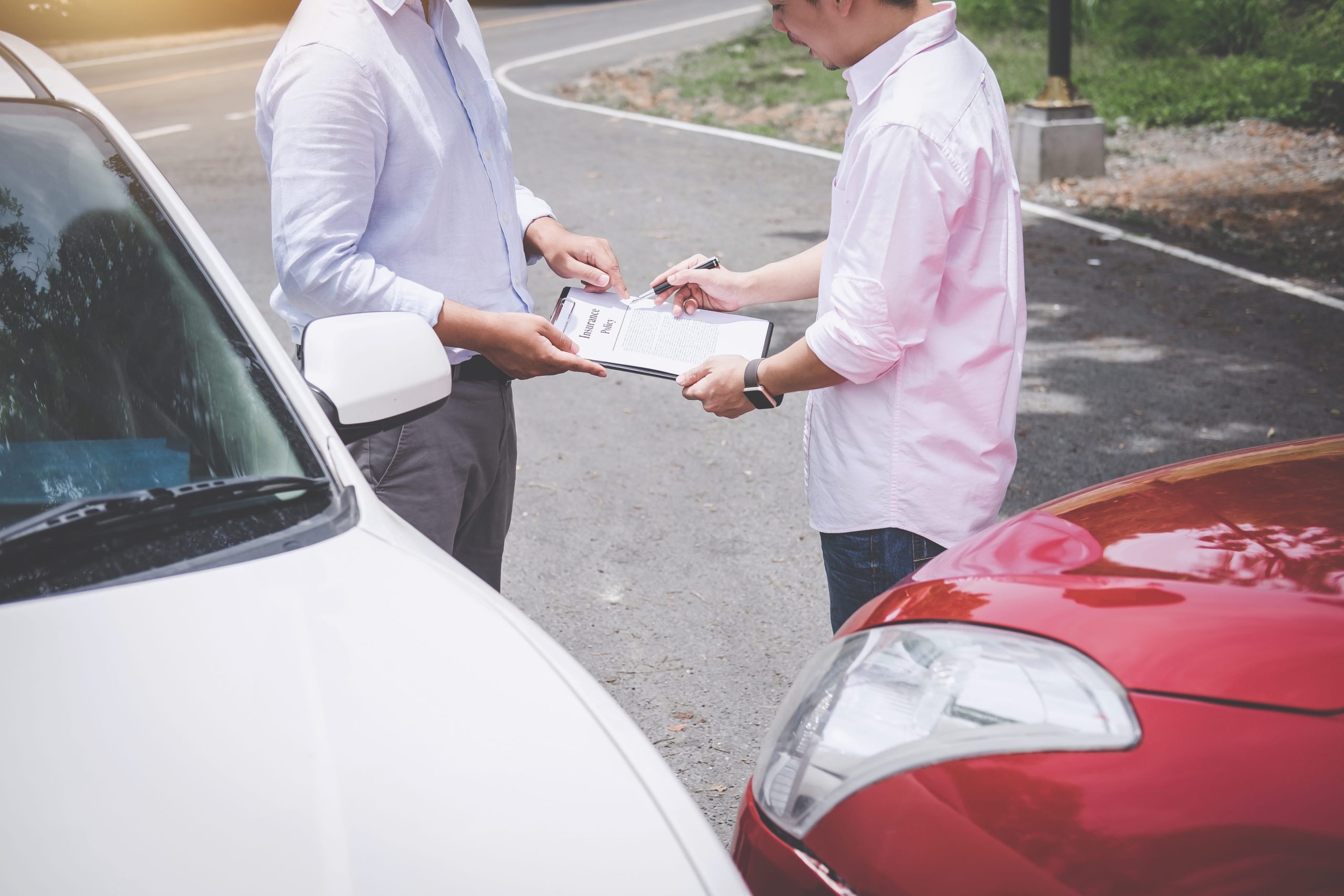
GAP insurance is designed to cover the difference between a vehicle’s value and the amount still owed on the loan or lease. If your insurer pays actual cash value and that amount is lower than the remaining payoff, GAP coverage may help cover the shortfall, depending on the policy or contract terms.
However, a gap insurance claim is not always automatic, and it does not replace the need to review the total loss valuation carefully. Some contracts have exclusions, limits on covered charges, or restrictions involving overdue payments, negative equity from prior loans, warranties, service contracts, or other rolled-in amounts. That means two separate reviews may be necessary at the same time: whether the car was valued fairly and whether the GAP agreement applies to the remaining balance.
For drivers in Fort Myers, this issue can quickly become a major financial burden. Even after a crash that was clearly someone else’s fault, you may still be left trying to manage a loan payoff, transportation costs, and the pressure of dealing with multiple insurance representatives at once.
What rental reimbursement usually covers
Rental reimbursement can help, but it is not automatically included in every policy. The Florida Department of Financial Services explains in Florida’s automobile insurance toolkit that rental reimbursement is generally optional coverage and is normally available only if the policyholder purchased comprehensive and collision coverage. The same guidance explains that reimbursement is typically limited to the amounts stated in the policy.
In practice, that may mean:
- a daily rental cap,
- a maximum number of covered days,
- limits on the class or size of rental vehicle, and
- Reimbursement only after receipts are submitted.
Florida’s consumer guidance also explains that some insurers pay the rental company directly, while others require the insured to pay first and then seek repayment under Florida’s personal auto insurance overview. That is why it is important to read the policy language rather than assume the rental company will be paid upfront.
If the claim drags on, the rental issue can become just as stressful as the total loss issue. Families may have to choose between paying out of pocket, scaling back transportation, or accepting an early offer before they have had a real chance to challenge the insurer’s valuation.
What can delay payment on a property damage claim?
Payment delays are common in property damage claims, especially when liability is still under review or when multiple vehicles are involved. Delays may also happen when the at-fault driver’s policy limits are not clearly sufficient to cover all property damage claims. According to Florida’s personal auto insurance overview, delays can occur when multiple claimants are seeking recovery or when insurers need to evaluate the full scope of the losses before distributing available coverage.
These delays can create practical problems very quickly. You may be without a vehicle, still owe money on the totaled car, and be waiting on answers from more than one insurance company. That pressure can make it tempting to accept the first offer, even when the valuation or handling seems questionable.
Property damage issues are separate from your injury claim
Many Florida drivers assume that PIP will handle everything after a crash. It does not. Florida’s PIP law concerns injury-related benefits, such as certain medical and disability benefits, not payment to repair or replace the vehicle, under Florida’s PIP statute.
That distinction matters because a single crash may involve two very different tracks at once: the bodily injury side and the property damage side. If you are also dealing with physical injuries, lost income, or ongoing treatment, a Fort Myers personal injury attorney may help you understand how those issues interact and whether the insurer is trying to minimize one part of the case while you are focused on another.
Why hiring a lawyer may help after a Fort Myers crash
Property damage disputes can seem straightforward at first, but they often become more complicated once the valuation report, loan balance, rental expenses, and injury issues overlap. A lawyer may be able to help by reviewing the total loss paperwork, identifying weak comparables, preserving records that support a higher valuation, and dealing with insurers when communication slows down or the claim is undervalued.
Legal help may also matter when:
- The insurance company declares the vehicle a total loss too quickly,
- The valuation seems low compared with similar vehicles,
- GAP coverage is disputed,
- rental reimbursement ends before the claim is resolved, or
- The crash caused injuries and vehicle damage.
Insurance companies may treat property damage as a simple numbers issue. For the person who lost the vehicle, it is rare for it to be simple. Transportation problems can affect employment, childcare, treatment, and daily life. That is one reason many people decide to get help before accepting a settlement.
Why Wolf & Pravato
The Law Offices of Wolf & Pravato has 75+ years of combined experience serving injured people in Florida. When a crash leaves you dealing with a low total loss valuation, a disputed gap insurance claim, or questions about rental reimbursement loss of use, our team can help you better understand your options. Winning is no accident.
We understand that these cases are not just about vehicle paperwork. They are about financial pressure, missed work, transportation issues, and the stress of moving forward after a crash. Our firm helps clients push back when insurers undervalue claims, delay communication, or make the process more difficult than it should be. Pay nothing unless we win.
If you need help after a crash in Fort Myers, contact us today or call 844-643-7200.
Informational purposes only, not legal advice.
Frequently Asked Questions:
- What does total loss mean after a car accident?
It generally means the insurer has decided the vehicle should be settled as a loss instead of being repaired. That decision is usually based on the vehicle’s value, expected repair costs, and the insurer’s evaluation process. - Can I challenge a low total loss valuation?
Yes, in many cases, you can dispute the valuation if the insurer used poor comparables, wrong mileage, missing options, or unsupported deductions. Supporting documents may help strengthen that challenge. - Will GAP insurance always pay the difference on my loan?
Not always. GAP coverage depends on the language of the contract and may include exclusions or limits that affect the amount paid. - Is rental reimbursement automatic in Florida?
Usually not. It is commonly optional coverage and generally depends on the policy terms, the covered loss, and the stated limits. - Does PIP cover the cost of replacing my vehicle?
No. PIP is for injury-related benefits, not vehicle repair or replacement. - What documents help with a total loss dispute?
Photos, maintenance records, receipts for recent work, financing paperwork, option details, and the insurer’s valuation report can all be useful. - When should I call a Fort Myers car accident lawyer?
You may want legal guidance when the vehicle is declared a total loss, the offer seems too low, the insurer delays payment, GAP coverage is in question, or the accident also caused injuries.
Recent Posts
- Wrong Burial Plot and Grave-Site Errors in Fort Lauderdale

- Rainwater Falls at Fort Lauderdale Store Entrances

- Parking-Lot Backing Crashes in Fort Lauderdale: Who Has the Right of Way?
- Elevator and Escalator Injuries at Fort Lauderdale Shopping Centers
- Delivery Driver Car Accidents in Lakeland: Who Pays?

- Injured as a Passenger in Fort Lauderdale: Whose Insurance Pays?





FLORIDA’S PERSONAL INJURY ATTORNEYS FOR + 20 YEARS