












Crash Evidence That Holds Up: Dashcam, Vehicle Data, and Phone Records in Fort Lauderdale Claims
After a crash, it’s common to hear different stories about what happened—especially when drivers are stressed, injured, or trying to make sense of a fast-moving event. That’s where objective evidence can make a difference.
Dashcam video, vehicle “black box” (event data recorder) information, and phone records can help clarify key questions like: Who had the right of way? How fast were the vehicles moving? Was the driver distracted? But this evidence is also easy to lose if you don’t act quickly.
If you’re dealing with a serious crash or an insurance dispute, talking to Fort Lauderdale car accident lawyers can help you preserve and use the evidence that supports your claim—without relying on guesswork.
Quick checklist: preserve evidence in the first 48 hours
Use this as your “do it now” list after a Fort Lauderdale crash:
- Get medical care first and follow up promptly if symptoms change.
- Photograph everything: vehicle damage, road conditions, traffic controls (when safe), and visible injuries.
- Save dashcam footage immediately (download it, back it up, and keep the original card/camera).
- Do not repair, delete, or reset vehicle systems until evidence is preserved (when practical).
- Write down witness names and contact details (or record a short voice memo).
- Request/secure your crash report when available and keep a copy (see FLHSMV traffic crash reports).
- Keep a simple timeline: symptoms, medical visits, missed work, and insurer contacts.
- Avoid posting about the crash on social media while your claim is ongoing.
For additional immediate next steps, see Steps after a crash.
Why “hard evidence” matters more than opinions
Insurance claims often turn into a “he said / she said” when:
- There are no neutral witnesses
- Drivers remember events differently
- The crash happened quickly (lane changes, left turns, rear-end chain reactions)
- Injuries and shock affected perception
Hard evidence helps because it’s time-stamped, measurable, and harder to argue with than a recollection. It can support:
- Liability (who caused the crash)
- Comparative fault arguments (who shared blame)
- Damages (severity, force of impact, injury consistency)
- Credibility (consistency of your account with objective data)
Dashcam evidence that helps (and common mistakes)
Dashcams can be powerful—but only if the video is preserved and presented correctly.
What dashcam footage can show
- Traffic signals and right-of-way
- Lane positions and unsafe lane changes
- Speed patterns (sometimes inferred by time/distance, not always displayed)
- Braking behavior and following distance
- Weather and visibility
- What happened before impact (often the most important part)
The biggest dashcam mistake: waiting too long
Many dashcams loop-record. That means older video gets overwritten—sometimes within hours or days depending on the memory card size and settings.
Practical preservation steps
- Remove the SD card and save the original in a safe place
- Download the file(s) to at least two places (computer + cloud/drive)
- Record the dashcam make/model and settings (resolution, time/date)
- Don’t edit the original file; if you need a shorter clip, make a copy and edit the copy
- If the timestamp is wrong, don’t “fix” it quietly—make a note so it can be explained
Avoid these common pitfalls
- Posting the video publicly (it can be taken out of context)
- Sending only a trimmed clip (the “before” matters; missing lead-up can hurt)
- Allowing a repair shop or tow yard to handle the camera/card without documenting it
- Resetting the device (which can delete data)
If you have dashcam video, it’s often worth preserving the entire segment from several minutes before and after the impact.
Vehicle data (“black box”) evidence that can matter
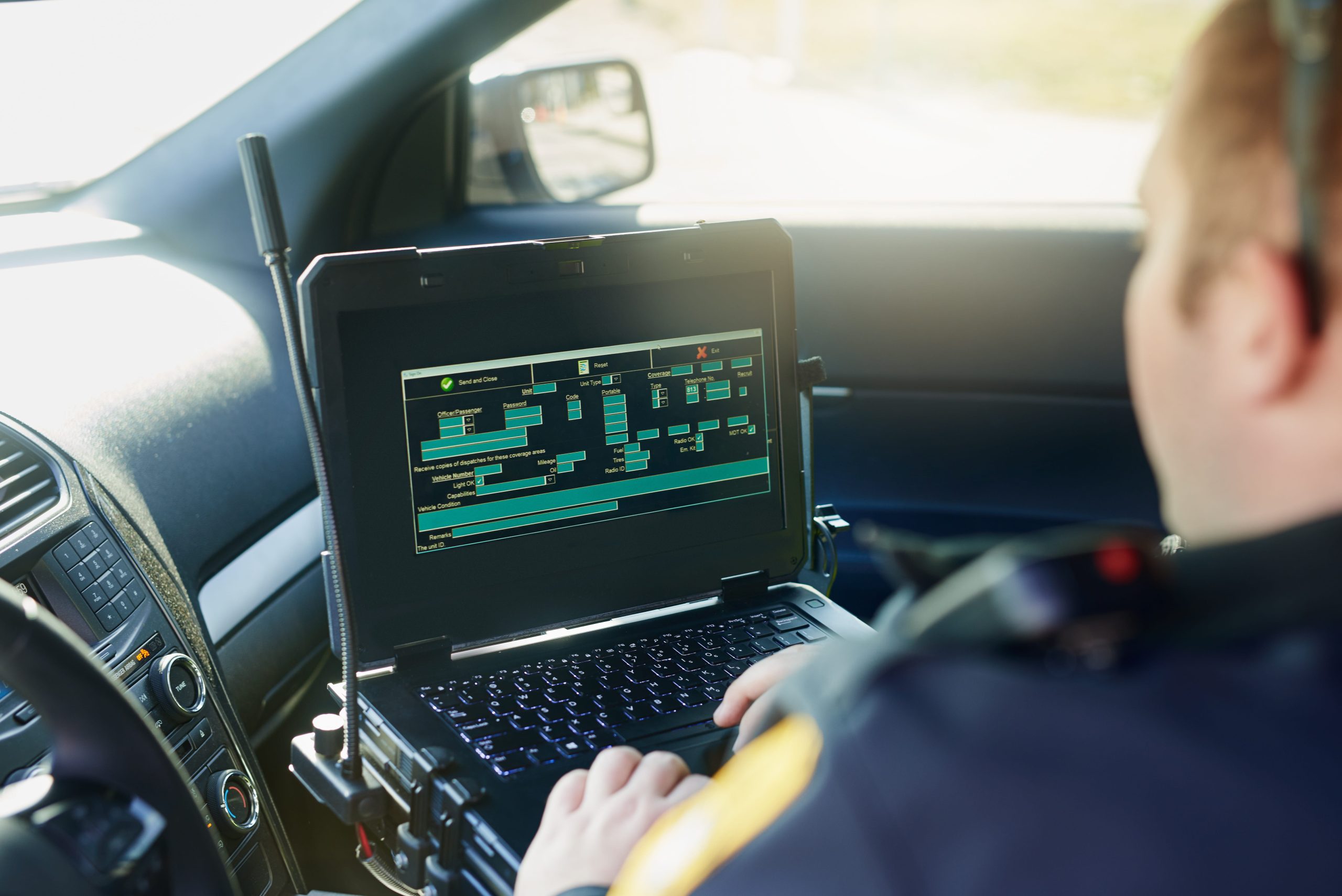
Many modern vehicles store crash-related data in systems often referred to as “black boxes.” More accurately, many vehicles have Event Data Recorders (EDRs) that may capture limited information around a crash.
For a high-level explanation of what EDRs are and what they may record, see the NHTSA overview of event data recorders.
What “black box” data may include
Depending on the vehicle and the crash, EDR data may include items such as:
- Vehicle speed (at certain moments)
- Brake application or throttle position
- Seatbelt use
- Airbag deployment timing
- Engine RPM or steering inputs (varies)
Not every vehicle records the same data, and not every crash triggers a “recorded event.” That’s why this evidence should be treated as potentially valuable rather than guaranteed.
Why is this evidence time-sensitive
Vehicle data can be lost or made harder to retrieve if:
- The car is totaled and moved repeatedly
- The battery is disconnected for long periods
- Systems are repaired, replaced, or reprogrammed
- The vehicle is sold or destroyed
If your vehicle is in a tow yard or you’re worried it may be declared a total loss, preserving the vehicle and documenting its location becomes part of preserving evidence.
How EDR evidence is typically used in claims
Vehicle data is most helpful when it supports or clarifies:
- A disputed speed allegation
- A rear-end collision argument (braking vs no braking)
- A sudden lane change dispute
- Severity of impact questions (in combination with photos, repair estimates, and medical records)
It’s rarely used alone. The best cases use EDR data as one piece of a bigger “evidence stack.”
Phone records and distracted driving: what’s realistic to prove
People often suspect distracted driving—especially in rear-end crashes, lane departures, and intersection collisions. But proving it takes more than a hunch.
What phone records may show (in general)
Phone records can sometimes help establish:
- Whether calls/texts occurred around the crash time
- Data usage periods (sometimes)
- Ownership and line information
But there are limits:
- Records may not show exactly what was on the screen
- App activity is not always visible in standard billing records
- Access may require a formal legal process in disputed cases
What you can do right away (without overreaching)
Instead of trying to “prove phone use” on your own, focus on preserving the evidence you can control:
- Note the exact crash time as accurately as possible
- Save any messages you received from the other driver (including admissions or apologies)
- Capture scene photos showing points of impact and vehicle positions
- Identify witnesses who saw head-down driving or drifting
- Preserve the dashcam video that shows erratic movement or a lack of braking
If distracted driving is a serious concern, it’s something an attorney can evaluate and pursue through appropriate channels—without relying on assumptions.
Evidence stack: build a claim that doesn’t rely on memory
Strong claims rarely depend on a single “smoking gun.” They’re built like a stack—each piece supporting the next.
A practical “evidence stack” for Fort Lauderdale claims
Scene + vehicles
- Photos/video of vehicle damage, skid marks, debris, and lane markings
- Two receipts and storage paperwork
- Repair estimates and parts lists (helps show impact mechanics)
Official documentation
- Crash report and related documents (see FLHSMV traffic crash reports)
- Witness contact information (names, phone, email)
Digital evidence
- Dashcam files (original + backups)
- Vehicle data (if available and properly preserved)
Medical + life impact
- ER/urgent care notes, imaging results, referral notes
- Bills, prescriptions, and therapy plans
- Missed work documentation and restrictions
- A simple symptom journal
What to skip
- Speculating about speeds or distances you can’t verify
- Writing long narratives to insurers when you’re uncertain
- Editing videos/photos in ways that change metadata or create doubt about authenticity
If you’re unsure what to preserve, default to preserving more rather than less.
When to involve Fort Lauderdale car accident lawyers
Evidence issues are one of the biggest reasons people contact attorneys early, because once evidence is lost, it may not be recoverable.
Consider speaking with Fort Lauderdale car accident lawyers if:
- The other driver denies fault
- A key piece of evidence (dashcam, vehicle data) might be overwritten or destroyed
- You’re facing pressure to repair/sell a totaled vehicle before documentation
- You believe distraction, speeding, or reckless driving is involved
- Your injuries are serious, or treatment is ongoing
- The insurer is disputing the mechanics of the crash or your injuries
At The Law Offices of Wolf & Pravato, we focus on building claims with documentation that supports your story. You pay nothing unless we win.
Call 844-643-7200 or Contact us for a case evaluation.
Informational purposes only, not legal advice.
Frequently Asked Questions:
- Is a dashcam video admissible or useful in an insurance claim?
Often, yes. Dashcam video can help clarify the fault and sequence of events. The key is preserving the original footage, backing it up, and avoiding edits that raise questions about authenticity. - How long does a dashcam keep footage before it overwrites?
It depends on the device and the memory card size. Many dashcams loop-record and overwrite quickly, which is why saving the file immediately is important. - What is “black box” data in a car accident?
Many vehicles have event data recorders (EDRs) that may capture limited pre-crash and crash-related information. What’s recorded varies by vehicle and incident. - Can phone records prove the other driver was texting?
Sometimes phone records can help establish call/text timing, but they may not show every type of activity. Access can also require formal legal steps, especially if liability is disputed. - Should I repair my car right away if I think it has important evidence?
If evidence may be needed, document the vehicle thoroughly before repairs when possible. In serious disputes, consider getting guidance before changes are made. - How do I get the Florida crash report?
Crash reports are handled through Florida’s system. You can review the process at FLHSMV traffic crash reports and keep a copy for your records.
Recent Posts
- Wrong Burial Plot and Grave-Site Errors in Fort Lauderdale

- Rainwater Falls at Fort Lauderdale Store Entrances

- Parking-Lot Backing Crashes in Fort Lauderdale: Who Has the Right of Way?
- Elevator and Escalator Injuries at Fort Lauderdale Shopping Centers
- Delivery Driver Car Accidents in Lakeland: Who Pays?

- Injured as a Passenger in Fort Lauderdale: Whose Insurance Pays?





FLORIDA’S PERSONAL INJURY ATTORNEYS FOR + 20 YEARS