












Transit-Stop and Brightline-Crossing Pedestrian Risks in South Florida
By the Law Offices of Wolf & Pravato · Published July 20, 2026
South Florida operates a dense network of trains and transit through its cities, and higher-speed passenger rail has raised the stakes at every point where people on foot meet the tracks. A pedestrian struck by a train is a fundamentally different, and graver, event than a car crash, and the claims that follow do not work the same way. Understanding that difference is where Florida pedestrian accident lawyers begin.
Why is the rail corridor uniquely lethal?
A train cannot swerve and cannot stop in anything like the distance a car can; a fast passenger train may need most of a mile to halt. The physics leave no margin: a person on the tracks when a train is close is in a situation neither party can escape. Trains are also deceptively quiet and far faster than they appear, so pedestrians routinely misjudge both the speed and the arrival time of an approaching train, stepping onto a crossing they believe is clear. The corridor runs at grade through dense, walkable neighborhoods where people cross constantly, which places that lethal speed directly across the paths people use every day.
Where the pedestrian risks concentrate
The danger is not spread evenly along the tracks. It concentrates on two kinds of places.
The at-grade crossing
Where the tracks cross a street or a walkway at grade, pedestrians and trains meet directly. The safety of that crossing depends on its equipment and design: gates, lights, bells, and pedestrian barriers, and whether they function and are adequate for the speed of the trains using the corridor. A crossing built for slower freight and then used by faster passenger service may not give people enough warning. When a crossing’s warning devices failed, were inadequate, or were poorly maintained, that failure becomes central to the case because the crossing is supposed to be the thing that keeps people off the tracks when a train is coming.
The transit stop and platform
Bus stops and rail platforms concentrate people on foot beside moving vehicles and trains. A bus stop placed where riders must cross a fast road or a rail line to reach it puts them in danger by its very location. A rail platform’s edge, its markings, its barriers, and its crowd management determine whether a waiting passenger is safe from the train passing through. Falls from platforms, strikes by passing trains, and pedestrians hit by a crossing to reach a stop all trace back to how the transit facility was designed and managed, which is a question about the agency or operator, not only the injured person.
Who can be responsible?
These cases can reach parties that an ordinary crash never does:
- The railroad or train operator, for the train’s operation, its speed through a populated area, its warnings, and the safety of its crossings.
- The public entity or transit agency responsible for a crossing’s design, its warning equipment, or the placement and safety of a transit stop, subject to the rules that govern claims against the government.
- A contractor that installed or maintained the crossing equipment.
Under Florida’s apportionment statute, responsibility can be divided among them, and identifying every potentially responsible party is far more complex here than in a two-car crash.
Why are these claims not ordinary crash claims
A rail case operates under different rules and against different opponents. Railroads are subject to layers of federal and state regulation governing crossings, signals, and operations, and those regulations shape both duty and defenses. Claims against a transit agency or other public entity carry the short written-notice deadline and damage caps that Florida’s rules and sovereign-immunity law impose, deadlines that run quietly and can bar a claim early. And railroads and transit agencies are sophisticated, well-resourced defendants with their own investigators who reach a serious incident quickly. This is not a claim to be approached as though it were a fender-bender, and Florida train accident lawyers handle the rail aspect.
What to do after a rail-corridor injury
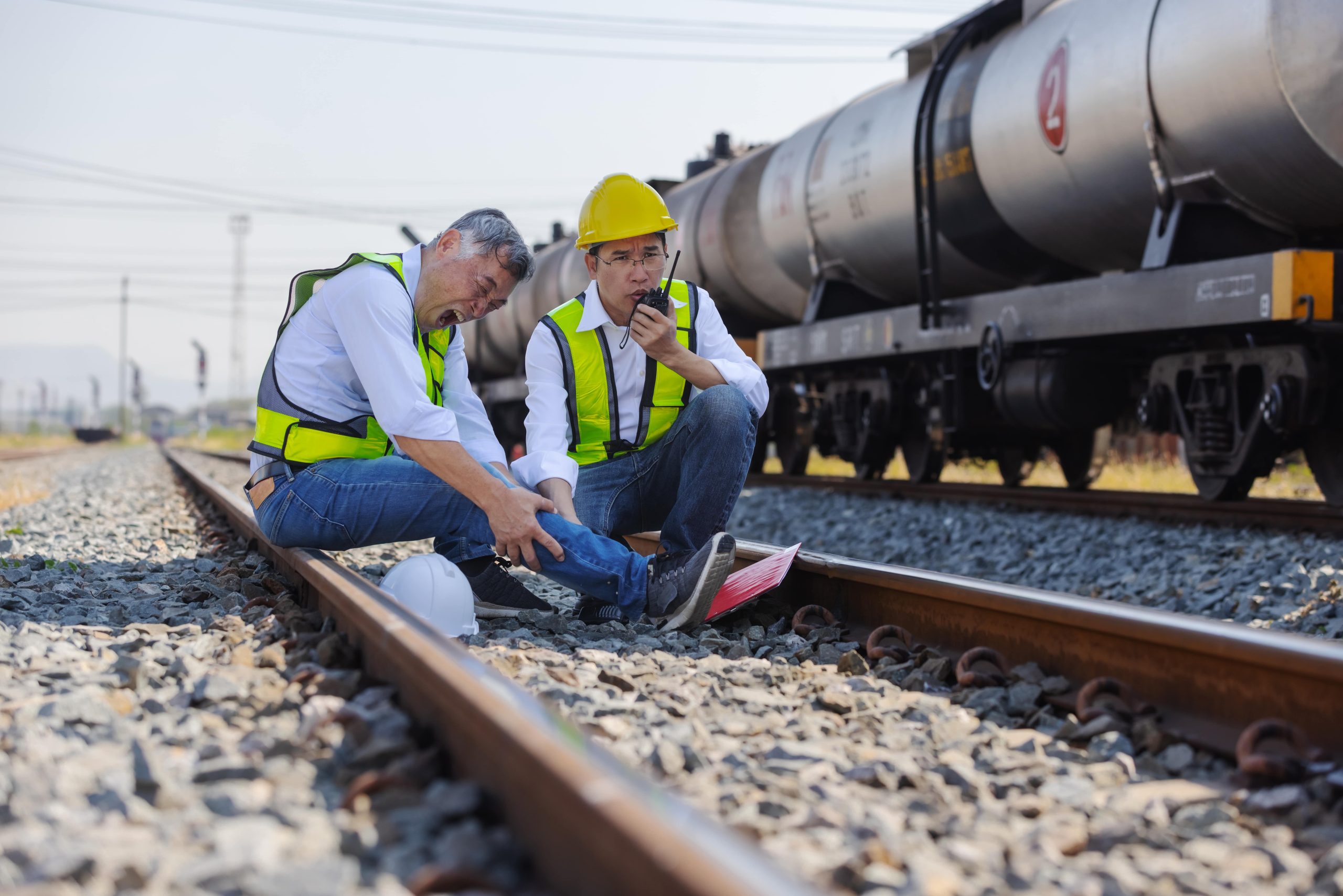
Preserve everything about the crossing or stop as it was, since a crossing’s equipment can be repaired or upgraded after an incident, changing the evidence. Photograph the gates, lights, signs, barriers, sight lines, and any obstruction. Identify witnesses immediately. Note the exact location and time, which allow investigators to pull the train’s data and the crossing’s records. Most importantly, act quickly: the notice deadline for any government defendant is short, the physical evidence changes, and the operators are already investigating. Because a defense will often argue the pedestrian crossed carelessly, reviewing who decides fault in a Florida pedestrian claim helps a family understand how comparative fault is actually applied. Injured people can also reach West Palm Beach pedestrian accident lawyers, where the corridor runs through the heart of the city.
Why the ‘trespasser’ label does not end the case
Railroads defend pedestrian cases with a single powerful word: trespasser. The argument is that anyone struck outside a designated crossing was where they had no right to be, so the railroad owed them little and bore no fault. It is worth understanding why that label settles less than it appears to. First, it does not apply at all to the many injuries that happen at designated crossings and platforms, where people are entirely lawful, and those are exactly the places a fast passenger corridor is most dangerous.
Second, even where someone crossed outside a marked point, the analysis is not automatic: a railroad that runs high-speed trains through dense neighborhoods where it knows people routinely cross, and does nothing to channel or warn them, faces questions about foreseeability that a simple trespasser label does not answer. And third, the condition of the corridor matters: gaps in fencing, worn or missing barriers, and crossings that invite people through by their design can all bear on the case. The label is the beginning of the railroad’s argument, not the end of the injured person’s claim, and treating it as a final answer is exactly what a sophisticated defendant hopes an unrepresented family will do.
Hurt at a rail crossing or transit stop in South Florida?
A rail-corridor injury is not an ordinary crash: the defendants are railroads and agencies, and the government notice deadline is short. The Law Offices of Wolf & Pravato act fast. Call 954-522-5800 for a free case review.
Sources: Fla. Stat. §316.130; Fla. Stat. §768.81
Frequently Asked Questions:
Q1. Why is a train crossing so much more dangerous than a road?
Because a train cannot swerve and needs a great distance to stop, sometimes most of a mile. Trains are also quieter and faster than they appear, so pedestrians misjudge their speed and arrival, and the corridor runs at grade through dense neighborhoods where people cross constantly.
Q2. Where do most pedestrian rail injuries happen?
At two kinds of places: at-grade crossings, where tracks meet a street or walkway and safety depends on the gates, lights, and barriers, and at transit stops and rail platforms, where people on foot are concentrated beside moving trains and buses.
Q3. Who can be liable for a rail-crossing injury?
Potentially the railroad or train operator, for the train’s operation, speed, and warnings; a public entity or transit agency responsible for the crossing’s design, equipment, or a stop’s placement; and a contractor that installed or maintained crossing equipment. Responsibility can be divided among them.
Q4. What if the crossing gates or lights failed?
That failure is often central. A crossing is supposed to keep people off the tracks when a train is coming, so if its warning devices failed, were inadequate for the train speeds using the corridor, or were poorly maintained, that points to responsibility for the equipment and the crossing.
Q5. How is a claim against a transit agency different?
Claims against a public entity carry a short written-notice deadline and damage caps under sovereign-immunity law, and the notice runs quietly and can bar a claim early. That is one reason these cases must be acted on quickly rather than allowed to sit.
Q6. Why isn’t this like an ordinary car-crash claim?
Because railroads are subject to layers of federal and state regulation that shape duty and defenses, transit agencies carry sovereign-immunity protections, and both are sophisticated, well-resourced defendants with investigators who reach a serious incident quickly. The rules and the opponents are different.
Q7. Can the pedestrian be blamed?
A defense may argue the pedestrian crossed against a signal or went around a gate, and Florida’s comparative fault can assign a share. But that does not resolve whether the crossing’s warnings were adequate or functioning, or whether a stop was safely placed, which remain live questions about the operator and the agency.
Q8. What should I do after a rail-corridor injury?
Preserve the crossing or stop as it was, photograph the gates, lights, signs, barriers, and sight lines before anything is repaired, identify witnesses, and note the exact location and time so investigators can pull the train and crossing records. Act quickly, because the government notice deadline is short.
About the Firm
Published by the Law Offices of Wolf & Pravato
For nearly three decades, the Law Offices of Wolf & Pravato have represented injured Floridians and their families across South and Southwest Florida, exclusively on the plaintiff’s side. The firm is led by managing partner Richard P. Pravato, a Board-Certified Civil Trial Attorney (Florida Bar No. 86150). To reach the lawyer who handles cases in your area, visit our attorneys page, explore our practice areas, or learn more about our firm.
Law Offices of Wolf & Pravato · 2101 W. Commercial Blvd., Suite 1500, Fort Lauderdale, FL 33309 · 954-522-5800 · Free case evaluation: 844-643-7200
Disclaimer: This blog post is provided for general informational purposes only and does not constitute legal advice. Reading this content does not create an attorney-client relationship between you and the Law Offices of Wolf & Pravato. Laws change, and every case is different, so you should not act or rely on any information here without consulting a licensed Florida attorney about your specific situation. For advice regarding your circumstances, please contact our office for a free consultation.
Recent Posts
- Wrong Burial Plot and Grave-Site Errors in Fort Lauderdale

- Rainwater Falls at Fort Lauderdale Store Entrances

- Parking-Lot Backing Crashes in Fort Lauderdale: Who Has the Right of Way?
- Elevator and Escalator Injuries at Fort Lauderdale Shopping Centers
- Delivery Driver Car Accidents in Lakeland: Who Pays?

- Injured as a Passenger in Fort Lauderdale: Whose Insurance Pays?





FLORIDA’S PERSONAL INJURY ATTORNEYS FOR + 20 YEARS