











Warehouse and Loading-Dock Falls in Lakeland Distribution Centers
Warehouse and Loading-Dock Falls in Lakeland
By the Law Offices of Wolf & Pravato · Published July 17, 2026
Quick answer: Lakeland’s role as a logistics hub means a growing number of warehouses and distribution centers, where loading docks, elevated platforms, and heavy traffic create serious fall hazards. When a delivery driver, contractor, or other visitor is injured by an unsafe condition, a premises liability claim against the property owner or operator may follow.
Lakeland’s location along Florida’s logistics corridor has attracted warehouses and distribution centers, where trucks, forklifts, and workers move goods around the clock. Loading docks and elevated platforms are essential to that work and dangerous when poorly maintained. When a delivery driver or contractor falls at a dock, the question of responsibility is where Florida premises liability lawyers focus.
Where logistics meets a dangerous edge
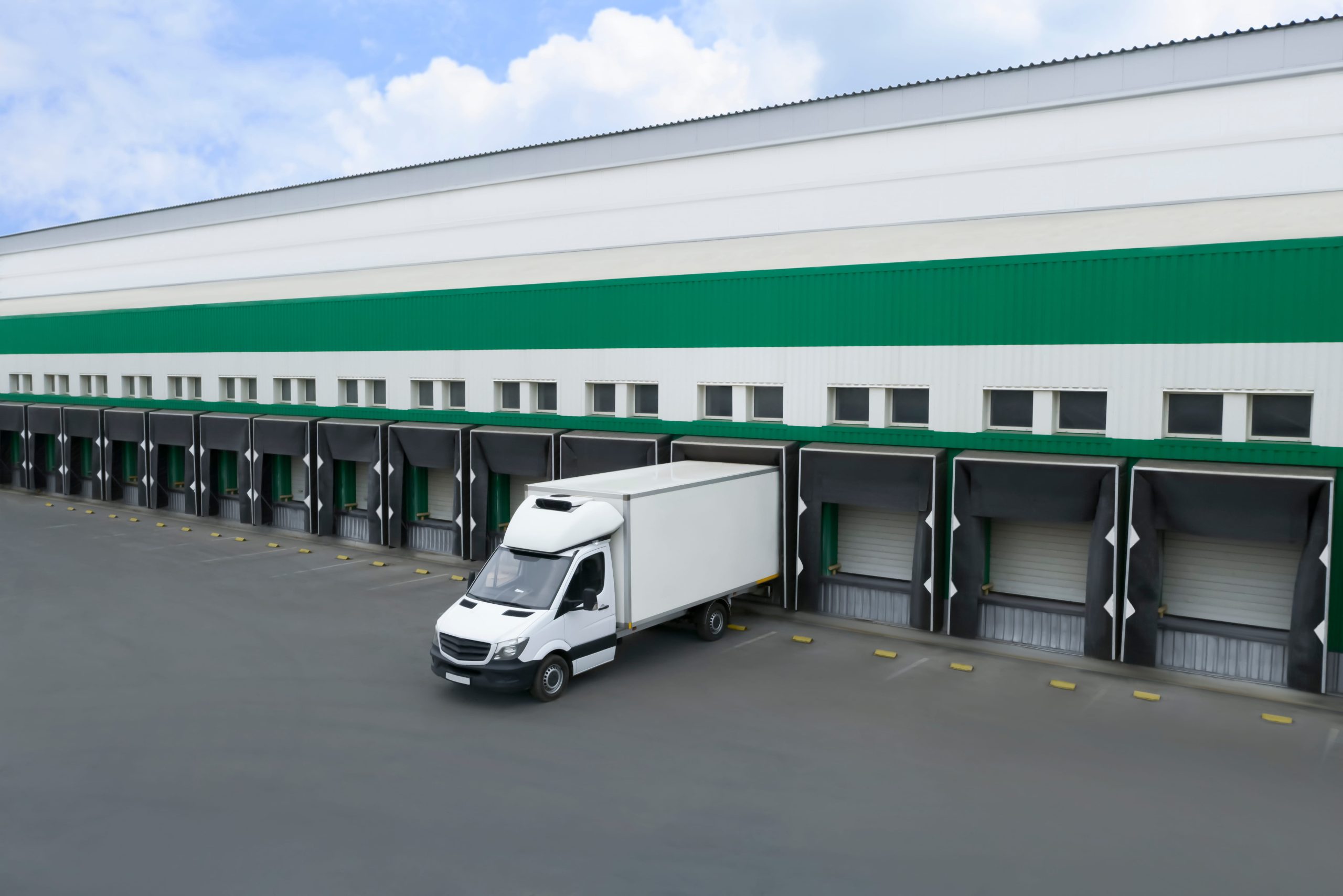
A loading dock is, by design, an elevated edge, a drop of several feet where a trailer meets a platform, surrounded by moving equipment and heavy loads. That geometry is efficient for transferring freight and unforgiving of a misstep. A person can fall from a dock edge, off a dock leveler or plate, from stairs and ladders, or be pitched off a platform by a shifting load or a gap between the trailer and the dock. The everyday, industrial nature of the setting makes these falls both common and serious.
Why are loading docks so hazardous
Several features compound the danger. Docks sit above ground level, so a fall carries real height. Dock plates and levelers create gaps and uneven surfaces. Constant forklift and truck traffic mixes people with heavy machines. Poor lighting, congestion, and time pressure add risk, and water, grease, or debris on a dock surface can turn a routine step into a fall. When these conditions are not controlled, a loading dock becomes one of the most hazardous places a visiting driver or contractor can be, and reviewing falling-object injuries in stores and warehouses shows how a related warehouse hazard is handled.
The property’s duty to those who enter
A property owner and the business operating a warehouse owe a duty of care to people lawfully on the premises.
Visitors, drivers, and contractors
Delivery drivers, contractors, and other visitors who come to a warehouse for business are owed a duty to keep the premises reasonably safe and to warn of non-obvious dangers. These are not the facility’s own employees, so their injuries are not limited to workers’ compensation claims against the warehouse; they can pursue a premises liability claim against the property owner or operator whose unsafe conditions caused the fall. That distinction is central to how a non-employee’s dock injury is handled.
Safe docks, edges, and equipment
Keeping a dock reasonably safe means maintaining edge protection and guarding, functional dock levelers and plates, adequate lighting, clear and dry walking surfaces, and safe stairs and ladders. It also means managing the flow of people and equipment so a person on foot is not exposed to forklifts and shifting loads. A facility that lets edge protection fail, leaves a dangerous gap, ignores a slick surface, or fails to control traffic has not met the duty it owes to those who come to work at its docks.
When a fall reflects negligence
A dock fall reflects negligence when an unsafe condition the facility knew or should have known about caused it: a missing or broken edge guard, a malfunctioning dock leveler, poor lighting, an unaddressed spill, or a gap between a trailer and the dock that should have been secured. Under Florida’s premises rules, showing the facility knew or should have known of the hazard is often key. A fall that a reasonably maintained dock would have prevented points to the facility’s failure rather than the visitor’s misfortune.
Third-party claims beyond workers’ comp
For an injured worker, workers’ compensation may cover a fall at their own employer’s premises, but a person injured at a warehouse that is not their employer, a delivery driver, a contractor’s employee, a vendor, can bring a third-party claim against the negligent property owner or operator. This is significant because a third-party claim can seek the full range of damages, including pain and suffering, that workers’ compensation does not provide. Identifying the responsible non-employer party is what opens that fuller recovery. Injured visitors can also reach Fort Myers premises liability lawyers.
Proving a warehouse fall claim
These claims are built on the condition of the dock and the facility’s knowledge of it. Photographs of the dock edge, leveler, lighting, and any hazard, the facility’s maintenance and inspection records, prior incident reports, and surveillance footage establish the danger and whether the facility knew of it. Witness accounts and the injured person’s medical records tie the fall to the condition. Where comparative fault is raised, the focus remains on the facility’s duty to keep its docks safe for those who work there.
In the end, a warehouse or loading-dock fall is often the difference between workers’ compensation and a full recovery, and the distinction is who employed the injured person. A delivery driver, contractor, or vendor injured at a warehouse that is not their employer can pursue a third-party premises claim against the negligent owner or operator, recovering pain-and-suffering damages that comp does not provide. Because docks are inherently dangerous, with elevated edges amid heavy traffic, the facility’s duty to maintain edge protection, levelers, lighting, and clear surfaces is real, and its own records usually reveal whether it met that duty or ignored a hazard it should have fixed. Drivers and contractors who move freight for a living pass through dozens of these facilities and rarely control the conditions they encounter, so when a poorly maintained dock injures them, the responsibility lies with the operation that lets the hazard persist. Preserving the scene, the maintenance history, and any footage before a busy facility moves on is what allows an injured visitor to reach the full damages a third-party claim provides.
Were you hurt in a fall at a Florida warehouse or dock?
A delivery driver or contractor injured by an unsafe dock can pursue a third-party claim beyond workers’ comp. The Law Offices of Wolf & Pravato identifies the responsible party and pursues full damages. Call 954-522-5800 for a free case review.
Sources: Fla. Stat. §768.0755; Fla. Stat. §768.81
FAQs
Q1. Who is liable for a loading-dock fall?
Often the property owner or the business operating the warehouse, if an unsafe condition it knew or should have known about caused the fall, such as a missing edge guard, a malfunctioning dock leveler, poor lighting, or an unaddressed spill. Liability turns on the facility’s failure to keep the dock reasonably safe.
Q2. Why are loading docks so dangerous?
They are elevated edges with real fall height, surrounded by dock plates and levelers that create gaps, and mixed with constant forklift and truck traffic. Poor lighting, congestion, time pressure, and slick surfaces compound the risk, making docks one of the most hazardous work areas.
Q3. Can I sue if I don’t work for the warehouse?
Yes, potentially. A delivery driver, contractor, or other visitor injured at a warehouse that is not their employer can bring a premises-liability claim against the negligent property owner or operator, separate from any workers’ compensation. Their injuries are not limited to comp against the warehouse.
Q4. What is a third-party claim?
It is a claim against a party other than the injured person’s own employer, here, the negligent warehouse owner or operator. It matters because a third-party claim can seek the full range of damages, including pain and suffering, that workers’ compensation does not provide.
Q5. What makes a dock fall negligent?
An unsafe condition the facility knew or should have known about, such as a broken edge guard, a malfunctioning leveler, poor lighting, a spill, or an unsecured gap between a trailer and the dock. A fall a reasonably maintained dock would have prevented points to the facility’s failure.
Q6. What evidence proves a warehouse fall?
Photographs of the dock edge, leveler, lighting, and hazard; the facility’s maintenance and inspection records; prior incident reports; and surveillance footage, plus witness accounts and medical records. Together they establish the danger and whether the facility knew of it.
Q7. Can the warehouse blame me for the fall?
It may raise comparative fault, but the focus stays on the facility’s duty to keep its docks safe for those who work at them. A person doing their job at a dock is owed a reasonably safe environment, and blaming them for a preventable hazard often does not succeed.
Q8. What should I do after a dock fall?
Report the fall so a record is created, photograph the dock and the hazard before it changes, identify witnesses, and seek prompt medical care. Because the facility controls the maintenance records and footage, acting quickly to preserve that evidence is important.
About the Firm
Published by the Law Offices of Wolf & Pravato
For nearly three decades, the Law Offices of Wolf & Pravato have represented injured Floridians and their families across South and Southwest Florida, exclusively on the plaintiff’s side. The firm is led by managing partner Richard P. Pravato, a Board-Certified Civil Trial Attorney (Florida Bar No. 86150). To reach the lawyer who handles cases in your area, visit our attorneys page, explore our practice areas, or learn more about our firm.
Law Offices of Wolf & Pravato · 2101 W. Commercial Blvd., Suite 1500, Fort Lauderdale, FL 33309 · 954-522-5800 · Free case evaluation: 844-643-7200
Disclaimer: This blog post is provided for general informational purposes only and does not constitute legal advice. Reading this content does not create an attorney-client relationship between you and the Law Offices of Wolf & Pravato. Laws change and every case is different, so you should not act or rely on any information here without consulting a licensed Florida attorney about your specific situation. For advice regarding your circumstances, please contact our office for a free consultation.
Recent Posts
- Wrong Burial Plot and Grave-Site Errors in Fort Lauderdale

- Rainwater Falls at Fort Lauderdale Store Entrances

- Parking-Lot Backing Crashes in Fort Lauderdale: Who Has the Right of Way?
- Elevator and Escalator Injuries at Fort Lauderdale Shopping Centers
- Delivery Driver Car Accidents in Lakeland: Who Pays?

- Injured as a Passenger in Fort Lauderdale: Whose Insurance Pays?





FLORIDA’S PERSONAL INJURY ATTORNEYS FOR + 20 YEARS