










Hit-and-Run Motorcycle Crashes in Florida: UM and Recovery
Hit-and-Run Motorcycle Crashes in Florida UM and Recovery
By the Law Offices of Wolf & Pravato · Published July 14, 2026
Quick answer: When a driver hits a motorcyclist and flees, the rider can often recover through uninsured motorist coverage, which applies to unidentified drivers. A prompt investigation can also identify the driver, and either path can lead to compensation.
A hit-and-run is devastating for any victim, but for a motorcyclist, who has no metal shell and no PIP to fall back on, a driver who strikes and flees can leave the rider seriously injured with seemingly no one to hold responsible. Florida law provides real paths to recovery, and a Florida motorcycle accident lawyer pursues each of them.
When the driver flees
A driver who hits a motorcyclist and leaves the scene commits a serious offense and abandons an injured person. For the rider left behind, the immediate fear is that recovery is impossible because the at-fault driver is gone. But the crash was still caused by someone else’s negligence, and the law does not leave a blameless rider without recourse. Two avenues exist: recovering through the rider’s own uninsured motorist coverage, and identifying the fleeing driver through investigation.
Why motorcyclists are frequent hit-and-run victims
Motorcyclists are struck and left more often than one might expect. A driver who did not see the motorcycle until impact, who panics, or who is impaired or uninsured may flee to avoid consequences. The rider’s vulnerability means the injuries are often severe, raising the stakes of recovery, while the very factors that make a driver more likely to hit a motorcycle, inattention and impairment, also make them more likely to flee. This combination makes hit-and-run a real and recurring danger for riders.
Uninsured motorist coverage for a fleeing driver
The primary path to recovery when the driver is gone is the rider’s own uninsured motorist coverage.
How UM treats an unidentified driver
Under Florida’s uninsured motorist statute, uninsured motorist coverage generally applies when the at-fault driver cannot be identified, which squarely includes a hit-and-run driver who fled. The law treats an unknown negligent driver as uninsured, allowing the rider to recover from their own UM coverage the compensation the fleeing driver should have paid. This is the same coverage that responds to a driver who has no insurance.
Why UM matters most for riders
Because motorcycles are excluded from Florida’s no-fault PIP system, a hurt rider cannot fall back on PIP for medical bills and lost income the way a car occupant can. That makes UM coverage especially critical after a hit-and-run, since it may be the only source of recovery when the at-fault driver is gone. Confirming the available UM coverage, including any stacked coverage across household policies, is an essential early step for an injured rider.
Finding the driver who fled
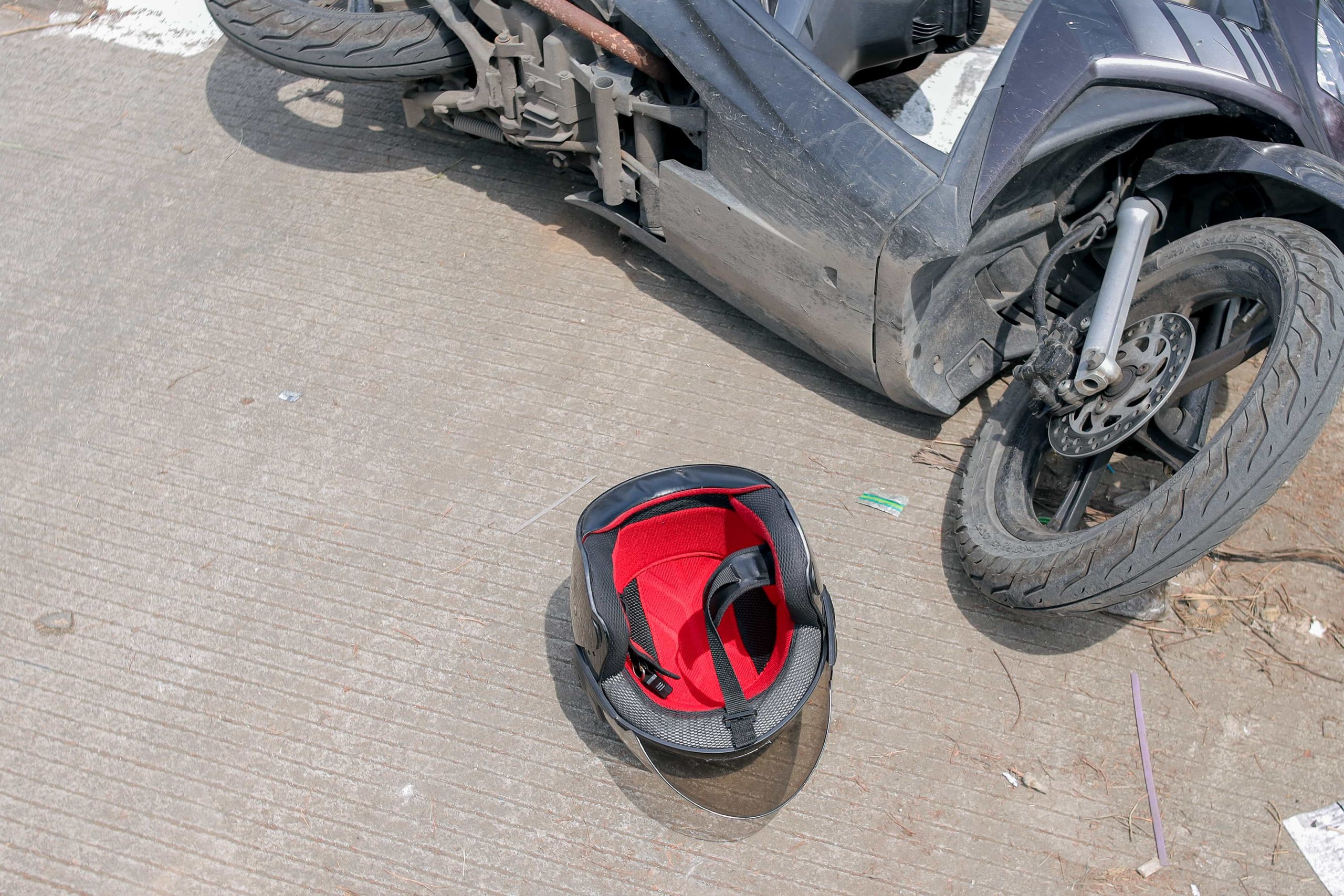
A UM claim is not the only route; the fleeing driver can often be identified. A prompt investigation using traffic and business cameras, doorbell and dashcam footage, witness accounts, debris and paint transfer from the vehicle, and a police investigation can locate the driver and their insurance. Identifying the driver opens a claim against their liability coverage and can also support a UM claim if that coverage is inadequate. Because this evidence disappears quickly, moving fast to preserve it improves the chances of finding the driver.
Comparative fault and the injuries
Even in a hit-and-run, an insurer may try to assign the rider some fault to reduce a UM claim. Florida’s comparative fault statute reduces recovery by any share of fault rather than barring it, and a fleeing driver’s conduct, leaving the scene, undercuts any suggestion the rider was to blame. Because motorcycle injuries are often severe and there is no PIP, pursuing the full value of the claim, including future care and lost earning capacity, matters greatly, and reviewing the first steps to take after a motorcycle crash helps a rider protect the claim.
Proving a hit-and-run motorcycle claim
These cases turn on documenting the crash and, where possible, identifying the driver. The scene evidence, the point of impact, any paint transfer or debris, traffic and business footage, witness accounts, and the police report all matter, both to support a UM claim and to find the fleeing driver. Reporting the crash promptly to law enforcement and the insurer creates the record a UM claim requires. Riders can also reach Miami motorcycle accident lawyers.
Why acting fast can find the driver
In a hit-and-run, speed is the single most important factor, both for identifying the driver and for the UM claim.
How the trail to a fleeing driver fades
The evidence that can identify a fleeing driver, traffic and business footage, doorbell and dashcam video, witness accounts, and paint transfer or debris, disappears within days. A prompt investigation that captures it can turn an unidentified driver into a named defendant with liability coverage, dramatically improving the recovery.
Preserving the UM claim too
Even where the driver is never found, acting quickly preserves the uninsured motorist claim, which requires prompt reporting and a documented record. Treating a hit-and-run with urgency, rather than assuming nothing can be done because the driver fled, is what gives an injured rider a genuine path to recovery.
Ultimately, a hit-and-run rewards urgency above almost anything else. The same crash, investigated the day it happens versus weeks later, can look like a strong claim with a named driver or an unidentified-driver UM claim, depending on whether the evidence was captured in time. Treating a hit-and-run with that urgency, and recognizing that uninsured motorist coverage offers a path even if the driver is never found, is what gives an injured rider a genuine chance at recovery.
Hit by a driver who fled while riding?
A hit-and-run does not have to leave a rider without recovery; uninsured motorist coverage and investigation both offer a path. The Law Offices of Wolf & Pravato pursue the UM claim and work to find the driver. Call 954-522-5800 for a free consultation.
Sources: Fla. Stat. §627.727; Fla. Stat. §768.81
FAQs
Q1. Can a motorcyclist recover after a hit-and-run?
Often yes. Even when the at-fault driver flees, a rider can usually recover through their own uninsured motorist coverage, which applies to unidentified drivers, and a prompt investigation can sometimes identify the driver and reach their liability coverage.
Q2. How does uninsured motorist coverage apply to a hit-and-run?
Florida’s UM statute generally applies when the at-fault driver cannot be identified, which includes a hit-and-run driver who fled. The law treats the unknown driver as uninsured, letting the rider recover from their own UM coverage what the fleeing driver should have paid.
Q3. Why is UM coverage so important for motorcyclists?
Because motorcycles are excluded from Florida’s no-fault PIP system, a hurt rider cannot rely on PIP for medical bills and lost income. That makes UM coverage especially critical after a hit-and-run, since it may be the only source of recovery when the driver is gone.
Q4. Can the fleeing driver still be found?
Often, yes. Traffic and business cameras, doorbell and dashcam footage, witness accounts, paint transfer and debris, and a police investigation can identify the driver and their insurance. Because this evidence disappears quickly, moving fast improves the chances of finding them.
Q5. Will the insurer blame me to reduce my UM claim?
An insurer may try, but Florida’s comparative fault reduces recovery by any share rather than barring it, and a driver’s decision to flee undercuts any suggestion the rider was to blame. Objective evidence of the crash protects the rider’s claim.
Q6. What should a rider do after a hit-and-run?
Report the crash promptly to law enforcement and the insurer, and preserve scene evidence, paint transfer or debris, witness information, and any footage. That evidence supports a UM claim and can help find the fleeing driver, so acting quickly is important.
Q7. Does using my own UM coverage after a hit-and-run raise my rates?
Making a valid uninsured motorist claim is exercising coverage the rider already paid for, and the rider is entitled to pursue it. Concerns about rates should not deter a seriously injured motorcyclist from using protection that may be the only source of recovery when the driver has fled.
About the Firm
Published by the Law Offices of Wolf & Pravato
For nearly three decades, the Law Offices of Wolf & Pravato have represented injured Floridians and their families across South and Southwest Florida, exclusively on the plaintiff’s side. The firm is led by managing partner Richard P. Pravato, a Board-Certified Civil Trial Attorney (Florida Bar No. 86150). To reach the lawyer who handles cases in your area, visit our attorneys page, explore our practice areas, or learn more about our firm.
Law Offices of Wolf & Pravato · 2101 W. Commercial Blvd., Suite 1500, Fort Lauderdale, FL 33309 · 954-522-5800 · Free case evaluation: 844-643-7200
Disclaimer: This blog post is provided for general informational purposes only and does not constitute legal advice. Reading this content does not create an attorney-client relationship between you and the Law Offices of Wolf & Pravato. Laws change and every case is different, so you should not act or rely on any information here without consulting a licensed Florida attorney about your specific situation. For advice regarding your circumstances, please contact our office for a free consultation.
Recent Posts
- Wrong Burial Plot and Grave-Site Errors in Fort Lauderdale

- Rainwater Falls at Fort Lauderdale Store Entrances

- Parking-Lot Backing Crashes in Fort Lauderdale: Who Has the Right of Way?
- Elevator and Escalator Injuries at Fort Lauderdale Shopping Centers
- Delivery Driver Car Accidents in Lakeland: Who Pays?

- Injured as a Passenger in Fort Lauderdale: Whose Insurance Pays?





FLORIDA’S PERSONAL INJURY ATTORNEYS FOR + 20 YEARS