














Slip and Falls at Fort Myers Restaurants and Bars: Greasy Floors and Spills
By the Law Offices of Wolf & Pravato · Published July 9, 2026
Quick answer: Restaurants and bars generate constant floor hazards from grease, spilled drinks, and tracked-in water. When a Fort Myers venue fails to clean or warn about a hazard it knew or should have known about, an injured patron can pursue a slip-and-fall claim.
Few businesses generate as many floor hazards as a restaurant or bar. Grease drifts from the kitchen, drinks spill in the dining room and at the bar, and rain gets tracked through the entrance, all while patrons and staff move constantly across the floor. When a Fort Myers venue lets those hazards go unaddressed and a patron falls, a Fort Myers slip and fall lawyer evaluates the venue’s duty and what it knew.
Why restaurants and bars are fall-prone
The very nature of food-and-drink service creates recurring, predictable floor hazards.
Grease, spills, and constant foot traffic
Kitchens produce grease and moisture that can migrate onto dining-room floors, and servers carrying trays spill food and drinks throughout a shift. Entrances collect rainwater, and busing and cleaning create wet patches. Because staff and patrons are always moving, a hazard in a high-traffic path can cause a fall within moments of appearing, which is why prompt cleanup and warning matter so much in these venues.
Bars, alcohol, and crowded floors
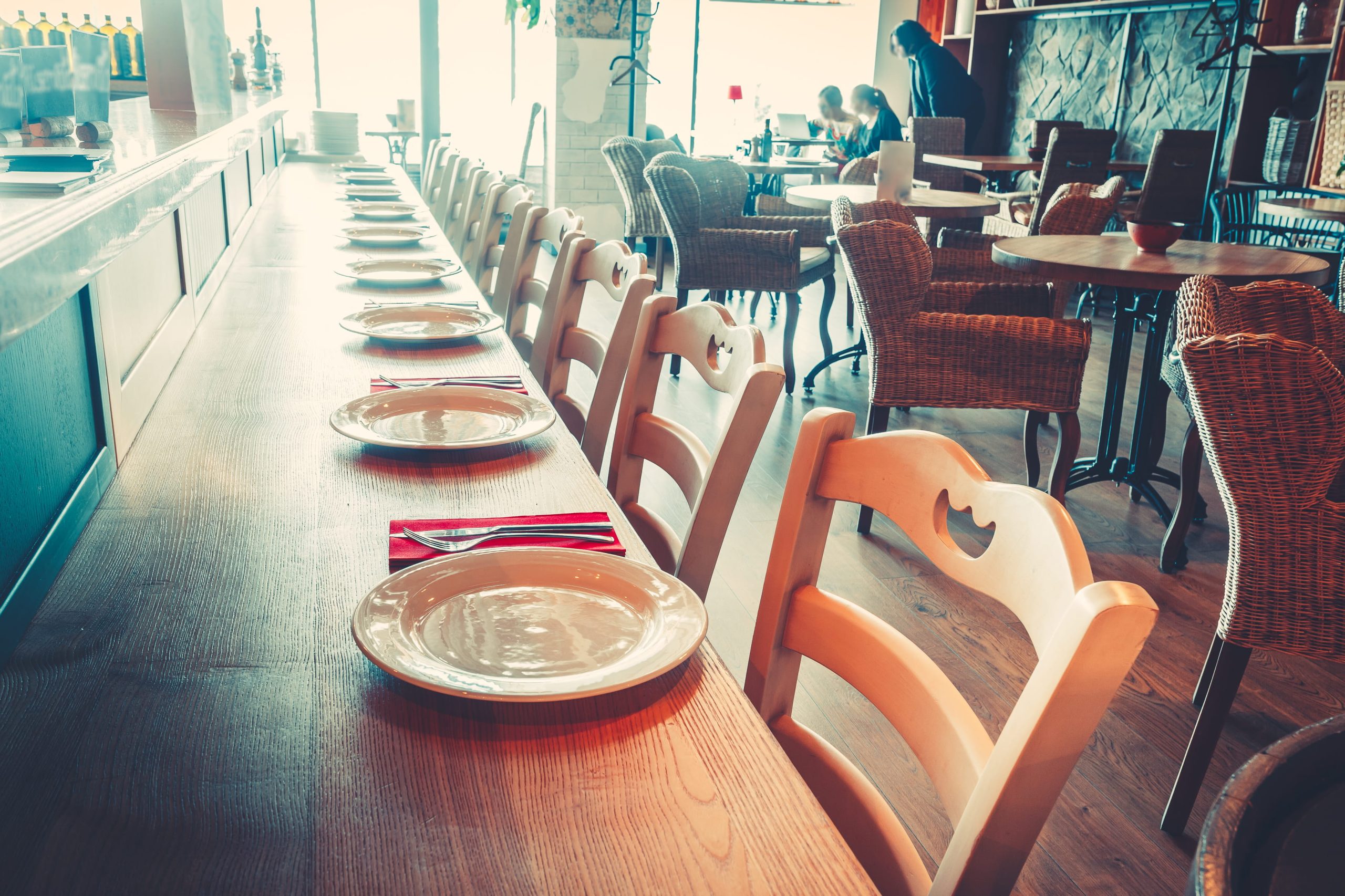
Bars add their own risks: spilled drinks and melting ice on hard floors, crowded standing areas, dim lighting, and cluttered paths. These conditions make a wet floor harder to see and avoid. A venue that serves in a crowded, low-light environment has a heightened need to keep the floors clear, because the setting itself makes hazards more dangerous.
The venue’s duty to keep floors safe
A restaurant or bar invites the public in for profit, and with that invitation comes a duty to keep the premises reasonably safe. That includes inspecting for and cleaning up spills and grease, drying tracked-in water, warning patrons of hazards that cannot be immediately removed, and maintaining adequate lighting. A venue that ignores a known hazard, or that fails to inspect its floors with the frequency its own operation demands, has fallen short of that duty.
What Florida’s slip-and-fall law requires
For a fall caused by a spill or similar substance, Florida sets a specific standard.
Actual or constructive knowledge
Under Florida’s slip-and-fall statute, an injured patron generally must show the business had actual or constructive knowledge of the hazard and failed to act. Constructive knowledge can be established by showing the hazard existed long enough that it should have been discovered, or that it occurred regularly and was foreseeable. This knowledge requirement is the heart of a restaurant-fall case.
When a recurring hazard is foreseeable
Some hazards recur so predictably in a restaurant or bar, such as grease near the kitchen, spills around the bar, or water at the entrance during Florida’s storms, that the venue should anticipate and guard against them. When a fall results from exactly the kind of hazard the operation regularly produces, an injured patron may not need to prove how long that particular spill sat, because the danger was foreseeable and the venue should have had a system to address it.
Common defenses and comparative fault
Venues often argue the patron should have seen the hazard, or that alcohol played a role. Even where a patron bears some responsibility, Florida’s comparative-fault system reduces recovery by that share rather than barring it, and it does not excuse the venue’s failure to keep its floors safe. Careful evidence about the hazard and the venue’s cleaning practices keeps blame from being shifted unfairly onto the injured patron, and reviewing the difference between a slip and fall and a trip and fall clarifies how the type of hazard is characterized.
Steps that protect a restaurant-fall claim
Prompt steps after a fall preserve the claim. Reporting the fall to a manager creates a record and an incident number, and asking that the report be documented helps. Photographs of the hazard, the floor, any warning signs, and the footwear worn that day capture facts that vanish quickly, especially since staff often clean a spill immediately after a fall. Identifying witnesses, noting whether staff was nearby, and seeking prompt medical care all strengthen the case. Victims can also reach Florida slip and fall lawyers.
How a restaurant-fall claim is valued
Once the venue’s responsibility is established, a fall claim is valued by the full extent of the harm, which often reaches beyond a single visit.
Medical costs and lost time
A hard fall on a tile or concrete floor can cause fractures, torn ligaments, back injuries, or a head injury, and treatment may include imaging, surgery, and physical therapy. A claim should include past and future medical expenses and any income lost during recovery, with the future portion projected accurately so a settlement is not exhausted before treatment is complete.
Non-economic harm from a serious fall
Beyond the bills, Florida allows recovery for the pain, limited mobility, and diminished quality of life a serious fall causes. An injury that keeps someone from work, activities, or daily routines carries a human cost the law recognizes, and documenting that impact gives this part of the claim its proper weight.
It also helps to keep every record connected to the fall, from the emergency visit through any follow-up care and therapy. Restaurant-fall injuries such as a fractured wrist or a concussion can require treatment that unfolds over weeks or months, and a continuous medical record ties that care to the fall while documenting its full extent. Gaps in treatment give an insurer room to argue the injury was minor or unrelated, so consistent follow-through protects both health and the claim.
Fell at a Fort Myers restaurant or bar?
Grease, spills, and wet floors that a venue should have cleaned or marked can support a serious claim. The Law Offices of Wolf & Pravato investigate what the venue knew and did. Call 954-522-5800 for a free case review.
Sources: Fla. Stat. §768.0755
Frequently Asked Questions:
Q1. Can I sue a restaurant for a slip and fall in Florida?
Yes, if the fall was caused by a hazard the restaurant knew or should have known about and failed to clean or warn about. Restaurants invite the public in and owe a duty to keep their floors reasonably safe, including addressing grease, spills, and tracked-in water.
Q2. What are common causes of restaurant and bar falls?
Grease migrating from the kitchen, spilled food and drinks, tracked-in rainwater at entrances, melting ice around bars, dim lighting, and cluttered, crowded floors are frequent causes. Many are recurring hazards the venue should anticipate and guard against.
Q3. What does Florida’s slip-and-fall law require an injured patron to prove?
For a fall caused by a spill or similar substance, an injured patron generally must show the business had actual or constructive knowledge of the hazard and failed to act. Constructive knowledge can be shown by how long the hazard existed or by its regular occurrence.
Q4. What if the hazard is something the restaurant creates all the time?
Some hazards recur so predictably, like grease near the kitchen or spills around the bar, that the venue should anticipate them. When a fall results from that kind of foreseeable hazard, a patron may not need to prove exactly how long the spill sat.
Q5. What if I had been drinking when I fell?
A venue may raise it, but alcohol does not automatically bar a claim. Florida’s comparative-fault system reduces recovery by any share of fault rather than eliminating it, and it does not excuse the venue’s failure to keep its floors reasonably safe.
Q6. What should I do after falling at a restaurant?
Report the fall to a manager and get an incident number, photograph the hazard, floor, and any warning signs, note whether staff were nearby, identify witnesses, and seek medical care. Because staff often clean a spill right after a fall, documenting it quickly is important.
Q7. How long do I have to file a restaurant slip-and-fall claim?
Florida sets a limited time period to bring an injury claim. Because a venue may clean the hazard and evidence such as surveillance video can be overwritten quickly, it is wise to act well before the deadline so the condition that caused the fall can be documented.
About the Firm
Published by the Law Offices of Wolf & Pravato
For nearly three decades, the Law Offices of Wolf & Pravato have represented injured Floridians and their families across South and Southwest Florida, exclusively on the plaintiff’s side. The firm is led by managing partner Richard P. Pravato, a Board-Certified Civil Trial Attorney (Florida Bar No. 86150). To reach the lawyer who handles cases in your area, visit our attorneys page, explore our practice areas, or learn more about our firm.
Law Offices of Wolf & Pravato · 2101 W. Commercial Blvd., Suite 1500, Fort Lauderdale, FL 33309 · 954-522-5800 · Free case evaluation: 844-643-7200
Disclaimer: This blog post is provided for general informational purposes only and does not constitute legal advice. Reading this content does not create an attorney-client relationship between you and the Law Offices of Wolf & Pravato. Laws change, and every case is different, so you should not act or rely on any information here without consulting a licensed Florida attorney about your specific situation. For advice regarding your circumstances, please contact our office for a free consultation.
Recent Posts
- Wrong Burial Plot and Grave-Site Errors in Fort Lauderdale

- Rainwater Falls at Fort Lauderdale Store Entrances

- Parking-Lot Backing Crashes in Fort Lauderdale: Who Has the Right of Way?
- Elevator and Escalator Injuries at Fort Lauderdale Shopping Centers
- Delivery Driver Car Accidents in Lakeland: Who Pays?

- Injured as a Passenger in Fort Lauderdale: Whose Insurance Pays?





FLORIDA’S PERSONAL INJURY ATTORNEYS FOR + 20 YEARS