












Left-Turn Car vs. Motorcycle Crashes in Fort Myers: Proving Driver Fault
By the Law Offices of Wolf & Pravato · Published July 8, 2026
Quick answer: The most common car-versus-motorcycle crash is a driver turning left across an oncoming rider’s path. The turning driver, who must yield to oncoming traffic, is usually at fault, though riders often must overcome an unfair bias to prove it.
Ask any motorcycle rider about their greatest fear at an intersection, and many will describe the same scenario: an oncoming car turning left across their path. It is the single most common car-versus-motorcycle crash, and it usually comes down to a driver who failed to yield. Proving that in Fort Myers means both establishing the driver’s duty and overcoming an unfair bias against riders, which is where a Fort Myers motorcycle accident lawyer focuses.
The most common motorcycle crash
In the classic left-turn crash, a motorcyclist is traveling straight through an intersection with the right of way when an oncoming driver turns left directly across the rider’s path. The motorcycle, often unable to stop or swerve in the distance available, strikes the turning car or is struck by it. Because a motorcycle is smaller and harder to judge for speed and distance than a car, drivers misjudge the gap or fail to notice the rider at all, and the consequences for the exposed motorcyclist are frequently severe.
Why the turning driver is usually at fault
The rules of the road place the burden on the driver making the left turn, not on the rider proceeding straight.
The duty to yield to oncoming traffic
A driver turning left must yield to oncoming traffic that is close enough to pose a hazard, and Florida’s intersection right-of-way rules require the turning driver to give way. A motorcycle traveling straight with a green light or the right of way is oncoming traffic the driver must yield to. When a driver turns across that path and causes a crash, the failure to yield generally makes the driver at fault, just as it would in a car-versus-car left-turn collision.
Why ‘I didn’t see the motorcycle’ is not a defense
Drivers frequently say they never saw the motorcycle, but that admission is not a defense; it is often an admission of negligence. Drivers have a duty to look for and see what is there to be seen, including motorcycles, which are a lawful and expected part of traffic. A driver who turned left without seeing an oncoming rider failed to keep a proper lookout, and that failure supports fault rather than excusing it.
The bias riders have to overcome
Motorcyclists face a well-documented bias, an assumption by some insurers, drivers, and even jurors that a rider must have been speeding or reckless. This bias can color how a left-turn crash is viewed, unfairly shifting suspicion onto the rider despite the driver’s failure to yield. Overcoming it takes objective evidence that the rider was traveling lawfully and that the driver turned across their right of way. Anticipating and rebutting this bias is a real part of building a motorcycle case, not an afterthought.
The evidence that proves the driver turned across the rider
Objective proof is what defeats both the failure-to-yield and the bias against the rider.
Point of impact and the vehicles’ paths
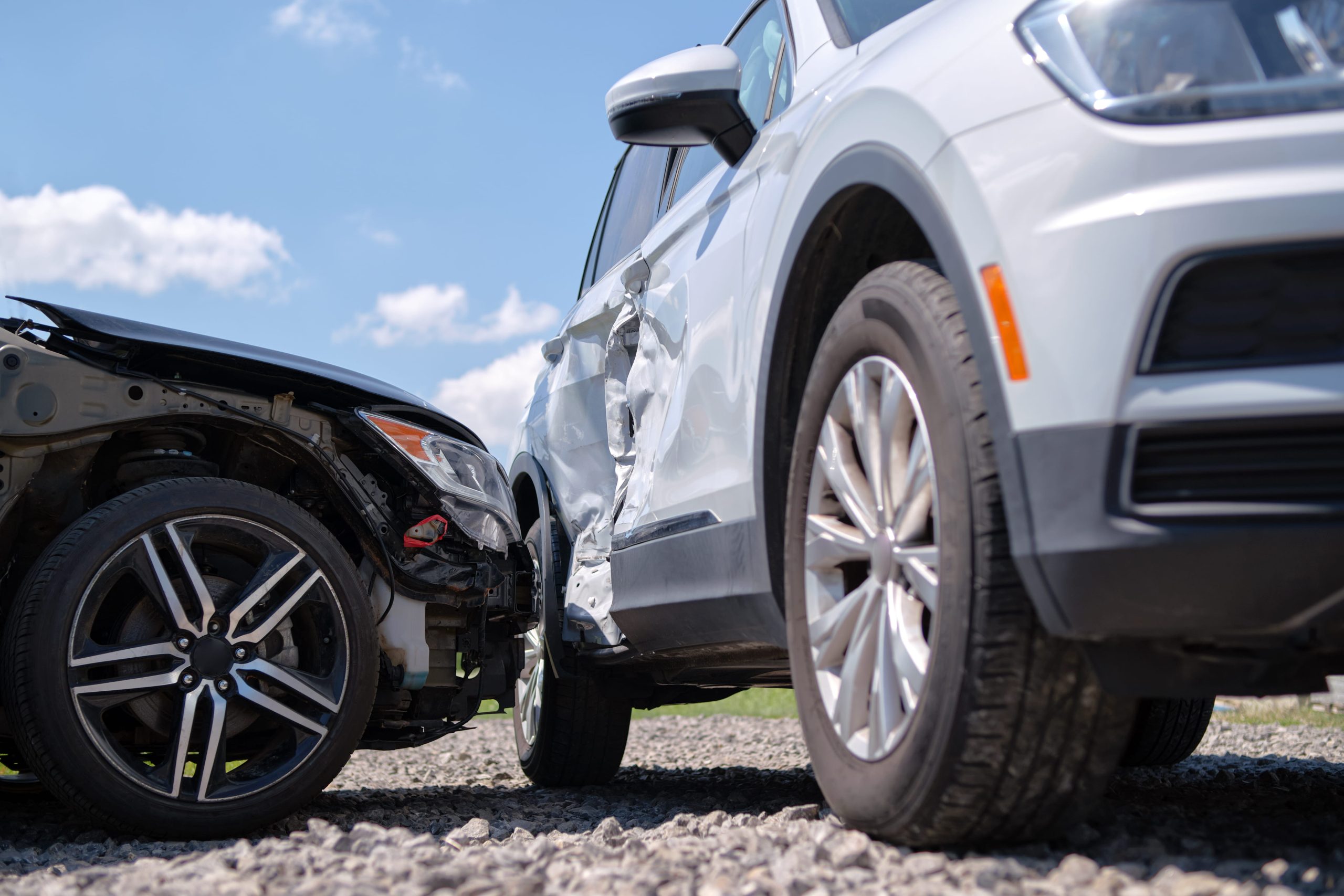
The location of the damage on the vehicles and the point of impact often show clearly that the car was turning across the motorcycle’s straight path. Skid marks, the resting positions, and the crush patterns let a reconstruction expert establish the geometry of the crash and, frequently, the motorcycle’s speed, which can rebut a claim that the rider was going too fast.
Signals, cameras, and witnesses
Traffic-signal timing can confirm the rider had a green light, while intersection, business, and dashcam footage may capture the turn and the approach. Independent witnesses who saw the car turn across the rider are especially valuable in countering the bias against motorcyclists. Because this evidence, particularly video, can be lost within days, gathering it promptly is important.
Comparative fault and full recovery
Even where a rider is accused of some fault, such as slight speeding, Florida’s comparative fault statute reduces recovery by that share rather than barring it, and a small share does not erase the turning driver’s failure to yield. Because motorcyclists have no PIP and their injuries are often severe, pursuing the full value of the claim, including future care and lost earning capacity, matters greatly. Riders can review the first steps to take after a motorcycle crash or reach Florida motorcycle accident lawyers.
The severe injuries riders face
A motorcyclist has little protection in a collision with a car, so a left-turn crash often causes life-changing harm that the claim must fully reflect.
Why motorcycle injuries are catastrophic
Without a vehicle’s frame, airbags, or seatbelts, a rider absorbs the force of the crash directly, resulting in fractures, road rash, spinal injuries, and traumatic brain injuries. Being thrown from the motorcycle adds further harm. These catastrophic injuries frequently require surgery, lengthy rehabilitation, and, in the most serious cases, lifelong care.
Valuing future care and lost income
Because the harm can be so severe and riders have no PIP, a claim must account for the full future cost of care, along with lost income and any permanent reduction in earning capacity. Projecting those future needs, often with medical and life-care input, guards against a settlement that runs short of what a serious motorcycle injury will demand over time.
That forward-looking valuation is especially important because a motorcycle injury can evolve. Some effects, from nerve damage to the full impact of a brain injury, become clear only over time, and a settlement reached too soon may fall short of the actual need. Letting the medical picture develop, or projecting future care with a physician’s help, protects a rider from accepting less than a serious crash truly costs, particularly when they have no PIP to fall back on.
Hit by a left-turning car while riding in Fort Myers?
A driver who turned across a rider’s path and then says they never saw the motorcycle is usually the one at fault. The Law Offices of Wolf & Pravato gather the objective evidence and push back on the bias against riders. Call 954-522-5800 for a free consultation.
Sources: Fla. Stat. §316.123; Fla. Stat. §768.81
Frequently Asked Questions:
Q1. Who is at fault in a left-turn car-versus-motorcycle crash?
Usually the turning driver. A driver turning left must yield to oncoming traffic that is close enough to be a hazard, and a motorcycle proceeding straight with the right of way is that traffic. Turning across the rider’s path and causing a crash generally makes the driver at fault.
Q2. Is ‘I didn’t see the motorcycle’ a valid defense?
No. Drivers have a duty to look for and see what is there, including motorcycles. A driver who turned left without seeing an oncoming rider failed to keep a proper lookout, so the admission often supports negligence rather than excusing it.
Q3. Why do riders face bias in these cases?
There is a common assumption that a motorcyclist must have been speeding or reckless. This bias can unfairly shift suspicion onto the rider despite a driver’s failure to yield, so objective evidence that the rider rode lawfully is important to overcome it.
Q4. How is it proven that the car turned across the rider’s path?
The point of impact and damage locations often show the car was turning across the motorcycle’s straight path. Skid marks, resting positions, crush patterns, signal timing, camera footage, and witnesses help a reconstruction expert establish the geometry and the rider’s speed.
Q5. What if the insurer claims I was speeding?
Reconstruction using the physical evidence can often establish the motorcycle’s actual speed and rebut that claim. Even if a rider bears a small share of fault, Florida reduces recovery by that percentage rather than barring it, and it does not erase the driver’s failure to yield.
Q6. Do motorcyclists have PIP for their injuries?
No. Florida’s no-fault PIP system does not cover motorcycles, so a hurt rider looks to the at-fault driver’s liability coverage and any applicable uninsured motorist coverage. That makes pursuing the full value of the claim especially important.
Q7. What evidence should be preserved quickly?
Traffic-signal timing, intersection and business camera footage, dashcam video, witness contact information, and the vehicles themselves. Video in particular can be overwritten within days, so prompt action preserves the proof that defeats both the failure-to-yield and the bias against riders.
Q8. Why do motorcycle injuries tend to be so serious?
A rider has no frame, airbags, or seatbelts, so they absorb the force of a crash directly and are often thrown from the motorcycle. The result can be fractures, spinal injuries, and traumatic brain injuries, which is why valuing the full future cost of care is so important.
About the Firm
Published by the Law Offices of Wolf & Pravato
For nearly three decades, the Law Offices of Wolf & Pravato have represented injured Floridians and their families across South and Southwest Florida, exclusively on the plaintiff’s side. The firm is led by managing partner Richard P. Pravato, a Board-Certified Civil Trial Attorney (Florida Bar No. 86150). To reach the lawyer who handles cases in your area, visit our attorneys page, explore our practice areas, or learn more about our firm.
Disclaimer: This blog post is provided for general informational purposes only and does not constitute legal advice. Reading this content does not create an attorney-client relationship between you and the Law Offices of Wolf & Pravato. Laws change, and every case is different, so you should not act or rely on any information here without consulting a licensed Florida attorney about your specific situation. For advice regarding your circumstances, please contact our office for a free consultation.
Recent Posts
- Wrong Burial Plot and Grave-Site Errors in Fort Lauderdale

- Rainwater Falls at Fort Lauderdale Store Entrances

- Parking-Lot Backing Crashes in Fort Lauderdale: Who Has the Right of Way?
- Elevator and Escalator Injuries at Fort Lauderdale Shopping Centers
- Delivery Driver Car Accidents in Lakeland: Who Pays?

- Injured as a Passenger in Fort Lauderdale: Whose Insurance Pays?





FLORIDA’S PERSONAL INJURY ATTORNEYS FOR + 20 YEARS