















Florida Boating Accident FWC Reporting: §327.30 Deadlines and What Happens If You Miss Them
Why boating accident reporting catches people off guard
Florida is one of the busiest boating states in the country, and on the water an accident can happen fast. In the chaotic moments afterward — checking on injuries, getting people to safety — the last thing on anyone’s mind is paperwork. But Florida law imposes specific reporting obligations after certain boating accidents, and not knowing about them can create problems later.
Boating accident reporting is not the same as an injury claim, and the deadlines for each are different. A Florida boating accident counsel reviewing a case looks at both: whether the required report was made, and what claim deadlines apply.
This article explains what §327.30 requires, who the report goes to, what a missed report can mean, and how reporting deadlines differ from the deadline to bring an injury claim.
Featured snippet — steps after a Florida boating accident: 6-step checklist
- Ensure safety first — check for injuries and get medical help for anyone who needs it.
- Render assistance as the situation safely allows and as the law requires.
- Exchange information with others involved — operators, vessels, and witnesses.
- Report the accident as required by Florida law, within the applicable timeframe.
- Document the scene — photographs, conditions, and witness contacts.
- Seek medical and legal review — promptly, while evidence is still fresh.
(This is a general overview. The exact reporting obligations and timeframes are set by statute and depend on the facts — confirm current law.)
What §327.30 actually requires
Florida’s boating accident reporting requirement comes from Florida’s boating accident reporting statute. In general terms, the statute requires that certain boating accidents be reported, with the obligation and the timeframe tied to the circumstances — such as the seriousness of any injuries, a death, a disappearance, or the extent of property damage.
The key point is that Florida treats boating accidents like other serious incidents: there is a duty to report when the statutory thresholds are met, and that duty has a timeframe. Because the precise thresholds and timeframes are detailed and subject to change, they should be confirmed against current law in every case rather than assumed.
Who the report goes to
Boating accident reports in Florida generally go to the appropriate authorities responsible for waterway safety. The Florida Fish and Wildlife Conservation Commission plays a central role in boating safety and accident reporting, and the FWC’s official boating information is the authoritative place to find current reporting guidance.
Because the reporting process and the responsible authority can depend on the circumstances, anyone unsure about their obligations after a boating accident should consult the official guidance and, where injuries are involved, get legal advice promptly.
Why a report and an injury claim are two different things
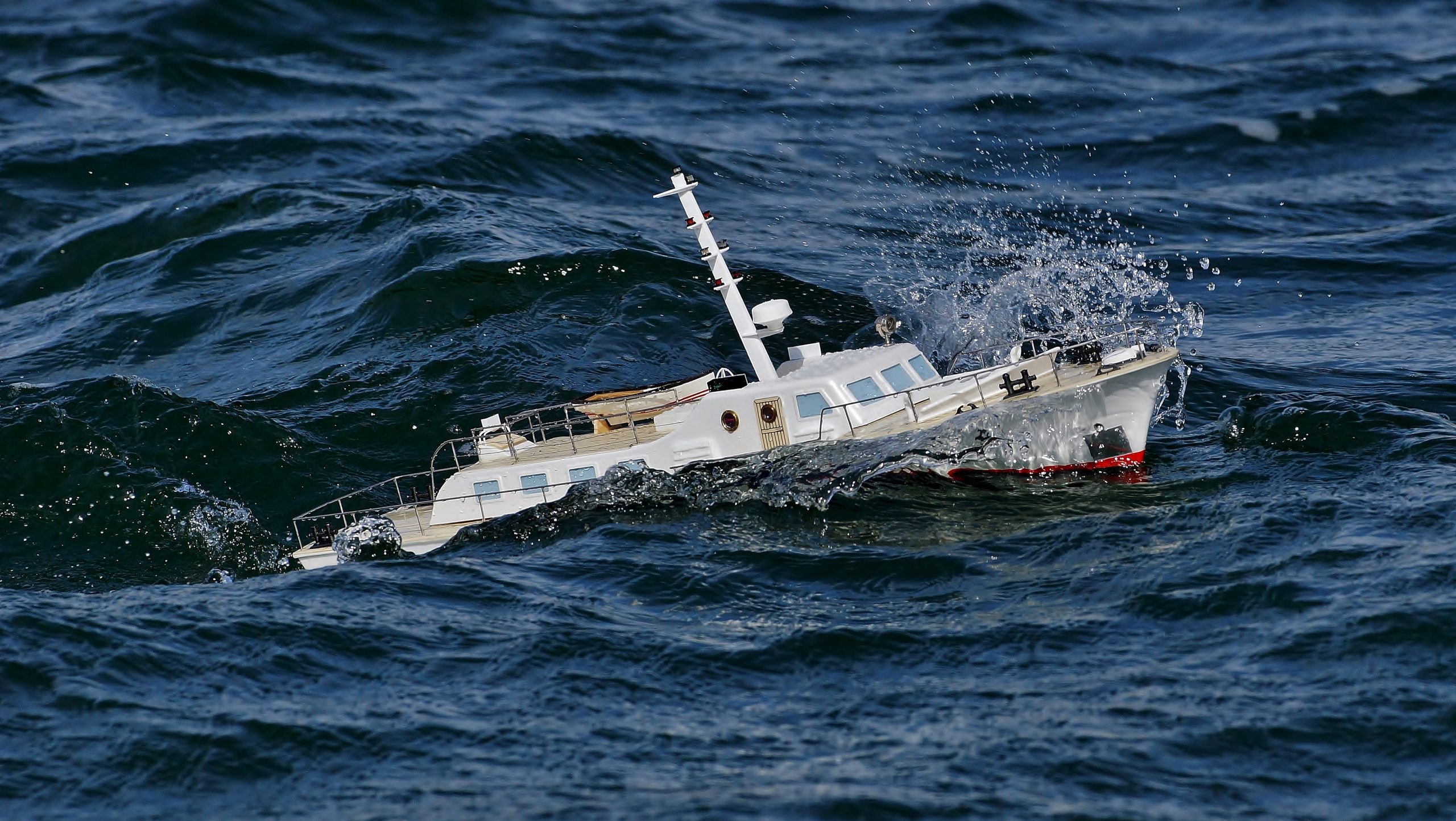
A frequent misunderstanding is treating the accident report as the same thing as an injury claim. They are not. The report is a regulatory obligation — a notification to authorities that an accident meeting certain thresholds occurred. An injury claim is a separate civil matter about compensation for harm caused by negligence.
Filing a report does not start an injury claim, and an injury claim is not a substitute for a required report. Each has its own purpose and its own timeframe. Treating them as one thing is how people miss a deadline that mattered.
What a missed or late report can mean
Failing to make a required boating accident report, or making it late, can have consequences. Because reporting is a legal obligation under the statute, a missed report is itself a compliance issue. It can also complicate matters later — for instance, the absence of an official record can make the facts of an accident harder to establish.
The specific consequences depend on the circumstances and on current law. If a report was missed, that does not necessarily end an injury claim — but it is a reason to get legal advice promptly, so the situation can be assessed and the available evidence preserved.
Reporting deadlines vs. the claim deadline
It is essential to separate two different clocks. The reporting timeframe under §327.30 governs when an accident must be reported to authorities. The deadline to bring an injury claim is a different matter — under Florida’s statute of limitations, negligence actions are generally subject to a two-year limitations period, though specific deadlines depend on the facts.
Missing a reporting timeframe and missing a claim deadline are different problems with different consequences. Both should be on the radar after a boating accident, and the safe approach is to confirm both early.
Evidence that supports a boating accident claim
- The official accident report and any investigation records.
- Photographs of the vessels, the damage, the scene, and the injuries.
- Information identifying every operator and vessel involved.
- Witness statements from passengers or others on the water.
- Weather, water, and navigational conditions at the time.
- Medical records documenting the injuries.
Boating accident evidence is particularly perishable — conditions on the water change and vessels move — so prompt documentation is important.
How boating accident liability is sorted
Liability for a boating accident is fact-specific. It can involve operator error, excessive speed, inattention, operating under the influence, equipment failure, or unsafe conditions — and more than one party can share responsibility. Florida’s comparative fault framework allocates responsibility where multiple parties contributed, and an injured person’s own share of fault can affect recovery.
Boating cases can also raise questions distinct from road accidents, including which body of law applies depending on where and how the accident occurred. Those questions are fact-dependent and benefit from early legal review.
When the accident happened in the Fort Lauderdale area
Boating accidents happen throughout Florida’s waterways. For an accident in the Fort Lauderdale area, the Fort Lauderdale boating injury team resource covers that market.
When the accident happened in Miami-Dade waters
For an accident in Miami-Dade waters, the Miami boat accident representation resource covers that area. Florida’s reporting and negligence framework applies statewide; venue and local context are what change.
When to talk to a lawyer
A boating accident benefits from early legal involvement because reporting obligations and claim deadlines run on separate clocks, the evidence is perishable, and liability can involve more than one party. A lawyer can confirm what reporting was required, identify the applicable claim deadlines, preserve evidence, and sort the liability questions — including which body of law applies.
Wolf & Pravato has recovered over $200 million for injury clients across Florida, with more than 75 years of combined experience. The firm works on a contingency basis — you pay nothing unless we win. To request a free case evaluation for a Florida boating accident, call 844-643-7200.
FAQs
Do I have to report a boating accident in Florida?
Florida law requires that certain boating accidents be reported, with the obligation and timeframe tied to the circumstances — such as serious injury, death, disappearance, or property damage thresholds. The exact requirements are set by statute.
Who do I report a boating accident to?
Boating accident reports generally go to the appropriate authorities responsible for waterway safety. The Florida Fish and Wildlife Conservation Commission plays a central role, and its official boating information provides current reporting guidance.
Is reporting the accident the same as filing an injury claim?
No. A report is a regulatory notification to authorities. An injury claim is a separate civil matter about compensation for harm caused by negligence. Each has its own purpose and timeframe.
What happens if I missed the reporting deadline?
A missed or late report is a compliance issue and can make the facts of an accident harder to establish later. It does not necessarily end an injury claim, but it is a reason to get legal advice promptly.
How long do I have to bring a boating injury claim?
The claim deadline is separate from the reporting timeframe. Florida negligence claims are generally subject to a two-year limitations period, though specific deadlines depend on the facts. Both clocks should be confirmed early.
Who is liable for a boating accident?
Liability is fact-specific and can involve operator error, speed, inattention, operating under the influence, equipment failure, or unsafe conditions. More than one party can share responsibility under comparative fault.
Recent Posts
- Wrong Burial Plot and Grave-Site Errors in Fort Lauderdale

- Rainwater Falls at Fort Lauderdale Store Entrances

- Parking-Lot Backing Crashes in Fort Lauderdale: Who Has the Right of Way?
- Elevator and Escalator Injuries at Fort Lauderdale Shopping Centers
- Delivery Driver Car Accidents in Lakeland: Who Pays?

- Injured as a Passenger in Fort Lauderdale: Whose Insurance Pays?





FLORIDA’S PERSONAL INJURY ATTORNEYS FOR + 20 YEARS