












Assaulted by a Rideshare Driver in Fort Lauderdale: Your Legal Options
By the Law Offices of Wolf & Pravato · Published July 15, 2026
Quick answer: A passenger assaulted by a rideshare driver may have claims against the driver and, in some circumstances, the rideshare company, for example, where negligent screening, hiring, or safety practices contributed. Preserving the trip records and reporting promptly are critical to protecting these claims.
Getting into a rideshare, a passenger trusts that the person behind the wheel is safe. When that trust is betrayed by an assault, the harm is deeply personal, and the legal questions are complicated. A victim may have options beyond the driver alone, and understanding them is where Florida rideshare accident lawyers can help a survivor move forward.
When a ride turns dangerous
Rideshare has made travel around Fort Lauderdale convenient, but it also places passengers, sometimes alone, sometimes impaired after a night out, in a private vehicle with a stranger. Most rides are uneventful, but an assault by a driver is a serious crime and a serious civil wrong. A survivor is entitled to pursue accountability, and the civil justice system offers a path to recovery separate from any criminal case. The first step is understanding who may be responsible.
The driver’s direct responsibility
The driver who commits an assault is directly and personally responsible for the harm, both criminally and civilly. A civil claim against the driver seeks compensation for the physical injuries, the emotional trauma, and the other losses the assault caused. While a criminal prosecution punishes the offense, it does not compensate the victim, so a civil claim is the vehicle for recovery. The driver’s personal responsibility is the foundation, though a survivor’s ability to recover from the driver alone may be limited by the driver’s resources.
When the rideshare company may share liability
Because the driver alone may not be able to compensate for the harm, the question of the company’s responsibility is important.
Negligent screening and hiring
A rideshare company that puts drivers on its platform has responsibilities for how it screens and monitors them. Where a company negligently failed to conduct or heed a reasonable background check, ignored red flags, or allowed a driver with a disqualifying history onto the platform, that failure may support a claim that the company’s negligence contributed to the assault. The theory is not that the company committed the assault, but that its own carelessness helped put a dangerous person in a position of trust with passengers.
Safety practices and known risks
A company’s safety practices, its handling of prior complaints, its response to reports of driver misconduct, and the safeguards it does or does not provide can also matter. Where a company knew or should have known of a risk and failed to take reasonable steps, its conduct may be part of the case. These are fact-intensive questions, and the company’s records of its screening and its response to complaints are central to answering them.
How Florida regulates rideshare companies
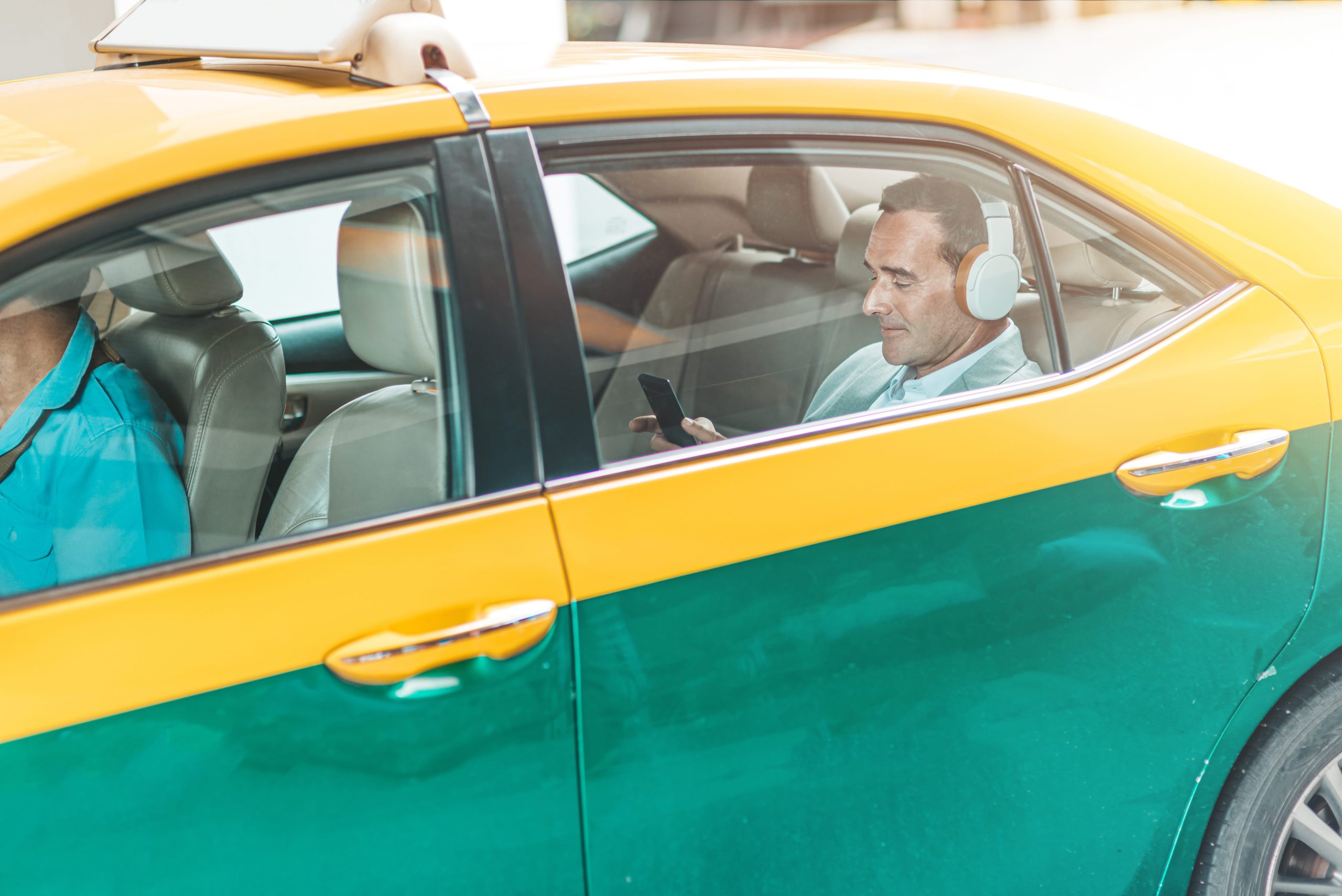
Florida regulates transportation network companies under its rideshare statute, which addresses aspects of how these companies operate, including certain driver and insurance requirements. While the statutory framework focuses heavily on driving and insurance, the broader duty questions in an assault case draw on ordinary negligence principles about screening, hiring, and safety. Understanding how the regulatory framework and common-law duties interact is part of evaluating a company’s potential responsibility.
Preserving the evidence of the ride
A rideshare assault case depends on evidence that the platform and the moment generate. The trip record, showing the driver’s identity, the route, and the times, is created by the app and should be preserved immediately. Prompt reporting to law enforcement and to the company creates a record, and a medical evaluation documents the injuries. Any messages, the pickup and drop-off data, and potential surveillance from the surrounding area may all help. Because much of this evidence is controlled by the company or quickly fades, acting quickly to preserve it is essential.
Pursuing every available claim
A survivor’s strongest path is to pursue every responsible party. The claim against the driver is direct; a claim against the company, where negligent screening, hiring, or safety practices contributed, can broaden the recovery. Florida’s comparative-fault framework allocates responsibility among those whose conduct contributed to the harm. Where the assault relates to a location’s security failures, a negligent security theory may also apply, and survivors can reach out to Fort Lauderdale negligent security lawyers.
Moving forward with support
A civil claim alongside the criminal case
A civil claim proceeds independently of any criminal prosecution and serves a different purpose, compensating the survivor rather than punishing the offender. The two can move on separate tracks, and a survivor does not have to wait for the criminal case to conclude to protect civil rights. Survivors can also reach Fort Lauderdale Uber accident lawyers to understand how the claims fit together.
Acting to protect the claim and the recovery
Because the platform controls the trip records and much evidence fades, the practical steps taken early, reporting, preserving the trip data, and documenting the injuries, shape what a survivor can recover. Approached with care and promptness, a rideshare assault claim can hold both the driver and, where its negligence contributed, the company accountable for a profound violation of a passenger’s trust.
Ultimately, a rideshare assault survivor is best protected by acting quickly and pursuing every responsible party. The app’s trip data and much of the evidence live with the company and fade fast, so preserving them and reporting promptly shape what can be recovered. A civil claim against the driver and, where its negligence contributed, the company, proceeds independently of the criminal case and offers a survivor a path to accountability and recovery on their own terms. The process can be approached with discretion and care, recognizing that a survivor is not just building a case but recovering from a violation of trust. Moving early to secure the trip records and report the assault, while difficult, is what preserves the options that let a survivor decide, on their own timeline, how far to pursue those responsible.
Were you assaulted by a rideshare driver in Fort Lauderdale?
A survivor may have claims against the driver and, where negligent screening or safety practices contributed, the company. The Law Offices of Wolf & Pravato pursue accountability with discretion and care. Call 954-522-5800 for a free case review.
Sources: Fla. Stat. §627.748; Fla. Stat. §768.81
Frequently Asked Questions:
Q1. Can I sue after being assaulted by a rideshare driver?
Yes. A survivor can bring a civil claim against the driver for the physical and emotional harm the assault caused, separate from any criminal case. In some circumstances, a claim against the rideshare company may also be possible where its negligence contributed.
Q2. When is the rideshare company responsible?
Potentially where the company’s own negligence contributed, for example through inadequate background screening, ignoring red flags, allowing a driver with a disqualifying history, or failing to respond reasonably to known risks or prior complaints. These are fact-intensive questions turning on the company’s records.
Q3. Isn’t the criminal case enough?
A criminal prosecution punishes the offense but does not compensate the survivor. A civil claim is the path to recovery for medical costs, emotional trauma, and other losses, and it proceeds independently of, and can run alongside, the criminal case.
Q4. What evidence matters most?
The app’s trip record showing the driver, route, and times; prompt reports to police and the company; a medical evaluation of the injuries; and any messages or nearby surveillance. Much of this is controlled by the company or fades quickly, so preserving it immediately is critical.
Q5. What is negligent hiring or screening?
It is the theory that a company was careless in vetting or monitoring a driver, such as by failing to conduct or heed a reasonable background check, and that this carelessness helped place a dangerous person in a position of trust with passengers. It does not claim the company committed the assault.
Q6. How does Florida regulate rideshare companies?
Florida regulates transportation network companies under a statute addressing aspects of their operation, including certain driver and insurance requirements. Assault claims also draw on ordinary negligence principles about screening, hiring, and safety, so both the statute and common-law duties can be relevant.
Q7. Can a negligent-security claim apply?
Sometimes. Where an assault connects to a location’s failure to provide reasonable security, a negligent-security theory against the property or business may also apply. Whether it fits depends on the facts of where and how the assault occurred.
Q8. How soon should I act?
As soon as possible. The trip data and other evidence are controlled by the platform or fade quickly, and prompt reporting strengthens the record. Acting early to preserve the evidence and document the injuries protects both the claim and the recovery.
About the Firm
Published by the Law Offices of Wolf & Pravato
For nearly three decades, the Law Offices of Wolf & Pravato have represented injured Floridians and their families across South and Southwest Florida, exclusively on the plaintiff’s side. The firm is led by managing partner Richard P. Pravato, a Board-Certified Civil Trial Attorney (Florida Bar No. 86150). To reach the lawyer who handles cases in your area, visit our attorneys page, explore our practice areas, or learn more about our firm.
Law Offices of Wolf & Pravato · 2101 W. Commercial Blvd., Suite 1500, Fort Lauderdale, FL 33309 · 954-522-5800 · Free case evaluation: 844-643-7200
Disclaimer: This blog post is provided for general informational purposes only and does not constitute legal advice. Reading this content does not create an attorney-client relationship between you and the Law Offices of Wolf & Pravato. Laws change, and every case is different, so you should not act or rely on any information here without consulting a licensed Florida attorney about your specific situation. For advice regarding your circumstances, please contact our office for a free consultation.
Recent Posts
- Wrong Burial Plot and Grave-Site Errors in Fort Lauderdale

- Rainwater Falls at Fort Lauderdale Store Entrances

- Parking-Lot Backing Crashes in Fort Lauderdale: Who Has the Right of Way?
- Elevator and Escalator Injuries at Fort Lauderdale Shopping Centers
- Delivery Driver Car Accidents in Lakeland: Who Pays?

- Injured as a Passenger in Fort Lauderdale: Whose Insurance Pays?





FLORIDA’S PERSONAL INJURY ATTORNEYS FOR + 20 YEARS