
Fort Lauderdale Uber and Lyft Accident Lawyer
You got into a car you did not own, driven by somebody you had never met, and now you are hurt and nobody will say whose insurance pays. We can take it from here. Call 954-522-5800 for a free consultation. You pay us nothing unless we win. Our Fort Lauderdale personal injury lawyers have taken these cases across Broward County since 1993.
Uber and Lyft Accident claims in Fort Lauderdale
The rideshare company points at the driver, the driver points at their own insurer, and that insurer points back at the app. Meanwhile you are covering the treatment, missing work, and getting a different answer from everyone you call. Working out which policy was live at the moment of the crash is our job, and it starts the day you call.
Broward generates a high volume of rideshare trips because of the airport and the port, and those trips are exactly where the coverage question gets contested. Florida sets the coverage a transportation network company has to carry in tiers: nothing from the company with the app off, a lower contingent tier while a driver is logged on and waiting, and $1 million in liability coverage from the moment a ride is accepted through drop-off. Drivers waiting near the airport and the cruise terminals frequently sit in that middle tier, which is the one insurers argue about, and the trip data held by the company is what settles it.
What a Broward rideshare claim is worth depends on what the app was doing at the moment of impact. With a request accepted and a rider aboard, Florida requires at least $1 million in coverage. While a driver is logged on and merely waiting, the required figures drop to a fraction of that. The company’s own trip data settles which applied.
What to do after a uber and lyft accident in Fort Lauderdale
- Screenshot the trip in your own app, now. The receipt, the driver name and photograph, the vehicle and plate, the map of the route and every timestamp on it. In this practice the passenger is frequently holding the best evidence in the case on their own phone, and accounts get archived, apps get reinstalled and phones get replaced. It takes a minute and it is the one record nobody else controls.
- Report it through the platform, and keep what comes back. Reporting inside the app creates a record with a reference, and the reply usually confirms the trip, the driver and the times. That correspondence is useful precisely because it comes from the company rather than from the driver. Keep it, along with any email or notification, rather than relying on being able to find it later.
- Ask in writing that the trip and app-status data be preserved. The platform holds a record of when the driver was logged on, when a request was accepted, when the passenger was collected and when the trip ended, to the second. It is not kept indefinitely and a request has to identify the driver and the time window. Sent early it is routine. Sent late it becomes an argument about a dataset that decides which policy applies.
- Do not rely on the crash report for the app state. Officers record what they are told at the scene, and a driver in the middle of a collision is not always accurate about whether a request had been accepted. Reports in these cases frequently record the wrong period or say nothing about it at all. The report is not the evidence of which coverage applies, and treating it as though it were is how a claim gets valued against the wrong policy.
- See a doctor, and say you were in a rideshare. A passenger has no view of the road, no warning and nothing to brace against, and the injuries that matter often present two or three days later. Say in the medical record that you were a passenger in a prearranged ride, because that single line connects the treatment to the claim that will eventually be made against a commercial policy rather than a personal one.
Where these happen in Fort Lauderdale
Broward generates a very high volume of rideshare trips because of the airport and the port, and the places those trips start and end are where the coverage question actually gets contested.
-
Airport and port pickup zones
Designated staging lots and pickup lanes, where drivers queue for a request and the period changes within seconds.
- Drivers waiting in a staging lot, which is the lower contingent tier
- The moment a request is accepted, which moves the claim to $1 million
- Geofence and queue records, which the platform holds alongside the trip data
- Passengers with luggage, sitting forward and unbelted, which changes the injuries
-
Late night on the beach and Las Olas
The hours that generate the most trips, the most fatigue and the most impaired traffic on the same roads.
- Hours worked by that point, frequently across two platforms at once
- Set downs in live traffic lanes rather than at a curb
- Impaired drivers on the same roads, who are a second and separate defendant
- Business cameras along those blocks, which cycle within weeks
-
Passengers stepping out
A meaningful share of these injuries happen after the vehicle has stopped, on a road the passenger cannot see up.
- Doors opened into a traffic lane on the road side of the vehicle
- Cyclists and riders passing a stopped vehicle in a bike lane
- Whether the trip had ended, which decides whether the $1 million tier still applied
- The trip end timestamp, which the platform records to the second
-
Drivers working two platforms
Common here, and it produces a gap no single company record fills.
- Hours that only appear when both platforms’ data is put together
- Which app had accepted a request at the moment of impact
- A personal policy that may exclude the use being made of the car
- A driver with no compensation claim behind them, because they are not an employee
What causes them
- A driver watching the app rather than the road, which is the constant of this work
- Accepting or declining a request while moving, which is a screen interaction at speed
- Stopping in a live traffic lane to collect or set down rather than pulling to the curb
- Passengers stepping out into traffic on the road side of the vehicle
- Following navigation on unfamiliar roads, including sudden turns and stops at the last moment
The injuries we see, and what each one turns on
Head and brain injury
A passenger has no view of the road and no warning, so there is no bracing and no anticipation. A strike against a pillar, a window or a seat frame does not have to knock somebody out to injure the brain, and a normal scan does not rule one out. What follows shows up in memory, concentration, sleep and temper, and the people around somebody notice before they do.
Neck and spine
Herniations and fractures, and the standard answer that a low-speed collision could not have caused them. Nearly every adult spine shows wear on imaging, so the argument is that the crash found it rather than caused it. A clear picture of function before and after is what answers it.
People outside the vehicle
A pedestrian or a cyclist struck by a driver who was mid-trip is claiming against the same statutory coverage as the passenger inside, which is frequently the largest policy available to them by a wide margin. They are also the least likely to know it exists, because nothing at the scene identifies the vehicle as being on a trip.
What Florida law requires you to prove
Three periods, and roughly a million dollars between two of them
Fla. Stat. § 627.748 sets what a transportation network company has to carry, and it changes three times. With the app off there is nothing from the company at all and only the driver’s personal policy. While a driver is logged on and waiting for a request, a lower contingent tier applies: $50,000 per person, $100,000 per incident and $25,000 in property damage. Once a request is accepted and until the last rider gets out, at least $1 million in primary liability coverage applies. Nothing else about the collision changes as much as which of those three it was.
Who can claim against it, which is more people than expect to
The coverage is not limited to the passenger. Another driver, a cyclist and a pedestrian struck during a prearranged ride all reach the same policy, and for somebody on foot it is frequently the largest policy available to them by an order of magnitude. A passenger is also rarely at fault for anything, which removes most of the argument and moves the dispute onto the extent of the injury rather than onto responsibility.
The driver’s own position, and the deadlines
A rideshare driver injured by somebody else is generally not an employee, so there is no compensation claim behind them. Many personal auto policies exclude use while logged on to a platform, which is a gap most drivers do not know they have until it matters, and what uninsured motorist coverage is available can depend on the period. Most claims arising on or after March 24, 2023 carry a two-year deadline under Fla. Stat. § 95.11, and fault is shared under Fla. Stat. § 768.81.
The full statutory detail, and the parts that differ by claim type, sit on our statewide uber and lyft accident page rather than being restated in every market.
How we prove it in Broward County
Almost everything that decides a rideshare claim is held by a company that is not yet a party to anything, and it is not kept indefinitely. The first week is spent making sure it still exists.
- The passenger’s own app record: receipt, driver, vehicle, route and every timestamp
- The platform’s trip and app-status data, requested in writing and identifying the driver and time window
- Geofence, queue and staging records where the collision happened around the airport or the port
- The exact moment a request was accepted, and the moment the trip ended
- The declarations pages for the driver’s personal policy and for any rideshare endorsement
- Data from a second platform where the driver was logged on to more than one
- The crash report and the officer’s notes, read as a starting point rather than as the answer on the app state
- Camera footage from businesses along the route, most of it gone within a month
The report is not the evidence here. Officers record what a driver tells them in the minutes after a collision, and in this practice that single line decides whether a claim is valued against a million dollar policy or a minimum limits one.
Who would handle your case
Being hurt in Fort Lauderdale is hard enough without working out the legal side on your own. The trial lawyers below have handled uber and lyft accident claims across Florida since 1993, and one of them will take yours from the first call to the last check. They will tell you what your case is worth and why, and they will be straight with you about the parts that are hard.
-
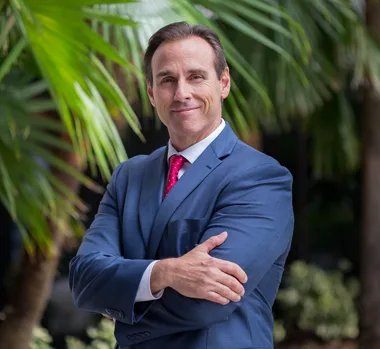 Richard P. Pravato Founding & Managing Attorney Board Certified in Civil Trial Law by The Florida Bar since 2004, and by the National Board of Trial Advocacy. Injury cases exclusively since 1996. Full profile →
 -
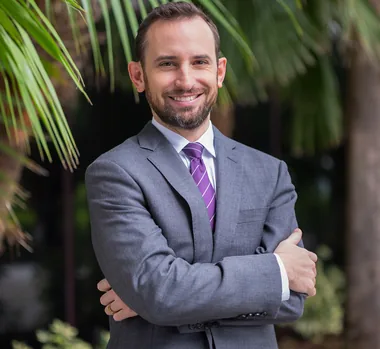 Brett J. Yonon Senior Trial Attorney Selected to Florida Super Lawyers in 2024 and 2025. Brett Yonon is who this firm puts on a catastrophic injury or a death in the family, and he has tried those cases to verdict. Full profile →
How insurance companies handle these claims
Almost every move in a rideshare claim is aimed at the same thing: establishing that the collision happened in a cheaper period than it did. Knowing that in advance explains most of what follows.
- The driver says the app was off
- It is checked from the company’s own trip records, which log when the app was on, when a request was accepted and when the ride ended, to the second. That data does not depend on the driver’s account and it is requested in writing. Where it shows a ride in progress, the $1 million tier applies rather than a personal policy that may carry Florida’s minimum limits and nothing more.
- The crash report says nothing about a trip
- Common, and not evidence of anything. Officers record what they are told, and a report that omits the app state simply reflects what was said at the roadside. It is neither a finding nor binding. The trip data is what settles it, which is why the preservation request goes out before anybody argues about the report.
- The lower waiting tier is applied
- The most valuable dispute in this practice, because the difference between the waiting tier and a prearranged ride is roughly a million dollars. The line is drawn at acceptance of a request and it runs until the last rider gets out. The company’s own timestamps establish it to the second, which is why the data is requested rather than debated.
What a claim can include
Medical care, past and future
Everything already billed and what the treating physicians say is still ahead, including the second operation nobody mentions in month one.
Lost income and lost earning capacity
Wages missed, and separately what somebody can no longer earn. For a driver, the vehicle is the job, and losing the use of either is the same loss.
Pain, and what daily life has become
Sleep, mobility, and the things somebody used to do without thinking about them. It is proved with the account of the people around the injured person as much as with records.
Why Wolf & Pravato in Fort Lauderdale
A Broward rideshare case is filed in the Seventeenth Judicial Circuit at the Broward County Courthouse, and this office has worked in it since 1993. Getting a preservation request to a platform quickly, and knowing what to ask it for, is what keeps the coverage question from being answered by whoever spoke first at the scene.
Richard Pravato has been Board Certified in Civil Trial law by The Florida Bar since 2004. The Bar lists 861 lawyers in the state holding it against a membership over 109,000. What it means in practice is that the other side knows the file can go in front of a jury, and files that can go to trial are priced differently from files that cannot.
The first conversation is free. We are paid out of the recovery or not at all, and if we do not think there is a claim worth bringing we will tell you that rather than take it.
Fort Lauderdale uber and lyft accident questions
The driver says he was not working. How is that checked?
By the company’s own trip records, which log when the app was on, when a request was accepted and when the ride ended, to the second. That data is requested in writing and does not depend on the driver’s account. Where it shows a ride in progress, the $1 million tier applies rather than a personal policy that may carry Florida’s minimum limits and nothing more.
I was hit by a rideshare driver. I was not in the car at all.
The same coverage is available to you. Another driver, a cyclist and a pedestrian struck while a prearranged ride is in progress all reach the same statutory policy, and for somebody on foot it is frequently the largest coverage available by a wide margin. Nothing at the scene identifies a car as being on a trip, which is why the trip data is requested rather than assumed.
I drive for a platform and somebody hit me.
That is the most awkward position in this practice and it is worth having read properly. There is generally no compensation claim, because drivers are not treated as employees. Your personal policy may exclude use while logged on, which is a common gap. What the company carries, and what uninsured motorist coverage you can reach, both depend on which period you were in. Send us the declarations page.
I was a passenger in an Uber. Who do I claim against?
Usually the rideshare company’s policy, which Florida requires to be at least $1 million while a prearranged ride is in progress, and potentially the at-fault driver if that was someone else. As a passenger you are rarely at fault, which removes most of the argument. Your own PIP still pays your first medical bills.
The driver says the app was off. Can that be checked?
Yes. The platform holds trip and app-status data showing exactly when a driver was logged on and when a ride was accepted. It we can get and it is not a matter of anyone’s word. Because it decides which coverage applies, it is one of the first things we request.
The questions that come up on every kind of claim, deadlines, fees, recorded statements and fault, are answered on our Florida injury claim FAQ.
More in Fort Lauderdale
Fort Lauderdale Personal Injury Lawyer
Everything we handle in Broward County, and where our office is.
View →Fort Lauderdale Workers Compensation Lawyer
Florida workers compensation lawyers.
View →Fort Lauderdale Dog Bite Lawyer
Florida dog bite lawyers.
View →Fort Lauderdale Bicycle Accident Lawyer
Florida bicycle accident lawyers.
View →
Tell us what happened
A lawyer will listen, tell you what Florida law does with those facts, and be straight with you about whether it is worth bringing. We are at 2101 W Commercial Blvd, Suite 1500, Fort Lauderdale, FL 33309.