











Wrongful Death in a Florida Rideshare or Uber Crash
By the Law Offices of Wolf & Pravato · Published July 10, 2026
Quick answer: When a rideshare crash causes a death, the available insurance depends on what the driver was doing at the time, and a substantial policy may apply during a trip. A wrongful-death claim can reach the at-fault driver, the rideshare company’s coverage, and others.
A ride that should have ended safely at home can instead end in tragedy when a rideshare crash takes a life, whether the person killed was a passenger, another driver, or a pedestrian. These wrongful-death cases carry insurance and liability questions that an ordinary crash does not, and sorting them out is where a compassionate Florida wrongful death lawyer begins.
When a rideshare trip ends in death
A fatal rideshare crash can involve several kinds of victims and several potential defendants, and the path to recovery depends on both who was killed and what the rideshare driver was doing. Because rideshare companies structure their insurance around the phases of a trip, a fatal crash often turns on facts that an ordinary two-car case would never require. Understanding that structure is the first step for a grieving family.
Who can a family hold responsible
A wrongful-death claim after a rideshare crash may reach more than one party.
The at-fault driver
The driver whose negligence caused the crash is the primary defendant, whether that is the rideshare driver or another motorist. If the rideshare driver was at fault, their conduct and the applicable coverage are central. If another driver caused the crash, that driver’s insurance is the first target, and a rideshare passenger who is killed may also have access to the rideshare company’s coverage, depending on the circumstances.
The rideshare company’s coverage
Rideshare companies carry substantial insurance that applies when their drivers are involved, and that coverage can be significant during an active trip. For a family facing the loss of a loved one, this coverage can be an important source of the compensation the law allows, particularly when an individual driver’s personal policy would be inadequate for a death. Identifying which layer of the company’s coverage applies is essential.
How the phase of the trip changes coverage
The defining feature of rideshare cases is that coverage shifts with what the driver was doing at the moment of the crash.
App off, waiting, and on a trip
Under Florida’s rideshare insurance rules, the coverage is structured in phases. When the app is off and the driver is using the car personally, only the driver’s personal policy applies. When the app is on but the driver has not yet accepted a ride, a limited layer of company coverage applies. Once the driver has accepted a ride and is en route or carrying a passenger, the highest level of coverage, a substantial liability policy, is typically in effect. That escalating structure means the same crash can implicate very different coverage depending on timing.
Why is the driver’s status decisive
Because the applicable coverage can change from one moment to the next, establishing exactly what the rideshare driver was doing when the fatal crash occurred is decisive. Whether the app was on, whether a ride had been accepted, and whether a passenger was aboard determine which policy responds and how much is available. In a death case, where the losses are enormous, pinning down that status can make the difference between limited and full recovery.
What the Wrongful Death Act provides
Under the Wrongful Death Act’s damages provisions, the recovery is meant for the surviving family and the estate. Survivors such as a spouse, children, and in some circumstances, parents may recover for lost support and services, loss of companionship and guidance, and mental pain and suffering, with the categories depending on each survivor’s relationship to the deceased. The estate can recover losses such as lost earnings and medical and funeral expenses. A personal representative brings the claim on the survivors’ behalf, and the Act defines who may claim which loss.
Proving a fatal rideshare crash
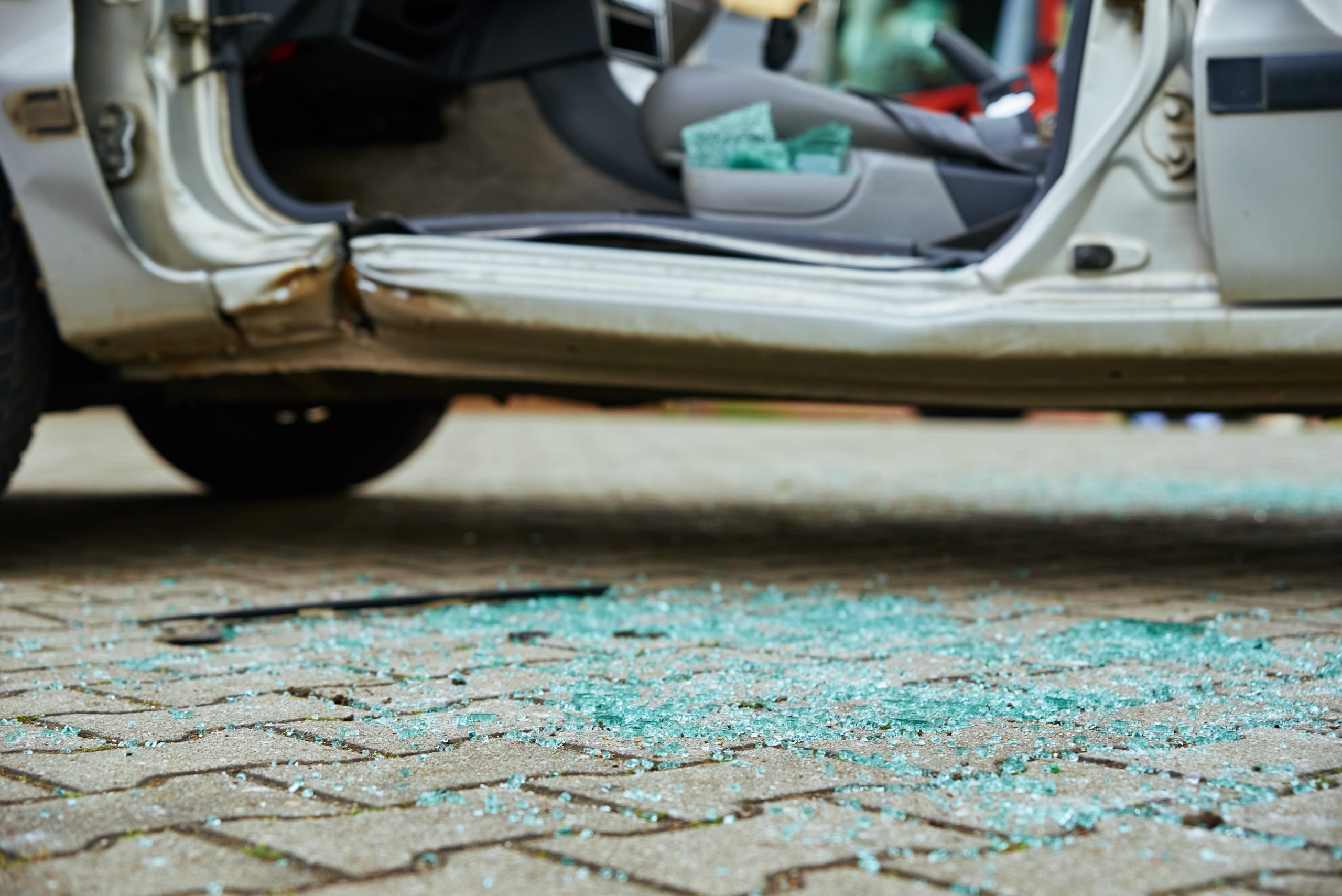
These cases require evidence of both fault and the driver’s rideshare status. The crash reconstruction, based on the point of impact, vehicle data, cameras, and witnesses, establishes who caused the death, while the rideshare app records, trip data, and the driver’s logs establish the phase of the trip and the applicable coverage. Because app data and other evidence can be lost, prompt action to preserve it is important, and reviewing what happens during a wrongful death lawsuit explains the process. Families can also reach Miami wrongful death lawyers.
How the family’s case proceeds
Understanding the shape of a wrongful-death case can ease some uncertainty for a family confronting a sudden loss.
The personal representative and survivors
A personal representative, often a close family member, must be appointed to bring the claim on behalf of the survivors and the estate, usually through probate. The survivors entitled to recover are identified early, since the categories of damages depend on their relationship to the deceased. Getting this structure right at the outset avoids later disputes about who shares in the recovery.
Compassion and patience for the family
There is no need to rush a grieving family before they are ready, and a measured approach that still respects the filing deadline usually serves both the family and the claim. Much of the early work, preserving the app data and reconstructing the crash, can proceed while the family is given room to grieve. Steady, compassionate advocacy is what these cases call for.
Above all, these cases are handled with the understanding that no outcome can restore what a family has lost. The role of the claim is to remove the added burden of financial strain and to hold every responsible party accountable, so the family can focus on grief and healing rather than on untangling rideshare insurance alone. That is the spirit in which a fatal rideshare case should be pursued from the first conversation onward.
Lost a loved one in a rideshare crash?
A fatal Uber or Lyft crash can implicate substantial coverage, but only if the driver’s status is established. The Law Offices of Wolf & Pravato preserve the evidence and pursue every source of recovery with compassion. Call 954-522-5800 for a free, private consultation.
Sources: Fla. Stat. §627.748; Fla. Stat. §768.21
Frequently Asked Questions:
Q1. Who can be held responsible in a fatal rideshare crash?
The at-fault driver is primary, whether the rideshare driver or another motorist. The rideshare company’s insurance may also apply when its driver is involved, and that coverage can be substantial during an active trip. The path depends on who was killed and what the driver was doing.
Q2. How does the phase of the trip affect coverage?
Rideshare insurance is structured in phases: only the personal policy applies when the app is off; a limited company layer applies when the app is on but no ride is accepted; and the fullest coverage applies once a ride is accepted and the driver is en route or carrying a passenger.
Q3. Why is the driver’s status so important in a death case?
Because the applicable coverage changes with what the driver was doing. Whether the app was on, a ride had been accepted, and a passenger was aboard determines which policy responds and how much is available, which can mean the difference between limited and full recovery.
Q4. What damages can survivors recover?
Under the Wrongful Death Act, survivors may recover for lost support and services, loss of companionship and guidance, and mental pain and suffering, depending on their relationship to the deceased, and the estate may recover lost earnings and medical and funeral expenses.
Q5. What if a passenger was killed in a rideshare crash?
A passenger who is killed may have claims against the at-fault driver and, depending on the circumstances, access to the rideshare company’s coverage, which is typically at its fullest while a passenger is aboard. A wrongful-death claim pursues those sources for the family.
Q6. What evidence is needed in a fatal rideshare case?
Crash reconstruction from the point of impact, vehicle data, cameras, and witnesses establishes fault, while the rideshare app records, trip data, and driver logs establish the phase of the trip and the coverage. Preserving the app data quickly is important.
Q7. Can a rideshare passenger’s family recover if the rideshare driver was not at fault?
Often yes. If another driver caused the crash, that driver’s insurance is a target, and the passenger may also have access to the rideshare company’s uninsured or underinsured coverage depending on the circumstances. A wrongful-death claim pursues every available source.
About the Firm
Published by the Law Offices of Wolf & Pravato
For nearly three decades, the Law Offices of Wolf & Pravato have represented injured Floridians and their families across South and Southwest Florida, exclusively on the plaintiff’s side. The firm is led by managing partner Richard P. Pravato, a Board-Certified Civil Trial Attorney (Florida Bar No. 86150). To reach the lawyer who handles cases in your area, visit our attorneys page, explore our practice areas, or learn more about our firm.
Law Offices of Wolf & Pravato · 2101 W. Commercial Blvd., Suite 1500, Fort Lauderdale, FL 33309 · 954-522-5800 · Free case evaluation: 844-643-7200
Disclaimer: This blog post is provided for general informational purposes only and does not constitute legal advice. Reading this content does not create an attorney-client relationship between you and the Law Offices of Wolf & Pravato. Laws change, and every case is different, so you should not act or rely on any information here without consulting a licensed Florida attorney about your specific situation. For advice regarding your circumstances, please contact our office for a free consultation.
Recent Posts
- Wrong Burial Plot and Grave-Site Errors in Fort Lauderdale

- Rainwater Falls at Fort Lauderdale Store Entrances

- Parking-Lot Backing Crashes in Fort Lauderdale: Who Has the Right of Way?
- Elevator and Escalator Injuries at Fort Lauderdale Shopping Centers
- Delivery Driver Car Accidents in Lakeland: Who Pays?

- Injured as a Passenger in Fort Lauderdale: Whose Insurance Pays?





FLORIDA’S PERSONAL INJURY ATTORNEYS FOR + 20 YEARS