












Spoliation: When a Defendant Destroys Crash Evidence in Florida
Spoliation: When a Defendant Destroys Crash Evidence in Florida
Published by the Law Offices of Wolf & Pravato on July 3, 2026.
Quick answer: Spoliation is the loss or destruction of evidence that a party had a duty to preserve. In a Florida car accident case, when a defendant destroys a vehicle, deletes data, or discards records after a crash, a court can impose sanctions, including an instruction that the jury may assume the evidence was unfavorable.
A car accident case is built on evidence, and sometimes the most important evidence is destroyed, whether carelessly or on purpose, before it can be examined. The law has a name for that: spoliation. Understanding it can be the difference between a provable case and one crippled by missing proof. The Florida car accident lawyers move quickly to keep crucial evidence from disappearing.
What does spoliation mean in a crash case
Spoliation is the loss, destruction, or material alteration of evidence that a party had a duty to preserve for pending or reasonably foreseeable litigation. In a crash case, it might mean a wrecked vehicle being scrapped before it can be inspected, a truck’s electronic data being overwritten, surveillance footage being taped over, or maintenance records being discarded. Whether the loss was intentional or merely negligent, it can seriously prejudice the injured person’s ability to prove what happened.
The evidence is most often lost or destroyed
Certain evidence is especially vulnerable. A vehicle’s event-data recorder and a commercial truck’s electronic logs can be overwritten within days. The vehicles themselves are repaired or scrapped, erasing physical proof of the impact. Surveillance and traffic-camera footage cycles automatically. In trucking cases, driver logs, maintenance files, and dispatch records can be routinely purged. Each of these can hold the key to fault, and each can vanish before a claim is even filed.
When the duty to preserve begins
A party’s obligation to preserve evidence does not wait for a lawsuit. The duty generally arises once litigation is pending or reasonably foreseeable, which, after a serious crash, can be almost immediately. Once a party knows or should know that evidence may be relevant to a likely claim, discarding or altering it can constitute spoliation. Recognizing when that duty attaches is central to holding a defendant to it.
The letter that puts a party on notice
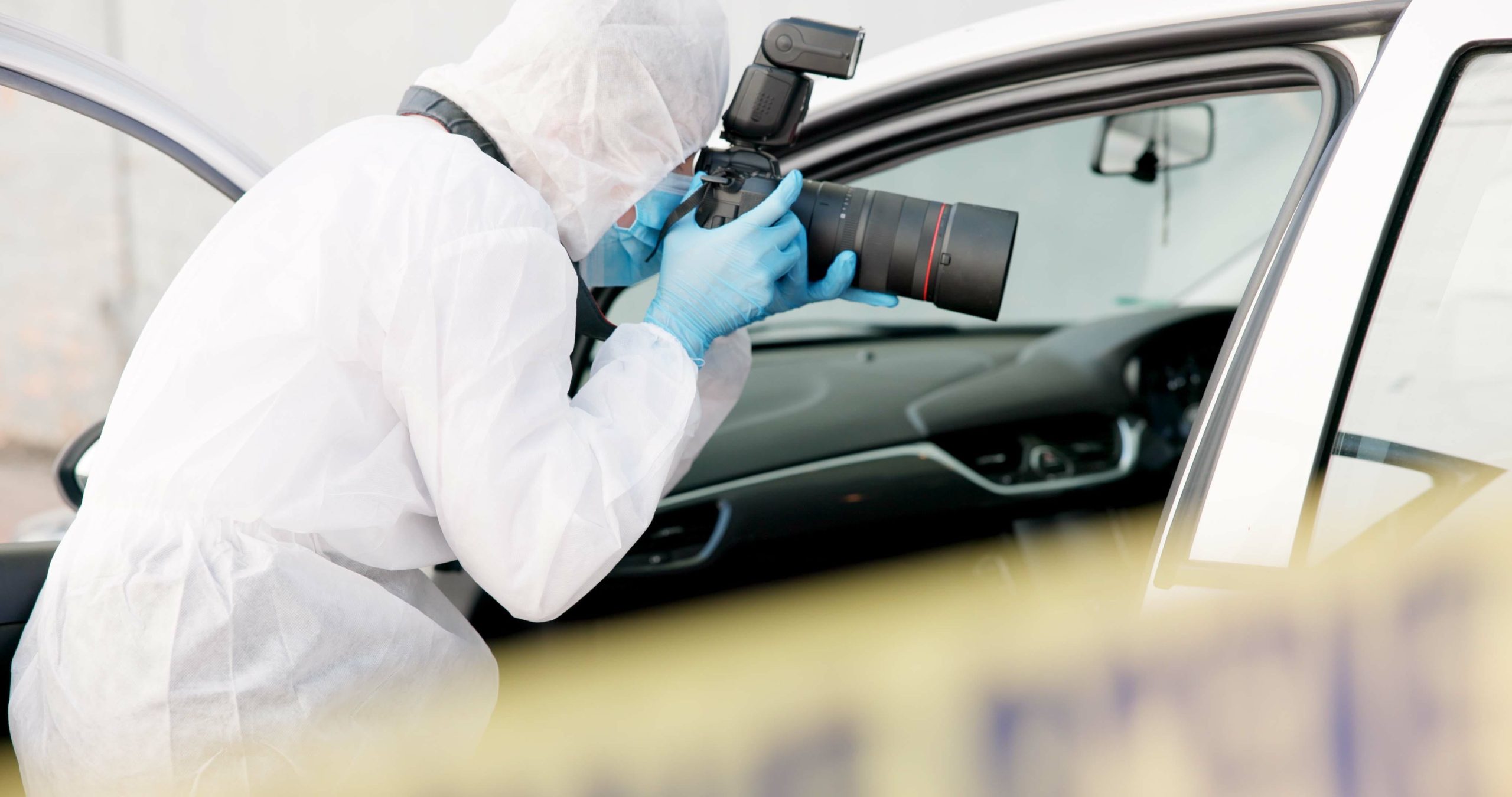
One of the most important early steps in a case is a preservation letter, a formal demand that the other side retain specific evidence: the vehicle, its data, footage, and records. The letter removes any doubt that the recipient was on notice of its duty to preserve, which strengthens the consequences if the evidence is later destroyed. Sending it promptly, before routine retention cycles erase the proof, is often decisive.
What can a court do about spoliation?
When a party destroys evidence it had a duty to keep, Florida courts have tools to address the harm, and the remedy depends on the severity and intent.
Sanctions against a party
Against a party to the case, a court may impose sanctions ranging from excluding certain defense evidence to, in extreme cases, striking defenses or entering judgment. The point is to level the playing field that the destruction tilted, ensuring the wrongdoer does not benefit from making the truth unavailable.
The adverse-inference instruction
A powerful remedy is the adverse-inference instruction, which tells the jury it may presume the missing evidence would have been unfavorable to the party that destroyed it. Rather than leaving the injured person with a gap, this turns the destruction against the wrongdoer, allowing the jury to infer what the lost evidence would have shown.
First-party versus third-party spoliation
Florida distinguishes between evidence destroyed by a party to the lawsuit and evidence destroyed by an outside person or company. The remedies for a party’s destruction come through sanctions and inferences within the case, as described above. When a third party who is not a defendant destroys evidence, the available remedies are more limited under Florida law, which is another reason to secure evidence directly and early rather than rely on others to preserve it.
How spoliation can shape a car accident case
In a case governed by Florida’s fault rules, missing evidence can be devastating because comparative negligence (§768.81) lets a defendant argue the injured person shared blame, and the destroyed proof might have refuted that argument. This all sits alongside Florida’s no-fault framework (§627.736) for the initial benefits. Preserving the evidence, or holding a defendant accountable for destroying it, can restore an injured person’s ability to prove the case.
Why acting before evidence vanishes is critical
The through-line of every spoliation problem is time. The most important crash evidence, data, footage, the vehicles, is on a short clock, and much of it is controlled by the very parties with an incentive to see it gone. Acting immediately to send preservation demands and secure the proof, while also meeting the statute of limitations (§95.11), is the surest protection against a case undone by missing evidence.
Real examples of case-changing spoliation
Spoliation is not an abstraction; it decides real cases. In a trucking crash, a carrier’s failure to preserve the driver’s electronic logs and the truck’s data, after a duty to keep them had clearly arisen, can lead a court to instruct the jury to assume those records would have shown a violation. In a passenger-vehicle case, a defendant who repairs or scraps the car before it can be inspected may lose the ability to contest how the impact occurred. In each, the destruction shifts the advantage to the injured party rather than rewarding the party that made the truth disappear.
An injured person’s own duty to preserve
Preservation is not only the other side’s obligation; an injured person should protect their own evidence too. That means not rushing to repair or dispose of a damaged vehicle before it and its data have been documented, keeping damaged property, clothing, and medical records, and photographing everything early. Because the injured person’s vehicle can hold data and physical proof just as valuable as the defendant’s, safeguarding it preserves the ability to prove the case and forecloses an argument that the claimant, too, let evidence slip away.
In the end, a party that destroys evidence should not profit from doing so, and Florida’s spoliation remedies exist to make sure it does not, provided the injured person acts before the proof is gone and holds the destroyer to account.
See also: suing a bar under Florida’s dram shop law.
Worried Crash Evidence Is Being Destroyed?
The most important evidence in a crash case can vanish in days, so preservation cannot wait. The team behind our Florida car accident lawyers page can act fast to protect it, including in cases handled by our Miami car accident lawyers and West Palm Beach motorcycle accident lawyers teams. Call 954-522-5800 or 844-643-7200 now.
Sources: Florida Statutes §768.81 (comparative fault); Florida Statutes §627.736 (PIP / No-Fault); Florida Statutes §95.11 (statute of limitations)
About the Firm
Published by the Law Offices of Wolf & Pravato
For nearly three decades, the Law Offices of Wolf & Pravato have represented injured Floridians and their families across South and Southwest Florida, exclusively on the plaintiff’s side. The firm is led by managing partner Richard P. Pravato, a Board-Certified Civil Trial Attorney (Florida Bar No. 86150). To reach the lawyer who handles cases in your area, visit our attorneys page, explore our practice areas, or learn more about our firm.
Law Offices of Wolf & Pravato · Florida (statewide) · 954-522-5800 · Free case evaluation: 844-643-7200
FAQs
Q1. What is spoliation of evidence?
It is the loss, destruction, or material alteration of evidence that a party had a duty to preserve for pending or foreseeable litigation. In a crash case that might mean a scrapped vehicle, overwritten data, taped-over footage, or discarded records. Whether intentional or negligent, it can seriously prejudice an injured person’s case.
Q2. When does a party’s duty to preserve evidence begin?
Generally once litigation is pending or reasonably foreseeable, which after a serious crash can be almost immediately. Once a party knows or should know that evidence may be relevant to a likely claim, discarding or altering it can constitute spoliation, even before any lawsuit is actually filed.
Q3. What can a court do if a defendant destroys evidence?
Florida courts can impose sanctions ranging from excluding defense evidence to striking defenses in extreme cases, and can give an adverse-inference instruction, telling the jury it may presume the missing evidence would have been unfavorable to the party that destroyed it. The remedy depends on the severity and intent.
Q4. What is a preservation letter?
A formal demand sent early that requires the other side to retain specific evidence, the vehicle, its data, footage, and records. It removes any doubt that the recipient was on notice of its duty to preserve, strengthening the consequences if the evidence is later destroyed. Sending it promptly is often decisive.
Q5. Is there a difference between who destroys the evidence?
Yes. Florida treats destruction by a party to the lawsuit differently from destruction by an outside person or company. A party’s destruction is addressed through sanctions and inferences within the case, while remedies against a non-party are more limited, which is why securing evidence directly and early matters.
Q6. Why is it so important to act quickly?
Because the most important crash evidence, event data, footage, and the vehicles themselves, is on a short clock and often controlled by parties with an incentive to see it gone. Acting immediately to send preservation demands and secure the proof, while meeting the filing deadline, protects the case.
Disclaimer: This blog post is provided for general informational purposes only and does not constitute legal advice. Reading this content does not create an attorney-client relationship between you and the Law Offices of Wolf & Pravato. Laws change and every case is different, so you should not act or rely on any information here without consulting a licensed Florida attorney about your specific situation. For advice regarding your circumstances, please contact our office for a free consultation.
Recent Posts
- Wrong Burial Plot and Grave-Site Errors in Fort Lauderdale

- Rainwater Falls at Fort Lauderdale Store Entrances

- Parking-Lot Backing Crashes in Fort Lauderdale: Who Has the Right of Way?
- Elevator and Escalator Injuries at Fort Lauderdale Shopping Centers
- Delivery Driver Car Accidents in Lakeland: Who Pays?

- Injured as a Passenger in Fort Lauderdale: Whose Insurance Pays?





FLORIDA’S PERSONAL INJURY ATTORNEYS FOR + 20 YEARS