













Pedestrian Crashes on Biscayne Boulevard and Downtown Miami Corridors
By the Law Offices of Wolf & Pravato · Published July 7, 2026
Quick answer: Wide, high-volume corridors like Biscayne Boulevard mix fast traffic with heavy foot traffic, and pedestrians crossing lawfully are often struck by drivers who speed, turn without looking, or ignore a crossing. Fault usually rests with the driver.
Biscayne Boulevard and the wide avenues that run through downtown Miami carry heavy vehicle traffic and, at the same time, crowds of people on foot heading to work, transit, restaurants, and events. That mix, on roads designed to move cars quickly, makes these corridors among the most dangerous places for pedestrians in the region. When a driver strikes a person crossing lawfully, a Miami pedestrian accident lawyer builds the case around how the corridor and the driver’s conduct combined.
Why downtown corridors are so dangerous on foot
Several features of these urban corridors work against pedestrians, and understanding them helps explain why the crashes happen.
Wide roads built for speed
Boulevards like Biscayne are wide, multi-lane roads that encourage higher speeds, and the more lanes a pedestrian must cross, the longer they are exposed to traffic. A wide crossing gives a distracted or speeding driver more chances to strike someone and gives a pedestrian less margin to reach safety. The very design that moves vehicles efficiently raises the danger to people on foot.
Crowds, distraction, and constant turns
Downtown streets are busy in every direction, with vehicles turning into and out of side streets, garages, and driveways while drivers contend with signals, other cars, and distractions. In that environment, a driver’s attention is divided, and a pedestrian in a crosswalk can be overlooked. The constant flow of turning traffic across pedestrian paths is a recurring source of these crashes.
How these crashes usually happen
Two patterns account for a large share of downtown pedestrian strikes, and both usually reflect driver error.
Turning drivers and failure to yield
A driver turning left or right across a crosswalk while focused on gaps in traffic frequently fails to yield to a pedestrian crossing with the signal. The pedestrian, lawfully in the crosswalk, is struck by a vehicle whose driver never checked the crossing. Failure to yield while turning is one of the most common causes of injury on these corridors.
Speed and long distances between crossings
On wide corridors, marked crossings can be far apart, and a driver traveling too fast for the setting may be unable to stop for a pedestrian, whether at a crossing or where someone crossed because the nearest signal was blocks away. Excessive speed shortens a driver’s reaction time and lengthens the stopping distance, turning a survivable situation into a serious crash.
Who has the right of way
Fault in these cases often turns on the right of way, which Florida’s pedestrian statute defines. A pedestrian crossing with a walk signal or lawfully within a crosswalk generally has the right of way, and drivers must yield. The statute also sets out the duties of pedestrians, including when they must yield to vehicles, but a driver still must use due care to avoid a person who is visible in the road. Establishing that a pedestrian was crossing lawfully is usually the anchor of the claim.
The driver defenses and comparative fault
Drivers commonly argue the pedestrian crossed against the signal, stepped out suddenly, or crossed mid-block. Even where a pedestrian bears some responsibility, Florida’s comparative fault statute reduces recovery by that share rather than barring it, and it does not excuse a driver’s speeding or failure to yield. On corridors where crossings are far apart, the reasonableness of a pedestrian’s choices is itself a fact question, and careful evidence keeps blame from being shifted unfairly onto the injured person.
The evidence that proves a corridor crash
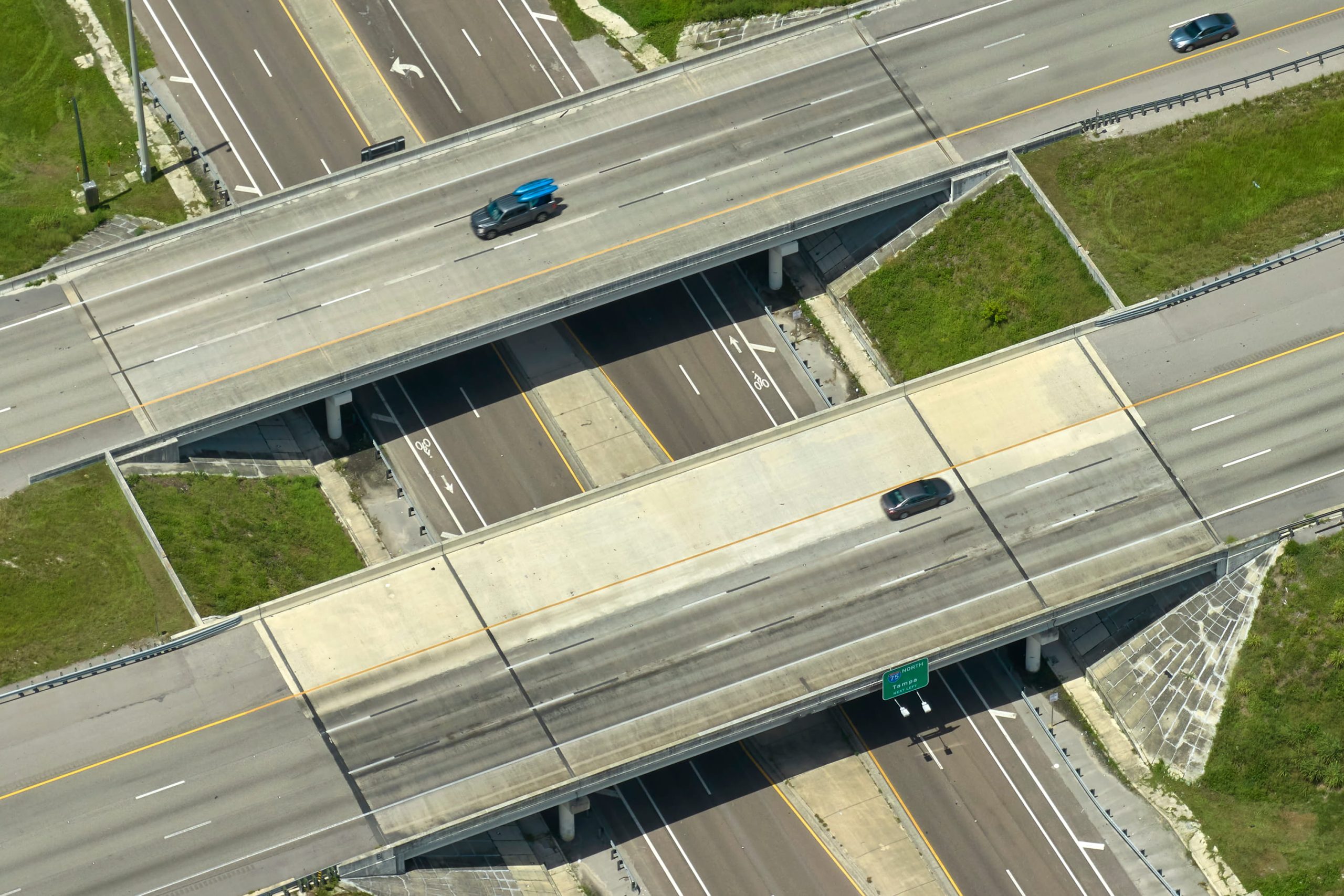
Downtown crashes often leave a strong evidentiary trail. Traffic-signal timing records, the dense network of city, transit, business, and building cameras, and dashcams can capture the crossing and the vehicle’s speed and path. The point of impact, the pedestrian’s position, and the vehicle’s damage help reconstruct the crash. Because footage is frequently overwritten within days, moving quickly to identify and preserve it is one of the most valuable early steps. Victims can review statewide guidance from Florida pedestrian accident lawyers or reach our Miami injury team.
The injuries a corridor strike causes
A pedestrian struck on a fast urban boulevard has no protection, so even a single impact can cause grave and lasting harm.
Severe harm to an unprotected person
With nothing between the body and the vehicle, a struck pedestrian can suffer fractures, internal injuries, and traumatic brain injury, and being thrown to the pavement adds a second source of harm. On corridors where speeds are higher, the injuries tend to be more severe, frequently requiring surgery, hospitalization, and long rehabilitation, and some leave permanent effects.
Damages beyond the medical bills
A full claim accounts for future medical care, lost income and earning capacity, and the pain, disability, and disfigurement the crash caused. Where an injury ends a person’s ability to work or live independently, those losses are central rather than incidental. Presenting the complete picture with medical and, where needed, vocational evidence gives the claim its proper value.
Because the gap between a pedestrian’s first impression of their injuries and the full, long-term reality tends to be wide, resolving a claim too early is a real risk. An injury that seems to be improving can leave lasting effects on mobility, cognition, or the ability to return to work, and those consequences deserve to be valued rather than assumed away. Letting the medical picture develop, with the guidance of treating physicians, is what gives a struck pedestrian a genuine chance at a full recovery.
Struck by a car on a downtown Miami corridor?
A pedestrian crossing lawfully on a busy boulevard should not bear the blame for a driver’s failure to yield or slow down. The Law Offices of Wolf & Pravato gather the signal data and footage that show what happened. Call 954-522-5800 for a free consultation.
Sources: Fla. Stat. §316.130; Fla. Stat. §768.81
Frequently Asked Questions:
Q1. Why are downtown Miami corridors so dangerous for pedestrians?
Wide, multi-lane boulevards encourage higher speeds and expose crossing pedestrians to traffic longer, while heavy foot traffic, constant turning vehicles, and driver distraction increase the chance of a strike. The design that moves cars quickly raises the danger to people on foot.
Q2. Who has the right of way on Biscayne Boulevard crosswalks?
A pedestrian crossing with a walk signal or lawfully within a crosswalk generally has the right of way, and drivers must yield. Florida’s pedestrian statute defines these rights and duties, and drivers must use due care to avoid a visible pedestrian.
Q3. What usually causes these pedestrian crashes?
Two patterns dominate: drivers turning across a crosswalk who fail to yield to a pedestrian crossing with the signal, and drivers traveling too fast to stop, especially on wide corridors where crossings are far apart. Both usually reflect driver error.
Q4. What if I crossed away from a marked crosswalk?
Crossing mid-block does not automatically bar a claim. On corridors where crossings are far apart, the reasonableness of that choice is a fact question, and a driver still must use due care to avoid a visible pedestrian. Comparative fault may apply but does not necessarily defeat the claim.
Q5. Can I recover if I was partly at fault?
Yes. Florida uses comparative fault, so a pedestrian who bears some responsibility can still recover, with the award reduced by that share. A partial fault finding does not eliminate a driver’s liability for speeding or failing to yield.
Q6. What evidence helps prove a downtown pedestrian crash?
Traffic-signal timing records, city, transit, business, and building camera footage, dashcams, the point of impact, and the pedestrian’s position all help reconstruct the crash. Because footage is often overwritten quickly, preserving it early is important.
Q7. How soon should I act after being hit downtown?
As soon as possible. Camera footage in busy areas is frequently overwritten within days, and prompt action preserves that and other evidence. Seeking medical care early also protects health and ties the injuries to the crash.
Q8. What if there was no marked crosswalk where I was hit?
A claim is not automatically barred. On wide corridors, crossings can be far apart, and the reasonableness of where a pedestrian crossed is a fact question. A driver still must use due care to avoid a visible pedestrian, so fault often remains with the driver.
About the Firm
Published by the Law Offices of Wolf & Pravato
For nearly three decades, the Law Offices of Wolf & Pravato have represented injured Floridians and their families across South and Southwest Florida, exclusively on the plaintiff’s side. The firm is led by managing partner Richard P. Pravato, a Board-Certified Civil Trial Attorney (Florida Bar No. 86150). To reach the lawyer who handles cases in your area, visit our attorneys page, explore our practice areas, or learn more about our firm.
Disclaimer: This blog post is provided for general informational purposes only and does not constitute legal advice. Reading this content does not create an attorney-client relationship between you and the Law Offices of Wolf & Pravato. Laws change and every case is different, so you should not act or rely on any information here without consulting a licensed Florida attorney about your specific situation. For advice regarding your circumstances, please contact our office for a free consultation.
Recent Posts
- Wrong Burial Plot and Grave-Site Errors in Fort Lauderdale

- Rainwater Falls at Fort Lauderdale Store Entrances

- Parking-Lot Backing Crashes in Fort Lauderdale: Who Has the Right of Way?
- Elevator and Escalator Injuries at Fort Lauderdale Shopping Centers
- Delivery Driver Car Accidents in Lakeland: Who Pays?

- Injured as a Passenger in Fort Lauderdale: Whose Insurance Pays?





FLORIDA’S PERSONAL INJURY ATTORNEYS FOR + 20 YEARS