Who Has Legal Standing to Sue a Funeral Home in Florida
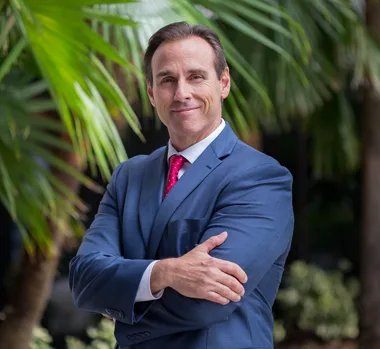 By Richard P. Pravato, Board Certified in Civil Trial Law Published June 19, 2026
When a funeral home mishandles a loved one’s remains or breaks its promises, families are left grieving and angry, and they often want to hold the funeral home accountable. But not everyone automatically has the legal right to sue. Florida law limits who has standing to bring a claim, and understanding those rules is the first step. A Florida funeral home negligence lawyer can help your family determine who is entitled to pursue a case.
What ‘Legal Standing’ Means
Standing is the legal right to bring a lawsuit. To sue a funeral home, a person generally must have a close enough relationship to the deceased, or a direct enough stake in the harm, that the law recognizes their right to seek a remedy. Our overview of who has the right to sue for funeral negligence explains the general principles that apply.
Who Usually Has the Right to Sue
In most funeral negligence cases, the people with standing are the close surviving family members, typically a surviving spouse, adult children, parents, or the person legally responsible for the arrangements. The law focuses on those who suffered the direct emotional harm of the mishandling and those who had the legal authority over the deceased’s final arrangements.
The Person With the Right to Control Disposition
Florida recognizes that a specific person usually holds the legal right to control the disposition of the body, the decisions about burial, cremation, and final arrangements. That person, often the surviving spouse or next of kin in a defined order, frequently has the clearest standing to sue when those rights are violated. When a funeral home disregards the wishes of the person with that authority, it can give rise to a strong claim.
When More Than One Family Member Is Involved
Families are not always united, and disputes can arise over who has the right to make decisions and who can sue. Multiple family members may have suffered harm, but the law sorts out priority. These situations can be emotionally charged and legally complex, which is why guidance from an attorney is valuable in identifying who should bring the claim and how to handle competing interests.
What Claims a Family Can Bring
Depending on the facts, a family may pursue claims for negligent handling of remains, breach of contract, emotional distress, and violations of Florida’s funeral statutes. The harm in these cases is often primarily emotional, the anguish of learning a loved one’s body was lost, mishandled, or disrespected, and Florida law recognizes that this kind of suffering can be compensable in funeral negligence cases.
Florida’s Regulatory Framework
Florida funeral establishments operate under Florida Statutes Chapter 497, which sets the standards for licensing, conduct, and the handling of remains and arrangements. When a funeral home violates these standards, that violation can support both a regulatory complaint and a civil claim by those with standing.
 Filing a Complaint vs. a Lawsuit
Families can report misconduct to Florida’s state funeral board, which can investigate and discipline licensees. A complaint, however, does not compensate the family. To recover damages, those with legal standing must pursue a civil claim. The two paths can proceed together, and an attorney can advise on both.
Deadlines You Cannot Miss
Funeral negligence claims are subject to Florida’s §95.11 deadline and related limitation periods, which vary by the legal theory. Waiting too long can bar a valid claim. If your family is considering action against a funeral home, you can talk to our team for a free, confidential review.
Why These Cases Are So Emotionally Difficult
Funeral negligence cases are unlike most other claims because the harm is so deeply personal. Families come to a funeral home at the worst moment of their lives, trusting it to handle a loved one with dignity. When that trust is broken, through a lost or misidentified body, a botched cremation, or disregarded wishes, the pain is profound and lasting. The law recognizes that this emotional harm is real and, in funeral cases, often compensable on its own. Pursuing a claim is not about money for its own sake; it is about accountability and ensuring a funeral home cannot treat another grieving family the same way.
Gathering the Evidence Your Claim Needs
Building a funeral negligence case requires careful documentation. Keep the original contract and any amendments, all receipts and payment records, and written communications with the funeral home, and note the dates and names from any phone conversations. Photographs, where appropriate, and the records of any other professionals involved, such as a cemetery or crematory, can also be important. Because the funeral home controls many of its own records, an attorney can formally request documents and licensing history. A provider’s prior disciplinary record can be especially telling when it shows a pattern of similar misconduct.
How an Attorney Helps Your Family
When a family is grieving, the last thing they want is a drawn-out fight with a funeral home that stalls or denies wrongdoing. An attorney can shoulder that burden, identifying who has standing, gathering the evidence, dealing with the funeral home and its insurer, and pursuing both a regulatory complaint and a civil claim where appropriate. Because standing and local procedure can turn on where the funeral home operates, working with a lawyer who knows the area matters, whether you need a funeral home negligence lawyer in Miami, a funeral home negligence lawyer in Fort Lauderdale, or a funeral home negligence lawyer in Fort Myers. Just as importantly, a lawyer can handle the process with the sensitivity these cases require, allowing the family to focus on healing while someone else works to hold the funeral home accountable for the harm it caused.
Common Forms of Funeral Home Negligence
Understanding what kinds of misconduct give rise to a claim can help a family recognize when something has gone seriously wrong. Funeral home negligence takes many forms, and the people with legal standing can pursue claims for any of them. Among the most common are losing, misplacing, or misidentifying a body; releasing remains to the wrong family; cremating the wrong person or commingling cremated remains; performing an unauthorized embalming or cremation against the family’s wishes; mishandling or improperly storing a body so that it deteriorates; and disregarding specific religious or cultural instructions for the funeral or burial. Other cases involve financial misconduct, such as charging for services that were never provided or substituting a cheaper casket or urn than the one the family paid for. What unites these scenarios is a breach of the trust and duty a funeral home owes to grieving families. When that breach causes emotional or financial harm, those with standing may be entitled to compensation, and documenting exactly what happened, with the help of an attorney, is the first step toward holding the funeral home responsible and preventing it from harming another family in the same way.
How Wolf & Pravato Can Help
For decades, Wolf & Pravato has fought for injured Floridians and grieving families across South and Southwest Florida. We serve families throughout the region:
| Region | Areas We Serve |
|---|---|
| South Florida (Miami-Dade & Broward) | Funeral home negligence lawyer in Miami Beach, Hialeah, Hollywood, Pompano Beach, and Coral Springs |
| Palm Beach County | Funeral home negligence lawyer in Boynton Beach and West Palm Beach |
| Southwest Florida | Funeral home negligence lawyer in Cape Coral and Naples |
| Central Florida | Funeral home negligence lawyer in Lakeland |
You can also learn how our funeral home negligence attorneys handle these claims statewide. Our attorneys investigate the facts, identify every responsible party, and pursue the full compensation our clients deserve, and you pay nothing unless we win your case. If you need a who can sue a funeral home florida, call us today at 1-800-THE-WOLF (1-800-843-9653) for a free, no-obligation consultation, or reach out through our contact page to discuss your situation with our team.
FAQs
Q1. Who has the right to sue a funeral home in Florida?
Generally close surviving family members, such as a spouse, adult children, or parents, and the person who had legal authority over the final arrangements. The specific facts determine who has standing.
Q2. What is the ‘right to control disposition’?
It is the legal authority to decide how a loved one’s remains are handled, including burial or cremation. The person holding that right often has the clearest standing to sue when it is violated.
Q3. Can more than one family member sue?
Multiple family members may have suffered harm, but the law sorts out priority and standing. An attorney can help identify who should bring the claim and how to handle competing interests.
Q4. What kinds of claims can a family bring against a funeral home?
Claims can include negligent handling of remains, breach of contract, emotional distress, and violations of Florida’s funeral statutes, depending on the facts.
Q5. Is emotional distress compensable in funeral cases?
Yes. The harm in funeral negligence cases is often primarily emotional, and Florida law recognizes that this suffering can be compensable when a funeral home’s misconduct caused it.
Q6. Should I file a complaint with the state or sue?
You can do both. A complaint to the state funeral board can prompt discipline, but only a civil claim can recover compensation for your family’s losses.
Q7. How long do we have to sue a funeral home?
Funeral negligence claims are subject to Florida’s statutes of limitations, which vary by legal theory. Waiting too long can bar a valid claim, so consult an attorney promptly.
Q8. What does it cost to consult a funeral negligence lawyer?
Our consultations are free, and we work on contingency, so there is no fee unless we recover compensation for your family.
Disclaimer: This blog post is provided for general informational purposes only and does not constitute legal advice. Reading this content does not create an attorney-client relationship between you and the Law Offices of Wolf & Pravato. Laws change and every case is different, so you should not act or rely on any information here without consulting a licensed Florida attorney about your specific situation. For advice regarding your circumstances, please contact our office for a free consultation.
Related reading
 Funeral Home Negligence
Medical Examiner & Funeral Home Evidence Issues in Florida
Richard P. Pravato  Funeral Home Negligence
 Funeral Director License Lookup & DBPR Discipline In Florida
Richard P. Pravato  Funeral Home Negligence
 When a Florida Funeral Home Refuses to Release a Loved One's Remains
Richard P. Pravato