Hotel and Resort Injuries in Miami: Pools, Elevators, and Negligent Security
 By Richard P. Pravato, Board Certified in Civil Trial Law Published June 22, 2026
The Hotel’s Duty to Guests
Hotels and resorts owe their guests a high duty of care to keep the property reasonably safe. Florida’s premises-liability principles, reflected in Florida’s premises-liability standard (§768.0755) and related law, require a property to inspect for hazards, fix or warn of dangers, and protect guests from foreseeable harm. A guest is an invitee, owed the strongest protection the law provides, and our overview of what you can sue a hotel for surveys the kinds of claims that arise.
Pool, Water, and Beach Hazards
Water is central to the Miami resort experience, and it is also where many of the most serious injuries happen.
Pool and Pool-Deck Injuries
Pools are a centerpiece of Miami resorts and a frequent source of injury. Slick, untreated pool decks, standing water, broken tiles, and missing slip-resistant surfaces cause falls that can fracture bones and cause head injuries. A property that fails to maintain a safe deck, or to address a recurring hazard, can be liable when a guest is hurt.
Drowning and Inadequate Pool Safety
Beyond slip-and-falls, pools raise the gravest risk of all: drowning. Inadequate fencing or gates, missing depth markings, broken or non-compliant drain covers, poor lighting, and the absence of warnings or required safety equipment can contribute to a drowning or near-drowning, often involving children. These are among the most serious premises cases, and they turn on whether the property met its safety obligations.
Children and Pool Safety at Resorts
Families with children are drawn to Miami’s resort pools, and children face the greatest risk when a pool area is not properly secured. Self-latching gates, compliant fencing, clear depth markings, and attentive supervision where it is promised all matter. A property that lets these safeguards lapse can be responsible when a child is hurt, and these cases are among the most serious a resort can face.
Beach, Watercraft, and Activity Injuries
Many Miami resorts offer beach access, water activities, jet skis, and excursions, and injuries can arise when these are poorly supervised or maintained. A resort that provides or arranges an activity has a responsibility not to expose guests to unreasonable danger, whether through faulty equipment, inadequate supervision, or failure to warn of known risks. These injuries can be serious, and determining responsibility often involves the resort, the activity operator, and any equipment provider.
Other Common Hotel Hazards
Away from the water, a hotel presents its own set of dangers throughout the property.
Elevator and Escalator Injuries
High-rise Miami hotels rely on elevators and escalators, and when these are poorly maintained, they can cause serious harm, sudden drops, misleveling that trips guests, doors that close on people, or entrapment. A hotel and its elevator-maintenance company have a duty to inspect and maintain this equipment, and a failure to do so can support a claim when a malfunction injures a guest.
 Slip and Falls Throughout the Property
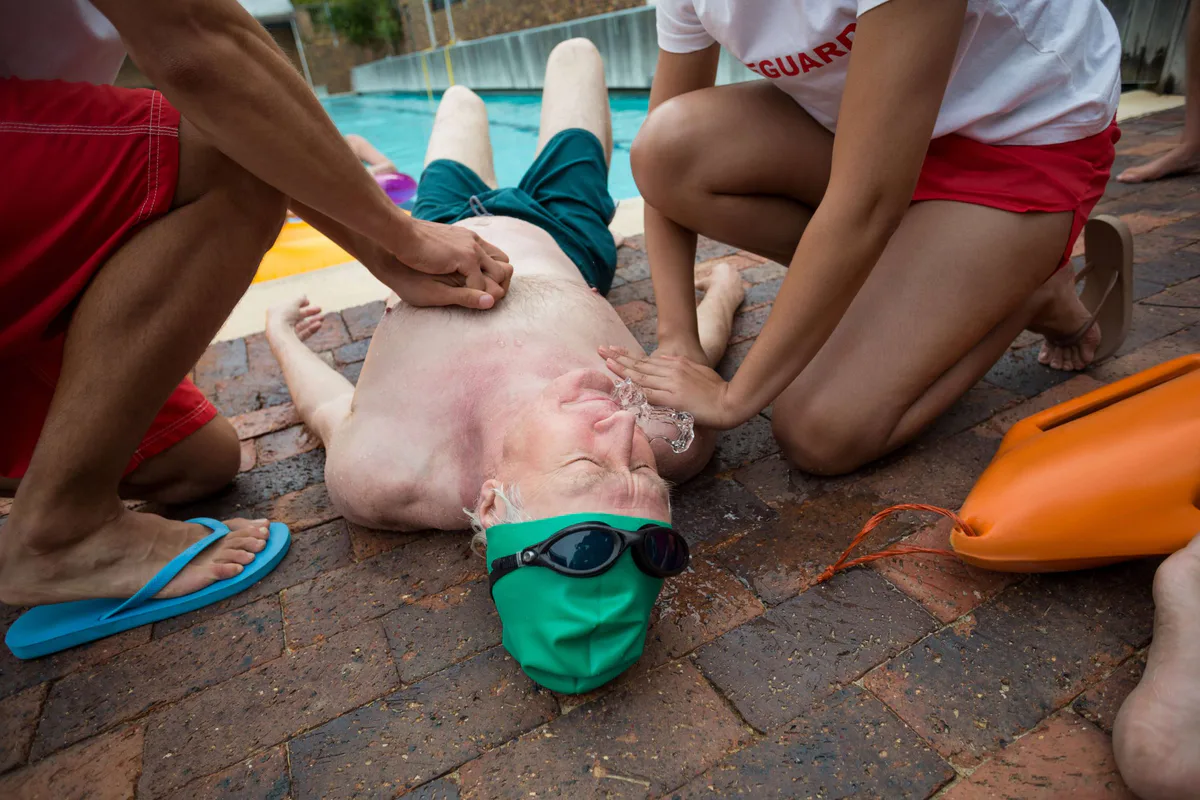
Beyond the pool, hotels present fall hazards throughout, wet lobby floors, spills in restaurants and bars, freshly mopped hallways, and water tracked in from the beach or rain. The same notice rule that governs any Florida slip-and-fall applies: the property must have known, or should have known, about the hazard. Surveillance footage and housekeeping records often determine these cases.
Negligent Security at Hotels
Hotels can also be liable for negligent security when they fail to protect guests from foreseeable crime. Inadequate lighting, broken locks or key-card systems, absent or poorly trained security, and ignoring a known pattern of crime can allow an assault, robbery, or worse. When a property’s security failures lead to a guest being harmed, the hotel may share responsibility along with the attacker.
Balcony, Stair, and Lighting Hazards
Other common hotel hazards include defective or low balcony railings, broken or poorly lit stairwells, uneven walkways, and malfunctioning doors. A high-rise balcony with an unsafe railing, or a dim stairwell with a loose step, can cause catastrophic injuries. These conditions, when the property knew or should have known about them, support a premises-liability claim.
Food Poisoning and Sanitation Claims
Hotels and resorts serve food at restaurants, bars, buffets, and through room service, and a guest who becomes seriously ill from contaminated or improperly handled food may have a claim. These cases turn on linking the illness to the food and showing a failure to follow safe food-handling practices. An outbreak affecting multiple guests, or a health-inspection record of violations, can be important evidence that a property fell short of its obligations.
Who Is Liable and How Claims Work
When a hotel injury is serious, sorting out who is responsible, and how Florida law applies, shapes the entire claim.
Who May Be Responsible
Liability for a hotel injury may extend beyond the hotel brand to the property owner, the management company that operates it, a maintenance or security contractor, and, for equipment like elevators, the service company. Large hotels often have layered ownership and substantial insurance. Identifying every responsible party is essential, particularly when injuries are serious.
How Shared Fault and Deadlines Apply
Under comparative negligence (§768.81), any fault assigned to the guest reduces the recovery, and claims are subject to Florida’s §95.11 deadline. Because hotel video and records disappear quickly, and visitors often leave soon after, acting fast matters. If you were hurt at a Miami hotel or resort, you can talk to our team for a free review.
Why Resorts Fight These Claims
Large hotel and resort companies and their insurers tend to defend injury claims aggressively, because they handle many of them and want to limit their exposure. They may dispute that a hazard existed, argue the guest was careless, or downplay the injuries. Meeting that defense takes prompt investigation, the property’s own records, and an understanding of how Florida premises law applies, which is why early legal help is so valuable.
Protecting Your Claim After a Hotel Injury
What you do in the hours and days after a hotel injury can determine whether the property can be held accountable.
Tourists and Out-of-State Guests
Many hotel-injury victims are visitors from out of state or abroad. You do not have to remain in Florida to pursue a claim for an injury that happened here; a Florida attorney can handle the case while you recover at home. What matters most is documenting the hazard and reporting the injury before you leave, because hotel video and records are easiest to secure right away.
What Our Attorneys Do First
In the Miami hotel and resort cases the firm handles, the first priority is preserving the property’s surveillance footage, maintenance and inspection records, and, in security cases, the crime history and incident reports, before they are lost. We see large hotel chains defend these claims aggressively, so capturing the scene with photographs and acting quickly to demand the records is what protects the case.
Why Prompt Reporting Protects You
Whatever the injury, reporting it to hotel management right away and asking for a written incident report creates an official record while the details are fresh. Photographing the hazard, getting the names of any witnesses, and seeking medical care promptly all strengthen a claim. This is especially important for visitors who will soon leave Florida, because the property’s video and records are far easier to secure while you are still there and the incident is recent.
Injured at a Miami Hotel or Resort?
From pool-deck falls to elevator malfunctions to negligent security, a hotel that fails to keep guests safe can be held responsible. The team behind our Miami premises liability lawyer page can investigate and pursue your claim. Call 954-522-5800 or 844-643-7200 for a free case evaluation, any time.
Sources: Florida Statutes §768.0755 (premises liability); Florida Statutes §95.11 (statute of limitations)
FAQs
Q1. Can I sue a Miami hotel for an injury?
Yes, if the hotel’s negligence caused your injury. Hotels owe guests a high duty to keep the property reasonably safe and to protect them from foreseeable harm.
Q2. What if I was hurt on a slippery pool deck?
A property that fails to maintain a safe, slip-resistant deck or to address a recurring hazard can be liable when a guest falls and is injured.
Q3. Can a hotel be liable for a drowning?
Possibly. Inadequate fencing, missing depth markings, non-compliant drain covers, poor lighting, or absent safety equipment can make a property liable for a drowning or near-drowning.
Q4. What about an elevator or escalator injury?
A hotel and its maintenance company have a duty to inspect and maintain this equipment. A malfunction caused by poor maintenance can support a claim.
Q5. Can a hotel be responsible for an assault?
Yes, through a negligent-security claim, if the hotel failed to provide reasonable security, such as lighting, working locks, or guards, against a foreseeable crime.
Q6. Who can be liable for a hotel injury?
The hotel brand, the property owner, the management company, and maintenance or security contractors may each share responsibility, often with substantial insurance.
Q7. Can I pursue a claim if I was visiting from out of state?
Yes. You can bring a claim for an injury that happened in Florida without staying here; an attorney can handle it on your behalf.
Q8. What does a Miami premises liability lawyer cost?
We take hotel and premises cases on contingency, so you owe no up-front cost and no fee unless we recover for you.
Disclaimer: This blog post is provided for general informational purposes only and does not constitute legal advice. Reading this content does not create an attorney-client relationship between you and the Law Offices of Wolf & Pravato. Laws change and every case is different, so you should not act or rely on any information here without consulting a licensed Florida attorney about your specific situation. For advice regarding your circumstances, please contact our office for a free consultation.
Related reading
 Road Accidents
Parking Lot Accidents in Lakeland: Who Pays for the Damage?
Richard P. Pravato Premises and Hotels Florida’s §768.0755 Constructive Knowledge Standard for Grocery Store Slip and Falls
Richard P. Pravato 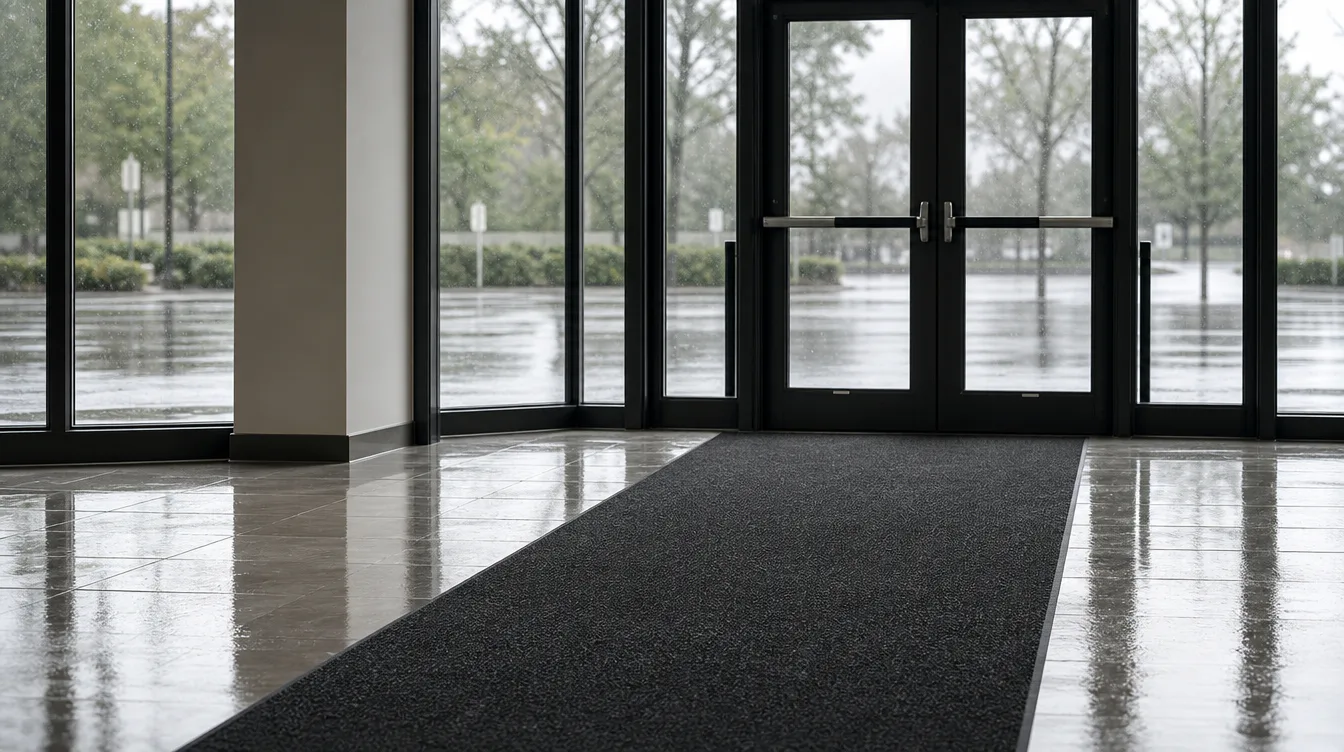 Premises and Hotels
 Fort Myers Resort and Hotel Injuries: Owner Duties
Richard P. Pravato