












High-Voltage Hazards After an EV Crash: Rescue, Fire, and Injury Risks
High-Voltage Hazards After an EV Crash
By the Law Offices of Wolf & Pravato · Published July 17, 2026
In a conventional crash, the danger ends roughly when the vehicles stop moving. An electric vehicle can be different. A damaged battery pack stores an enormous amount of energy in a structure that has just been deformed, and that energy does not always stay contained. People are injured, sometimes gravely, minutes or hours after the impact, and sorting out who answers for that second wave of harm is where Florida product liability lawyers come in.
What makes a damaged battery dangerous
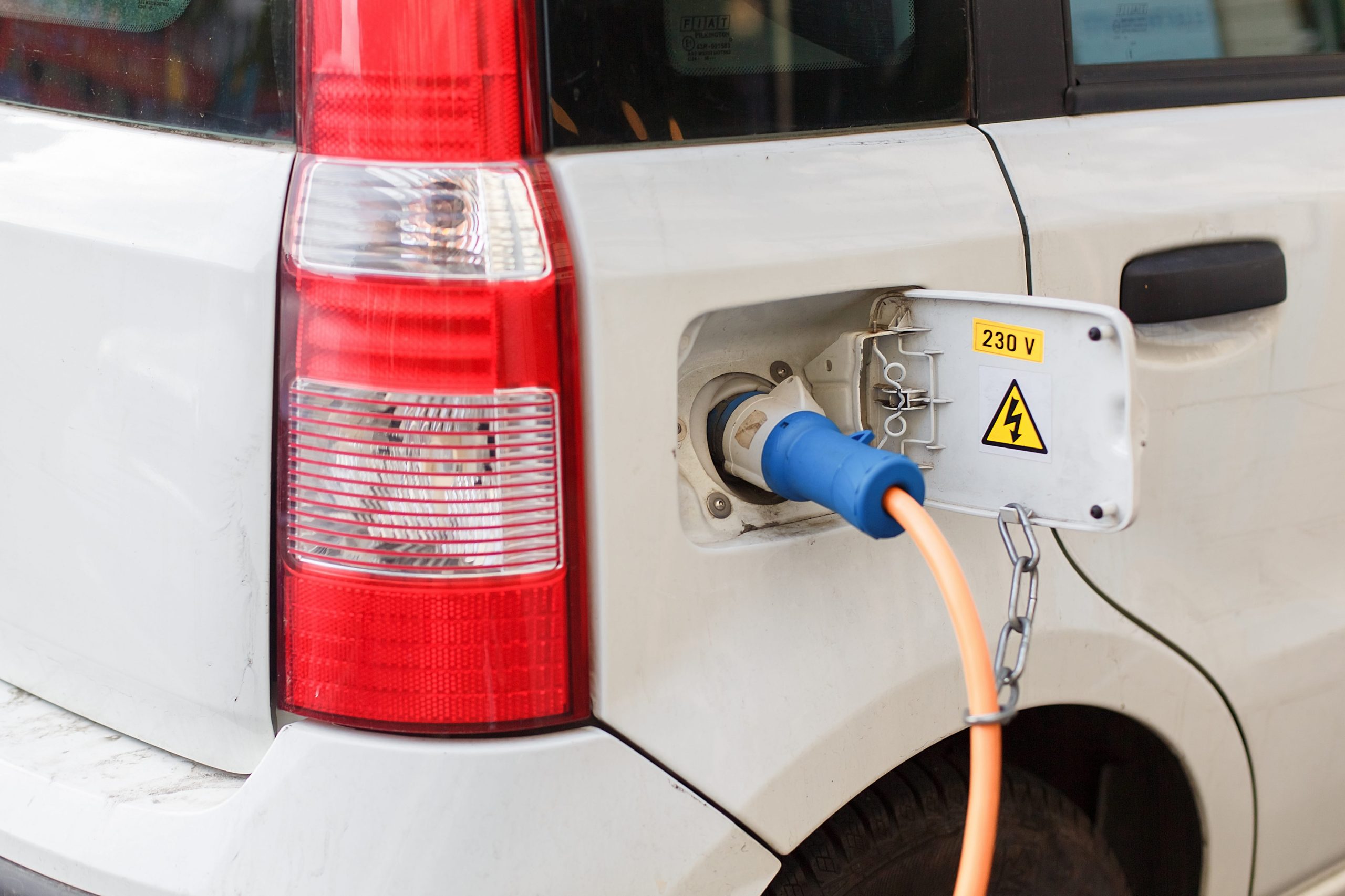
An EV’s high-voltage pack runs at hundreds of volts, far beyond what the human body tolerates, and it sits low in the vehicle where crash forces concentrate. When cells are crushed, punctured, or short-circuited, they can enter thermal runaway: a self-sustaining reaction where one cell’s heat ignites its neighbors, cascading through the pack. Unlike a gasoline fire, it carries its own oxidizer, so it does not need air to keep burning and does not respond to conventional suppression the way responders expect. The pack can also retain lethal charge long after everything appears inert, a condition known as stranded energy.
The hazards, in order of appearance
The risks arrive in a rough sequence, and each injures a different group of people:
- Immediate electrical exposure — severed or exposed high-voltage cabling energizes parts of a wrecked vehicle that no one expects to be live.
- Toxic vent gas — damaged cells release flammable and irritant gases before any visible flame, filling the cabin and the air around it.
- Thermal runaway and fire — a cascading cell reaction that can reach extreme temperatures within seconds and resist water suppression.
- Reignition — a pack that was extinguished can reignite hours or even days later, in a tow yard, a repair shop, or a garage.
- Stranded energy — residual charge in a pack that appears dead, capable of shocking anyone who cuts, lifts, or handles the vehicle.
- Structural entrapment — battery-related design and reinforcement can complicate extrication, extending the time an occupant stays exposed to all of the above.
Who gets hurt after the impact?
The people harmed by this second wave are often not the ones hurt in the collision. Occupants who survived the impact intact can be burned or shocked while trapped or while trying to get out. First responders and Good Samaritans are injured reaching in to help, sometimes because they had no way to know the vehicle was still live. Tow operators, salvage-yard workers, and repair technicians are hurt by reignition or stranded energy days later, handling a car everyone assumed was safe. Bystanders and nearby property can be caught by a fire that spreads faster and burns hotter than expected.
Where the liability sits
Several parties can bear responsibility, depending on the facts. The driver who caused the underlying crash may be answerable for the whole chain of harm it set in motion, including injuries to those who came to help, because the law does not treat a rescuer’s injury as an unforeseeable break in the chain. The vehicle or battery manufacturer may face a product claim if the pack was defectively designed or built, lacked adequate protection or containment, or had inadequate warnings and emergency-response guidance for a foreseeable post-crash fire. A tow, storage, or repair business that mishandles a damaged pack against known guidance can be liable for what follows. These overlap with other car defect litigation in Florida claims.
What burn and electrical injuries actually cost
These are among the most expensive injuries in personal injury law because they do not resolve; they are managed. A serious thermal burn is not a single event but the beginning of a years-long course: debridement, grafting, repeated reconstructive surgery, and pressure garments, followed by contracture releases as scar tissue tightens across joints and pulls function away. High-voltage electrical injury is worse in a specific way: current travels through tissue, destroying structures along its path while leaving the skin looking almost untouched, so the visible wound understates the internal damage. Cardiac and neurological effects can surface later.
The non-medical losses run just as deep. Burn survivors face disfigurement that is permanent and public, chronic pain and heat intolerance that can end a career spent outdoors, and psychological injury, including post-traumatic stress, that is well documented in this population and frequently left out of an insurer’s arithmetic. A claim settled on the emergency and acute-care bills, before the full reconstructive arc and its consequences are understood, will fall short by a wide margin. Valuing one of these cases means projecting decades, not months, which is precisely why the early evidence and the early medical documentation matter so much.
Evidence that disappears when the car burns
These cases have a cruel evidentiary problem: the fire consumes the proof. A pack that burns to the frame can destroy the cells, the wiring, and the damage pattern that an expert needs to determine whether the failure was a defect or simply the consequence of a violent crash. What survives is often the vehicle’s recorded data, NHTSA’s investigation and recall history for that model, and the crash reconstruction. Reviewing how EV crash data is used as evidence shows how that record is built. Preserving the vehicle itself, before it is scrapped, crushed, or quietly disposed of by a salvage yard, is frequently the difference between a provable product claim and an unanswerable one.
Why are these claims time-sensitive
Two clocks run at once. The physical evidence is on a short fuse because a burned EV has little salvage value and is disposed of quickly, and no one preserves it unless someone asks. Separately, Florida’s statute of repose for product claims can bar a claim against a manufacturer a set number of years after the vehicle was delivered, independent of when the injury occurred. An injured responder or technician who waits to see how their burns heal before consulting anyone may find both the car and the claim gone.
There is a further wrinkle specific to this category of case. The people most often hurt by a delayed battery event, tow operators, salvage-yard staff, and technicians, are frequently on the job when it happens, and the reflex is to treat the whole thing as a workers’ compensation matter and stop there. That is usually a mistake. Workers’ compensation pays medical and partial wage benefits but does not compensate for pain, disfigurement, or the full scope of a catastrophic burn, and it does nothing to reach the vehicle or battery manufacturer whose defect caused the failure. A third-party product claim runs alongside the comp claim, against an entirely different party, and it is the only route to full damages. Because it depends on preserving a vehicle that a salvage yard has every incentive to crush, that claim can quietly expire while an injured worker is still in treatment and assuming comp is all there is.
Burned or shocked after an electric vehicle crash?
Post-crash battery fires and stranded energy injure occupants, rescuers, and tow and repair workers. The Law Offices of Wolf & Pravato preserve the vehicle and pursue every responsible party. Call 954-522-5800 for a free case review.
Sources: NHTSA; Fla. Stat. §95.031
FAQs
Q1. Why is a damaged EV battery dangerous after the crash?
It runs at hundreds of volts and sits where crash forces concentrate. Crushed or punctured cells can enter thermal runaway, a self-sustaining reaction that carries its own oxidizer, so it resists conventional suppression. The pack can also hold lethal residual charge, called stranded energy, long after it appears inert.
Q2. Can an EV reignite after the fire is out?
Yes. A pack that was extinguished can reignite hours or even days later, in a tow yard, repair shop, or garage. This delayed reignition is one reason tow operators, salvage workers, and technicians are injured by vehicles everyone assumed were safe.
Q3. Can a first responder or bystander who was hurt helping recover?
Often yes. The driver who caused the underlying crash may be answerable for the whole chain of harm it set in motion, including injuries to those who came to help, because the law does not treat a rescuer’s injury as an unforeseeable break in that chain.
Q4. When is the manufacturer liable?
When the pack was defectively designed or built, lacked adequate protection or containment, or when the warnings and emergency-response guidance were inadequate for a foreseeable post-crash fire. That is a product claim, separate from any claim against the at-fault driver.
Q5. Why is preserving the burned vehicle so important?
Because the fire destroys the proof. A pack burned to the frame can consume the cells, wiring, and damage pattern an expert needs to tell a defect from ordinary crash consequences. Burned EVs have little salvage value and are disposed of quickly unless someone demands preservation.
About the Firm
Published by the Law Offices of Wolf & Pravato
For nearly three decades, the Law Offices of Wolf & Pravato have represented injured Floridians and their families across South and Southwest Florida, exclusively on the plaintiff’s side. The firm is led by managing partner Richard P. Pravato, a Board-Certified Civil Trial Attorney (Florida Bar No. 86150). To reach the lawyer who handles cases in your area, visit our attorneys page, explore our practice areas, or learn more about our firm.
Law Offices of Wolf & Pravato · 2101 W. Commercial Blvd., Suite 1500, Fort Lauderdale, FL 33309 · 954-522-5800 · Free case evaluation: 844-643-7200
Disclaimer: This blog post is provided for general informational purposes only and does not constitute legal advice. Reading this content does not create an attorney-client relationship between you and the Law Offices of Wolf & Pravato. Laws change and every case is different, so you should not act or rely on any information here without consulting a licensed Florida attorney about your specific situation. For advice regarding your circumstances, please contact our office for a free consultation.
Recent Posts
- Wrong Burial Plot and Grave-Site Errors in Fort Lauderdale

- Rainwater Falls at Fort Lauderdale Store Entrances

- Parking-Lot Backing Crashes in Fort Lauderdale: Who Has the Right of Way?
- Elevator and Escalator Injuries at Fort Lauderdale Shopping Centers
- Delivery Driver Car Accidents in Lakeland: Who Pays?

- Injured as a Passenger in Fort Lauderdale: Whose Insurance Pays?




FLORIDA’S PERSONAL INJURY ATTORNEYS FOR + 20 YEARS