













Group-Ride and Cycling-Club Crashes in Florida: Who's Liable?
By the Law Offices of Wolf & Pravato · Published July 16, 2026
Quick answer: Florida’s weather makes it a hub for group rides and cycling clubs, but riding in a tight paceline adds risks. A group-ride crash may involve a negligent driver, a rider whose mistake brought down others, or a road hazard, and sorting out who is liable depends on the cause of the crash.
Florida’s year-round riding weather has made it a magnet for group rides and cycling clubs, where riders travel in tight formation for speed and camaraderie. That closeness also means a single mistake can bring down several riders at once. When a group-ride crash happens, the question of who is liable depends on what caused it, and answering that is where Florida bicycle accident lawyers begin.
When a whole paceline goes down
In a paceline, riders follow inches apart to draft off one another, which leaves almost no room to react. A pothole one rider swerves around, a sudden brake, a touch of wheels, or a driver’s encroachment can cascade through the group, sending multiple cyclists to the pavement at speed. The result is often several injured riders and a tangle of bikes, and untangling responsibility requires identifying the initial cause of the chain rather than assuming everyone simply fell.
Why group rides carry unique risks
Group riding is generally lawful and, in many ways, safer in traffic because a group is more visible than a lone cyclist. But the tight spacing that makes drafting effective also removes the margin for error that a solo rider enjoys. Add high speeds, varying skill levels within a club, and roads shared with drivers who may resent or misjudge a group, and the conditions are set for a crash that involves many riders. These features shape both how these crashes happen and how fault is analyzed.
The driver who causes a group crash
Many group-ride crashes trace to a motorist: a driver who passes too closely, turns across the group, fails to yield, or harasses riders. When a driver’s negligence causes the crash, that driver is responsible for the injuries to every rider brought down as a result, not just the one struck first. Cyclists have the same right to the road as drivers, and a motorist who violates that right can be liable to the whole group. Establishing the driver’s conduct is often the center of the case.
Rider-on-rider crashes within the group
Not every group crash involves a car; sometimes the cause is within the group itself.
When one rider brings down others
A rider who behaves negligently, swerving without warning, overlapping wheels carelessly, braking suddenly without cause, or failing to signal a hazard, can cause a crash that injures others. In principle, a rider whose careless conduct brings down fellow cyclists can bear responsibility for the resulting injuries, just as any person owes others a duty of reasonable care. These rider-on-rider claims are sensitive because the parties are often fellow club members, but the injured rider’s right to recover does not disappear because the at-fault party was on a bike.
Assumption of risk and its limits
A defense in these cases may argue that a rider assumed the ordinary risks of group riding. It is true that some hazards are inherent to the sport, but assumption of risk has limits and does not excuse genuine negligence. A rider accepts the normal give-and-take of a paceline; they do not accept another rider’s careless or reckless conduct. Florida’s comparative-fault rules also allow responsibility to be shared, so the analysis focuses on what each rider reasonably should have done.
Road hazards and third parties
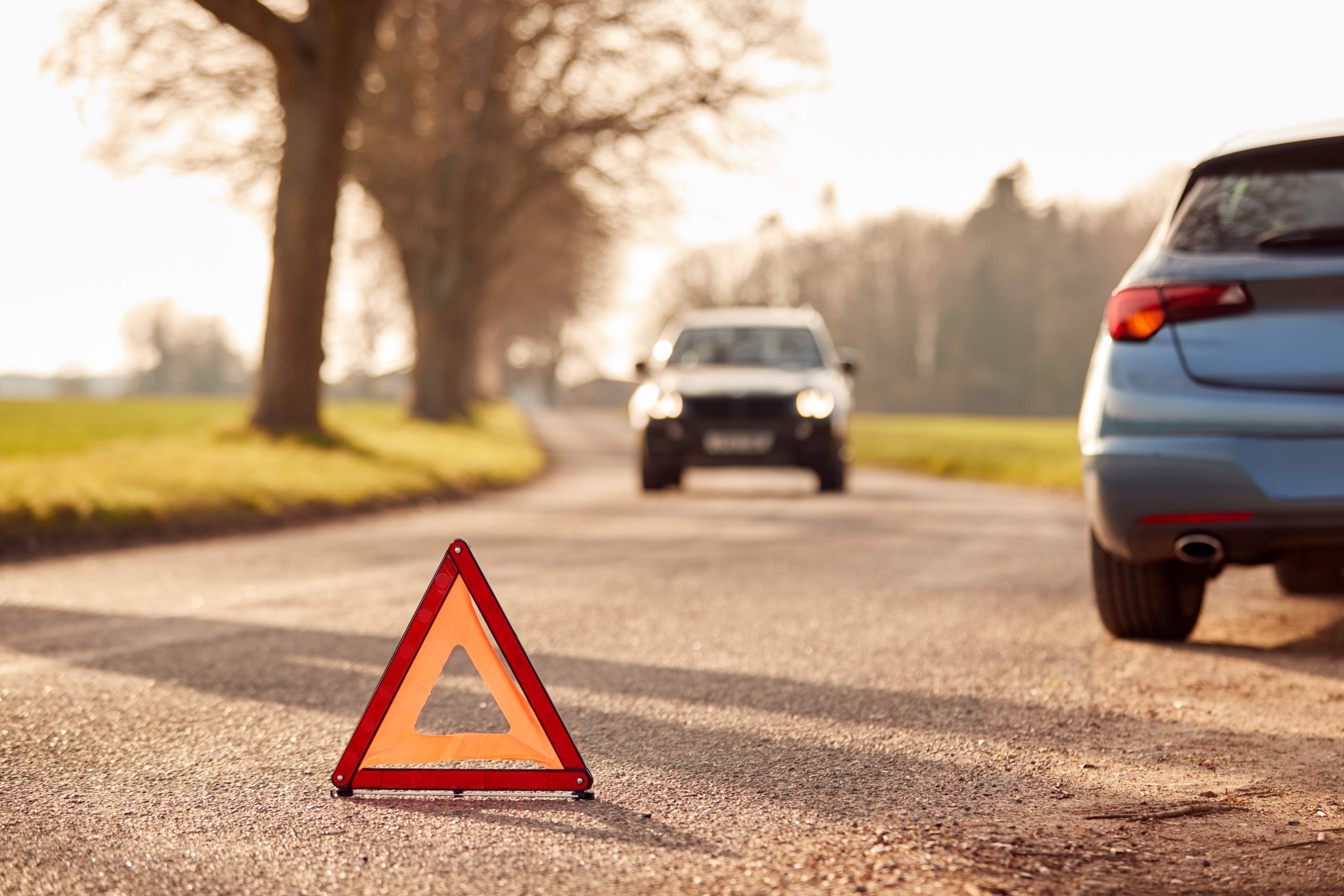
Some group crashes stem from a road hazard, a pothole, debris, or a poorly maintained surface, which can implicate the government entity responsible for the road, subject to the special rules that govern claims against public entities. Others may involve a third party who created a danger. Under Florida’s bicycle regulations, riders have both rights and duties on the road, and identifying whether a hazard, a driver, or a rider caused the crash determines which of these avenues applies. Injured riders can also reach Fort Lauderdale bicycle accident lawyers.
Proving a group-ride crash
These cases are proven by reconstructing the sequence. Rider accounts, any cycling computers or cameras many riders now carry, the positions and damage of the bikes, and witness statements establish what initiated the crash and how it propagated through the group. Because a group crash produces many perspectives and often multiple injured parties, careful reconstruction is essential to accurately assign responsibility rather than leaving each rider to absorb their own losses. When a rider sets out before dawn, reviewing how lighting and visibility affect a bicycle crash helps explain how those conditions factor into fault.
Ultimately, a group-ride crash is untangled by reconstructing the sequence that sent the paceline into a crash. Because riders travel inches apart, a single cause, a driver’s encroachment, a rider’s careless move, a road hazard- can injure many at once, and the footage from cameras and cycling computers many riders now carry is often what reveals it. Securing that data before it is overwritten, along with the rider accounts and the physical evidence, accurately assigns responsibility. An injured cyclist should not have to absorb losses that a driver, another rider, or the entity responsible for a hazardous road actually caused, and careful reconstruction is what holds the right party accountable. These crashes are also emotionally complicated when the parties are fellow club members, but the injured rider’s need for medical care and recovery does not disappear because a friend was involved, and the responsible party’s insurance, not the friendship, is usually what bears the cost. Approaching the crash as a question of evidence rather than blame lets everyone involved arrive at a fair result grounded in what actually happened.
Were you injured in a Florida group ride or club crash?
Whether a driver, another rider, or a road hazard caused the crash, an injured cyclist has the right to recover. The Law Offices of Wolf & Pravato reconstruct the crash and sort out fault. Call 954-522-5800 for a free case review.
Sources: Fla. Stat. §316.2065; Fla. Stat. §768.81
Frequently Asked Questions:
Q1. Who is liable in a group-ride crash?
It depends on the cause. A negligent driver who passed too closely or turned across the group can be liable to every rider brought down; a rider whose careless conduct caused the crash can be responsible; and a road hazard may implicate the entity that maintained the road. Reconstruction identifies the initiating cause.
Q2. Can a driver be liable to the whole group?
Yes. If a motorist’s negligence caused the crash, that driver is responsible for the injuries to every rider brought down as a result, not just the first one struck. Cyclists have the same right to the road as drivers, and a motorist who violates it can be liable to the group.
Q3. Can another cyclist be held responsible?
In principle, yes. A rider who behaves negligently, swerving without warning, overlapping wheels carelessly, braking suddenly, or failing to signal a hazard, and causes a crash can bear responsibility for others’ injuries. These claims are sensitive among club members but the right to recover remains.
Q4. Doesn’t a rider assume the risk of group riding?
A rider accepts the ordinary give-and-take of a paceline, but assumption of risk has limits and does not excuse genuine negligence. Careless or reckless conduct is not an inherent risk of the sport, and comparative-fault rules allow responsibility to be shared based on what each rider should have done.
Q5. What if a pothole or debris caused the crash?
A road hazard can implicate the government entity responsible for maintaining the road, subject to the special rules governing claims against public entities, or a third party who created the danger. Identifying the hazard and who was responsible for it is the first step.
Q6. How is fault proven in a group crash?
By reconstructing the sequence: rider accounts, cycling computer and camera data, the positions and damage of the bikes, and witness statements establish what initiated the crash and how it spread through the group. A group crash produces many perspectives that careful reconstruction reconciles.
Q7. What if several riders were hurt?
Each injured rider may have a claim depending on the cause. A single negligent driver can be liable to all of them, or responsibility may be shared. Because these crashes often involve multiple injured parties, coordinating the claims and the evidence is important.
Q8. Do cameras or cycling computers help?
Yes. Many riders carry cameras or record data on cycling computers, and that footage and data can be invaluable in showing what caused the crash and how it unfolded. Preserving it promptly, before it is overwritten, strengthens the reconstruction.
About the Firm
Published by the Law Offices of Wolf & Pravato
For nearly three decades, the Law Offices of Wolf & Pravato have represented injured Floridians and their families across South and Southwest Florida, exclusively on the plaintiff’s side. The firm is led by managing partner Richard P. Pravato, a Board-Certified Civil Trial Attorney (Florida Bar No. 86150). To reach the lawyer who handles cases in your area, visit our attorneys page, explore our practice areas, or learn more about our firm.
Law Offices of Wolf & Pravato · 2101 W. Commercial Blvd., Suite 1500, Fort Lauderdale, FL 33309 · 954-522-5800 · Free case evaluation: 844-643-7200
Disclaimer: This blog post is provided for general informational purposes only and does not constitute legal advice. Reading this content does not create an attorney-client relationship between you and the Law Offices of Wolf & Pravato. Laws change, and every case is different, so you should not act or rely on any information here without consulting a licensed Florida attorney about your specific situation. For advice regarding your circumstances, please contact our office for a free consultation.
Recent Posts
- Wrong Burial Plot and Grave-Site Errors in Fort Lauderdale

- Rainwater Falls at Fort Lauderdale Store Entrances

- Parking-Lot Backing Crashes in Fort Lauderdale: Who Has the Right of Way?
- Elevator and Escalator Injuries at Fort Lauderdale Shopping Centers
- Delivery Driver Car Accidents in Lakeland: Who Pays?

- Injured as a Passenger in Fort Lauderdale: Whose Insurance Pays?





FLORIDA’S PERSONAL INJURY ATTORNEYS FOR + 20 YEARS