














Garbage and Refuse-Truck Crashes in Miami Neighborhoods
Miami Neighborhoods Garbage and Refuse-Truck Crashes
By the Law Offices of Wolf & Pravato · Published July 8, 2026
Quick answer: Garbage trucks make frequent stops, back up often, and have large blind spots on quiet streets full of pedestrians. When one causes a crash, a key question is whether a city or a private hauler operated it, which shapes the claim and its deadlines.
Garbage and recycling trucks are a constant presence in Miami’s neighborhoods, and their size, frequent stops, and repeated backing make them a distinct danger on streets shared with pedestrians, cyclists, and parked cars. When one of these trucks causes a crash, the case has features an ordinary collision does not, starting with the basic question of who was operating it. A Miami truck accident lawyer works through those layers.
Why refuse trucks are a distinct hazard
A refuse truck operates unlike almost any other vehicle on the road, and its routine is what creates the risk.
Frequent stops and constant backing
A collection truck stops every few houses and frequently reverses to reach cans, navigate cul-de-sacs, or reposition, often on narrow residential streets. Backing is one of the most dangerous maneuvers any large vehicle performs, because the area directly behind the truck is a deep blind spot. A pedestrian, child, or cyclist behind a reversing refuse truck can be completely invisible to the driver, which is why these operations demand spotters and extreme care.
Blind spots on crowded residential streets
Like any large truck, a refuse truck has significant blind spots on all sides, and the residential setting fills those blind spots with hazards: children at play, people walking dogs, cyclists, and cars pulling out of driveways. A driver who fails to account for these blind spots, or who is distracted by the collection work, can strike someone who was lawfully and predictably nearby.
The crashes these operations cause
The most common refuse-truck crashes flow directly from the work: backing collisions that strike a pedestrian or vehicle behind the truck, wide-turn and blind-spot crashes as the truck maneuvers, and collisions caused by a truck stopping abruptly or blocking a lane during collection. Workers riding on or dismounting from the truck can also be involved. Because these trucks operate where people live and walk, the human cost of a crash tends to be severe.
The first question: who operated the truck
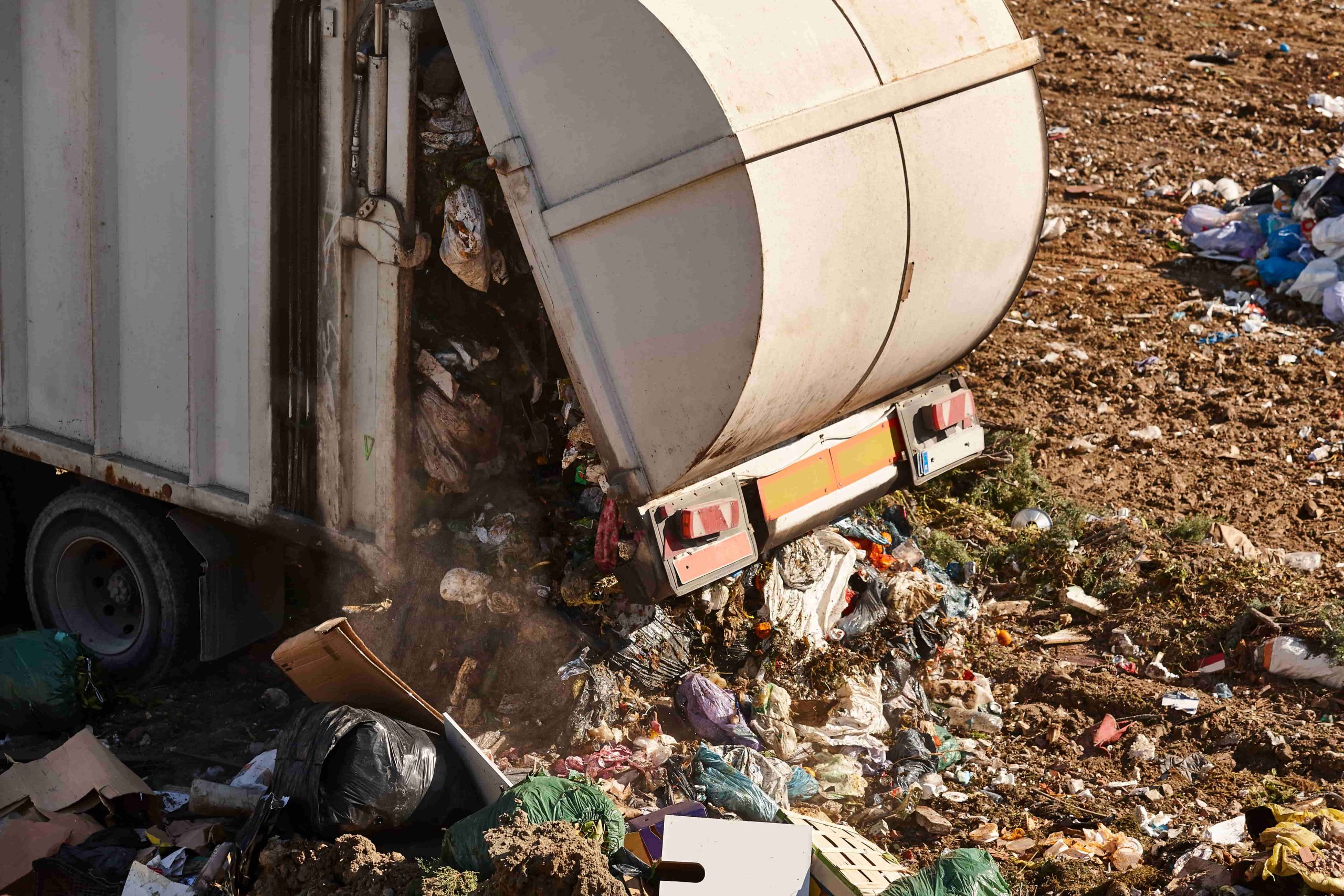
Before anything else, a refuse-truck case must identify who ran the truck, because that answer changes the entire path of the claim.
City and municipal collection
Some collection is performed by a city or other government entity. When a government-operated truck causes a crash, the claim falls under Florida’s sovereign immunity statute, which allows suits against public entities but caps recovery and requires a written notice of claim within a limited period before suit. Those limits and deadlines make early action essential in a case against a municipal hauler.
Private and contracted haulers
Much collection is handled by private waste companies, sometimes under contract with a city. A private hauler is a commercial motor carrier like any other and can be pursued under ordinary negligence rules, without the sovereign-immunity caps, and typically carries substantial commercial insurance. Determining whether the truck belonged to the city, a private company, or a contractor is therefore a threshold step that shapes both strategy and the potential recovery.
How the operator changes the claim
The operator’s identity affects deadlines, damage caps, and which insurance applies. A government case demands a timely notice of claim and lives within statutory caps, while a private-hauler case follows the usual rules and larger commercial policies. In either situation, the company or agency behind the driver can also be independently negligent for inadequate training on backing and blind spots, poor maintenance, or unsafe route practices. Where more than one party shares fault, Florida’s comparative fault statute apportions it.
Proving a refuse-truck crash
These cases are proven with the same rigor as any truck crash, plus attention to the collection operation. Many refuse trucks carry cameras, including backup and side cameras, and telematics that record movement and stops. Route records, the presence or absence of a spotter, maintenance logs, and the driver’s history all matter. Neighborhood and doorbell cameras frequently capture these crashes because they happen on residential streets. Because footage and data can be lost quickly, a prompt preservation demand is important. Victims can review how commercial truck accident settlements work or reach Florida truck accident lawyers.
Damages and full value in a refuse-truck case
Because refuse trucks are so large and operate where people live and walk, the injuries they cause are often serious, and valuing the claim fully is essential.
Severe harm on residential streets
A collision with a heavy collection truck, or a backing crash that strikes a pedestrian, can inflict catastrophic injuries, and children in residential areas are especially vulnerable. A properly valued claim includes not just emergency care but the projected cost of surgery, rehabilitation, and long-term care, along with lost income and any reduced earning capacity, so the recovery reflects the true toll of the crash.
Reaching the operator’s coverage
Whether the truck was run by a city or a private hauler shapes the insurance available. A private hauler typically carries substantial commercial coverage, while a government operator’s liability is capped by statute. Identifying the operator and the applicable coverage early is what allows a seriously injured person to reach the resources needed for a full recovery rather than settling for less.
Because that coverage determination shapes the entire recovery, it deserves attention from the very first days. Confirming whether the truck belonged to a city, a private hauler, or a contractor, and identifying every applicable policy, is the kind of work that is far easier while the crash is fresh and records are accessible. Waiting can allow route records and camera data to cycle out and can let a short government notice deadline slip past unnoticed, so early action protects both the evidence and the path to full compensation.
Hurt by a garbage or refuse truck in Miami?
Whether a city or a private hauler ran the truck changes the deadlines and the path to recovery, so acting early matters. The Law Offices of Wolf & Pravato identify the operator and pursue every responsible party. Call 954-522-5800 for a free consultation.
Sources: Fla. Stat. §768.28; Fla. Stat. §768.81
About the Firm
Published by the Law Offices of Wolf & Pravato
For nearly three decades, the Law Offices of Wolf & Pravato have represented injured Floridians and their families across South and Southwest Florida, exclusively on the plaintiff’s side. The firm is led by managing partner Richard P. Pravato, a Board-Certified Civil Trial Attorney (Florida Bar No. 86150). To reach the lawyer who handles cases in your area, visit our attorneys page, explore our practice areas, or learn more about our firm.
Law Offices of Wolf & Pravato · 2101 W. Commercial Blvd., Suite 1500, Fort Lauderdale, FL 33309 · 954-522-5800 · Free case evaluation: 844-643-7200
FAQs
Q1. Why are garbage trucks especially dangerous?
They stop every few houses, back up frequently, and have large blind spots, all on narrow residential streets shared with pedestrians, children, cyclists, and parked cars. Backing is particularly hazardous because the area behind the truck is a deep blind spot.
Q2. Who is responsible for a garbage-truck crash in Miami?
It depends on who operated the truck. Some collection is done by a city or government entity, and some by private or contracted haulers. Identifying the operator is the first step, because it changes the deadlines, damage limits, and insurance that apply.
Q3. How does it matter if a city operated the truck?
A crash caused by a government-operated truck falls under Florida’s sovereign immunity statute, which allows the suit but caps recovery and requires a written notice of claim within a limited period before suit. Missing that notice can bar the claim, so early action is essential.
Q4. What if a private company ran the truck?
A private hauler is a commercial motor carrier subject to ordinary negligence rules, without the sovereign-immunity caps, and usually carries substantial commercial insurance. That can allow a fuller recovery than a capped claim against a government entity.
Q5. Can the company or city be at fault, not just the driver?
Yes. The company or agency can be independently negligent for inadequate training on backing and blind spots, poor maintenance, or unsafe route practices. These direct claims target the operator’s own failures alongside the driver’s conduct.
Q6. What evidence helps prove a refuse-truck crash?
Many refuse trucks have backup and side cameras and telematics recording movement and stops. Route records, whether a spotter was used, maintenance logs, the driver’s history, and neighborhood or doorbell footage all help. Preserving this data quickly is important.
Q7. What should I do after being hit by a garbage truck?
Seek medical care, document the truck’s markings and any company name, note whether a spotter was present, and gather witness information. Because the operator’s identity and the truck’s data are central, involving a lawyer early helps preserve that evidence.
Q8. What if a garbage truck backed into me or my car?
Backing crashes are among the most common refuse-truck cases because the area behind the truck is a deep blind spot. The driver and operator are expected to use spotters and extreme care, and a failure to do so generally supports fault. Camera and telematics data often capture these crashes.
Disclaimer: This blog post is provided for general informational purposes only and does not constitute legal advice. Reading this content does not create an attorney-client relationship between you and the Law Offices of Wolf & Pravato. Laws change and every case is different, so you should not act or rely on any information here without consulting a licensed Florida attorney about your specific situation. For advice regarding your circumstances, please contact our office for a free consultation.
Recent Posts
- Wrong Burial Plot and Grave-Site Errors in Fort Lauderdale

- Rainwater Falls at Fort Lauderdale Store Entrances

- Parking-Lot Backing Crashes in Fort Lauderdale: Who Has the Right of Way?
- Elevator and Escalator Injuries at Fort Lauderdale Shopping Centers
- Delivery Driver Car Accidents in Lakeland: Who Pays?

- Injured as a Passenger in Fort Lauderdale: Whose Insurance Pays?





FLORIDA’S PERSONAL INJURY ATTORNEYS FOR + 20 YEARS