













When the Store Blames You: Florida Slip and Fall Comparative Fault
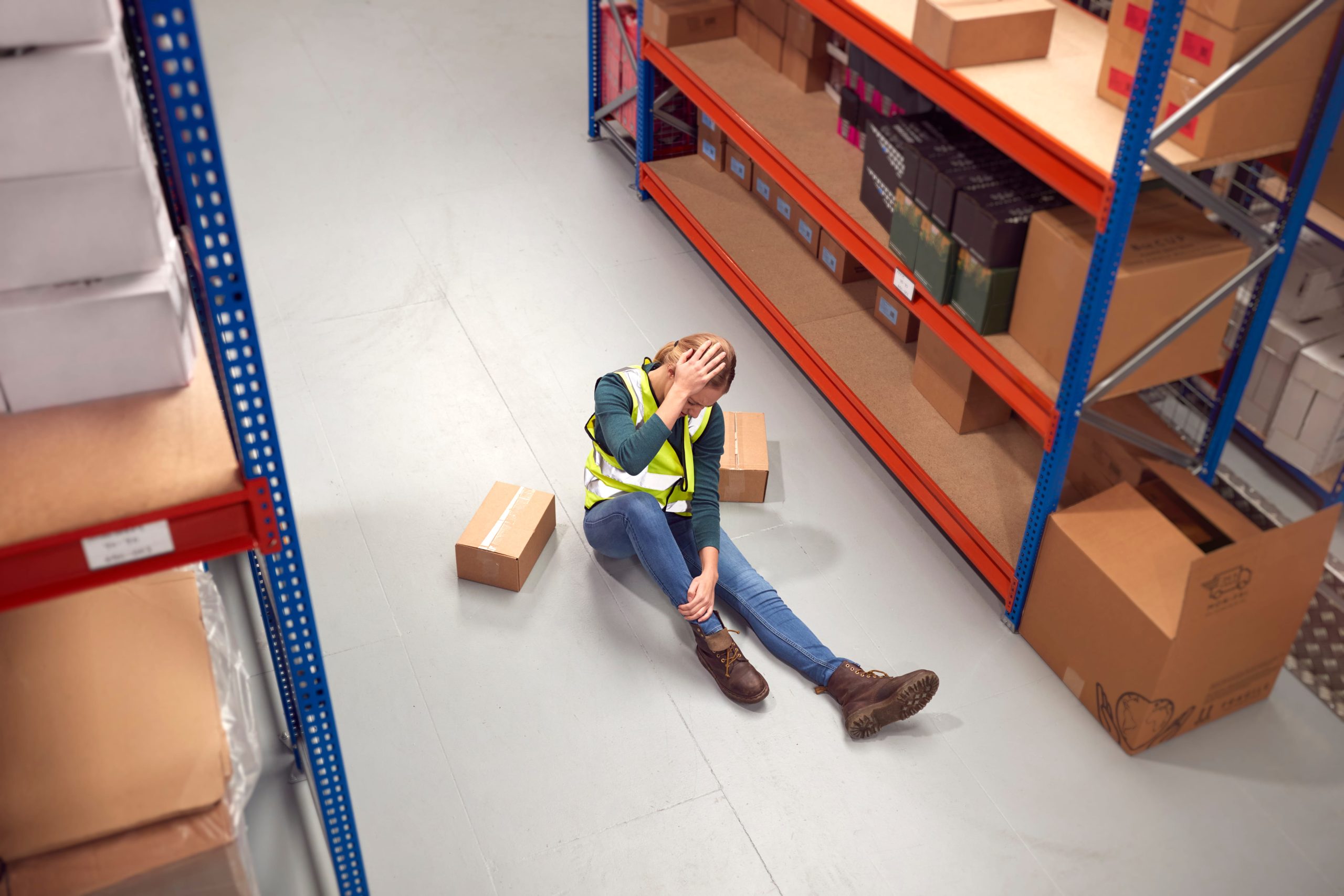
After a slip and fall, many injured people are surprised when the store immediately blames them, claiming they were careless, distracted, or should have seen the hazard. This tactic discourages valid claims, but in Florida, being partly at fault does not end a case. Understanding how comparative fault works is the key to standing up to the blame. A Florida slip and fall lawyer can protect a claim against these arguments.
When the store points the finger at you
Stores and their insurers know that shifting blame to the injured person is one of the most effective ways to reduce or defeat a claim. So they often argue, sometimes within minutes of a fall, that the customer caused their own injury. Recognizing this as a strategy, rather than an honest assessment, is the first step to responding to it effectively and protecting the claim.
How does comparative fault work in a slip and fall?
Florida’s comparative negligence law (§768.81) governs what happens when an injured person shares some blame.
Partial fault reduces, it does not erase
If a court assigns the injured person a percentage of fault, the recovery is reduced by that percentage, not eliminated. A shopper found 20 percent at fault for a $50,000 claim would still recover $40,000. Being partly to blame lowers a claim; it does not end it, which is exactly what stores hope injured people will not realize.
The 50 percent bar
There is a ceiling. A person found more than 50 percent at fault cannot recover at all. That line is why a store works so hard to pile blame on the injured person, hoping to push them past 50 percent. Keeping the assigned fault below that line, and as low as possible, is central to protecting the recovery.
What are common ways a store tries to blame the customer?
The arguments are predictable, and recognizing them helps counter them.
‘You weren’t watching where you were going’
This is the most common claim, that the shopper was distracted or careless. But customers are entitled to assume a store’s floors are reasonably safe, and a person cannot watch the floor every second. This argument rarely excuses a store that let a hazard exist.
‘You should have seen the sign’
A store may point to a warning sign, but a sign does not automatically defeat a claim. Its placement, visibility, and whether it actually warned of the specific hazard all matter. A sign in the wrong spot, or for a different danger, may not protect the store at all.
Your footwear or your phone
Stores sometimes blame a shopper’s shoes or claim they were looking at a phone. These arguments can affect the share of fault if proven, but they do not erase the store’s duty to keep the premises safe, and they are often based on assumption rather than evidence.
Why the store still has to prove its own care
Blaming the customer does not relieve the store of its own duty. Under the slip-and-fall statute (§768.0755), the central question remains whether the store had actual or constructive knowledge of the hazard and failed to address it. A store that knew about a spill and did nothing cannot escape responsibility simply by pointing at the customer, no matter how loudly it does so.
Why do these blame arguments often fail?
Comparative-fault defenses frequently fall apart under evidence. Video showing how long a hazard sat unaddressed, a gap in cleaning logs, or witness accounts often show the store’s failure was the real cause of the fall. When the proof shows the store created or ignored a danger, an attempt to blame the customer for not avoiding it usually carries little weight.
What evidence protects a slip-and-fall claim?
The same evidence that proves the store’s fault also counters its attempt to blame you: photographs of the hazard, surveillance video, the incident report, cleaning logs, and witness accounts. Gathering this evidence quickly, before it is cleaned up or overwritten, is the best defense against a comparative-fault argument, which is why prompt action and legal help matter. Our Florida accident attorneys team builds that record.
Local slip and fall help across Florida
These rules apply statewide, but local courts and records differ. The firm helps fall victims across Florida, including:
- Fort Lauderdale slip and fall lawyer — Broward County
- Fort Myers slip and fall lawyer — Lee County
- Miami slip and fall lawyer — Miami-Dade County
- Lakeland slip and fall lawyer — Polk County
How long do you have to file in Florida?
There is a deadline. Under the two-year deadline (§95.11), most slip-and-fall claims must be filed within two years, and the evidence that counters a blame argument disappears far sooner. Acting early protects both the deadline and the proof a claim depends on.
Why an early consultation protects your claim
When a store immediately blames the customer, an early talk with a lawyer can change the course of a claim. A lawyer can move quickly to preserve the surveillance video and cleaning records before they disappear, advise against giving a recorded statement that the store would use, and document the hazard while the evidence is fresh. Getting that guidance before dealing with the store’s insurer is often what keeps a comparative-fault defense from quietly defeating a valid claim.
Florida’s modified comparative negligence rule sets the stakes. Under the standard in effect since 2023, a person found more than 50 percent at fault for a slip and fall recovers nothing, so the share of blame the store tries to assign is not a minor detail. That makes rebutting an inflated fault argument, with video and witness accounts, central to preserving any recovery at all.
Did a Store Blame You for Your Fall?
Partial fault does not end a slip-and-fall claim in Florida, and stores often overstate it. The team behind our Florida slip and fall lawyer page can counter the blame and protect your recovery. Call 954-522-5800 or 844-643-7200 for a free case evaluation, any time.
Sources: Florida Statutes §768.81 (comparative negligence); Florida Statutes §768.0755 (slip-and-fall)
About the Firm
Published by the Law Offices of Wolf & Pravato
For nearly three decades, the Law Offices of Wolf & Pravato have represented injured Floridians and their families across South and Southwest Florida, exclusively on the plaintiff’s side. The firm is led by managing partner Richard P. Pravato, a Board-Certified Civil Trial Attorney (Florida Bar No. 86150). To reach the attorney who handles cases in your area, visit our attorneys page, explore our practice areas, or learn more about our firm.
Frequently Asked Questions:
- If the store says the fall was my fault, can I still recover?
Usually, yes. In Florida, being partly at fault does not end a slip-and-fall claim. Under comparative negligence, your recovery is reduced by your share of fault, but you can still recover as long as you are not more than 50 percent at fault. Stores often overstate your blame precisely because many people do not know this. - How much does my own fault reduce my claim?
Proportionally. If you are assigned a percentage of fault, your recovery is reduced by that percentage, so a shopper found 20 percent at fault for a $50,000 claim would still recover $40,000. The reduction tracks your share of the blame, up to the 50 percent point where recovery would be barred. - What is the 50 percent bar?
It is the ceiling on recovery. A person found more than 50 percent at fault cannot recover at all, while one who is 50 percent or less can recover a reduced amount. This is why a store works so hard to pile blame on you, hoping to push your share past 50 percent and defeat the claim entirely. - The store says I wasn’t watching where I was going. Is that a defense?
Rarely a complete one. Customers are entitled to assume a store’s floors are reasonably safe, and no one can watch the floor every second. This common argument does not excuse a store that allowed a hazard to exist, especially when evidence shows the store knew about the danger and failed to address it. - Does a wet floor sign mean I can’t recover?
No. A warning sign does not automatically defeat a claim. Its placement, visibility, and whether it actually warned of the specific hazard all matter. A sign in the wrong spot, or for a different danger, may not protect the store, and under comparative negligence you can still recover when the store was largely at fault. - Can the store blame my shoes or my phone?
It may try, and such arguments can affect the share of fault if actually proven. But they do not erase the store’s duty to keep the premises safe, and they are often based on assumption rather than evidence. Clear proof of the hazard and the store’s failure usually outweighs these attempts to shift blame. - What evidence counters a blame argument?
The same evidence that proves the store’s fault: photographs of the hazard, surveillance video showing how long it was present, the incident report, cleaning logs, and witness accounts. Gathering this quickly, before it is cleaned up or overwritten, is the best defense against a comparative-fault argument. - What does a Florida slip and fall lawyer cost?
The firm works on a contingency fee, so there is no up-front cost and a fee is owed only from a recovery. The consultation is free, so an injured person can learn how to counter a store’s blame without any financial risk.
Disclaimer: This blog post is provided for general informational purposes only and does not constitute legal advice. Reading this content does not create an attorney-client relationship between you and the Law Offices of Wolf & Pravato. Laws change, and every case is different, so you should not act or rely on any information here without consulting a licensed Florida attorney about your specific situation. For advice regarding your circumstances, please contact our office for a free consultation.
Recent Posts
- Wrong Burial Plot and Grave-Site Errors in Fort Lauderdale

- Rainwater Falls at Fort Lauderdale Store Entrances

- Parking-Lot Backing Crashes in Fort Lauderdale: Who Has the Right of Way?
- Elevator and Escalator Injuries at Fort Lauderdale Shopping Centers
- Delivery Driver Car Accidents in Lakeland: Who Pays?

- Injured as a Passenger in Fort Lauderdale: Whose Insurance Pays?





FLORIDA’S PERSONAL INJURY ATTORNEYS FOR + 20 YEARS