














Fort Myers Swimming Pool and Drowning Accident Liability
Southwest Florida’s warm weather means pools are everywhere, and so are the dangers they pose. A pool injury or drowning is among the most devastating accidents a family can face. When poor safety or maintenance is to blame, Florida law may hold the property owner responsible. A Fort Myers premises liability lawyer can help you understand your options.
Why pool and drowning cases are so serious in Southwest Florida
With year-round swimming weather, Lee County has countless residential and resort pools. Drowning is a leading cause of injury death for young children, and a near-drowning can cause lasting brain injury. These cases carry heavy stakes, both for the family and for holding a careless property owner accountable.
Who can be held liable for a pool accident?
Liability can extend to a homeowner, a landlord, an apartment complex, a hotel or resort, an HOA, or a maintenance company, depending on who controlled the pool. More than one party may share responsibility. Identifying who was responsible for safety and upkeep is an early, important step in these claims.
Florida’s pool safety law and required barriers
Florida takes pool safety seriously. The Residential Swimming Pool Safety Act (Chapter 515) requires residential pools to have at least one safety feature, such as a barrier, an approved cover, or door and gate alarms. When an owner ignores these requirements and someone is hurt, that violation can be powerful evidence of negligence.
What duty does a pool owner owe?
A property owner must keep the premises reasonably safe. Florida’s premises-liability standard (§768.0755) and related law require owners to address hazards and warn of dangers. For pools, that duty is heightened by the obvious risks involved.
Duty to guests and invitees
Guests and other lawful visitors are owed a strong duty of care. The owner must maintain the pool and deck, provide required safety features, and warn of non-obvious dangers. A failure that leads to injury can support a claim.
The attractive nuisance doctrine and children
Pools are a classic ‘attractive nuisance.’ Because pools draw children who may not understand the danger, an owner can be liable for a child’s injury even if the child was not invited, when the owner failed to secure the pool with fencing or other barriers. This doctrine is central to many child drowning cases.
Common causes of pool injuries and drownings
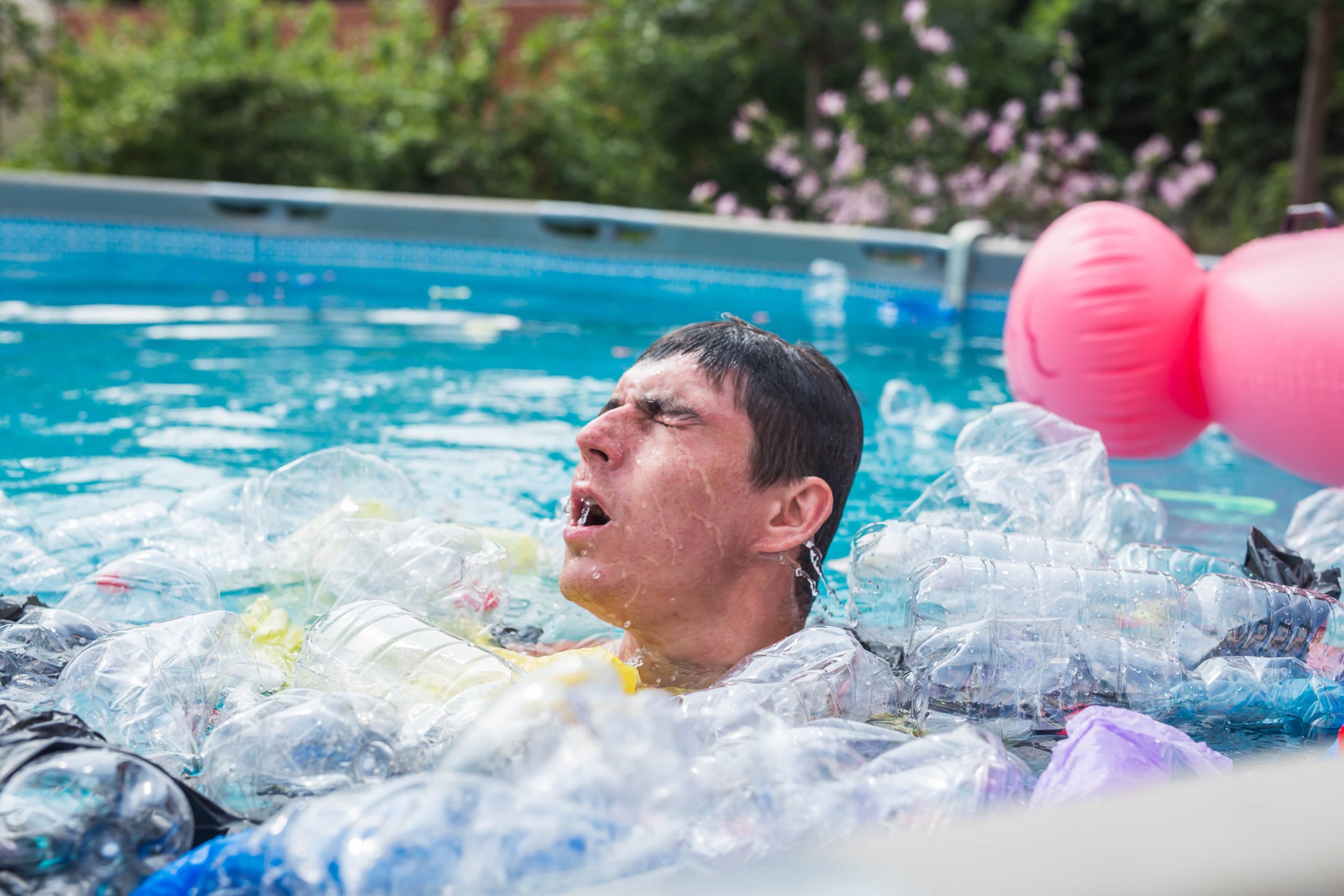
Many pool tragedies are preventable. Common causes include missing or broken fences and gates, no alarms, inadequate or absent supervision where it was promised, slippery decks, broken or non-compliant drain covers, poor lighting, and a lack of required safety equipment. Each can point to a property owner’s failure.
What compensation may be available?
A pool injury claim may seek medical bills, future care, lost wages, and compensation for pain and suffering. In a near-drowning with brain injury, lifetime care can be a major part of the claim. In a fatal drowning, the family may pursue a wrongful death claim for their losses.
How shared fault applies
Under comparative negligence (§768.81), any fault assigned to the injured person, or a supervising adult, can reduce the recovery, and more than 50 percent bars it. Owners often argue the victim was careless, so evidence of the safety failures, missing fences, broken alarms, is key to the claim.
How to prove a pool accident claim
These claims rest on evidence of what went wrong. Photographs of the pool, fences, gates, and drains; maintenance and inspection records; and witness accounts all matter. Our overview of how to prove liability after a swimming pool accident goes further, and a Fort Myers Swimming Pool Accident Lawyer can help identify the responsible parties and preserve critical evidence.
Steps to take after a pool injury
After a pool injury, a few steps protect your family and any claim.
- Get emergency medical care right away, even after a near-drowning.
- Photograph the pool, fences, gates, drains, and any hazards.
- Note whether required barriers, alarms, or signage were missing.
- Get the names of the owner, any staff, and witnesses.
- Keep records and avoid signing anything for an insurer first.
- Speak with an attorney who handles pool and premises claims.
How long do you have to file in Florida?
There is a deadline. Pool injury claims are governed by Florida’s statute of limitations (§95.11), and a fatal drowning follows the wrongful death rules. Evidence of the pool’s condition can also change quickly, as fences are repaired and records updated. Acting promptly protects both your deadline and your proof.
Resort, hotel, and community pool accidents
Not every pool tragedy happens at a home. Hotels, resorts, apartment complexes, and community pools all carry the same duties to keep swimmers safe. These properties must maintain barriers and gates, keep decks and drains in good repair, provide any promised supervision, and post required warnings. When a commercial or community pool ignores these duties and a guest is hurt, the property and its management may share responsibility for the harm.
The hidden danger of pool drains and entrapment
One serious and often overlooked hazard is the pool drain. A missing or non-compliant drain cover can create powerful suction that traps a swimmer underwater, a danger especially deadly for children. Federal and state safety standards require compliant, anti-entrapment drain covers. When a pool operator fails to meet these requirements and an entrapment injury occurs, that failure can be central to proving the property’s negligence.
Why early action protects a pool claim
Evidence in a pool case can change fast. After an accident, a property owner may repair a broken gate, replace a missing drain cover, or update maintenance records, erasing proof of the very failure that caused the harm. Acting quickly lets an attorney document the pool’s condition as it was, secure inspection and maintenance records, and identify witnesses before memories fade. That prompt action is often what makes the difference in proving a pool or drowning claim and securing a fair recovery for the family.
Was Your Family Hurt in a Fort Myers Pool Accident?
A pool injury or drowning is devastating, and a careless owner who ignored safety rules should be held accountable. Our Florida premises liability lawyer can investigate and pursue your claim. Call 954-522-5800 or 844-643-7200 for a free, confidential consultation, any time.
Sources: Florida Statutes Chapter 515 (Residential Swimming Pool Safety Act); Florida Statutes §768.0755 (premises liability)
FAQs
Q1. Who is liable for a swimming pool accident in Florida?
Liability depends on who controlled the pool. It can fall on a homeowner, a landlord, an apartment complex, a hotel or resort, an HOA, or a maintenance company, and sometimes more than one of them. Identifying every party responsible for the pool’s safety and upkeep is an important early step in the claim.
Q2. What is the attractive nuisance doctrine?
It is a rule that holds property owners to a special duty regarding hazards that attract children, like pools. Because a child may not understand the danger, an owner can be liable for a child’s injury even if the child was not invited, when the owner failed to secure the pool with fencing or other required barriers.
Q3. Does Florida require a fence around a pool?
Florida’s Residential Swimming Pool Safety Act requires residential pools to have at least one safety feature, such as a barrier, an approved safety cover, or door and gate alarms. When an owner fails to provide a required safeguard and someone is hurt, that violation can be strong evidence of negligence.
Q4. Can I sue a hotel or resort for a pool accident?
Yes, if the property’s negligence caused the injury. Hotels and resorts owe guests a duty to keep pools and decks reasonably safe, provide required safety features, and warn of dangers. A failure, such as a slippery deck, a broken drain cover, or absent lifeguards where promised, can support a claim.
Q5. What compensation is available after a drowning or near-drowning?
A claim may seek medical bills, future care, lost wages, and pain and suffering. A near-drowning that causes brain injury can require lifetime care, which becomes a major part of the claim. In a fatal drowning, the family may pursue a wrongful death claim for their losses under Florida law.
Q6. What if my own child was not supposed to be near the pool?
An owner may argue that a supervising adult shares fault, which can reduce a recovery under comparative negligence. But that argument does not erase the owner’s duty to secure the pool. If required fences, gates, or alarms were missing, the owner’s failure often remains central to the claim despite the supervision question.
Q7. What does a Fort Myers premises liability lawyer cost?
Our firm works on a contingency fee, so there is no up-front cost to your family. You pay a fee only if we recover compensation, taken as an agreed percentage of the recovery. The consultation is free and confidential, so you can understand your options without any financial risk.
About the Firm
Published by the Law Offices of Wolf & Pravato
For nearly three decades, the Law Offices of Wolf & Pravato have represented injured Floridians and their families across South and Southwest Florida, exclusively on the plaintiff’s side. The firm is led by managing partner Richard P. Pravato, a Board-Certified Civil Trial Attorney (Florida Bar No. 86150). To reach the attorney who handles cases in your area, visit our attorneys page, explore our practice areas, or learn more about our firm.
Law Offices of Wolf & Pravato · Fort Myers, FL (serving Lee County) · 954-522-5800 · Free case evaluation: 844-643-7200
Disclaimer: This blog post is provided for general informational purposes only and does not constitute legal advice. Reading this content does not create an attorney-client relationship between you and the Law Offices of Wolf & Pravato. Laws change and every case is different, so you should not act or rely on any information here without consulting a licensed Florida attorney about your specific situation. For advice regarding your circumstances, please contact our office for a free consultation.
Recent Posts
- Wrong Burial Plot and Grave-Site Errors in Fort Lauderdale

- Rainwater Falls at Fort Lauderdale Store Entrances

- Parking-Lot Backing Crashes in Fort Lauderdale: Who Has the Right of Way?
- Elevator and Escalator Injuries at Fort Lauderdale Shopping Centers
- Delivery Driver Car Accidents in Lakeland: Who Pays?

- Injured as a Passenger in Fort Lauderdale: Whose Insurance Pays?





FLORIDA’S PERSONAL INJURY ATTORNEYS FOR + 20 YEARS