












Fort Myers Cyclist Injuries and Florida's 3-Foot Passing Law
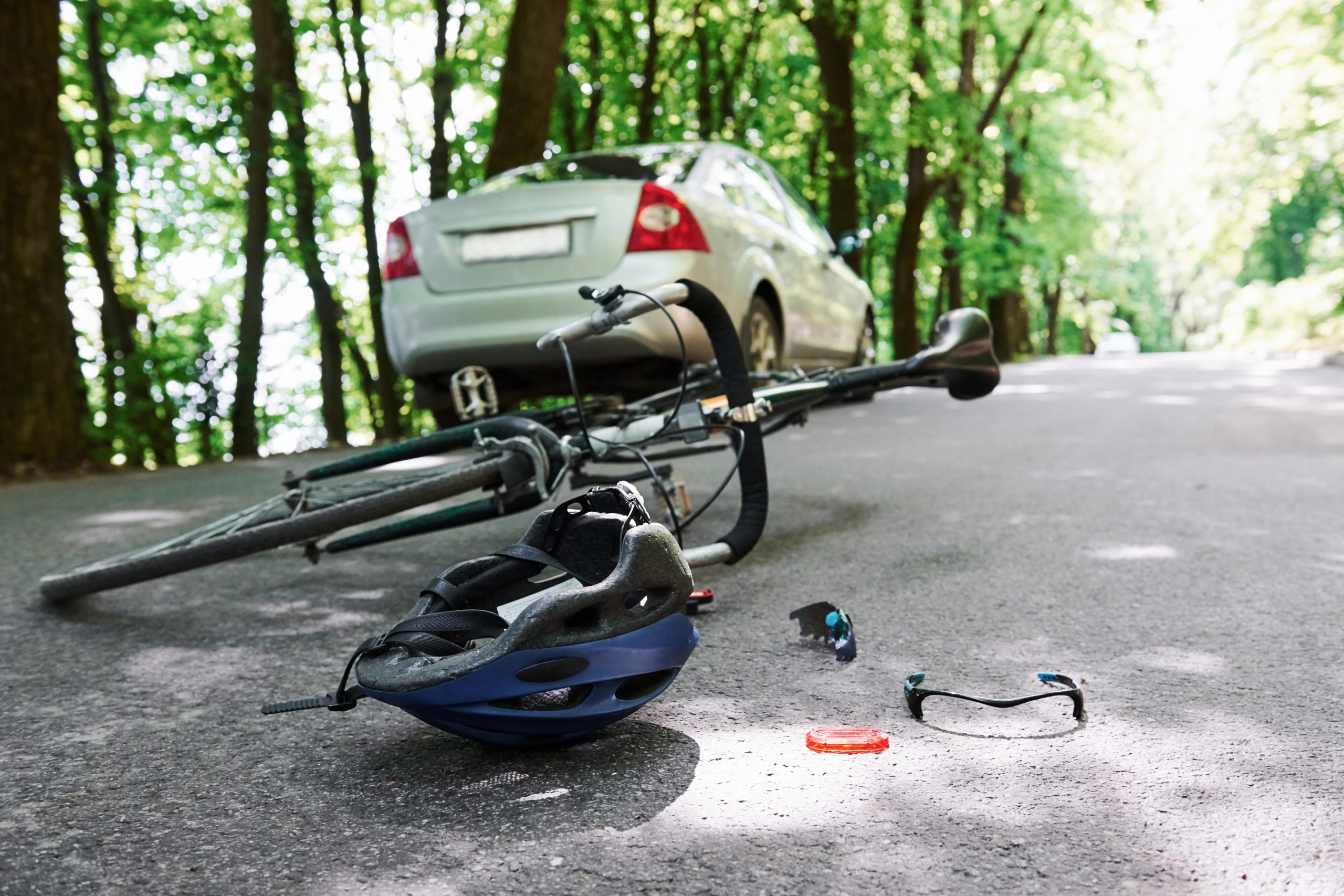
Many of the most serious bicycle crashes in Fort Myers happen when a driver passes too closely and clips or sideswipes a rider. Florida has a specific law to prevent exactly this, requiring drivers to give cyclists at least three feet when passing. When a driver violates that law and injures a cyclist, the violation can help prove the driver’s fault. A Fort Myers bicycle accident lawyer can put that law to work for an injured rider.
Why does unsafe passing injure Fort Myers cyclists?
On Fort Myers roads where cyclists and fast traffic share space, an impatient or inattentive driver passing too closely leaves a rider almost no margin for error. Even without direct contact, a close pass can force a cyclist off the road or into a fall, and an actual clip at speed is often catastrophic. Unsafe passing is one of the most common and most dangerous ways drivers injure cyclists.
What does Florida’s 3-foot passing law require?
Florida law sets a clear standard for passing a bicycle.
The minimum safe distance
Under Florida’s 3-foot passing law (§316.083), a driver overtaking a bicycle must pass at a safe distance of at least three feet between the vehicle and the cyclist. This bright-line rule gives cyclists a legally defined buffer and gives an injured rider a concrete standard the driver was required to meet.
What counts as a violation
A driver who passes a cyclist with less than three feet of clearance violates the law, whether or not contact occurs. When a too-close pass causes a crash or forces a rider down, that violation is strong evidence the driver failed a specific legal duty, which is powerful in establishing fault.
How the law helps prove a driver’s fault
The 3-foot law turns a vague dispute about ‘who was careless’ into a concrete question: did the driver give the required three feet? Evidence that the driver passed too closely, from the point of impact, witness accounts, the cyclist’s position, and any video, shows a violation of a clear statutory standard. That makes proving the driver’s fault more straightforward than in many crashes.
Common unsafe-passing crashes
These crashes take a few forms: a driver sideswiping a cyclist while passing, clipping the rider’s handlebar or body, forcing a cyclist off the road or into a hazard, or ‘right-hooking’ a rider by passing and then turning right across their path. Each involves a driver who failed to pass safely, and each can cause severe injuries given the cyclist’s lack of protection.
Why these crashes cause serious injuries
A cyclist has almost no protection against a vehicle, so a passing crash can cause head and brain trauma, spinal injuries, broken bones, and severe road rash, even with a helmet. Because the injuries are so often serious and the recovery long, a cyclist’s claim must account for future care and the long-term impact, not just the immediate treatment.
Can a cyclist use car insurance after a crash?
Often, yes. Florida’s no-fault PIP can follow the person, so a cyclist struck by a vehicle may draw on their own auto policy, or a resident relative’s, for initial medical bills even though they were on a bicycle. For serious injuries, the at-fault driver’s liability coverage applies beyond that, as our overview of the Florida bike accident claim process explains. Identifying every source of coverage is part of a full recovery.
How comparative negligence applies to cyclists
Florida uses a modified comparative negligence rule. Under comparative negligence (§768.81), a cyclist’s share of fault reduces the recovery, and being more than 50 percent at fault bars it. A driver who violated the 3-foot law usually bears the larger share, but insurers may still try to blame the rider for road position, so clear evidence of the unsafe pass is important.
What can an injured cyclist recover?
A cyclist hurt by an unsafe pass may recover medical bills, future care, lost wages, and compensation for pain and suffering, along with the cost to repair or replace the bicycle. Because these crashes often cause serious injuries, future care can be a major part of the claim, and a fair value reflects the long-term impact.
Why evidence must be gathered quickly
Evidence in a passing crash fades fast. The vehicle is repaired, the scene cleared, and any footage overwritten within days. Photographs of the scene and the bicycle, the crash report, the point of impact showing how close the pass was, and witness accounts all help prove the violation, but they must be secured quickly, often through a lawyer, before they are gone.
How long do you have to file in Florida?
There is a deadline. Under the two-year deadline (§95.11), most bicycle injury claims must be filed within two years, and the evidence of an unsafe pass disappears far sooner. Acting early protects both the deadline and the proof a claim depends on.
What to do after an unsafe-passing crash
After being struck or forced down by a close pass, a cyclist should get medical care right away, since head and internal injuries can be hidden. If able, the rider or a companion should call 911, photograph the scene, the road, the vehicle, and the bicycle, and note the point of impact and how close the pass was. Getting the driver’s information and the names of witnesses, often other cyclists, before they leave helps establish the 3-foot violation that proves the driver’s fault.
Fort Myers and the wider Lee County area draw heavy bicycle traffic on roads that mix fast-moving cars with cyclists, which is part of why the 3-foot passing law matters so much here. When a driver crowds a rider on a busy corridor, the statute gives the injured cyclist a clear standard of conduct the driver failed to meet, helping establish fault in the crash.
Hit by a Driver Who Passed Too Closely in Fort Myers?
Florida’s 3-foot passing law gives cyclists a clear standard, and a violation helps prove a driver’s fault. The team behind our Fort Myers bicycle accident lawyer page can use it to pursue your recovery. Call 954-522-5800 or 844-643-7200 for a free case evaluation, any time.
Sources: Florida Statutes §316.083 (3-foot safe passing); Florida Statutes §95.11 (statute of limitations)
About the Firm
Published by the Law Offices of Wolf & Pravato
For nearly three decades, the Law Offices of Wolf & Pravato have represented injured Floridians and their families across South and Southwest Florida, exclusively on the plaintiff’s side. The firm is led by managing partner Richard P. Pravato, a Board-Certified Civil Trial Attorney (Florida Bar No. 86150). To reach the attorney who handles cases in your area, visit our attorneys page, explore our practice areas, or learn more about our firm.
Frequently Asked Questions:
- What is Florida’s 3-foot passing law?
Under Florida Statute §316.083, a driver overtaking a bicycle must pass at a safe distance of at least three feet between the vehicle and the cyclist. This bright-line rule gives cyclists a legally defined buffer and gives an injured rider a concrete standard the driver was required to meet when passing. - Does the driver violate the law even without hitting me?
Yes. A driver who passes a cyclist with less than three feet of clearance violates the law whether or not contact occurs. When a too-close pass causes a crash or forces a rider down, that violation is strong evidence the driver failed a specific legal duty, which helps establish fault even without a direct hit. - How does the 3-foot law help prove fault?
It turns a vague dispute about who was careless into a concrete question: did the driver give the required three feet? Evidence that the driver passed too closely, from the point of impact, witnesses, the cyclist’s position, and any video, shows a violation of a clear statutory standard, making the driver’s fault more straightforward to prove. - What are common unsafe-passing crashes?
A driver sideswiping a cyclist while passing, clipping the handlebar or body, forcing a rider off the road, or ‘right-hooking’ by passing and then turning right across the cyclist’s path. Each involves a driver who failed to pass safely, and each can cause severe injuries given a cyclist’s lack of protection. - Can I use my car insurance if I was on a bike?
Often, yes. Florida PIP can follow a person, so a cyclist struck by a vehicle may use their own auto policy, or a resident relative’s, for initial medical bills even though they were on a bicycle. For serious injuries, the at-fault driver’s liability coverage applies beyond that, so identifying every source of coverage matters. - Can the driver still blame me for the crash?
An insurer may argue you shared fault for your road position, but a driver who violated the 3-foot law usually bears the larger share. Under comparative negligence, partial fault only reduces a claim; it does not erase it unless you were more than 50 percent at fault. Clear evidence of the unsafe pass helps counter blame. - Why do I need to act quickly after a bike crash?
Because the evidence fades fast. The vehicle is repaired, the scene cleared, and any footage overwritten within days, while the point of impact and witness accounts that show how close the pass was become harder to establish. Securing this evidence quickly, often through a lawyer, is what proves the violation. - What does a Fort Myers bicycle accident lawyer cost?
The firm works on a contingency fee, so there is no up-front cost and a fee is owed only from a recovery. The consultation is free, so an injured cyclist can understand how the 3-foot law applies to their crash without any financial risk.
Disclaimer: This blog post is provided for general informational purposes only and does not constitute legal advice. Reading this content does not create an attorney-client relationship between you and the Law Offices of Wolf & Pravato. Laws change, and every case is different, so you should not act or rely on any information here without consulting a licensed Florida attorney about your specific situation. For advice regarding your circumstances, please contact our office for a free consultation.
Recent Posts
- Wrong Burial Plot and Grave-Site Errors in Fort Lauderdale

- Rainwater Falls at Fort Lauderdale Store Entrances

- Parking-Lot Backing Crashes in Fort Lauderdale: Who Has the Right of Way?
- Elevator and Escalator Injuries at Fort Lauderdale Shopping Centers
- Delivery Driver Car Accidents in Lakeland: Who Pays?

- Injured as a Passenger in Fort Lauderdale: Whose Insurance Pays?





FLORIDA’S PERSONAL INJURY ATTORNEYS FOR + 20 YEARS