











Tesla Accident Lawyer in Fort Lauderdale: What Makes EV Crashes Different
Teslas and other electric vehicles are everywhere on Fort Lauderdale’s roads, and when they crash, the case can differ from an ordinary car accident in important ways, from battery fires to the trove of data the vehicle records. Understanding those differences matters to a claim. A Fort Lauderdale car accident lawyer can navigate them.
Why EV crashes are not just ordinary car crashes
At first glance, an EV crash looks like any other. But electric vehicles have distinct technology, heavier batteries, instant power delivery, advanced driver-assistance systems, and detailed data logging, which can change how a crash happens, how dangerous it is, and how the case is proven. Recognizing these differences is the starting point for an EV claim.
What makes a Tesla or EV crash different
Several features set EV crashes apart from gas-powered ones.
Battery fires and unique dangers
A damaged lithium-ion battery can ignite, and EV fires can burn intensely, reignite hours later, and be difficult to extinguish. These fires create added risks for occupants and first responders, and they can complicate the aftermath of a crash in ways a typical collision does not.
Instant torque and acceleration
Electric motors deliver power instantly, giving many EVs very quick acceleration. That responsiveness is part of their appeal, but it can also contribute to loss-of-control crashes or higher-speed impacts, which can factor into how a crash occurred and who was at fault.
Extensive onboard data
EVs, and Teslas in particular, record extensive data, speed, braking, steering, and system status, often in far more detail than a conventional car’s event data recorder. This information can be invaluable in reconstructing exactly what happened, but it must be preserved before it is lost or overwritten.
Driver-assistance and Autopilot features
Many EVs include advanced driver-assistance systems, and some, like Tesla’s Autopilot, can steer, brake, and accelerate under certain conditions. When such a feature is engaged in a crash, it raises complex questions about the role of the driver and the technology.
How vehicle data can prove what happened
The detailed data an EV records can settle disputes about a crash, showing the vehicle’s speed, whether the brakes were applied, and the status of driver-assistance systems. Securing this data quickly, before it is overwritten or the vehicle is repaired or salvaged, can be the difference between proving a case and relying on conflicting accounts.
When automation and ‘self-driving’ features are involved
Florida has embraced vehicle automation; under Florida’s autonomous vehicle law (§316.85), automated systems may operate on the state’s roads. When a driver-assistance feature was active in a crash, the case may involve questions about whether the driver misused the system, whether the system malfunctioned, and what the manufacturer represented. These cases, a form of self-driving car accident claim, can extend beyond the drivers to the technology itself.
Who can be liable in an EV crash?
As in any crash, another negligent driver is often at fault. But an EV crash can also raise the possibility of a Fort Lauderdale product liability claim against a manufacturer, if a defect in the battery, the vehicle, or a driver-assistance system contributed. Identifying whether the case is an ordinary negligence claim, a product claim, or both is an important early question.
How EV weight affects injuries
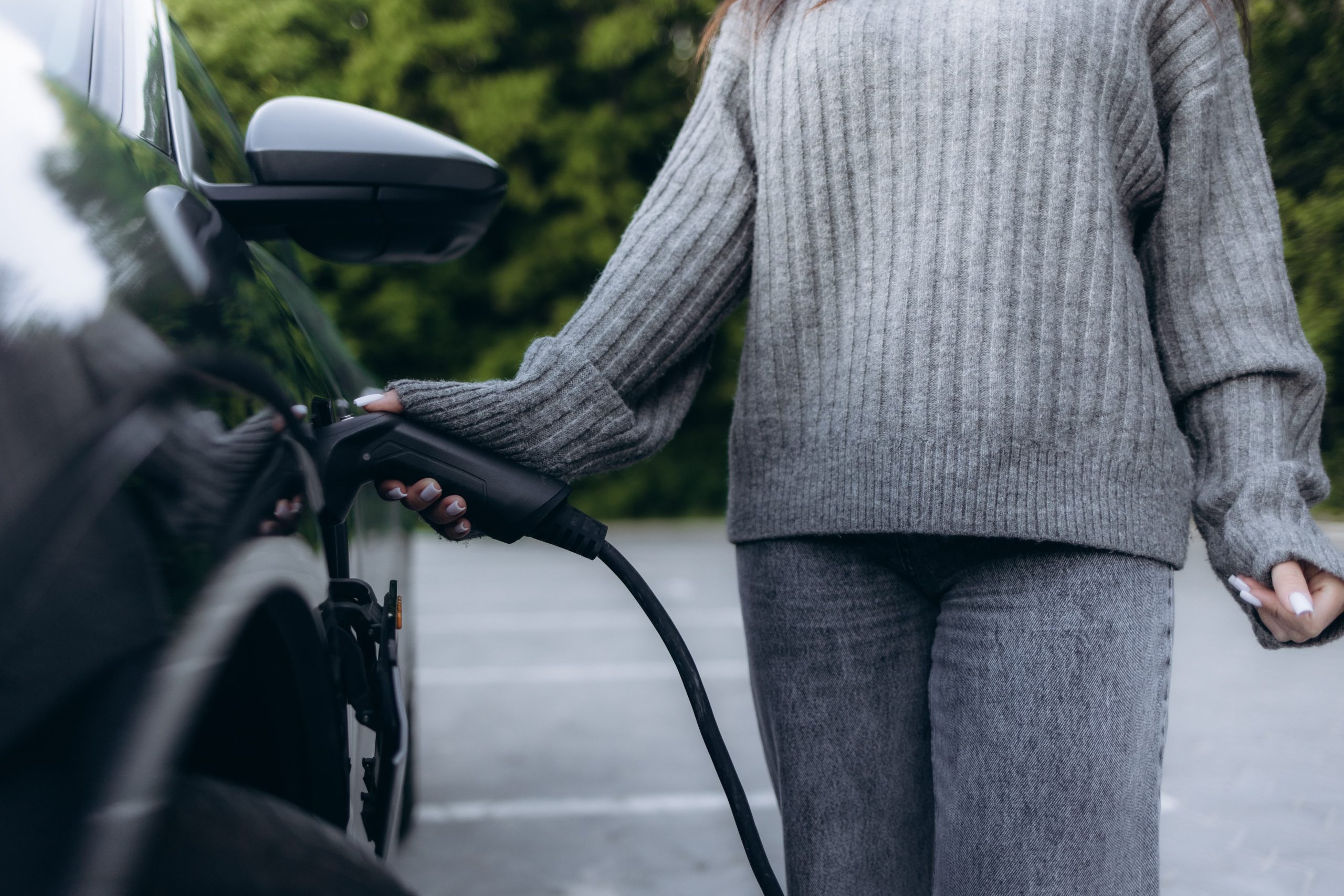
Electric vehicles are often significantly heavier than comparable gas cars because of their batteries. In a crash, that added weight can increase the forces involved, which may worsen injuries, particularly for occupants of a lighter vehicle struck by a heavy EV. The severity of the injuries is part of valuing the claim.
How comparative negligence applies
Under comparative negligence (§768.81), any fault assigned to the injured person reduces the recovery, and more than 50 percent bars it. In an EV crash, the vehicle data can be especially powerful in establishing fault accurately, which helps protect an injured person’s recovery against an insurer’s attempt to shift blame.
How long do you have to file in Florida?
There is a deadline. Under the two-year deadline (§95.11), most car accident claims must be filed within two years, but EV data and the vehicle itself can be lost much sooner. Acting early protects both the deadline and the unique evidence an EV case depends on.
Why EV cases may require product-liability experts
When a battery, a driver-assistance system, or another component may have failed, an EV crash can become a product-liability case against the manufacturer — a car accident caused by a defective product — an area very different from an ordinary car accident. These claims require engineering and technical experts to analyze the vehicle and its data and to show that a defect, rather than only a driver, contributed to the crash. Identifying that possibility early and preserving the vehicle is essential.
What to do after a Tesla or EV crash
After an EV crash, the usual steps apply: call 911, get medical care, photograph the scene, and gather witness information, but two things are especially important. Be cautious around a damaged battery, which can reignite, and act quickly to preserve the vehicle and its data before it is repaired, salvaged, or overwritten. That data is often the key to proving exactly what happened.
Why EV crashes can carry higher stakes
Between the added dangers of battery fires, the heavier weight that can worsen injuries, and the possibility of a product-liability claim against a manufacturer, an EV crash can carry higher stakes than an ordinary collision, both in the severity of the harm and in the complexity of the case. Recognizing that early, and preserving the vehicle and its data, helps ensure an injured person can pursue every avenue of recovery the crash may involve, rather than treating it as a routine car accident.
Hurt in a Tesla or EV Crash in Fort Lauderdale?
EV crashes bring unique evidence and added dangers, from battery fires to onboard data that must be preserved fast. The team behind our Fort Lauderdale car accident lawyer page knows how to handle them. Call 954-522-5800 or 844-643-7200 for a free case evaluation, any time.
Sources: Florida Statutes §316.85 (autonomous vehicles); Florida Statutes §768.81 (comparative negligence); Florida Statutes §95.11 (statute of limitations)
About the Firm
Published by the Law Offices of Wolf & Pravato
For nearly three decades, the Law Offices of Wolf & Pravato have represented injured Floridians and their families across South and Southwest Florida, exclusively on the plaintiff’s side. The firm is led by managing partner Richard P. Pravato, a Board-Certified Civil Trial Attorney (Florida Bar No. 86150). To reach the attorney who handles cases in your area, visit our attorneys page, explore our practice areas, or learn more about our firm.
Frequently Asked Questions
- How is a Tesla or EV crash different from a regular car crash?
Electric vehicles have distinct technology, heavy batteries that can catch fire, instant acceleration, detailed onboard data logging, and advanced driver-assistance systems that can change how a crash happens, how dangerous it is, and how it is proven. Recognizing these differences is the starting point for handling an EV claim correctly. - Are EV battery fires really a bigger risk?
They can be. A damaged lithium-ion battery can ignite, and EV fires can burn intensely, reignite hours later, and be hard to extinguish, creating added risks for occupants and first responders. This is one of the ways an EV crash can differ from and be more dangerous than a conventional collision. - Can the car’s data help prove my case?
Often, yes. EVs, and Teslas in particular, record detailed data on speed, braking, steering, and system status. This can reconstruct exactly what happened and settle disputes about fault, but it must be preserved quickly, before it is overwritten or the vehicle is repaired or salvaged, to be useful in a claim. - What if Autopilot or a driver-assist feature were on?
That raises complex questions about the roles of the driver and the technology, whether the driver misused the system, whether it malfunctioned, and what the manufacturer represented. When such a feature was active in a crash, the case may extend beyond the drivers to the technology itself and the company behind it. - Is suing the manufacturer different from suing a driver?
Yes, very. A claim against another driver is an ordinary negligence case, while a product-liability claim against a manufacturer for a defective battery, vehicle, or driver-assistance system is far more complex, requiring engineering experts and analysis of the vehicle and its data. An EV crash can involve one or both, which is why identifying the right type of claim early matters. - Does an EV’s weight make injuries worse?
It can. Electric vehicles are often significantly heavier than comparable gas cars because of their batteries, and that added weight can increase the forces in a crash. Occupants of a lighter vehicle struck by a heavy EV may suffer more severe injuries, which is part of how the claim is valued. - Why do I need to act quickly after an EV crash?
Because the unique evidence, the vehicle’s detailed data, and the vehicle itself can be lost, overwritten, or salvaged much sooner than the two-year filing deadline. Acting early lets an attorney preserve the data and inspect the vehicle, protecting the proof that makes EV cases provable. - What does a Fort Lauderdale car accident lawyer cost?
The firm works on a contingency fee, so there is no up-front cost, and a fee is owed only from a recovery. The consultation is free, so someone hurt in an EV crash can understand what makes their case different without any financial risk.
Disclaimer: This blog post is provided for general informational purposes only and does not constitute legal advice. Reading this content does not create an attorney-client relationship between you and the Law Offices of Wolf & Pravato. Laws change, and every case is different, so you should not act or rely on any information here without consulting a licensed Florida attorney about your specific situation. For advice regarding your circumstances, please contact our office for a free consultation.
Recent Posts
- Wrong Burial Plot and Grave-Site Errors in Fort Lauderdale

- Rainwater Falls at Fort Lauderdale Store Entrances

- Parking-Lot Backing Crashes in Fort Lauderdale: Who Has the Right of Way?
- Elevator and Escalator Injuries at Fort Lauderdale Shopping Centers
- Delivery Driver Car Accidents in Lakeland: Who Pays?

- Injured as a Passenger in Fort Lauderdale: Whose Insurance Pays?




FLORIDA’S PERSONAL INJURY ATTORNEYS FOR + 20 YEARS