Florida Electric Bike Laws and Scooter Rules in Fort Lauderdale
 By Brett J. Yonon, Florida Super Lawyers, 2024 and 2025 Published October 22, 2026
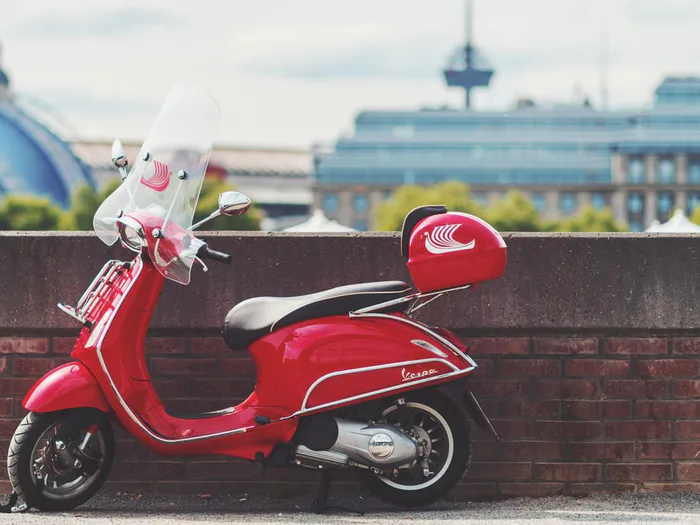
Electric bikes and scooters are everywhere in South Florida now, and almost nobody is sure what the rules are. Scooters you ride standing up weave down A1A. Kids hold 25 mph in the bike lane. The quiet ones with no pedals sound like nothing and move like a motorcycle. Those are three different machines, and Florida law treats each one separately.
Florida electric bike laws split three ways, and the part that applies depends on which one it is. A parent asked for one as a birthday present wants to know what a 14-year-old may legally ride. A commuter wants a straight answer on a license, a helmet and the sidewalk. Somebody already hit wants to know whether the machine changes the claim.
By the end you will know what counts as an e-bike here, what the classes mean, which rules cover a scooter, why an electric dirt bike is not street legal in Florida, and what Fort Lauderdale bans. I am Brett J. Yonon, a trial attorney at Wolf & Pravato, and I handle e-bike and scooter cases.
Key takeaways
- A Florida e-bike with pedals and a seat is legally a bicycle, so it needs no license, registration or insurance.
- Florida sets no statewide minimum age for an e-bike, but a 2025 change lets your city set one, and Fort Lauderdale is writing one now.
- An electric dirt bike with no pedals is a motor vehicle in Florida, so riding one unregistered is a second-degree misdemeanor.
- The 10 mph sidewalk rule reported all over Florida this year is not law, because the Governor vetoed that bill in June 2026.
What Florida electric bike laws require of a rider
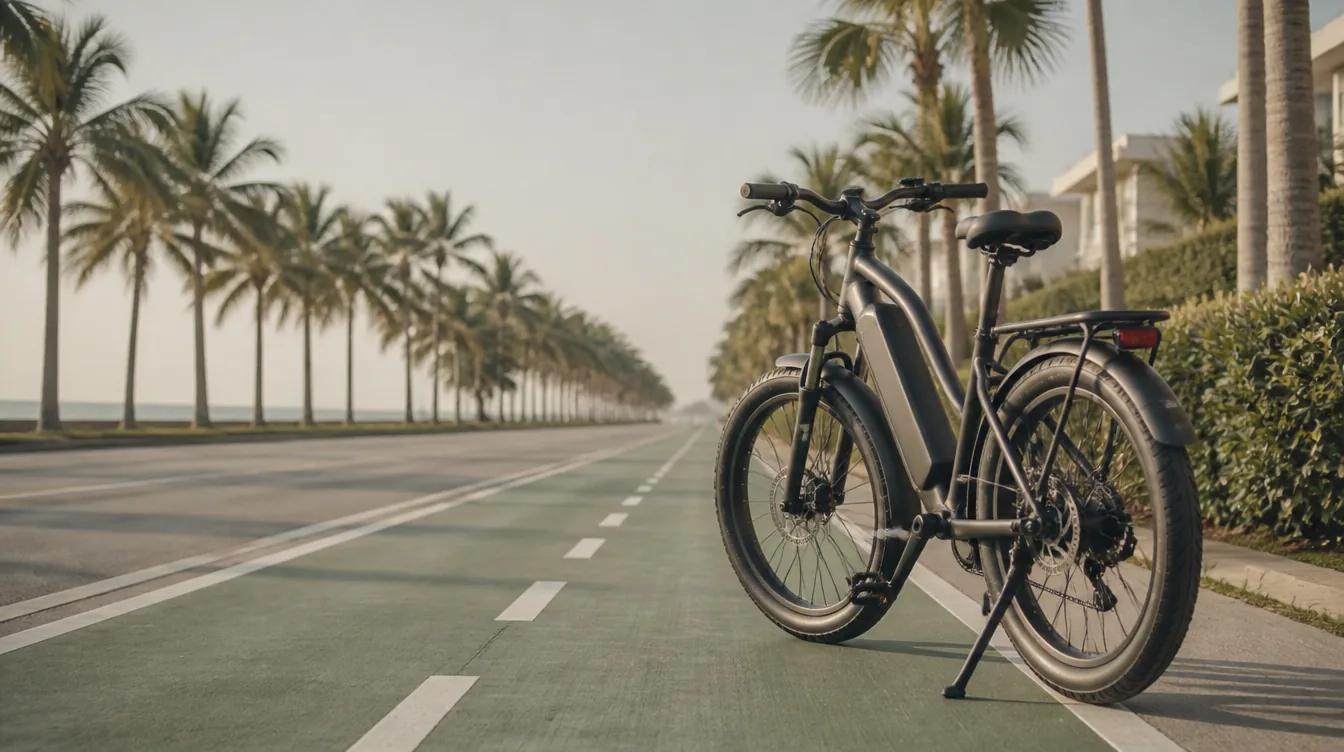
An electric bicycle in Florida is legally a bicycle. With fully operable pedals, a seat and a motor of less than 750 watts, it needs no driver license, no registration, no title and no insurance.
- The motor has to cut out when you stop pedaling or squeeze the brakes.
- You may go anywhere a bicycle may go, including streets, shoulders, bike lanes and multiuse paths.
- A city, a county or a trail manager can still close it to you.
Where that comes from: Florida Statute 316.20655, which gives an e-bike a cyclist’s rights.
Two of the three machines people call e-bikes sit outside that statute. Here is the whole picture, and the rest of this article works down it.
| What you are on | Pedals and a seat | Paperwork for the road | Where it may go |
|---|---|---|---|
| Electric bicycle, Class 1 to 3 | Both required | None | Anywhere a bicycle may go |
| Electric scooter you stand on | Neither required | None | Anywhere a bicycle may go |
| Electric dirt bike or e-moto | No pedals | Title, plate, insurance, motorcycle endorsement | Roads only, and few of them qualify |
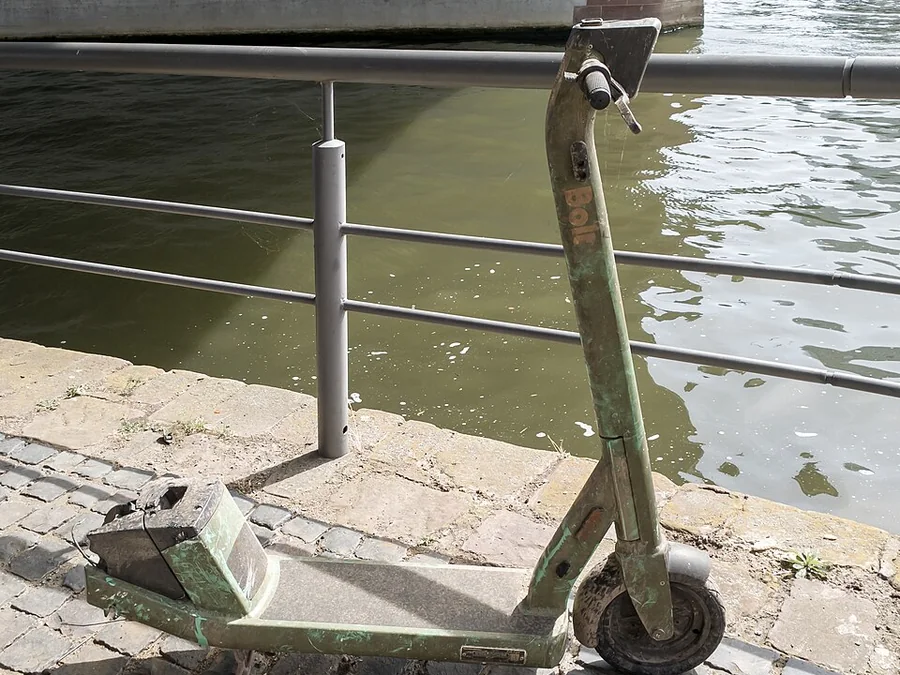
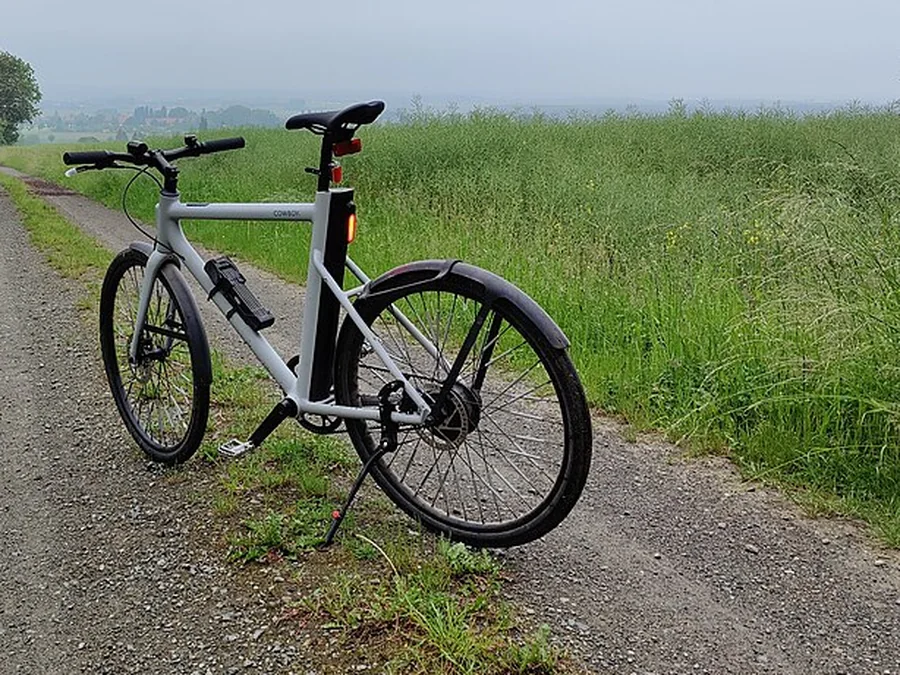
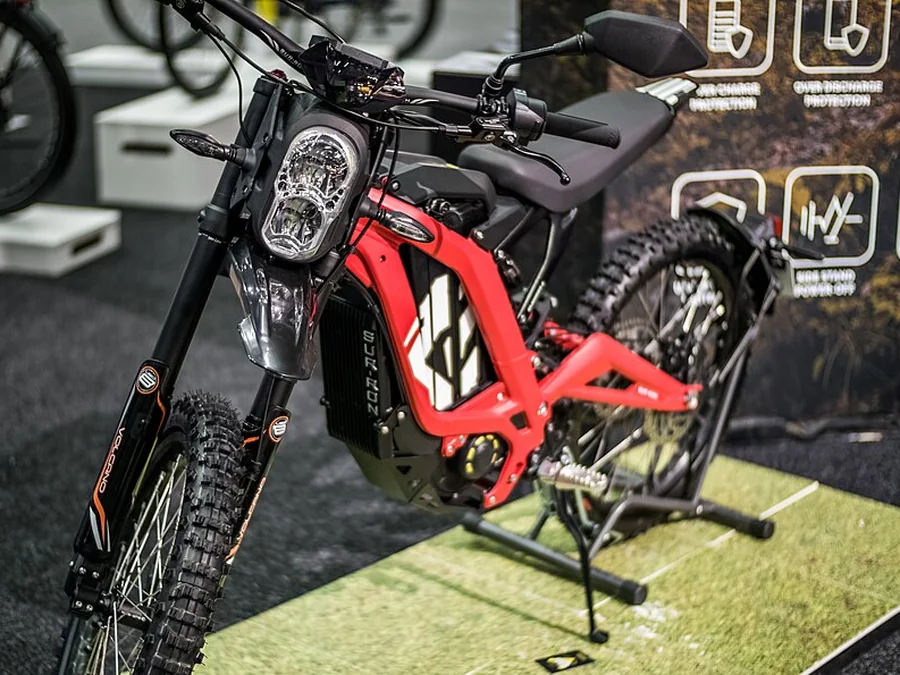
Most trouble I see starts in that bottom row, because the box said e-bike.
The three e-bike classes, and the speed each one stops helping at
Here is what the class written on your frame tells you: when the motor quits helping. There is no Florida e-bike speed limit past those cutoffs, and a cutoff caps the motor rather than your speed.
- Class 1. The motor helps only while you pedal, and stops helping at 20 mph.
- Class 2. A throttle moves the bike with no pedaling, and the motor stops at 20 mph.
- Class 3. The motor helps only while you pedal, and stops helping at 28 mph.
Every e-bike sold since January 2021 carries a permanent label naming its class, top assisted speed and motor wattage. That sticker is the first thing an adjuster photographs, and turning the motor up without replacing it breaks the statute. Helmets follow the bicycle rule, so riders and passengers under 16 have to wear one and nobody older is required to.
A scooter you stand on is not an e-bike
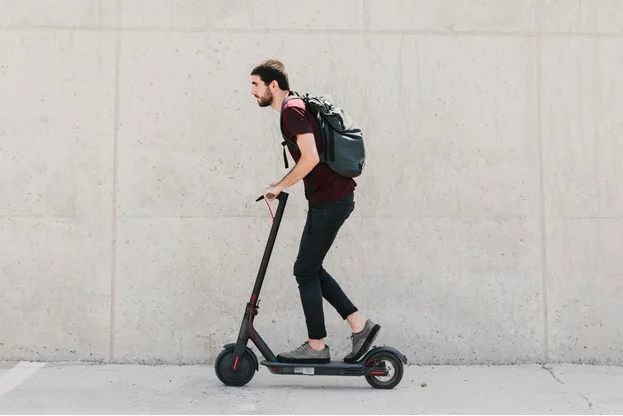
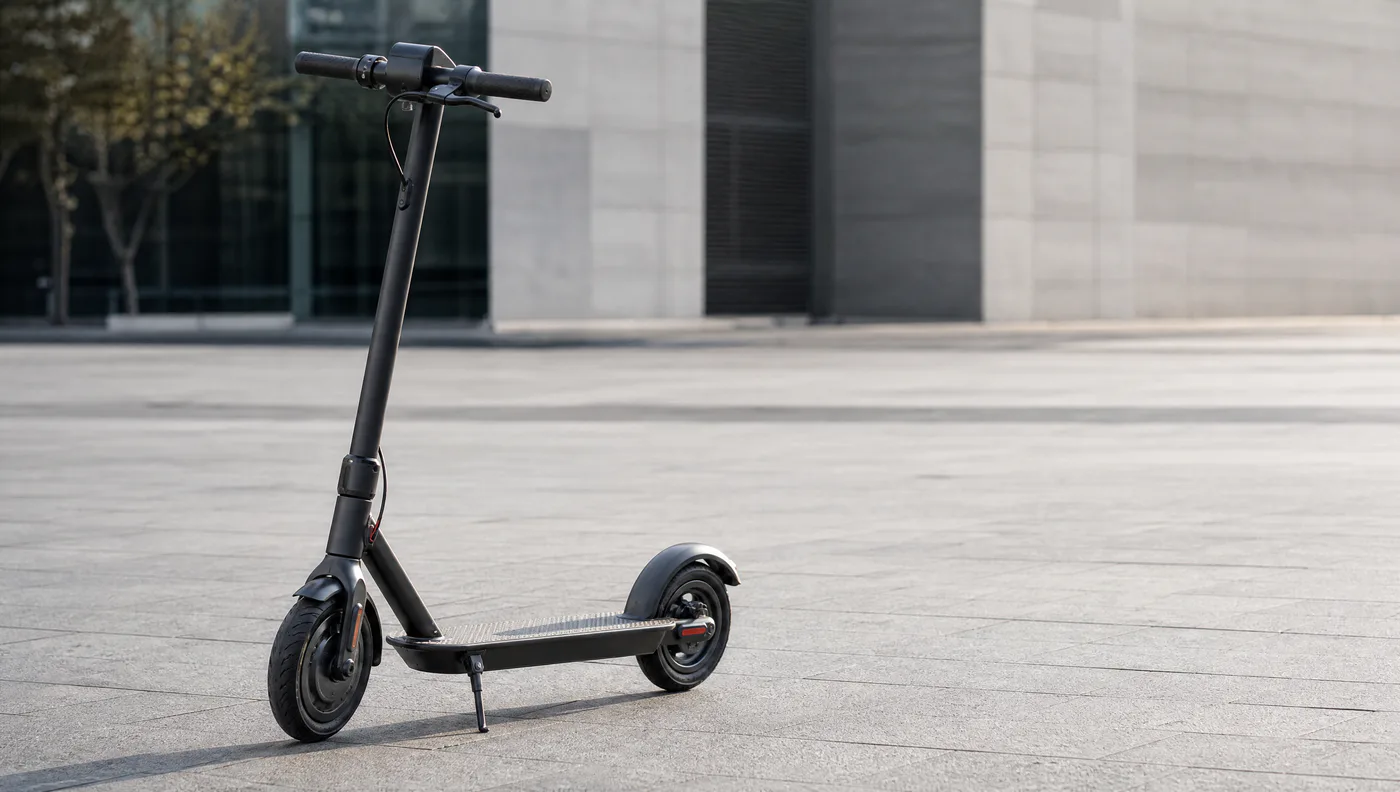
Florida scooter laws sit in their own section, and the test is the machine rather than the rider. A motorized scooter runs on three wheels or fewer, with or without a seat, and cannot pass 20 mph on level ground.
That section borrows the bicycle rules. Under Florida Statute 316.2128, a scooter rider gets a cyclist’s rights and duties, with no license, registration or insurance. The same section lets a local government write rules for its own streets, set a minimum age and require photo identification.
What catches people out is the rental, which adds a company with an arbitration clause and a unit collected within hours, as our guide to a Bird scooter lawsuit explains.
Electric dirt bikes and e-motos are not street legal in Florida
Electric dirt bikes are the ones that get people arrested. Once a machine loses its pedals, or its motor passes 750 watts, Florida treats it as a motor vehicle. That covers the Sur-Ron and Talaria class, so whether a Sur-Ron is street legal is answered for all of them, and electric dirt bike laws in Florida are the motorcycle rules.
To use one on a public road it has to be titled, registered and insured, and the rider needs a motorcycle endorsement on their license. Florida Statute 320.02(1) requires the registration, and Florida Statute 320.57 makes breaking that chapter a second-degree misdemeanor. That is a criminal charge, not a ticket, and police in several South Florida cities impound the machine.
The injuries are not hypothetical. Memorial Healthcare System, whose trauma center sits in Hollywood, reported a 178 percent rise in e-bike and e-scooter injuries from 2024 to 2025, and 44 percent of those hurt were under 18.
What Fort Lauderdale bans today, and the age rule it is writing
Fort Lauderdale already closes parts of the city to these machines, no matter what the state does. Chapter 27 of the city code keeps micromobility devices out of the Las Olas Boulevard right-of-way and off the Riverwalk, and scooters come off the beach during the busiest weeks of the year.
The bigger change is still coming. On October 6, 2026, city staff brought a micromobility ordinance to a commission conference meeting. It would set a minimum age of 16, make riders carry photo identification and register the machine with the city, and close city parks to these devices. First violations draw $250 and later ones $500, with a first reading expected this year.
A city can do that because the Legislature said it could. The 2025 revisions to both statutes let a local government set minimum ages and require photo identification. Neighboring cities are moving the same month, so the rule changes when the sign does.
The 10 mph sidewalk rule you read about never became law
Much of what is published about Florida e-bike law in 2026 describes a bill rather than a statute. Senate Bill 382 cleared the Senate 37 to 0 in February 2026 and passed the House too. It would have capped riders at 10 mph within 50 feet of a person on foot, made Class 3 riders carry a license, and ordered police to log every crash.
Governor DeSantis vetoed it on June 25, 2026, saying a rider cannot measure 50 feet while riding and that enforcement would push cities toward speed detection. Yielding and calling out before you pass somebody are still a cyclist’s duties, so the courtesy survived even though the number did not.
What you were riding changes the claim
What you were riding decides who pays your medical bills, and the insurer works that out before you do. On an e-bike or a scooter you were legally a cyclist, which is better news than it sounds. Florida personal injury protection follows the person rather than the car, so your own auto policy can pay your first medical bills, as our explainer on extended personal injury protection sets out.
On an unregistered e-moto the argument runs the other way, and the defense leads with it. Being somewhere you should not have been does not end a claim here, because Florida cuts your recovery by your own share of the blame and bars you only above 50 percent of the fault. It does hand the other side a story, which is why fault in a bike lane sideswipe turns on evidence.
How we work an e-bike or scooter crash
Three things decide these cases, and all three disappear in the first couple of weeks.
- The machine gets photographed before it is repaired or thrown out. We read the class label, the motor rating and the damage pattern, and those settle what you rode.
- Rental records get demanded the week we are hired. The ride record proves which unit and which minute, and app terms change without notice.
- The classification gets established by us, not conceded to an adjuster. It decides which statute the claim runs under.
Here is one of our own cases. A client riding to work in Boca Raton was knocked off his e-bike by a car turning into a parking lot, and his shoulder needed surgery. The carrier refused its $250,000 policy limits, so we filed suit and demanded all of it. It paid every dollar.
Questions riders and parents ask me
The box said street legal, so does that settle it?
No, because a seller’s label is marketing and Florida measures the machine instead. A bike that fails the test is a motor vehicle no matter how it was advertised.
How old does my child have to be to ride an e-bike here?
State law sets no minimum age, so it depends on your city. Fort Lauderdale is working on 16, and a helmet is already required statewide under 16.
Find out which statute your crash runs under
Wolf & Pravato represents injured riders across Florida, from offices in Fort Lauderdale, Miami, West Palm Beach, Boynton Beach and Fort Myers. If you or your child was hurt on an e-bike, a scooter or an e-moto, bring us the machine and the photos.
Request a free case review. No fee unless we win money for you.
This article is general information about Florida law, not legal advice, and local ordinances change. Confirm current rules with the City of Fort Lauderdale before you ride. Prior results do not guarantee a similar outcome.