











Falling-Merchandise Injuries at Florida Big-Box Stores
By the Law Offices of Wolf & Pravato · Published July 9, 2026
Quick answer: Warehouse and big-box stores stack heavy merchandise high overhead, and an item that falls can cause serious head and spinal injuries. When a store’s unsafe stacking or stocking causes a falling-merchandise injury, it can be liable under premises law.
Warehouse and big-box stores built their model on stacking enormous quantities of merchandise on towering shelves, often directly above the aisles where shoppers walk. When a box, appliance, or piece of furniture falls from those heights, the injury can be severe. A falling-merchandise case is a premises-liability claim, but a distinct one, and a Florida premises liability lawyer evaluates how the store handled its inventory.
A different kind of store injury
Most store-injury cases involve a shopper slipping on a spill, but falling-merchandise cases flip that dynamic: the hazard comes from above, striking a shopper who did nothing wrong. These are struck-by injuries, and they arise from how the store stores and handles its products rather than from a wet floor. Because the merchandise in a warehouse store can be heavy and stored high, a falling item carries significant force, and the store’s control over its own stacking practices is central to the claim.
How falling-merchandise injuries happen
These injuries flow directly from the warehouse-store model and how it is executed.
High shelves and heavy inventory
Big-box stores use tall industrial racking to store bulk and overstock inventory above the sales floor, keeping heavy boxes, appliances, and bulk goods well overhead. The higher and heavier the item, the more dangerous a fall becomes. A store that places heavy merchandise high above shoppers assumes responsibility for ensuring it stays there, because a fall from that height can seriously injure anyone below.
Unsafe stacking and stocking practices
Falls happen when merchandise is stacked unstably, overloaded, pushed too far forward on a shelf, or handled carelessly by staff or equipment. A forklift jostling a rack, an item balanced precariously, or a poorly secured load can send products tumbling. Customers reaching for or removing items can also dislodge poorly arranged merchandise. In each case, the way the store stacked, secured, and maintained its inventory is what determines whether the fall was preventable.
The store’s duty to shoppers
A store that invites the public in to shop among its stacked inventory owes a duty to keep that environment reasonably safe.
Safe stacking, securing, and inspection
Reasonable care includes stacking merchandise so it is stable, securing heavy or high items, not overloading shelves, using safety measures like netting or restraints where appropriate, training staff on safe stocking, and inspecting displays for hazards. A store that ignores these practices, or that prioritizes cramming in inventory over securing it, has created a foreseeable danger to the shoppers walking beneath.
Knowledge of an unsafe condition
Under the premises standard, a store’s liability generally depends on whether it knew or should have known of the unsafe condition. When the store itself created the hazard through its own stacking and stocking, that knowledge is often established directly, because the store’s employees arranged the merchandise. Where the condition developed over time, evidence that it existed long enough to be discovered through reasonable inspection can establish constructive knowledge.
Why these injuries are often severe
A heavy object falling from a height strikes with considerable force, frequently hitting a shopper on the head, neck, shoulders, or back. The result can be traumatic brain injury, spinal damage, fractures, and other serious harm. Because the impact is sudden and from above, a shopper has no chance to protect themselves. A claim should account for the full scope of these injuries, including future care and lasting effects, rather than the initial hospital visit alone.
Proving a falling-merchandise claim
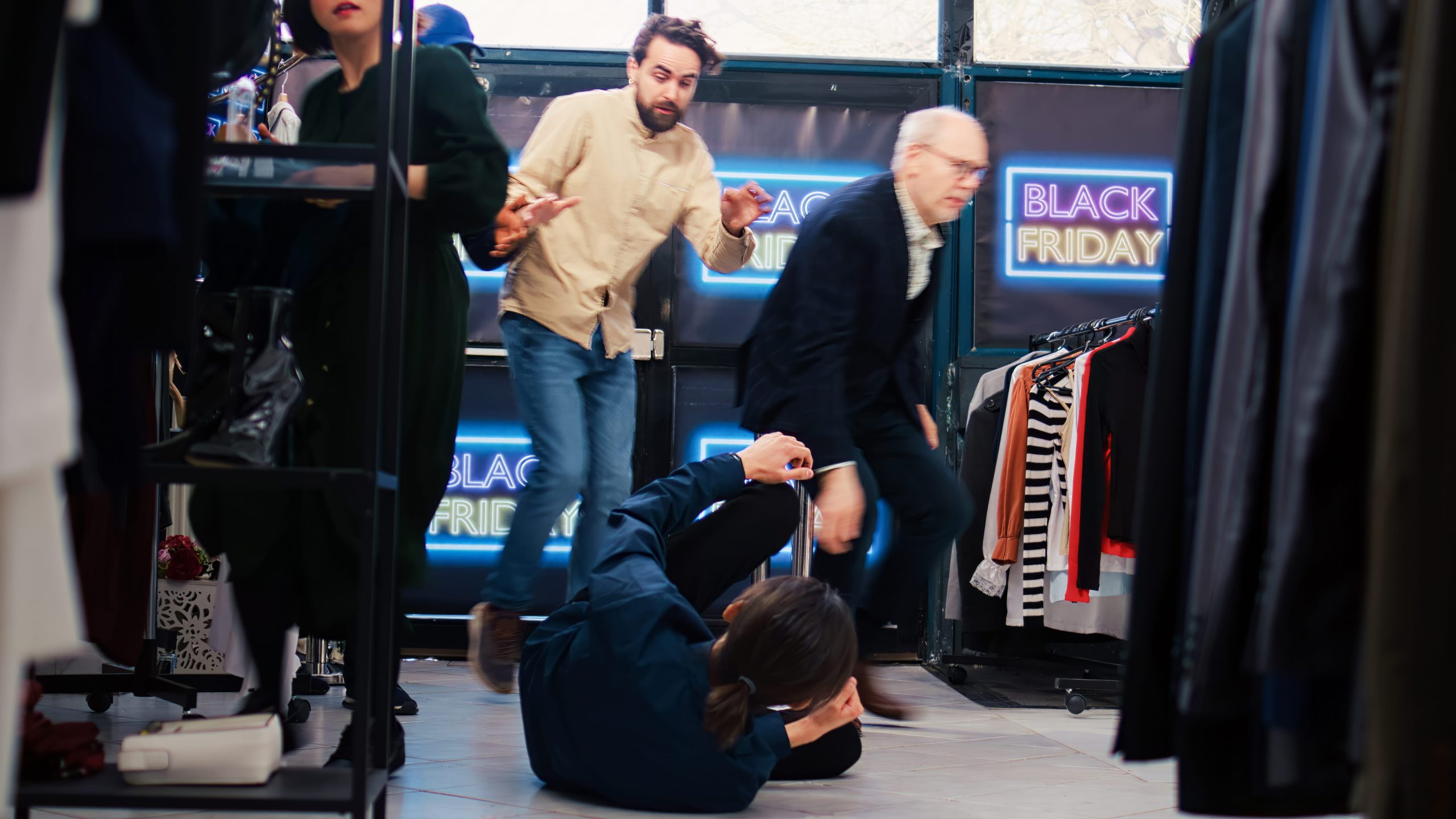
These cases turn on how the merchandise was stored and handled. Photographs of the shelf, the fallen item, and the display, surveillance footage showing how the fall occurred, the store’s stocking and safety policies, incident reports, and staff practices all matter. Because a store may restock or rearrange a display after an incident, documenting the scene quickly is important. Even where a store argues the shopper dislodged the item, Florida’s comparative fault statute reduces rather than bars recovery, and it does not excuse unsafe stacking. Reviewing what a property owner can be sued for shows the breadth of premises claims, and victims can reach Lakeland premises liability lawyers.
Damages and next steps after a struck-by injury
A falling-merchandise injury can be severe and its proof fleeting, so both valuation and prompt documentation matter.
Serious struck-by injuries
An object falling from a height strikes with force, often causing head, neck, shoulder, or back injuries, including traumatic brain injury, spinal damage, and fractures. Because the impact is sudden and from above, a shopper cannot brace for it. A claim should account for the full scope of these injuries, including future care and lasting effects, rather than the emergency visit alone.
Documenting the store’s practices
The evidence that wins these cases concerns how the store stored and handled its inventory: photographs of the shelf and the fallen item, surveillance footage of the fall, the store’s stocking and safety policies, and incident reports. Because a store may restock or rearrange a display soon after an incident, capturing the scene and requesting the footage quickly is essential before that proof disappears.
Because the store controls both the hazard and much of the evidence, moving quickly is essential. A retailer that restocks a display and reviews its own footage before an injured shopper acts holds most of the proof, and some of it can be lost or overwritten within days. Prompt documentation of the scene and a timely request to preserve the surveillance video and stocking records are what keep a falling-merchandise case from coming down to the store’s word alone.
Struck by falling merchandise at a Florida store?
Merchandise that fell because a store stacked or stocked it unsafely can support a serious claim. The Law Offices of Wolf & Pravato investigate the store’s practices and pursue full compensation. Call 954-522-5800 for a free case review.
Sources: Fla. Stat. §768.0755; Fla. Stat. §768.81
Frequently Asked Questions:
Q1. Can a shopper sue a store if merchandise falls on them?
Yes, if the store’s unsafe stacking, securing, or stocking caused the item to fall and injure the shopper. A store that stacks heavy merchandise high above shoppers must keep it stable and secure, and a falling-merchandise injury can support a premises-liability claim.
Q2. How do falling-merchandise injuries happen?
They occur when merchandise is stacked unstably, overloaded, pushed too far forward, jostled by equipment like forklifts, or handled carelessly. Poorly arranged items can also be dislodged when customers reach for products. The store’s stacking and handling practices determine whether the fall was preventable.
Q3. What duty does a store owe about stacked merchandise?
A store must use reasonable care to keep its environment safe, including stacking merchandise stably, securing heavy or high items, not overloading shelves, using restraints or netting where appropriate, training staff, and inspecting displays. Ignoring these practices creates a foreseeable danger.
Q4. How is the store’s knowledge of the hazard shown?
When the store created the hazard through its own stacking and stocking, its knowledge is often established directly because its employees arranged the merchandise. Where the condition developed over time, evidence that it existed long enough to be found through inspection can establish constructive knowledge.
Q5. Why are these injuries often serious?
A heavy object falling from a height strikes with considerable force, often hitting the head, neck, or back, and a shopper has no chance to protect themselves. The result can be traumatic brain injury, spinal damage, and fractures, so claims should account for future care and lasting effects.
Q6. What should I do after being struck by falling merchandise?
Seek medical care, report the incident to the store and get an incident number, photograph the shelf, the fallen item, and the display, note the height it fell from, and identify witnesses. Because stores often restock after an incident, documenting the scene quickly is important.
Q7. What if I dislodged the item while reaching for a product?
That does not automatically bar a claim. If merchandise was stacked unstably or arranged unsafely so that normal customer handling could dislodge it, the store’s practices may still be the cause. Florida’s comparative fault reduces rather than bars recovery, and it does not excuse unsafe stacking.
About the Firm
Published by the Law Offices of Wolf & Pravato
For nearly three decades, the Law Offices of Wolf & Pravato have represented injured Floridians and their families across South and Southwest Florida, exclusively on the plaintiff’s side. The firm is led by managing partner Richard P. Pravato, a Board-Certified Civil Trial Attorney (Florida Bar No. 86150). To reach the lawyer who handles cases in your area, visit our attorneys page, explore our practice areas, or learn more about our firm.
Disclaimer: This blog post is provided for general informational purposes only and does not constitute legal advice. Reading this content does not create an attorney-client relationship between you and the Law Offices of Wolf & Pravato. Laws change, and every case is different, so you should not act or rely on any information here without consulting a licensed Florida attorney about your specific situation. For advice regarding your circumstances, please contact our office for a free consultation.
Recent Posts
- Wrong Burial Plot and Grave-Site Errors in Fort Lauderdale

- Rainwater Falls at Fort Lauderdale Store Entrances

- Parking-Lot Backing Crashes in Fort Lauderdale: Who Has the Right of Way?
- Elevator and Escalator Injuries at Fort Lauderdale Shopping Centers
- Delivery Driver Car Accidents in Lakeland: Who Pays?

- Injured as a Passenger in Fort Lauderdale: Whose Insurance Pays?





FLORIDA’S PERSONAL INJURY ATTORNEYS FOR + 20 YEARS