










Rear-End Collisions on the Dolphin Expressway: Proving the Other Driver's Fault
The Dolphin Expressway (SR-836) carries dense, fast-moving traffic across Miami, and sudden slowdowns make rear-end crashes one of its most common collisions. Many people assume the rear driver is automatically at fault, but Florida law is more nuanced, and proving what really happened matters. A Miami car accident lawyer can help establish fault.
Why rear-end crashes are so common on the Dolphin Expressway
The Dolphin Expressway mixes heavy commuter traffic, frequent merging near its interchanges, and the stop-and-go pattern of a congested urban highway. When traffic ahead brakes suddenly, drivers following too closely or distracted have little time to react. That combination produces a steady stream of rear-end collisions, especially during rush hours and around the busiest ramps.
The presumption that the rear driver is at fault
Florida law generally presumes the rear driver in a rear-end crash was negligent, on the theory that drivers must keep a safe following distance and watch the road ahead. This presumption is a starting point, not the last word. It can be rebutted with evidence showing the lead driver, or a third party, contributed to the crash.
When the rear driver is not fully to blame
Several situations can shift some or all of the blame away from the rear driver.
A sudden, unexpected stop
If the lead driver stopped abruptly without reason, or for no apparent purpose, that sudden stop can shift fault. Evidence of an unexplained, unnecessary stop in moving traffic helps rebut the usual presumption against the rear driver.
Brake-checking or aggressive driving
A driver who deliberately brake-checks, slamming the brakes to intimidate the car behind, can be largely responsible for a resulting crash. This kind of aggressive driving is itself negligent, and dashcam footage or witnesses can reveal it.
Broken brake or tail lights
If the lead vehicle’s brake or tail lights were not working, the following driver may have had no warning that it was slowing or stopping. A malfunctioning light can shift a meaningful share of fault to the lead driver.
A chain-reaction crash
In a multi-car chain reaction, a driver pushed into the car ahead by being struck from behind may not be at fault for that second impact. Sorting out the sequence in a chain-reaction crash is key to assigning blame fairly.
How fault is actually proven
Fault is built from evidence, not the presumption alone. The crash report, photos of the vehicle damage and scene, dashcam or traffic-camera footage, witness accounts, and sometimes expert reconstruction all help show how the crash truly happened. On a busy highway, securing camera footage quickly, before it is overwritten, can be decisive.
How comparative negligence divides the blame
Florida uses a modified comparative negligence rule. Under Florida’s comparative negligence law (§768.81), each driver can be assigned a percentage of fault; a rear driver’s recovery is reduced by their share, and barred if it exceeds 50 percent. That is why rebutting the presumption, and shifting fault to the lead or another driver, can be the difference between a reduced recovery and none.
Common injuries in a rear-end crash
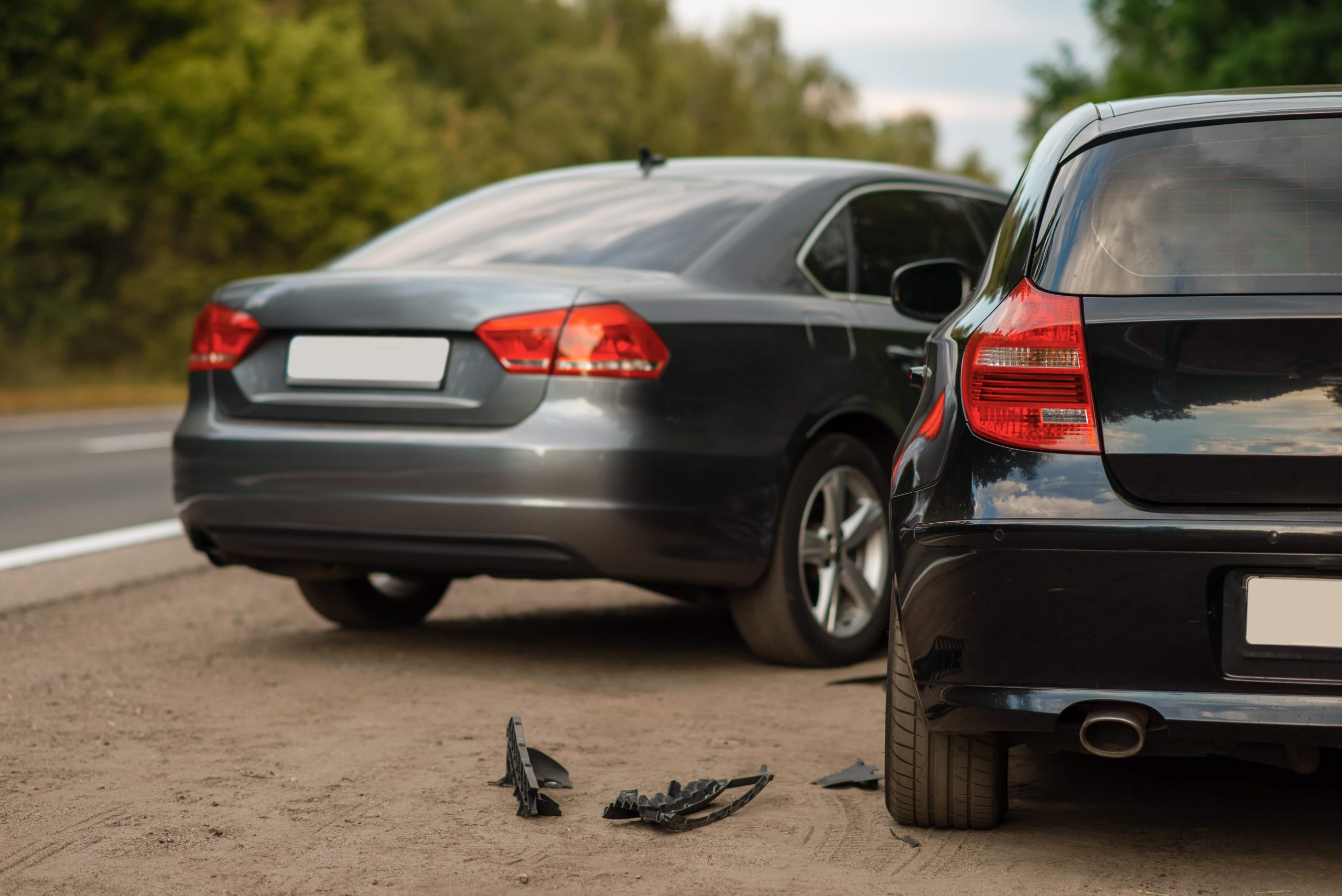
Rear-end crashes are a leading cause of whiplash and neck injuries, but they can also cause herniated discs, back injuries, concussions, and shoulder or wrist injuries from bracing. Some of these symptoms appear only hours or days later, which is why prompt medical care matters both for health and for tying the injury to the crash.
Who pays after a Dolphin Expressway crash
Florida’s no-fault system means an injured driver’s own PIP coverage pays the first layer of medical bills and lost wages regardless of fault. For a serious injury beyond those limits, the at-fault driver’s liability insurance is the source of further compensation, which makes establishing the other driver’s fault essential.
Steps that protect a rear-end claim
A few steps after a crash protect both health and the claim, and our overview of what to do in a rear-end collision goes further.
- Call 911 so police create an official crash report.
- Photograph both vehicles, the damage, and the scene.
- Note any working or broken brake and tail lights on the lead car.
- Get the names and contact details of drivers and witnesses.
- Seek medical care promptly, even if you feel only sore.
- Decline a recorded statement to the other insurer until after getting advice.
How long do you have to file in Florida?
There is a deadline. Under the two-year deadline (§95.11), most car accident claims must be filed within two years, and the camera footage that can rebut the presumption disappears within days. Acting early protects both the deadline and the proof a claim depends on. Because the rear-driver presumption can be overcome only with evidence that fades fast, prompt action is especially important here.
How an attorney rebuts the presumption
Overcoming the presumption against the rear driver takes prompt, deliberate work. An attorney can secure traffic and dashcam footage before it is overwritten, obtain the crash report, photograph and document the lead vehicle’s brake and tail lights, interview witnesses, and, where the stakes warrant, bring in a reconstruction expert. Assembling that evidence quickly is what turns a presumed-fault situation into a provable claim that the lead or another driver was responsible.
Why prompt medical care protects the claim
Rear-end injuries like whiplash and disc damage often do not show their full severity for hours or days. Getting checked out promptly protects health and creates a record that ties the injury to the crash. A gap before the first visit gives the insurer room to argue the injury was minor or unrelated, weakening an otherwise strong claim, so consistent early treatment matters.
Why witnesses are valuable in a rear-end dispute
When the rear-driver presumption is contested, an independent witness who saw the lead car brake-check or stop without reason can be decisive. Because witnesses scatter quickly after a crash on a busy expressway, getting their names and accounts at the scene, or having an attorney locate them soon after, often preserves the very testimony that shifts fault where it belongs.
Blamed for a Rear-End Crash on the Dolphin Expressway?
Florida’s presumption against the rear driver can be rebutted with the right evidence. The team behind our Miami car accident lawyer page can prove what really happened. Call 954-522-5800 or 844-643-7200 for a free case evaluation, any time.
Sources: Florida Statutes §768.81 (comparative negligence); Florida Statutes §95.11 (statute of limitations)
FAQs
Q1. Is the rear driver always at fault in a rear-end crash?
No. Florida presumes the rear driver was negligent, because drivers must keep a safe distance and watch the road, but that presumption can be rebutted. Evidence that the lead driver stopped suddenly for no reason, brake-checked, had broken lights, or that the crash was a chain reaction can shift fault away from the rear driver.
Q2. How can I rebut the presumption against me?
With evidence. Dashcam or traffic-camera footage, the crash report, photos, and witness accounts can show the lead driver or a third party contributed, for example by an unexplained sudden stop, brake-checking, or non-working brake lights. Securing that evidence quickly, before video is overwritten, is key to overcoming the presumption.
Q3. What if the lead driver’s brake lights were out?
That can shift a meaningful share of fault to the lead driver, because a following driver may have had no warning the car ahead was slowing or stopping. Documenting the malfunctioning lights, through photos or the crash report, helps establish that the lead driver’s own negligence contributed to the collision.
Q4. Who is at fault in a chain-reaction rear-end crash?
It depends on the sequence. A driver pushed into the car ahead after being struck from behind may not be at fault for that second impact. Sorting out the order of collisions, often with physical evidence and witness accounts, is essential to assigning blame fairly in a multi-car chain reaction.
Q5. Can I recover if I was partly at fault?
Yes, as long as you are not more than 50 percent at fault. Under Florida’s comparative negligence rule, your recovery is reduced by your share of the blame. Because crossing the 50 percent line now erases a claim, rebutting the presumption and limiting your assigned fault is more important than ever.
Q6. What injuries are common in rear-end crashes?
Whiplash and neck injuries are the most common, but rear-end crashes also cause herniated discs, back injuries, concussions, and shoulder or wrist injuries from bracing. Some symptoms appear only hours or days later, so prompt medical care matters both for your health and to connect the injury to the crash.
Q7. Does my PIP still pay if I was rear-ended?
Yes. Florida’s no-fault PIP pays the first layer of medical bills and lost wages regardless of who caused the crash. For a serious injury that exceeds PIP, you can pursue the at-fault driver for the rest, which makes establishing the other driver’s fault an important part of the claim.
Q8. What does a Miami car accident lawyer cost?
The firm works on a contingency fee, so there is no up-front cost and a fee is owed only from a recovery, as an agreed percentage. The consultation is free, so an injured driver can learn whether the presumption can be rebutted in their case at no risk.
About the Firm
Published by the Law Offices of Wolf & Pravato
For nearly three decades, the Law Offices of Wolf & Pravato have represented injured Floridians and their families across South and Southwest Florida, exclusively on the plaintiff’s side. The firm is led by managing partner Richard P. Pravato, a Board-Certified Civil Trial Attorney (Florida Bar No. 86150). To reach the attorney who handles cases in your area, visit our attorneys page, explore our practice areas, or learn more about our firm.
Law Offices of Wolf & Pravato · Miami, FL (serving Miami-Dade County) · 954-522-5800 · Free case evaluation: 844-643-7200
Disclaimer: This blog post is provided for general informational purposes only and does not constitute legal advice. Reading this content does not create an attorney-client relationship between you and the Law Offices of Wolf & Pravato. Laws change and every case is different, so you should not act or rely on any information here without consulting a licensed Florida attorney about your specific situation. For advice regarding your circumstances, please contact our office for a free consultation.
Recent Posts
- Wrong Burial Plot and Grave-Site Errors in Fort Lauderdale

- Rainwater Falls at Fort Lauderdale Store Entrances

- Parking-Lot Backing Crashes in Fort Lauderdale: Who Has the Right of Way?
- Elevator and Escalator Injuries at Fort Lauderdale Shopping Centers
- Delivery Driver Car Accidents in Lakeland: Who Pays?

- Injured as a Passenger in Fort Lauderdale: Whose Insurance Pays?





FLORIDA’S PERSONAL INJURY ATTORNEYS FOR + 20 YEARS