










Autopilot vs. Driver: How Florida Assigns Fault in a Driver-Assist Wreck
Autopilot vs. Driver: How Florida Assigns Fault in a Driver-Assist Wreck
Published by the Law Offices of Wolf & Pravato on July 3, 2026.
Quick answer: Autopilot fault in Florida rarely rests with the software alone. Today’s driver-assist systems require an attentive human, so a driver who over-relies on the technology usually shares or bears the fault, while the manufacturer may also be liable if the system was defective or oversold.
When a car running Autopilot or a similar driver-assist system crashes, the first question everyone asks is who, or what, was at fault: the human behind the wheel or the software steering the car. In Florida, the answer is rarely as simple as blaming the machine. The Florida car accident lawyers help injured people sort out fault when automation is part of the crash.
Who is driving when the software is?
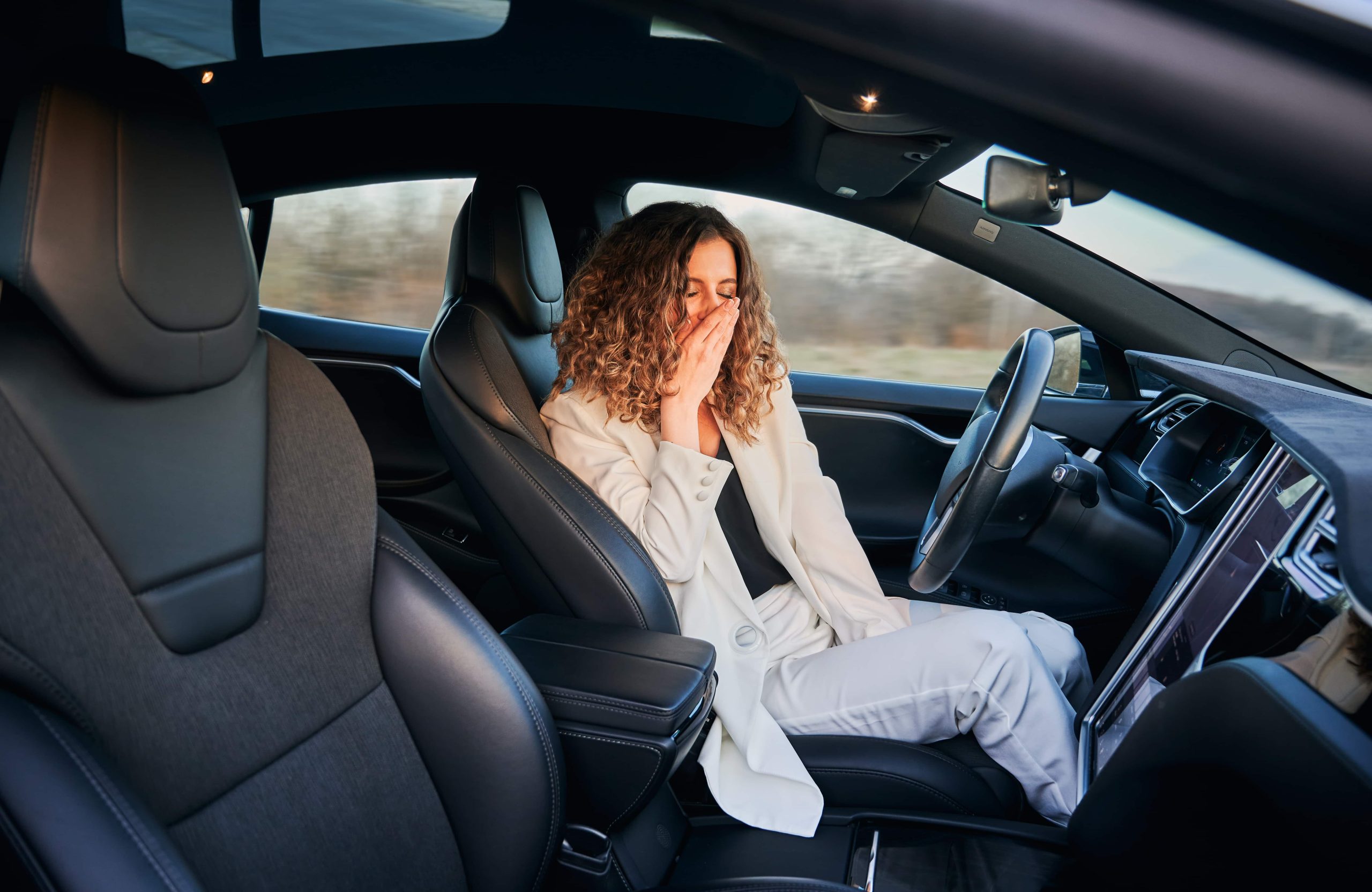
The marketing around driver-assist features can create the impression that the car drives itself, but that impression is dangerous and legally mistaken. Systems like Autopilot are, by their own manufacturers’ terms, aids that require a licensed, attentive human ready to take over at any moment. So when such a car crashes, the law does not simply excuse the human because the software was on; it asks what a reasonable, attentive driver should have done.
Why ‘driver-assist’ is not ‘self-driving’
There is a meaningful gap between the driver-assist systems on the road today and true self-driving. Current systems handle steering, speed, and lane-keeping under limited conditions but can disengage or fail without warning, handing control back to a driver who may not be ready. Understanding that these are assistance features, not autonomous chauffeurs, is the starting point for assigning fault, because the human retains a duty the technology does not remove.
The driver’s residual responsibility
Because the technology requires supervision, a driver who over-relies on it, taking hands off the wheel, watching a phone, or failing to react when the system falters, usually bears significant fault for a resulting crash. The driver accepted a duty to monitor the road and intervene, and abandoning that duty is negligence regardless of what the software was doing. In many driver-assist wrecks, this residual driver responsibility is the core of the case.
When the manufacturer shares the blame
The driver is not always the only one responsible; the company behind the system can share liability in two main ways.
A defect in the system
If the driver-assist system itself malfunctioned, misreading a hazard, braking wrongly, or failing to warn the driver, the manufacturer may be liable through a product-defect claim. A system that does not perform as a reasonably safe design should can shift a share of the fault onto its maker, independent of the driver’s conduct.
Overselling what the system can do
A manufacturer that markets a driver-assist feature in a way that overstates its abilities, encouraging drivers to trust it beyond its real limits, may also bear responsibility. When the marketing invites the very over-reliance that causes crashes, that framing can become part of the liability picture alongside any technical defect.
How Florida law fits automation into fault
Florida has made room for this technology. Florida’s autonomous vehicle law (§316.85) permits automated and driver-assist vehicles on public roads, but it does not grant them immunity from the ordinary law of negligence. A driver-assist crash is analyzed like any other, by asking who failed to exercise reasonable care, with the twist that the ‘who’ can include both the human and the machine’s maker.
How comparative negligence divides it
Because fault in these cases is often shared, comparative negligence (§768.81) does the dividing. It apportions responsibility by percentage among everyone at fault, the driver who over-relied on the system, the manufacturer whose technology failed or was oversold, and any other driver involved. An injured person’s own recovery is reduced by any share assigned to them, so establishing how the fault truly breaks down is central to the outcome.
Why the vehicle’s data settles the argument
Arguments about who was in control are ultimately settled by the vehicle’s own data, which records whether the system was engaged, what it did, and how the driver responded. Preserving and obtaining that data is what turns a philosophical debate about automation into a factual finding of fault. Its initial medical costs, meanwhile, run through Florida’s PIP law (§627.736) regardless of who ultimately caused the wreck.
The deadline in a driver-assist case
These cases carry the usual deadline. Under the two-year deadline (§95.11), most crash claims must be filed within two years, and because the automated-system data that decides fault vanishes quickly, acting early is doubly important. Injured people, including those advised by our Miami car accident lawyers and Miami slip and fall lawyers teams, benefit from moving promptly.
Common driver-assist crash scenarios
Driver-assist crashes tend to follow recognizable patterns. A system may fail to recognize a stopped vehicle or stationary object ahead and strike it at speed; it may misread lane markings and drift or make an unsafe move; it may disengage suddenly and hand control to an unprepared driver; or it may follow too closely and rear-end slowing traffic. Each scenario raises the same core question, whether the system malfunctioned, whether the driver should have intervened, or both, and the answer determines how fault is shared among the human, the manufacturer, and any other driver involved.
Why these cases need technical experts
A driver-assist case turns on questions engineers, not laypeople, are equipped to answer: what the system was designed to do, whether it performed as a reasonably safe design should, and what its data shows about the moments before impact. Accident reconstructionists and automotive or software experts translate the vehicle’s records into a clear account of what happened and why. Their analysis is often what separates a provable claim, one that pinpoints a defect or a driver’s failure, from a contested dispute that the manufacturer’s lawyers can muddy.
What an injured person can recover
A person hurt in a driver-assist crash may recover medical bills and future care, lost wages and diminished earning capacity, and pain and suffering, from whichever parties share the fault. Because these crashes can be severe and the potential defendants, an over-reliant driver and a deep-pocketed manufacturer, may both carry substantial coverage, reaching every responsible party is often what allows a full recovery for lasting injuries.
As automation spreads across Florida roads, these mixed-fault cases will only grow more common, and resolving them fairly will depend, again and again, on the evidence the vehicle itself quietly preserved in the seconds before the crash.
Related reading: subpoenaing autopilot and EV crash logs.
Crashed in a Car That Was on Autopilot?
When a driver-assist system is involved, fault can fall on the driver, the manufacturer, or both. The team behind our Florida car accident lawyers page can untangle it. Call 954-522-5800 or 844-643-7200 for a free case evaluation, any time.
Sources: Florida Statutes §316.85 (autonomous vehicles); Florida Statutes §768.81 (comparative fault); Florida Statutes §95.11 (statute of limitations)
About the Firm
Published by the Law Offices of Wolf & Pravato
For nearly three decades, the Law Offices of Wolf & Pravato have represented injured Floridians and their families across South and Southwest Florida, exclusively on the plaintiff’s side. The firm is led by managing partner Richard P. Pravato, a Board-Certified Civil Trial Attorney (Florida Bar No. 86150). To reach the lawyer who handles cases in your area, visit our attorneys page, explore our practice areas, or learn more about our firm.
Law Offices of Wolf & Pravato · Florida (statewide) · 954-522-5800 · Free case evaluation: 844-643-7200
FAQs
Q1. If a car was on Autopilot, is the driver still at fault?
Usually, at least in part. Today’s driver-assist systems require a licensed, attentive human ready to take over, so the law does not excuse a driver because the software was on. A driver who over-relied on the system, took their hands off the wheel, or failed to react typically bears significant fault.
Q2. Is ‘driver-assist’ the same as ‘self-driving’?
No. Current systems handle steering, speed, and lane-keeping under limited conditions but can disengage or fail without warning, handing control back to the driver. They are assistance features, not autonomous chauffeurs, so the human retains a duty to supervise and intervene that the technology does not remove.
Q3. When is the manufacturer at fault?
In two main ways: if the driver-assist system malfunctioned, misreading a hazard, braking wrongly, or failing to warn, the maker may be liable through a product-defect claim; and if the company oversold what the system could do, encouraging over-reliance, that marketing can become part of the liability picture.
Q4. Does Florida law allow these systems on the road?
Yes. Florida’s autonomous vehicle law permits automated and driver-assist vehicles on public roads, but it does not give them immunity from ordinary negligence law. A driver-assist crash is analyzed like any other, by asking who failed to exercise reasonable care, except the ‘who’ can include both the human and the machine’s maker.
Q5. How is fault divided in a driver-assist crash?
Through comparative negligence, which apportions responsibility by percentage among everyone at fault, the driver who over-relied on the system, the manufacturer whose technology failed or was oversold, and any other driver. An injured person’s recovery is reduced by any share assigned to them, so establishing the true breakdown matters.
Q6. Why does the vehicle’s data matter so much?
Because it settles the argument about who was in control. The data records whether the system was engaged, what it did, and how the driver responded. Preserving and obtaining it turns a debate about automation into a factual finding of fault, but it vanishes quickly, so acting early is essential.
Disclaimer: This blog post is provided for general informational purposes only and does not constitute legal advice. Reading this content does not create an attorney-client relationship between you and the Law Offices of Wolf & Pravato. Laws change and every case is different, so you should not act or rely on any information here without consulting a licensed Florida attorney about your specific situation. For advice regarding your circumstances, please contact our office for a free consultation.
Recent Posts
- Wrong Burial Plot and Grave-Site Errors in Fort Lauderdale

- Rainwater Falls at Fort Lauderdale Store Entrances

- Parking-Lot Backing Crashes in Fort Lauderdale: Who Has the Right of Way?
- Elevator and Escalator Injuries at Fort Lauderdale Shopping Centers
- Delivery Driver Car Accidents in Lakeland: Who Pays?

- Injured as a Passenger in Fort Lauderdale: Whose Insurance Pays?





FLORIDA’S PERSONAL INJURY ATTORNEYS FOR + 20 YEARS