











17th Street Causeway and Port Everglades Crashes in Fort Lauderdale
By the Law Offices of Wolf & Pravato · Published July 20, 2026
Few stretches of Fort Lauderdale road ask as much of drivers as the 17th Street Causeway. It funnels cruise passengers, port trucks, hotel and beach traffic, and a drawbridge onto the same lanes, and the mix produces crashes that a quieter road never would. Because that traffic is so varied, so is the question of who is responsible, and answering it is where Florida car accident lawyers start.
What makes this stretch uniquely hazardous
Most corridors carry a single dominant type of traffic. This one carries all of them at once. Cruise embarkation days dump thousands of unfamiliar drivers, many in rentals or shuttles, onto the causeway in a compressed window. Port Everglades sends heavy commercial trucks through the same intersections. Hotels, restaurants, and the convention center generate constant turning traffic. And the bridge itself periodically halts everything for marine traffic, stacking vehicles that then surge when it reopens. Any one of these is manageable; layered together, they create a corridor where drivers are unfamiliar, distracted, rushed, and mixed with vehicles of wildly different size and stopping abilities.
The crash types that the corridor produces
The collisions here follow the traffic that causes them:
- Rear-end crashes in the stop-and-go congestion around the bridge and the terminals.
- Lane-change and merge crashes as unfamiliar drivers hunt for a terminal, a hotel, or the beach.
- Truck-involved crashes are tied to Port Everglades’ commercial traffic, its blind spots, and wide turns.
- Pedestrian strikes as cruise passengers and beachgoers cross wide, busy lanes.
- Crashes at the bridge approaches when traffic surges after the span reopens.
- Shuttle, rideshare, and taxi crashes move passengers to and from the port under time pressure.
The commercial traffic changes the claim
When a Port Everglades truck is involved, the case is not an ordinary car crash. A commercial carrier and its substantial insurance enter the picture, and the federal safety rules governing that carrier’s maintenance, driver qualification, and hours become part of the evidence. The same is true, in a different way, of shuttle and transport companies moving cruise passengers: they are commercial operators with commercial coverage and their own duties. Identifying that a vehicle was commercial, and finding the company behind it, frequently determines whether an injured person reaches coverage adequate for a serious injury or is left with an individual’s policy.
The drawbridge factor
The bascule bridge adds a hazard that no ordinary road has. When it opens, traffic stops, sometimes unexpectedly for a driver who was not watching, producing rear-end crashes at the back of the stopped queue. When it closes, the released traffic surges forward in a compressed burst, and drivers accelerating to make up time meet others still sorting out lanes. The bridge’s operation is documented, and its timing can matter to a crash at its approaches, making it a piece of evidence unique to this corridor.
Why is fault often shared here?
Because the corridor mixes so many kinds of traffic, these crashes frequently involve more than one contributing party, and Florida’s apportionment statute divides responsibility among them. An unfamiliar driver who changed lanes abruptly, a truck that could not stop in time, and congestion that left no margin can all figure in the same collision, and under Florida’s merging and right-of-way rules, each driver still owed the others reasonable care. Sorting out the shares rather than accepting a single insurer’s version is often what protects an injured person’s recovery. Reviewing crashes on I-595 and the airport interchange shows how a related high-traffic corridor is handled.
Proving a causeway crash
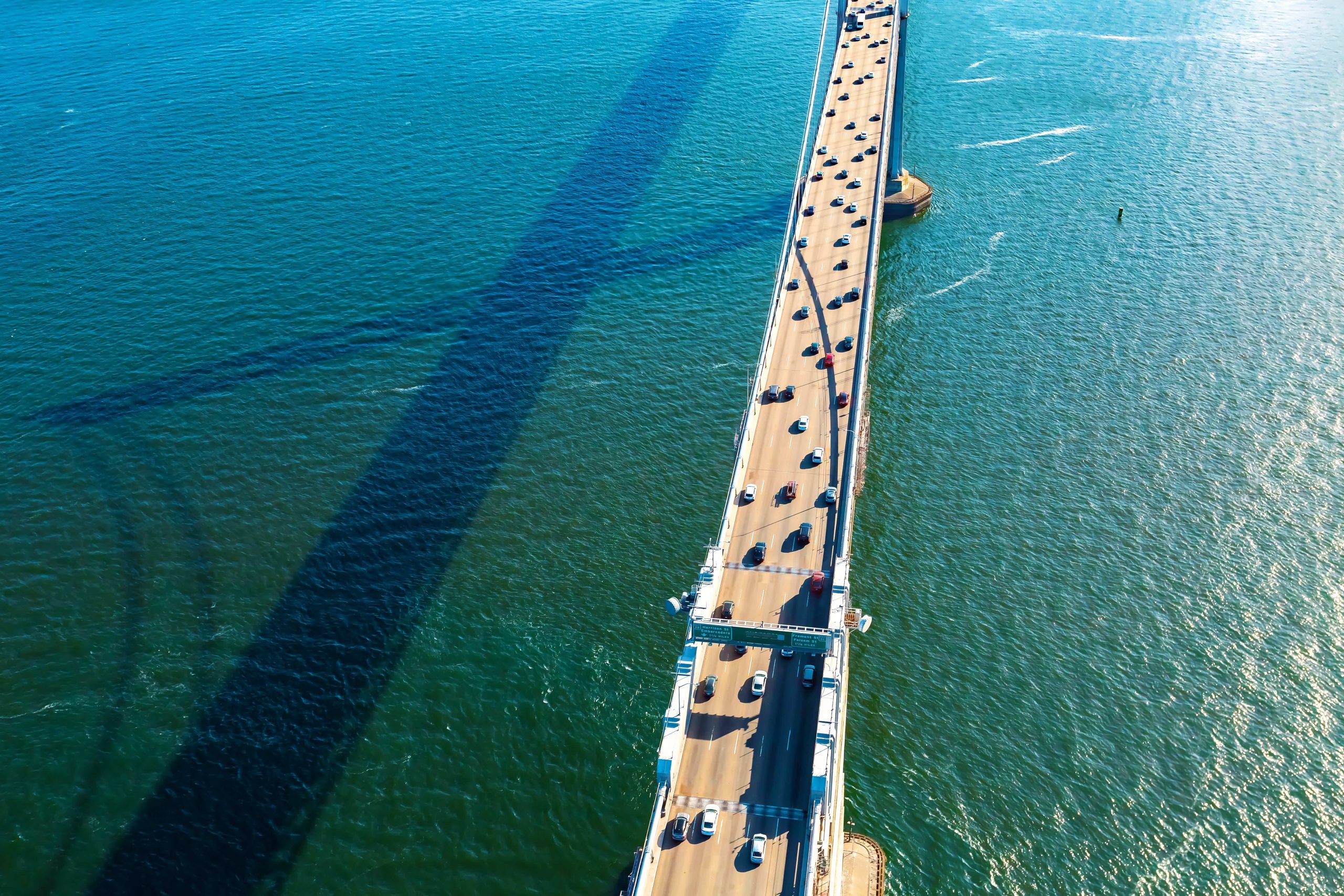
The corridor is unusually well documented, which helps. The port, the terminals, the hotels, and the bridge all run cameras, and the commercial vehicles often carry their own. Vehicle event data fixes speeds and braking, which matters when a driver claims traffic stopped short. Establishing whether a vehicle was commercial and identifying the operator behind a shuttle or truck is early and essential work, because that determines which insurance responds. As always, the footage is overwritten quickly, so a prompt preservation demand matters. Injured people can also reach Fort Lauderdale car accident lawyers.
The tourists and cruise passengers on foot
The most serious injuries on this corridor are frequently not to drivers but to people on foot. Cruise embarkation and beach days put thousands of pedestrians onto the causeway, crossing wide, fast lanes to reach a terminal, a hotel, or the sand, many of them unfamiliar with the crossings, distracted by luggage or children, and moving in dense crowds. Drivers, meanwhile, are hunting for a terminal or a parking spot rather than watching for people stepping off a curb. A pedestrian struck here has no protection, and the same congestion that causes fender-benders among the cars turns lethal when a person is involved.
Florida’s right-of-way rules protect people in crosswalks and lawful crossings, and a driver’s duty to watch for them is not lowered because the driver is lost or rushed. Establishing that a struck pedestrian was crossing lawfully and that the driver failed to yield where crowds of people on foot are entirely predictable is central to these claims and to valuing them for the catastrophic harm they cause. It is worth adding that many of these pedestrians are cruise passengers, which carries its own practical wrinkle: a person injured stepping off a curb on embarkation day may be scheduled to sail within hours and be unreachable at sea for a week, or may be a foreign national who flies home before any claim begins.
Documenting the injury, the scene, and the witnesses before the ship leaves is the difference between a provable claim and a memory, and it is a step no one on a long-anticipated cruise is thinking about when they are hurt. The corridor’s shuttle and rideshare traffic compounds the problem because a passenger injured in one of those vehicles may never learn the name of the company that operated it, and that information is far easier to secure at the scene than to reconstruct weeks later from another state.
Crashed on the 17th Street Causeway?
Between port trucks, cruise shuttles, and the bridge, these crashes often hide commercial coverage worth far more than a personal policy. The Law Offices of Wolf & Pravato find it. Call 954-522-5800 for a free case review.
Sources: Fla. Stat. §768.81; Fla. Stat. §316.123
Frequently Asked Questions:
Q1. Why are there so many crashes on the 17th Street Causeway?
Because it carries every kind of traffic at once: cruise passengers in rentals and shuttles, heavy Port Everglades trucks, hotel and beach traffic, and a drawbridge that halts and then releases everything. Drivers are unfamiliar, rushed, and mixed with vehicles of very different size and stopping ability.
Q2. What changes if a port truck was involved?
The case becomes a commercial-vehicle claim. A carrier and its substantial insurance enter the picture, and the federal safety rules governing maintenance, driver qualification, and hours become evidence. Identifying the company behind the truck often determines whether adequate coverage is reached.
Q3. Can a cruise shuttle or transport company be liable?
Yes. Shuttles, rideshares, and taxis moving cruise passengers are commercial operators with commercial coverage and their own duties, often working under time pressure. Identifying the operator behind the vehicle is important to reaching the right insurance.
Q4. How does the drawbridge cause crashes?
When it opens, traffic stops, sometimes unexpectedly, causing rear-end crashes at the back of the queue. When it closes, the released traffic surges forward in a burst, and drivers making up time meet others still sorting out lanes. The bridge’s operation is documented and can matter to a crash at its approaches.
Q5. Why is fault often shared on this corridor?
Because it mixes so many kinds of traffic that more than one party frequently contributes, an unfamiliar driver, a truck that could not stop, and congestion. Florida divides fault among them, and sorting out the shares rather than accepting one insurer’s version protects the recovery.
Q6. What evidence helps prove a causeway crash?
The port, terminals, hotels, and bridge run cameras, and commercial vehicles often carry their own, plus vehicle event data on speed and braking. Establishing whether a vehicle was commercial and identifying its operator is essential, and the footage is overwritten quickly, so acting fast matters.
About the Firm
Published by the Law Offices of Wolf & Pravato
For nearly three decades, the Law Offices of Wolf & Pravato have represented injured Floridians and their families across South and Southwest Florida, exclusively on the plaintiff’s side. The firm is led by managing partner Richard P. Pravato, a Board-Certified Civil Trial Attorney (Florida Bar No. 86150). To reach the lawyer who handles cases in your area, visit our attorneys page, explore our practice areas, or learn more about our firm.
Law Offices of Wolf & Pravato · 2101 W. Commercial Blvd., Suite 1500, Fort Lauderdale, FL 33309 · 954-522-5800 · Free case evaluation: 844-643-7200
Disclaimer: This blog post is provided for general informational purposes only and does not constitute legal advice. Reading this content does not create an attorney-client relationship between you and the Law Offices of Wolf & Pravato. Laws change, and every case is different, so you should not act or rely on any information here without consulting a licensed Florida attorney about your specific situation. For advice regarding your circumstances, please contact our office for a free consultation.
Recent Posts
- Wrong Burial Plot and Grave-Site Errors in Fort Lauderdale

- Rainwater Falls at Fort Lauderdale Store Entrances

- Parking-Lot Backing Crashes in Fort Lauderdale: Who Has the Right of Way?
- Elevator and Escalator Injuries at Fort Lauderdale Shopping Centers
- Delivery Driver Car Accidents in Lakeland: Who Pays?

- Injured as a Passenger in Fort Lauderdale: Whose Insurance Pays?




FLORIDA’S PERSONAL INJURY ATTORNEYS FOR + 20 YEARS