Waymo Accident in Florida: Who Pays When Nobody Was Driving?
 By Richard P. Pravato, Board Certified in Civil Trial Law Published October 16, 2026
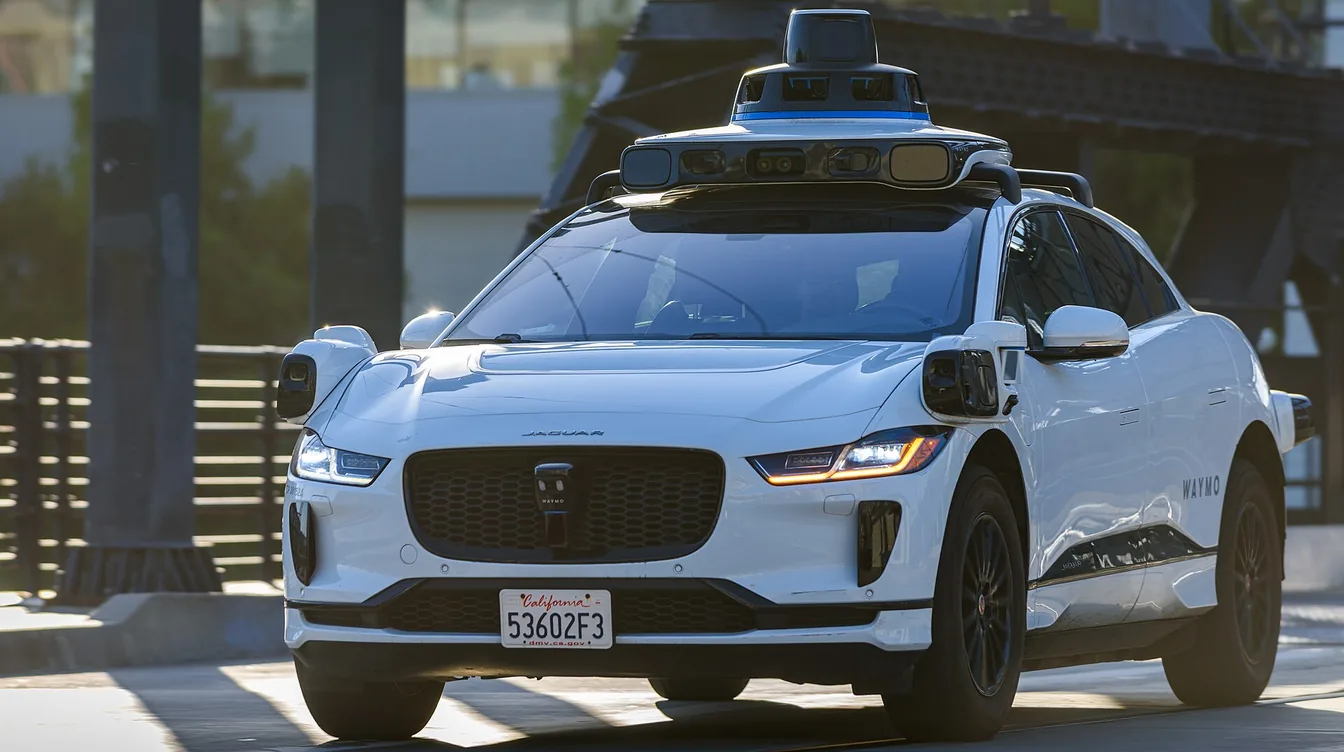
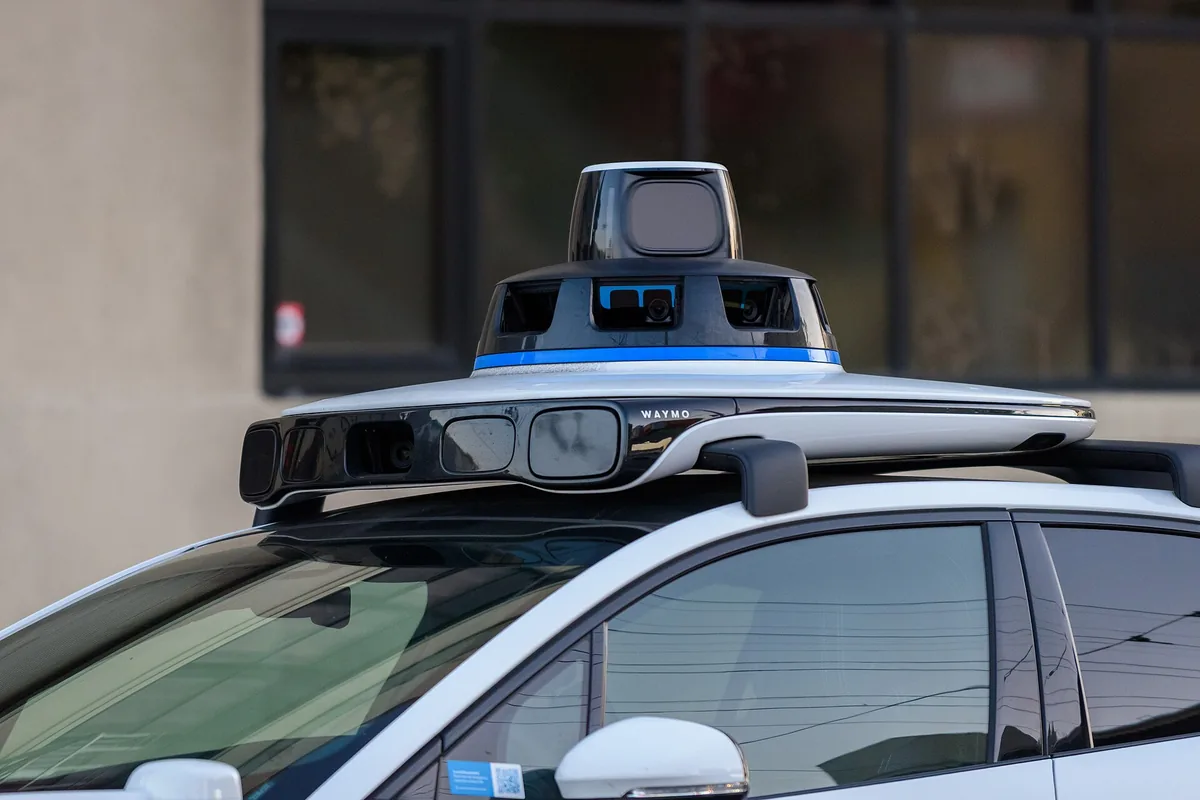
The strangest part of a Waymo accident is how quiet it goes afterward. No door opens. Nobody climbs out to argue or reach for an insurance card. The hazard lights blink, a voice asks through the speaker if you are alright, and you end up photographing a license plate in a Miami street because the plate is all there is.
Then comes the question nobody has a ready answer for: who do you even make a claim against? Three different people end up asking who pays, and they need different answers. Somebody whose car a driverless one just hit. Somebody hurt in the back seat of one, wondering whether their own policy even applies. And somebody in Orlando or Tampa who passes them on the school run and would rather know before they need to.
By the end you will know who pays, why the law lets that car leave without giving you a single document, the report you have ten days to file yourself, and how the car’s own recording settles fault. I am Richard P. Pravato, Board Certified in Civil Trial Law, and Florida car accident claims are the only work I have taken since 1996. Our self-driving car accident team now fields this question in three Florida cities.
Key takeaways
- Nobody has to hand you a license, a registration or an insurance card after a driverless crash. Florida excuses these cars from the duty a human driver has at the scene.
- A minor crash with a robotaxi may now leave no police report. Florida raised the dollar amount that forces a driver to call police on October 1, 2026.
- Personal Injury Protection, the no-fault cover on your Florida policy, pays your first medical bills whether you were driving, walking or riding inside the car.
- The car filmed the crash from every angle. You can demand that footage in writing before anybody records over it.
- Waymo is not always the one who pays. Another driver, your own share of the blame, or the firm that converted the car can each move who writes the check.
Who pays after a Waymo accident in Florida
Waymo pays. Florida treats the computer as the driver, so your claim goes against the company that owns and runs the car, and that company must carry at least $1,000,000 for the people it hurts.
Here is what happens if a Waymo hits you. Autonomous vehicle liability sounds like a hard problem, and Florida settled it on paper years ago. With the driving system switched on, state law says the system itself is the operator of the car. That system is the software and sensors that steer, brake and decide. Nobody is missing from your claim, because the law named a driver before you ever met one.
The money behind that car is not what most people guess. A Waymo on a Florida ride network has to carry at least a million dollars for death, injury and property damage, under the rule written for these cars. Now picture the sedan in the next lane. Florida makes that driver carry $10,000 of no-fault medical cover and $10,000 for other people’s property. For the injuries they cause you, the state asks for nothing at all. Strange as it reads, the robotaxi is the better car to be hit by, and that one fact moves more of these claims than anything else.
No driver means nobody owes you a license at the scene
Picture what normally happens after a crash. Two people get out, one of them says sorry or does not, and you swap a name, a license and an insurance card over the hood. Florida law owes you that much. A fully autonomous car is excused from that duty, as long as its owner calls police quickly or the car can call police itself.
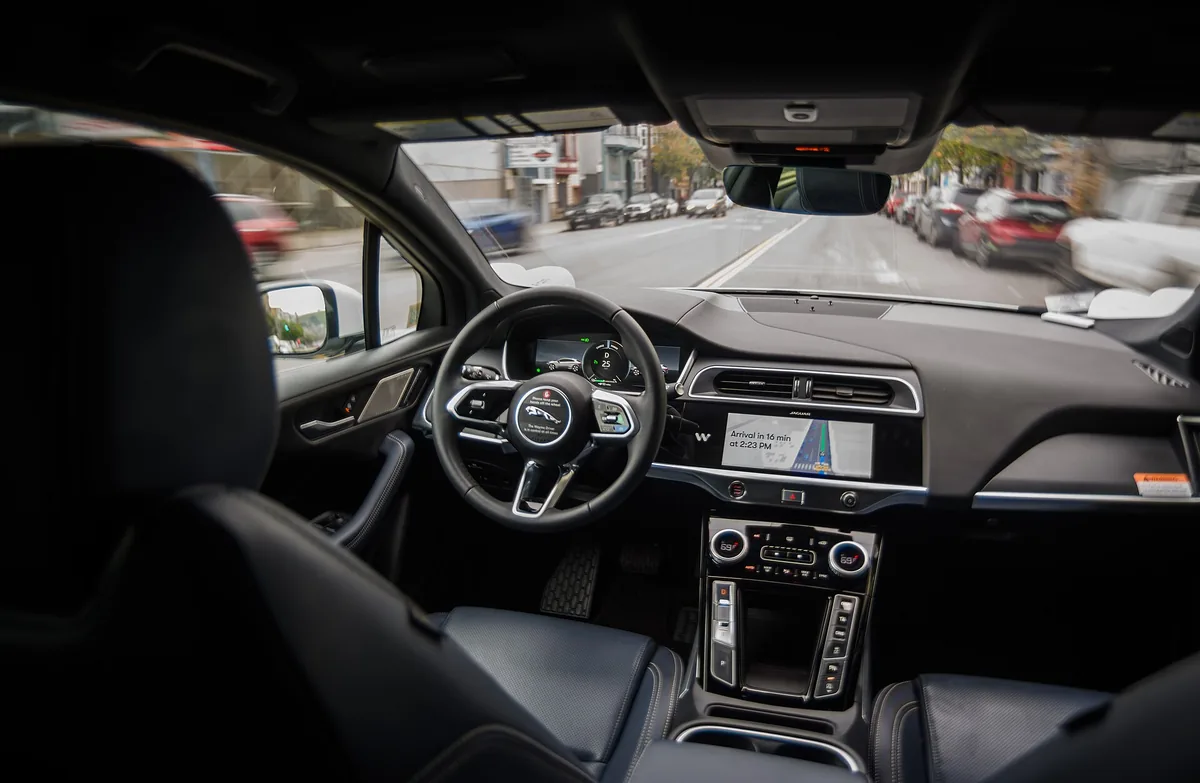
That exemption is the whole difference. No card, no name, no apology, because the car reports itself and the rest is a voice on a speaker asking whether you need an ambulance.
So collect what nobody is going to give you. Photograph the plate, the number printed on the roof unit, your own damage and the street sign on the corner. Write down the time to the minute. Get a phone number from anyone standing nearby, because a witness who walks off is a witness you never had. Then press the help button and get an incident number before you leave.
The crash report nobody files for you
Florida changed this rule sixteen days before this post went up. Until October 1, 2026, a driver had to call law enforcement over property damage of $500 or more. Senate Bill 488 lifted that to $2,000. A scraped bumper and a cracked light now fall under it, so a real crash with a driverless car can legally end with no police report at all. Our guide to a minor crash with no police report covers the change in full.
Injury is the exception, and it is absolute. If anyone is hurt or says they are in pain, police have to be called, however small the dent looks. Say out loud that you are in pain if you are. A stiff neck first mentioned on Tuesday is harder to prove than one reported on Saturday.
Here is what happens next when no officer writes a report. Florida gives the driver ten days to send the state a written report of the crash. You are the only human driver at that scene, so the job falls to you alone, and the only piece of paper naming the other side is the one you file.
If you were hurt riding inside the Waymo
If you were riding inside the Waymo, the money arrives in a different order. Your own car policy pays first, through the no-fault cover named above. It follows you into anyone else’s vehicle and pays up to $10,000 of medical bills and lost wages, whoever caused the crash. A doctor has to see you within fourteen days of the crash or it pays nothing at all. That is the deadline people lose, and losing it costs more than any argument about fault. Our explainer on extended injury protection covers what the basic policy leaves out.
After that the car’s own liability policy takes over, the million-dollar one above, and it answers for anything serious. One thing applies to riders and nobody else: you agreed to the app’s terms when you booked the ride, while the driver in the other lane never did, so have those terms read before you sign anything the company sends you.
The car’s own recording decides fault
A Waymo is covered in cameras, radar and spinning laser scanners, all running the whole time it moves. Your crash already exists on file from four or five angles before anyone argues about it. That cuts both ways, and it is still the best evidence a driverless car accident will ever hand you. Ordinary cars keep a thinner version, an event data recorder, holding the last few seconds of speed and braking.
We have won a case on that little box. A client was badly hurt making a U-turn in Fort Lauderdale, and the officers who came out blamed him for a right-of-way violation. A forensics firm pulled the recorders and found the other driver doing over 100 mph in a 45 zone. Nobody alive can judge an oncoming car’s distance at that speed. The carrier paid its full $100,000 limits.
Ask for the Waymo crash file early, in writing, and say plainly that it has to be kept. A company running hundreds of cars does not hold raw footage forever. A phone call you cannot prove you made is worth nothing six months later.
When Waymo is not the one who pays
Three situations send the bill somewhere else, and each is common enough to plan for. Another human driver is the first. A robotaxi gets rear-ended and cut off like anything else on the road, and then it is that person’s insurer answering for it. Driverless changes nothing here except the quality of the footage.
Your own share of the blame is the second. Florida cuts your recovery by whatever percentage a jury puts on you, and above half the blame you collect nothing at all. Our piece on how Florida splits fault shows where that line sits and what moved it in 2023.
The carmaker is the third, and this is where most advice online gets Florida wrong. Those pages tell you to sue the manufacturer for a defect. Florida says the original builder of a car that somebody else converted into a driverless one is dismissed from a defect claim. The exception is a fault that was already there when the car left the factory. These fleets are built by dropping one company’s driving system into another company’s car, so that rule reaches far more cases than it sounds like it should.
What the safety numbers do and do not cover
Waymo grades its own record and publishes the result. Through June 2026 its cars had driven 271.3 million miles with nobody aboard, with 82 percent fewer injury crashes than a human driver covering the same roads.
Two things belong beside that number. As of October 2026 the study covers five cities, and no Florida city appears in it. So nothing published yet measures these cars on a street you actually drive, and it is the company marking its own work. Regulators keep finding real faults in the meantime: in December 2025 the federal highway safety agency recalled 3,067 of these cars over software that drove them past stopped school buses. Safer on average and safe on your corner are two different claims.
How we handle a claim with no driver on the other side
What you get from us on a Waymo car accident is the paperwork filed on time and the evidence locked down before it ages out. We send the written demand that keeps the car’s camera and sensor record. We file your ten-day report with the state, so a missing form never becomes the insurer’s argument. Then we build the medical record and deal with a corporate claims desk that answers nothing by phone. If you were a rider, we read the app terms before you sign a thing.
Wolf & Pravato represents injured people across Florida from offices in Fort Lauderdale, Miami, West Palm Beach, Boynton Beach and Fort Myers. Our Miami self-driving car accident lawyers cover the county where these cars run thickest.
Questions people ask me about Waymo accidents
How long do I have to bring a Waymo lawsuit in Florida?
Two years from the date of the crash, under Florida Statute 95.11(5)(a), cut from four years by the 2023 reform. A company with a national legal department is not one to keep waiting on.
A passenger was riding in the Waymo. Does that person owe me anything?
No, because a rider was not driving and is not answerable for the car, which makes them a witness rather than a defendant. Get a name at the scene if they will give you one, since a neutral account of what the car did is worth having.
Who is at fault in a self-driving car accident when another car caused it?
The driver who caused it, and the robotaxi’s own footage is usually what proves it. That is the one case where the car being driverless works in your favor from the first day.
If a driverless car hurt you in Florida
Driverless cars now carry paying riders in Miami, Orlando and Tampa, and the Miami service area has passed 150 square miles since January 2026. If one of them hit you, or hurt you while you were riding in it, bring us what you managed to photograph and we will do the rest.
Request a free case review. There is no fee unless we win money for you.
Cover photo by 9yz, CC BY 4.0, via Wikimedia Commons. This article is general information about Florida law, not legal advice, and every claim turns on its own facts. Prior results do not guarantee a similar outcome.
Related reading
 Road Accidents
Minor Car Accident With No Police Report? Florida's New $2,000 Rule
Richard P. Pravato  Medical
 Maximum Medical Improvement: What MMI Means for Your Injury Claim
 Alazay Ventura-Coffey
  Road Accidents
 Who Pays After a Lane-Change Crash in Fort Lauderdale?
Richard P. Pravato