
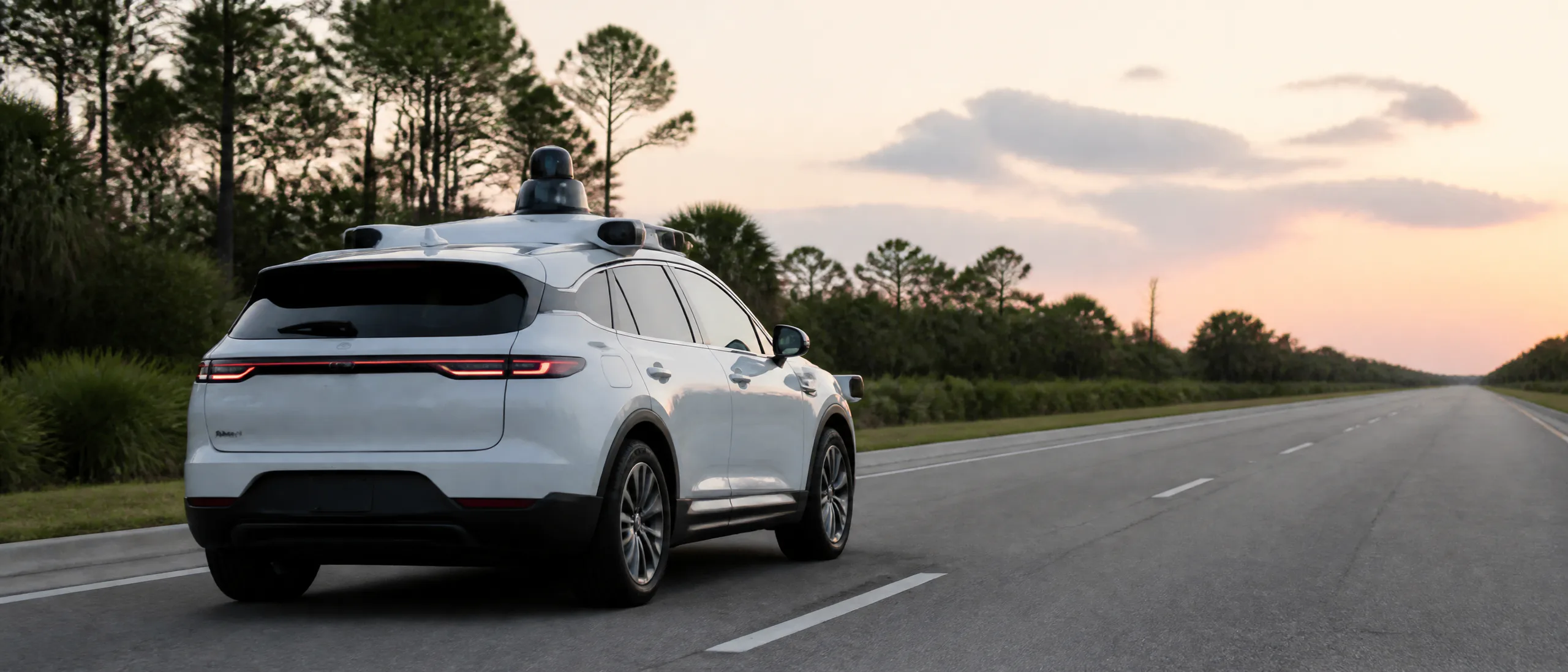
Miami Self-Driving Car Accident Lawyer
A car with nobody making the decisions hit you, and now the question is whether a driver, a manufacturer or a software company answers for it. We can take it from here. Call 844-643-7200 for a free consultation. You pay us nothing unless we win. Our Miami personal injury lawyers have taken these cases across Miami-Dade County since 1993.
Self-Driving Car Accident claims in Miami
The vehicle recorded what it saw and what it did, and the company that built it holds that data. Meanwhile you are covering the treatment, missing work, and being handled by people who deal in engineering reports rather than claims. Getting that data preserved before it is overwritten is our job, and we start the day you call.
Miami-Dade combines the things automated driving handles worst. Downtown is dense, one-way and crossed mid-block on foot. The Palmetto and the Dolphin drop from highway speed to a standstill without warning. The causeways put low sun and glare off the water straight into a camera at both ends of the day. And the airport rental market hands drivers a car with assistance features they have never used and did not choose, which is a different case again from somebody who bought the car and read the manual.
A Miami-Dade self-driving or driver-assist crash is filed in the Eleventh Judicial Circuit. Florida law treats the automated driving system as the operator when it is engaged, and an on-demand autonomous network carries at least $1,000,000 in liability coverage. The case turns on vehicle data that is deleted on a schedule.
What to do after a self-driving car accident in Miami
- Stop the car from being repaired or scrapped. This is the one that has no second chance. The vehicles hold the evidence, in the event data recorder and in whatever the driver-assist system logged, and a car released to a salvage yard or repaired is a car whose data is gone. Tell your insurer in writing that the vehicle is not to be released, repaired or disposed of, and say why. That single sentence is worth more than anything else you do in the first week.
- Write down what the car was doing, in your own words, that day. Whether adaptive cruise control was on. Whether lane keeping was steering. Whether the car braked by itself, or failed to. Whether a chime or a screen alert came before the impact and how long before. Memory for this decays within days and the log will later be read against your account, so put it on paper while it is exact.
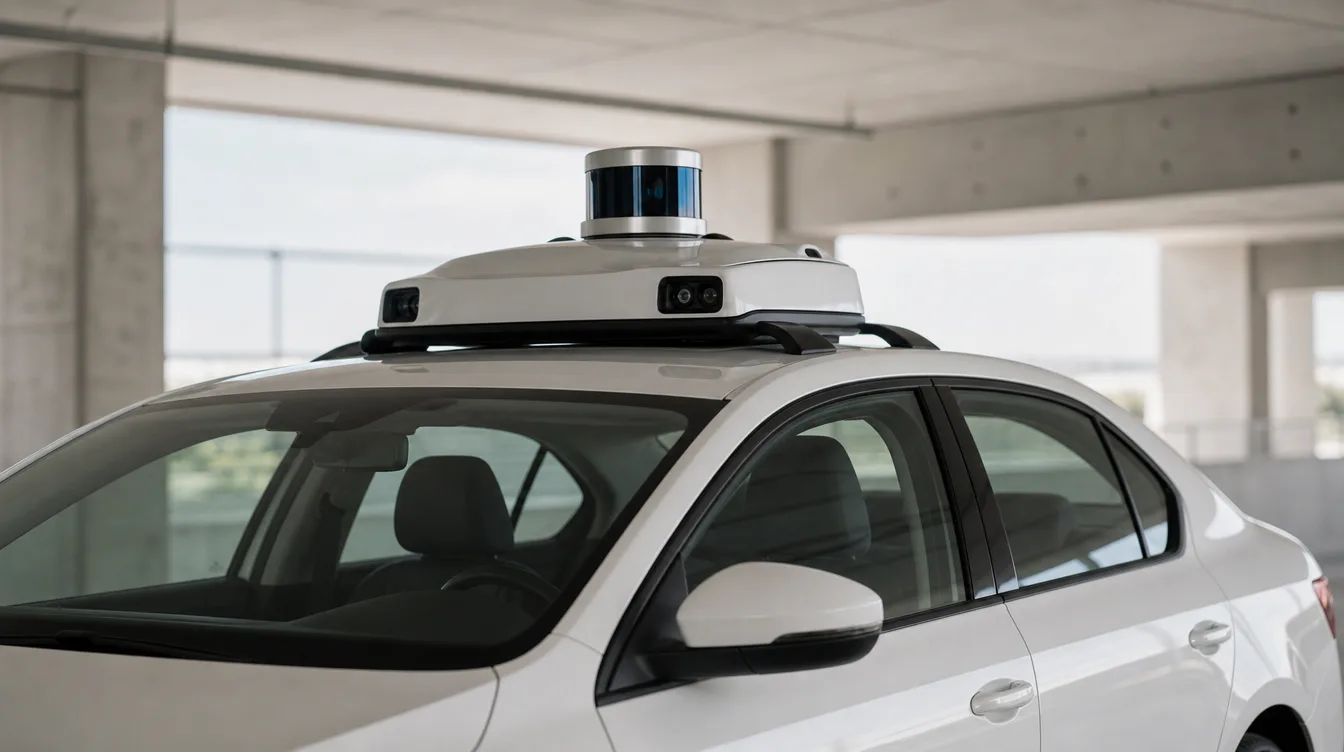
- Identify the other vehicle properly. A fleet vehicle carries a number, a company name and often a visible sensor array. Photograph all of it, including the roof and the bumpers, because the hardware fitted tells you what the vehicle could see. Where there was no person in the driver seat, say so in the police report, and get the report number.
- Send a written preservation demand, early and to everyone. The manufacturer, the fleet operator and both insurers each hold a different piece: the vehicle log, the remote monitoring record, the software version history and the maintenance file. None of it is public and all of it turns over on a retention schedule set by the company holding it. A letter sent in week one and a letter sent in month three produce very different answers.
- Get seen, and say what you actually felt. Automated systems tend to brake late rather than not at all, which produces a particular pattern of neck and back injury from a hard stop with no warning. Describe the sequence to the doctor rather than describing a crash, because how the impact happened is part of what the record has to show.
Where these happen in Miami
Miami-Dade puts the highest concentration of unfamiliar drivers in the state onto roads that punish hesitation, and it is where automated systems are worst matched to the road.
-
Brickell and the downtown grid
Dense, one-way, and full of the situations a system reads slowly.
- Delivery vehicles double-parked, forcing an unplanned lane change into moving traffic
- Pedestrians crossing mid-block between stopped cars, where a system sees a person late
- Scooters and delivery riders moving between lanes rather than in one
- Signal timing that rewards a decision made early, which is the decision these systems make last
-
The Palmetto and the Dolphin
Where driver assistance is used most and where it fails hardest.
- Traffic that drops from highway speed to a standstill with no warning, which is where phantom braking and late braking both show up
- Lane splits and left-side exits taken at speed
- Construction lane shifts with temporary markings still readable next to the permanent ones
- Long stretches where a driver stops paying attention because the car has been steering for twenty minutes
-
The airport and the port approaches
The largest rental market in Florida, and the least familiar drivers on it.
- A driver in a rental with driver-assist features they have never used and did not choose
- Systems that behave differently between manufacturers, so experience with one is not experience with another
- Rental fleet vehicles, which are repaired or moved out of state quickly after damage
- The rental agreement, which identifies the exact vehicle and trim and is the fastest route to the data
-
The causeways and the beach approaches
Water, light and bridges, in a combination found in very few places.
- Low sun straight down the causeway at both ends of the day, directly into the cameras
- Glare off the water, which is a different problem from sun on the lens and affects them differently
- Drawbridge stops, which produce a queue where there was open road minutes earlier
- Pedestrian and cyclist traffic on the beach side at hours when nobody is expecting it
How self-driving and driver-assist crashes happen in Miami
- An unprotected left turn taken across oncoming traffic on a judgment the system got wrong
- Phantom braking, where the car brakes hard for something that was never there and is struck from behind
- Lane keeping that follows a worn or temporary marking through a construction zone
- A hand-off failure, where driver assistance gives control back with no realistic time for a person to take it
- A pedestrian or cyclist not classified in time, particularly at night and outside a crosswalk
The injuries we see, and what each one turns on
Side impacts from turns and merges
A misjudged turn or merge puts the impact into the side of a vehicle, where there is far less structure between the occupant and the other car. Rib, pelvis, hip and shoulder injuries follow, and so do the head injuries that come from striking the pillar or the glass.
Pedestrians and riders
Anyone outside a vehicle has nothing between them and it. These are the cases where the classification question matters most, because a system that recognized a person late is a system that braked late, and the difference between recognizing at 40 yards and at 20 is the difference between a stop and a strike.
The hard-stop injuries
Automated braking is abrupt in a way human braking is not, and the vehicle behind is rarely expecting it. Neck and upper back injuries from that pattern are the most common thing these cases produce, and they are frequently written off at the roadside because nothing looks dramatic.
The delay matters medically and legally. Soft tissue injuries declare themselves over days, and a gap between the crash and the first visit is the first thing an insurer points at.
What Florida law requires you to prove
Florida already decided who the driver is
Under Fla. Stat. § 316.85, the automated driving system, when engaged, is deemed to be the operator of an autonomous vehicle, whether or not a person is physically present. Florida did not leave this to be argued case by case, and it is the single most useful line in the statute book for these claims.
And it set a floor on the insurance
Under Fla. Stat. § 627.749, a fully autonomous vehicle used on an on-demand network or for prearranged rides carries primary liability coverage of at least $1,000,000 for death, bodily injury and property damage. That is a different order of coverage from the minimum a private driver carries, and it is worth knowing before anybody accepts a first offer.
The second route is a product claim
Where the failure was in the system rather than in how anybody used it, the claim is a product liability claim against the maker of the vehicle or the software, run on defect and failure to warn. The two routes are pursued together rather than in the alternative, because at the outset nobody outside the company knows which one the data supports.
The full statutory detail, and the parts that differ by claim type, sit on our statewide self-driving car accident page rather than being restated in every market.
How we prove it in Miami-Dade County
Miami cases are won on what the vehicles recorded, and that evidence has an expiry date set by whoever owns the car.
- A written demand to preserve the event data recorder and the driver-assist logs, sent to both insurers and to the fleet or rental company
- The rental agreement or the fleet record, which identifies the exact vehicle, trim and equipment
- The software version the vehicle was running that day, and any update pushed to it afterward
- Photographs of the other vehicle including the roof and bumpers, which show what sensors it carried
- The traffic camera and transit camera footage held by the county and the city, which is retained briefly
- Any dashcam in your own car or in a vehicle behind you, which is often the only unowned record
- The crash report, and whether it recorded that nobody was in the driver seat
- Your own dated note of what the car was doing and what it alerted, written before the log is read against it
The order matters here more than in an ordinary crash. A vehicle released for repair is a vehicle whose data is gone, and no court can order the production of something that no longer exists.
Who would handle your case
Being hurt in Miami is hard enough without working out the legal side on your own. The trial lawyers below have handled self-driving car accident claims across Florida since 1993, and one of them will take yours from the first call to the last check. They will tell you what your case is worth and why, and they will be straight with you about the parts that are hard.
-
 Brett J. Yonon Senior Trial Attorney Selected to Florida Super Lawyers in 2024 and 2025. Brett Yonon is who this firm puts on a catastrophic injury or a death in the family, and he has tried those cases to verdict. Full profile →
 -
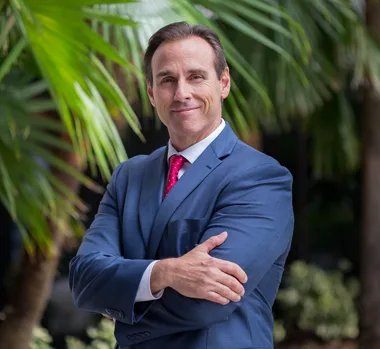 Richard P. Pravato Founding & Managing Attorney Board Certified in Civil Trial Law by The Florida Bar since 2004, and by the National Board of Trial Advocacy. Injury cases exclusively since 1996. Full profile →
How insurance companies handle these claims
These claims are handled by companies that are not ordinary auto insurers, and their first moves are different from the ones an injured person is braced for.
- The person in the seat was supposed to be supervising
- Sometimes true and rarely the whole answer. Where a system was marketed on how little supervision it needed, and where the hand-off gave a person no realistic time to react, the design is in issue rather than the person. Both can be at fault at once, and Florida divides it.
- Our own log shows you caused it
- Then the log is producible, and so is the raw data behind the summary the company chose to share. A report generated by one party from data only that party holds is a starting point for a fight, not the end of one.
- You accepted the terms when you opened the app
- That argument goes to arbitration clauses and waivers, and it is fought on whether the term was agreed at all, whether it reaches a personal injury claim, and whether it is enforceable in Florida. It is also irrelevant to anybody who was hit while walking, riding or driving their own car.
What a claim can include
Lost earnings and what the injury did to the work you can do
Wages lost while you were out, and where the injury is lasting, the difference between what you could earn before and what you can earn now. The second is the larger number in almost every serious case.
Pain, and what daily life is like now
Florida compensates the human cost as well as the invoices. It is proved with the medical record and with the accounts of the people who see you every day rather than with a formula.
The vehicle, and the data inside it
Property damage covers the car. It is worth handling carefully rather than quickly, because settling the vehicle claim is how a car ends up released and repaired with its log inside it.
Why Wolf & Pravato in Miami
A Miami-Dade claim is filed in the Eleventh Judicial Circuit, and the firm has an office on Brickell Avenue rather than an answering service in the county. These cases put an injured person opposite a manufacturer or a fleet operator with in-house counsel and a retention schedule, and the first two weeks decide what evidence still exists by the time anybody argues about liability.
The firm is led by a Board Certified Civil Trial lawyer, a certification held by 861 attorneys in Florida against a membership over 109,000. Insurance companies keep their own records of which firms in a county actually try cases, and that record moves an offer further than anything a firm can say about itself.
There is no charge to ask. Our fee comes out of what we recover and nowhere else, and if the answer is that you do not have a case, that is the answer you will get.
Miami self-driving car accident questions
I was hit by a car with nobody in the driver seat.
Then Florida has already answered the question people assume is hard. Under section 316.85, the automated driving system is deemed to be the operator when it is engaged, whether or not anybody is present. The claim runs against the parties behind that system, and where the vehicle was on an on-demand network, section 627.749 requires at least $1,000,000 in primary liability coverage.
It was a rental car and the driver assistance was on.
The rental agreement is the most useful document you can get hold of, because it identifies the exact vehicle and equipment, and rental fleets move damaged cars out of the market fast. Ask us to send the preservation demand to the rental company as well as to the insurers. A driver using a system they had never seen before is also part of the picture rather than the whole answer.
The other driver says the car braked by itself.
That is a claim the data can confirm or destroy, which is why it is worth chasing rather than arguing about. If the vehicle braked with nothing in front of it, the fault is in the system and the case has a product claim in it. If it did not, the log says so. Either way the answer sits in a computer somebody else owns.
Can the vehicle data be obtained?
Yes, through the litigation process, provided the vehicle and its data still exist. Manufacturers do not hand it over on request, and an insurer that takes possession of a total loss can dispose of the vehicle. That is why preservation in the first days matters so much here.
Is this a product liability case or a car accident case?
Potentially both, and they are pleaded differently and against different defendants. Establishing which applies is part of the early investigation rather than something to be assumed, and it is one reason these cases should not be approached as ordinary rear-end claims.
The questions that come up on every kind of claim, deadlines, fees, recorded statements and fault, are answered on our Florida injury claim FAQ.
More in Miami
Miami Personal Injury Lawyer
Everything we handle in Miami-Dade County, and where our office is.
View →Miami Catastrophic Injury Lawyer
Florida catastrophic injury lawyers.
View →Miami Car Accident Lawyer
Florida car accident lawyers since 1993.
View →Miami Truck Accident Lawyer
Florida truck accident lawyers.
View →
Tell us what happened
A lawyer will listen, tell you what Florida law does with those facts, and be straight with you about whether it is worth bringing. We are at 1111 Brickell Avenue, 11th Floor, Miami, FL 33131.