Minor Car Accident With No Police Report? Florida's New $2,000 Rule
 By Richard P. Pravato, Board Certified in Civil Trial Law Published October 1, 2026
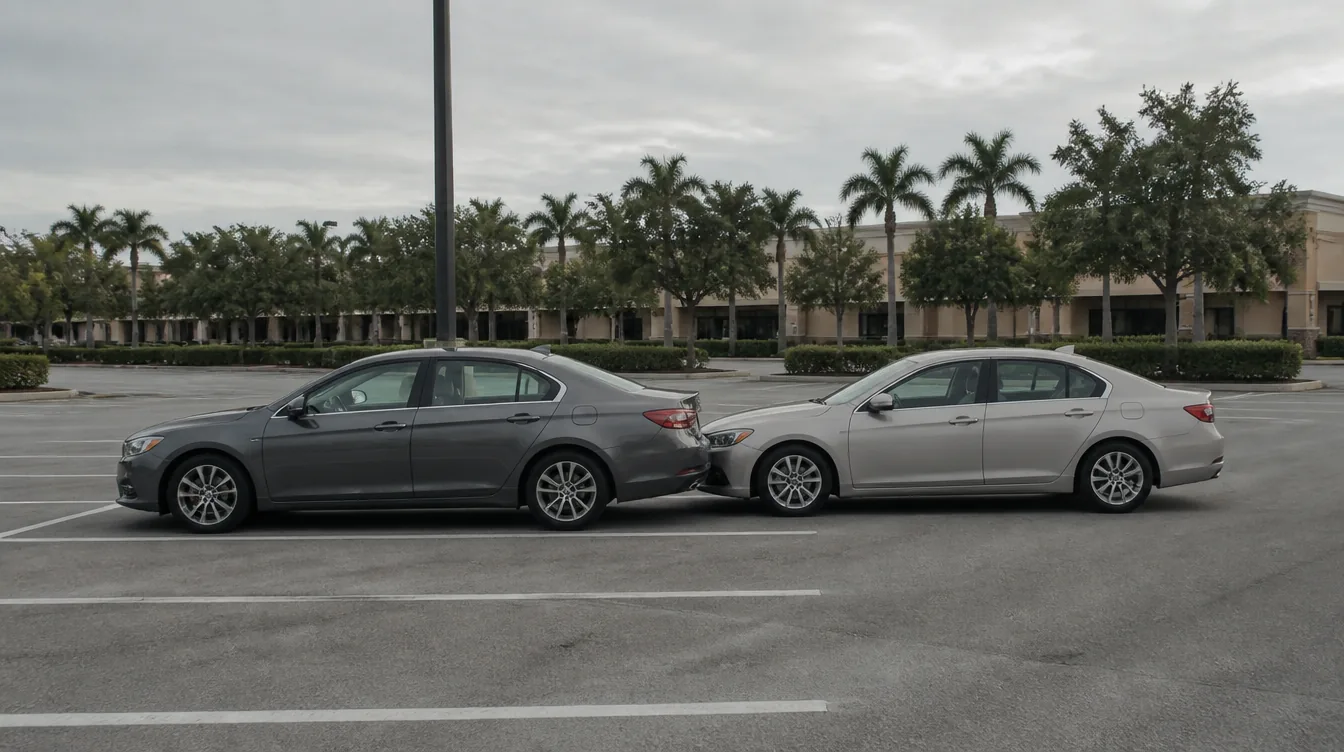
You were in a small crash, maybe in a parking lot, maybe at a light. The bumpers are scuffed, nobody is on the ground, and the other driver is telling you there is no reason to get police involved. Standing there, you have to decide whether to call them anyway.
Florida changed the rule on when that call is required on October 1, 2026. Before that day, you had to call police if the crash looked like it caused $500 or more of damage. Now it takes $2,000 of damage, so a lot of crashes that used to mean an automatic call no longer do.
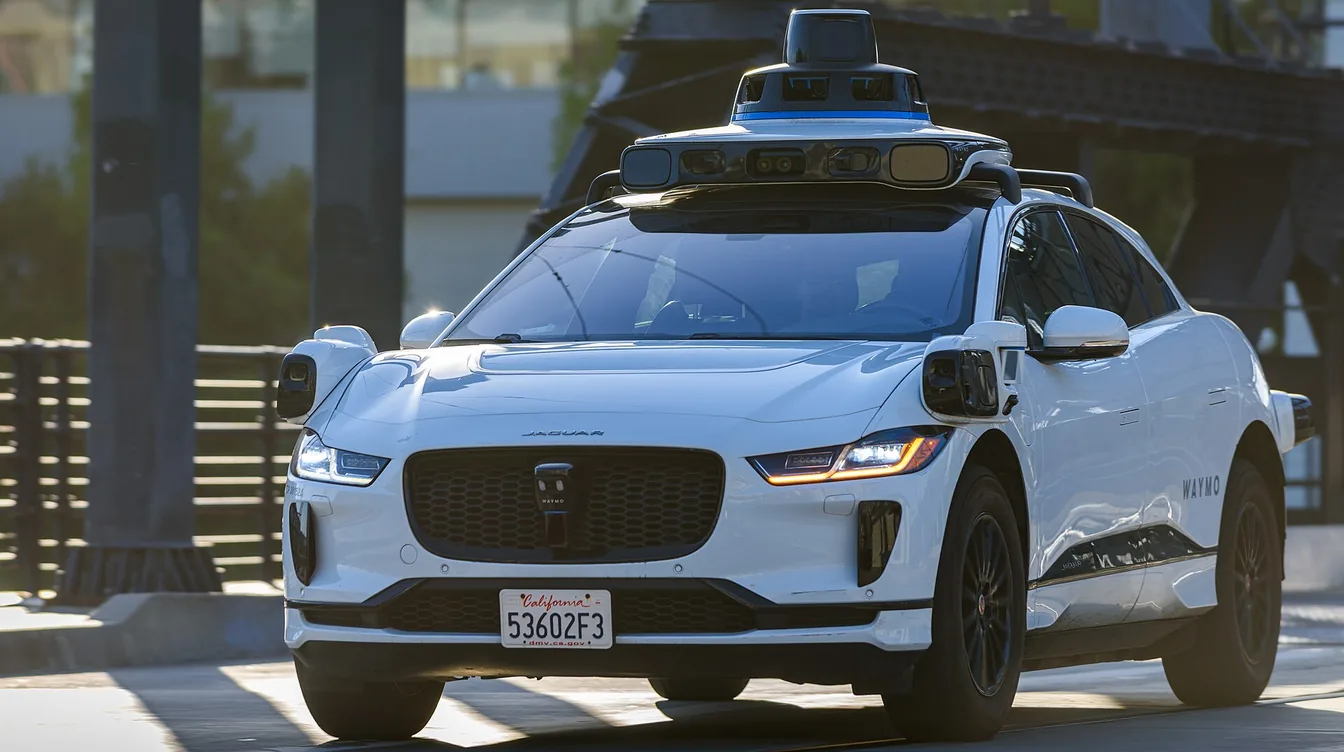
So do you have to call? Does anybody still have to be told? And what happens to your Florida car accident claim if no officer ever writes a word down? By the end you will know what the new $2,000 number changes, the report you still have to file yourself within 10 days, why $2,000 of damage is easier to reach than it looks, and what a police report does for a crash claim. I am Richard Pravato, and I have represented injured people in Florida since 1996. The same ten-day duty falls on you alone after a Waymo accident in Florida, because the other vehicle has no driver to file one.
Key takeaways
- With no officer at the scene, you still have to send your own written crash report to the state within 10 days.
- A scuffed bumper can cost well over $2,000 to fix, because the sensors that cost the money sit behind the plastic.
- If you start hurting later, see a doctor inside 14 days or your own no-fault coverage pays nothing.
What Florida's new $2,000 crash reporting rule means for you
Since October 1, 2026, Florida only makes you call police from the scene when a crash looks like it caused at least $2,000 of damage, or when somebody was hurt or killed.
- Senate Bill 488 made the change. The Governor approved it on April 21, 2026, and it took effect on October 1.
- Injury or death still means you call, no matter how small the damage looks.
- Failure to report an accident in Florida is a traffic ticket, not a crime. It is written up as a nonmoving violation.
- What I would do did not change on October 1. I would call police after any crash, and the section on what a report is worth explains why.
How I know: the statute itself, Florida Statute 316.065(1), plus the Legislature's own summary of Senate Bill 488.
That change arrived with the new Florida traffic laws that took effect on October 1, 2026. Here is what the statute asks of you once a crash is over $2,000. You give notice "by the quickest means of communication," which means a phone call from the scene. Crash inside a city, and you call that city's police. Crash outside one, and you call the county sheriff or the nearest Florida Highway Patrol station. Nothing in there lets you wait for a repair estimate first. It is illegal to not report a car accident the statute covers, but nobody is charged with a crime over it. The ticket is the whole penalty.
That is what the law now requires. Whether a fender bender needs a police report anyway is a different question, and I get to it below.
You still have to report the crash yourself, within 10 days
Florida's accident reporting requirements have two halves, and only one of them moved. Raising the police number did not delete the report. It moved the report onto you.
Florida law makes a driver in a property damage crash send a written report to the state when no officer writes one. The section that says so is Florida Statute 316.066(1)(e), and Senate Bill 488 never touched it. Its words: the driver "shall, within 10 days after the crash, submit a written report of the crash to the department."
Florida calls that a self report crash, and the form is the Driver Report of Traffic Crash (Self Report), numbered HSMV 90011S. You fill in both drivers, both cars and both insurance policies, then sign the front page. Email it to SelfReportCrashes@flhsmv.gov, or mail it to the Self Report Crash Team in Tallahassee.
Now look at what the change actually did. Every crash between $500 and $2,000 of damage used to get an officer's report. Now it gets your handwriting instead, on a deadline most drivers have never heard of.
Why $2,000 of damage is easier to reach than it looks
Two thousand dollars sounds like a bad fender bender. On a car built in the last ten years it can be a scuff you could cover with your hand.
The reason is what carmakers put behind the plastic. Blind spot alerts, automatic braking and lane departure warnings all run off radar units and cameras. Those units sit behind bumper covers, behind windshields and inside door mirrors. AAA tested what they cost to fix and published the numbers in October 2018. Damage behind those panels can add up to $3,000 to a repair, AAA found, and a minor front or rear hit on a car carrying them can run as high as $5,300.
I see the same thing from the claim side. A car looks fine in the photos from the scene. The shop pulls the cover off a week later and finds a cracked bracket and a sensor that no longer reads anything. Nobody standing in the road could have known. That is the part of this law I keep coming back to: it asks two drivers to price a repair neither of them can see.
Minor car accident, no police report: 4 things to do at the scene
Whichever way you go on the phone call, these four are not yours to choose. What to do after a minor car accident did not move on October 1, and Florida car accident laws still ask the same four things of you whether it was a fender bender in a parking lot or a hit on the interstate. Florida Statute 316.062 sets out what a driver owes everybody else, and it names no dollar amount anywhere in it.
- Stay there. A smaller repair bill is not permission to drive off. The new rule changed who you telephone, and it did nothing to the rule that keeps you at the scene.
- Hand over the three things the law names. Your name, your address and the tag number of the car you are driving, plus your license if the other driver asks to see it. A driver who gives you a first name and a phone number has not given you what you are owed.
- Photograph the tag and the insurance card, not just the dent. People take ten pictures of a bumper and none of the paperwork. I would rather have a clear shot of the tag and the card than another angle on the scrape.
- Get a name and a number from anybody who watched it. A witness is the one thing you cannot go back for.
Our post on what a driver legally owes after a Florida crash walks through the rest.
What a police report does for your claim that your own photos cannot
Your photos prove what two cars looked like. They cannot prove what the other driver said, and they cannot prove who was where.
A report gives you two things nothing else does. First, an account written by somebody with no stake in it, which is what an adjuster weighs against a story told only by the two people arguing. Second, honest insurance information. An at-fault driver is a good deal less likely to hand a false policy number to a uniformed officer than to the person they just hit, and a bad policy number takes months to unwind.
A report is not the last word either. One of our clients was hurt making a U-turn in Fort Lauderdale, and the officers put the right-of-way violation on him. A forensics firm pulled the data recorders out of both cars and found the other driver doing over 100 miles per hour in a 45 zone. That is fast enough that judging an oncoming car's distance stops being possible, and the carrier paid its full $100,000 policy limits. The report was wrong, and it was still the document that named both cars well enough for anyone to go looking.
Whether you should call the police for a minor accident is the question I get most, and my answer did not move with the number. I would report any motor vehicle crash to police, whatever the damage adds up to. If they do not come out, there are still steps worth taking, and a claim can be built without a report. It is a harder claim, every time.
What to do if you start hurting a few days later
See a doctor inside 14 days of the crash. That deadline quietly decides whether your own insurance pays your first bills.
Florida Statute 627.736(1)(a) only pays for treatment when the hurt person "receives initial services and care" within 14 days. Get there inside the two weeks and your no-fault benefits cover up to $10,000, as long as a doctor, dentist, physician assistant or nurse practitioner finds an emergency medical condition. With no such finding, the same coverage stops at $2,500. Miss the 14 days and it pays nothing, however real the pain turns out to be. Our post on how Florida personal injury protection works has the detail.
Now put that next to a crash nobody reported. Neck pain on day three is normal, and the adjuster's first question will be why you told the other driver you were fine. You said it because you genuinely felt fine. Without a report, that sentence is the only record of the crash anybody has, and you are the one arguing it away.
Questions I am getting about the new rule
Who decides whether the damage is more than $2,000?
Nobody at the scene, and that is the problem with how the law is written. The statute asks about damage "in an apparent amount of at least $2,000," so the test is what the damage appears to be, not what a shop later bills. Two drivers can look at one bumper and reach different numbers in good faith. Neither is required to price it, so when the number is arguable, I call.
Is the $2,000 both cars added together, or just mine?
Neither car gets added to the other. The statute reads "damage to any vehicle or other property in an apparent amount of at least $2,000," so the test runs against any one car, fence or mailbox on its own. If either car looks like it took $2,000, the call is required.
Did Senate Bill 488 change anything else drivers will notice?
Yes. The same bill allows a license plate frame or decorative border as long as it blocks nothing on the plate, and it lets a disabled veteran keep the "DV" marking when a plate is reissued.
Talk to us before you sign anything
Wolf & Pravato represents injured people across Florida, from offices in Fort Lauderdale, Miami, West Palm Beach, Boynton Beach and Fort Myers. If you were in a crash and no officer ever wrote a report, bring us what you do have: your photos, the other driver's details, and your own policy.
Request a free case review. There is no fee unless we win money for you.
This article is general information about Florida law, not legal advice, and every case turns on its own facts. Prior results do not guarantee a similar outcome.
Related reading
 Medical
Maximum Medical Improvement: What MMI Means for Your Injury Claim
 Alazay Ventura-Coffey
  Road Accidents
 Waymo Accident in Florida: Who Pays When Nobody Was Driving?
Richard P. Pravato  Road Accidents
 Who Pays After a Lane-Change Crash in Fort Lauderdale?
Richard P. Pravato