














The 'Empty Chair' Defense in Florida Multi-Vehicle Crash Cases
By the Law Offices of Wolf & Pravato · Published July 15, 2026
Quick answer: The ’empty chair’ defense is when a defendant blames someone who is not in the lawsuit, an ’empty chair,’ to reduce their own share of fault. Florida allows fault to be assigned to non-parties, so countering this tactic with evidence is important.
In a multi-vehicle crash, a defendant who cannot deny that a collision happened will often try a different strategy: blaming someone who is not in the courtroom. This ’empty chair’ defense points to an absent driver, an unidentified vehicle, or another party to shrink the defendant’s own share of fault. Florida’s rules make it a real tactic, and countering it is where Florida car accident lawyers focus.
Blaming the person who isn’t there
The empty chair is a metaphor for a party that is blamed but not present, not named in the lawsuit, perhaps unidentified, unavailable, or simply not sued. A defendant argues that this absent party caused or contributed to the crash, hoping a jury will assign fault to the empty chair and reduce what the defendant must pay. Because the absent party is not there to defend themselves, they make a convenient target, which is exactly why the tactic is used.
How Florida apportions fault
The empty-chair defense works because of how Florida divides responsibility among those who caused a crash.
Comparative fault and non-parties
Under Florida’s apportionment of fault statute, responsibility for a crash is divided by percentage among the parties whose conduct caused the harm, and a defendant’s liability is generally limited to their own share. Florida allows a jury to consider the fault of non-parties in that apportionment, meaning fault can be placed on someone who is not a defendant in the case, provided the defendant identifies them and proves their fault.
The Strategic Appeal of Blaming an Absent Party
Shifting blame to an unrepresented party is a highly effective strategy for defendants because any fault allocated to an absent third party directly lowers their own financial liability. In high-stakes personal injury lawsuits, even a minor reduction in the defendant’s share of responsibility can translate to significant savings. This defense is particularly attractive when the missing party is uninsured, insolvent, or completely unidentified, as they are incapable of mounting a defense or disputing the allegations.
Legal Standards for Blaming a Non-Party
To successfully attribute liability to a non-party, the defendant must do more than simply suggest someone else is at fault. They are legally required to formally designate the non-party and produce concrete evidence demonstrating their negligence and causal role in the collision. If the defendant satisfies this burden of proof, the jury is permitted to allocate a specific percentage of fault to that absent entity, thereby diminishing both the defendant’s liability and the plaintiff’s overall recovery from that specific defendant.
Distinguishing Valid Claims from Tactical Distractions
While there are instances where an absent motorist truly shares responsibility—such as in complex multi-car pileups where joint negligence is a reality—the strategy is frequently abused. Insurance companies and defense attorneys often exaggerate a third party’s minor contribution or fabricate a “phantom” driver entirely to avoid paying damages. Separating genuine, evidence-backed apportionment from a manufactured narrative designed to evade accountability forms the crux of these cases.
Countering the defense with evidence
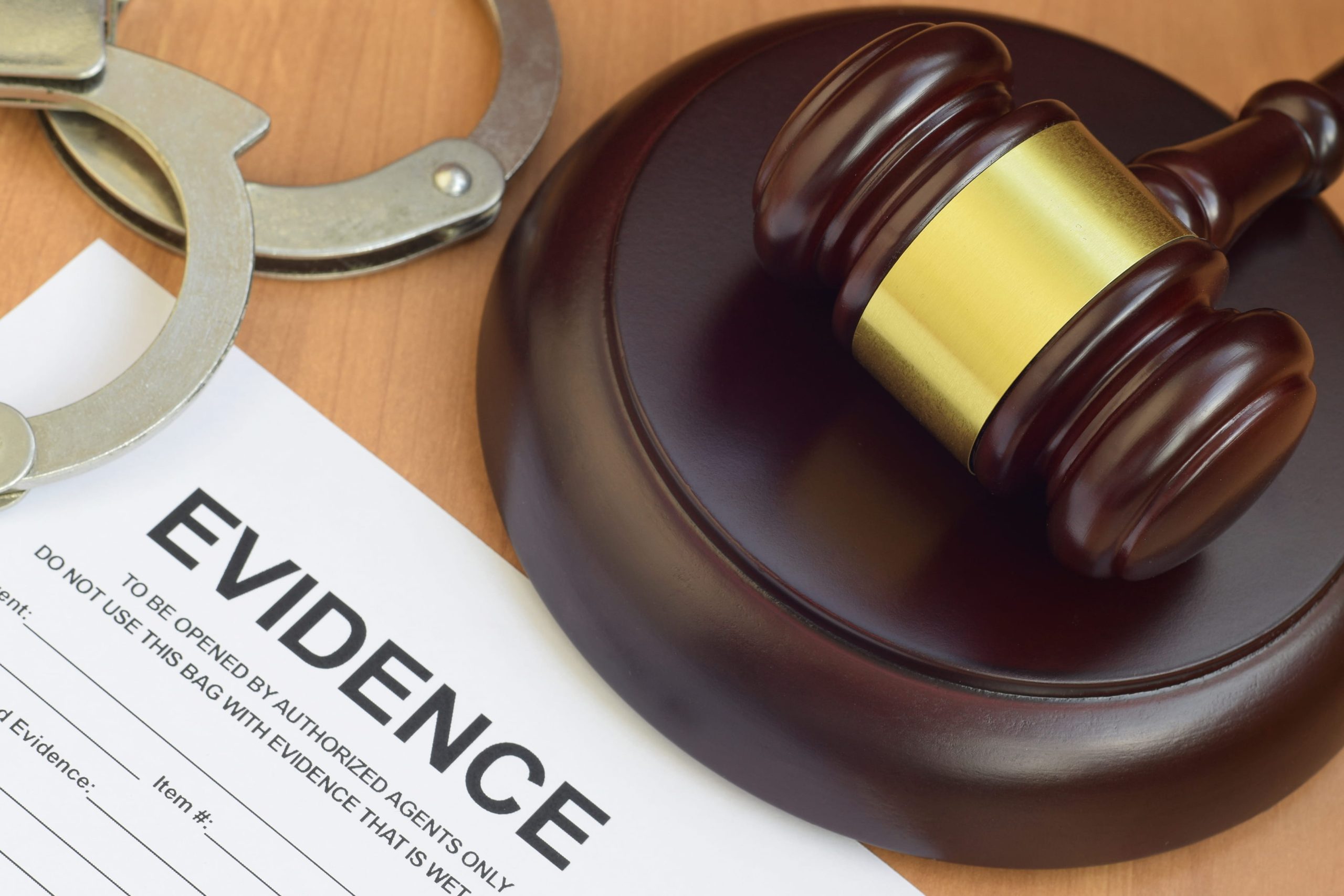
The answer to an empty-chair defense is evidence. A thorough crash reconstruction, using physical evidence, vehicle data, camera footage, and witness accounts, can establish what each vehicle actually did and expose an exaggerated or fabricated claim against an absent party. Where an absent party truly shares fault, identifying and, where possible, bringing them into the case, or pursuing uninsured motorist coverage for an unidentified driver, protects the injured person’s recovery. Building the affirmative case for the named defendant’s fault, rather than letting the defense define the narrative, is what defeats the tactic, and reviewing Florida’s comparative fault system clarifies how a shared-fault finding would affect the recovery.
Proving fault against the right parties
Ultimately, these cases turn on identifying and proving the fault of every party who actually contributed. The reconstruction, the evidence of each vehicle’s movements, and the analysis of any genuinely absent party’s role determine the fair apportionment. Anticipating the empty-chair defense from the outset and gathering the evidence to meet it, keeps a defendant from unfairly offloading blame onto a chair no one can question. Victims can also reach Miami car accident lawyers.
Why building the case early defeats the tactic
The empty-chair defense succeeds when the defense gets to define the narrative, so an injured person is best served by building the affirmative case early.
Getting ahead of the empty-chair story
Insurers often float an absent-party theory to see whether it sticks. Establishing from the outset, through reconstruction and evidence, exactly what the named defendant did and how it caused the crash leaves little room for an inflated or invented claim against a chair no one can question. Getting ahead of the story is half the battle.
Preserving the reconstruction evidence
That work depends on evidence that fades. Vehicle data, camera footage, and the scene itself are what a reconstruction relies on to show each vehicle’s real conduct, and they can be lost within days. Promptly preserving them allows an injured person to meet and defeat an empty-chair defense with facts rather than argument.
In the end, the empty-chair defense is only as strong as the vacuum it fills. Where an injured person’s team has already established, with hard evidence, what each vehicle did and who caused the harm, there is little room for a jury to assign fault to a party the defense could not actually prove was negligent. The tactic thrives on uncertainty, and the antidote is a well-documented case built before the defense can shape the story in its own way.
Is an insurer blaming an absent driver for a crash?
The empty-chair defense can unfairly cut a victim’s recovery unless it is met with evidence. The Law Offices of Wolf & Pravato reconstruct the crash and prove fault against the right parties. Call 954-522-5800 for a free case review.
Sources: Fla. Stat. §768.81
Frequently Asked Questions:
Q1. What is the ’empty chair’ defense?
It is a tactic where a defendant blames a party who is not in the lawsuit, an ’empty chair,’ such as an absent, unidentified, or unsued driver, to reduce their own share of fault. Because the absent party is not there to defend themselves, they make a convenient target.
Q2. Can fault be assigned to someone who isn’t a defendant?
Yes. Florida allows a jury to consider the fault of non-parties when apportioning responsibility, so fault can be placed on someone who is not a defendant, provided the defendant formally identifies them and proves their negligence caused part of the harm.
Q3. Why do defendants use this tactic?
Every percentage of fault assigned to an absent party is a percentage the defendant does not have to pay. Shifting even part of the blame to an empty chair can substantially cut a defendant’s exposure, which is especially tempting when the absent party is unidentified or judgment-proof.
Q4. Is blaming an absent party ever legitimate?
Sometimes. In a true multi-vehicle crash, more than one driver may have genuinely contributed, and honest apportionment reflects that. The problem is when the defense inflates or invents an absent party’s role to escape responsibility.
Q5. How is the empty-chair defense countered?
With evidence. A thorough crash reconstruction using physical evidence, vehicle data, cameras, and witnesses can establish what each vehicle actually did and expose an exaggerated or invented claim. Pursuing uninsured motorist coverage for a genuinely unidentified driver also protects recovery.
Q6. What if the absent party was a phantom vehicle?
If an unidentified vehicle genuinely contributed, uninsured motorist coverage may apply, but Florida requires independent corroboration that the phantom vehicle existed. A defendant cannot simply invent a phantom to escape fault; the claim must be supported by evidence.
Q7. How do I keep an insurer from blaming an absent driver for my crash?
By building the affirmative case early. A thorough reconstruction using vehicle data, camera footage, and the scene establishes what the named defendant actually did, leaving little room for an inflated or invented empty-chair claim. Preserving that evidence quickly, before it fades, is essential.
About the Firm
Published by the Law Offices of Wolf & Pravato
For nearly three decades, the Law Offices of Wolf & Pravato have represented injured Floridians and their families across South and Southwest Florida, exclusively on the plaintiff’s side. The firm is led by managing partner Richard P. Pravato, a Board-Certified Civil Trial Attorney (Florida Bar No. 86150). To reach the lawyer who handles cases in your area, visit our attorneys page, explore our practice areas, or learn more about our firm.
Law Offices of Wolf & Pravato · 2101 W. Commercial Blvd., Suite 1500, Fort Lauderdale, FL 33309 · 954-522-5800 · Free case evaluation: 844-643-7200
Disclaimer: This blog post is provided for general informational purposes only and does not constitute legal advice. Reading this content does not create an attorney-client relationship between you and the Law Offices of Wolf & Pravato. Laws change, and every case is different, so you should not act or rely on any information here without consulting a licensed Florida attorney about your specific situation. For advice regarding your circumstances, please contact our office for a free consultation.
Recent Posts
- Wrong Burial Plot and Grave-Site Errors in Fort Lauderdale

- Rainwater Falls at Fort Lauderdale Store Entrances

- Parking-Lot Backing Crashes in Fort Lauderdale: Who Has the Right of Way?
- Elevator and Escalator Injuries at Fort Lauderdale Shopping Centers
- Delivery Driver Car Accidents in Lakeland: Who Pays?

- Injured as a Passenger in Fort Lauderdale: Whose Insurance Pays?




FLORIDA’S PERSONAL INJURY ATTORNEYS FOR + 20 YEARS