













Negligent Security at Miami Nightclubs and Bars
Negligent Security at Miami Nightclubs and Bars
By the Law Offices of Wolf & Pravato · Published July 13, 2026
Quick answer: Nightclubs and bars mix crowds, alcohol, and late hours, which makes violence foreseeable. When a venue fails to provide reasonable security, adequate staffing, or crowd control, and a patron is assaulted, the venue can be liable under negligent-security law.
Miami’s nightlife draws huge crowds to clubs and bars where alcohol flows late into the night, and where fights, assaults, and worse are a predictable risk. When a patron is hurt in a venue that failed to provide reasonable security, the injury may reflect not just the attacker’s act but the venue’s negligence. A Miami premises liability lawyer evaluates whether better security would have prevented the harm.
Why nightlife venues are high-risk
The very ingredients of a successful club or bar are the ingredients of foreseeable violence.
Crowds, alcohol, and late hours
Packing a large crowd into a venue, serving alcohol for hours, and staying open into the early morning is a combination known to produce conflict. Intoxication lowers inhibitions and fuels aggression, crowding creates friction and bottlenecks, and late hours bring fatigue and impaired judgment. A venue that profits from that environment is well aware that violence can erupt, which is exactly why the law expects it to plan for the risk.
Patterns that make violence foreseeable
Foreseeability often rests on a venue’s own history. A club or bar with prior fights, assaults, ejections, or police calls, or one in an area with known nighttime violence, is on notice that its patrons face a real risk. When a venue has witnessed violence before and done little to prevent the next incident, the recurrence is foreseeable, and the failure to strengthen security amounts to negligence.
The venue’s duty to protect patrons
Where violence is foreseeable, a nightlife venue has a duty to take reasonable steps to protect its patrons.
Security, staffing, and crowd control
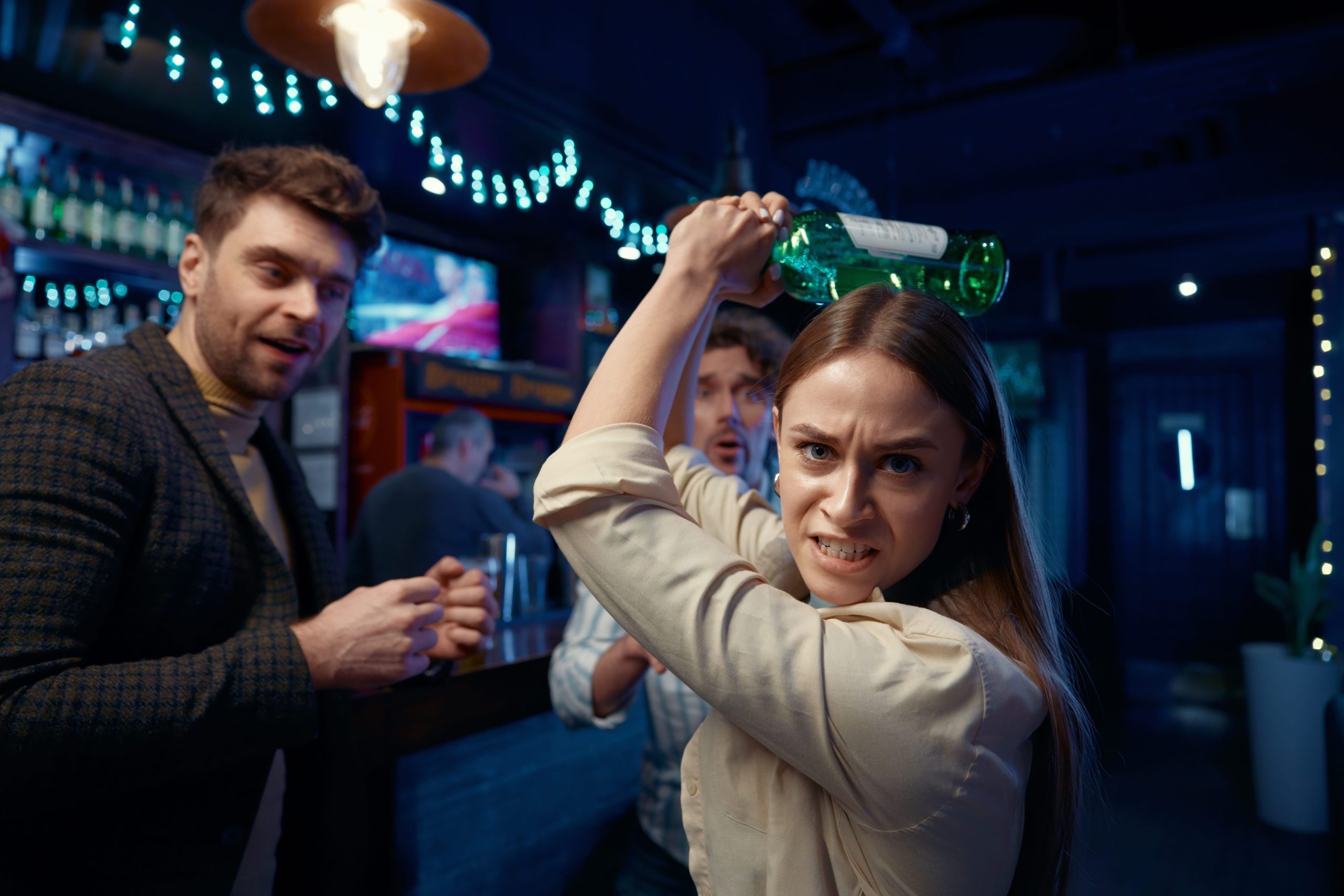
Reasonable measures for a club or bar can include trained security staff and bouncers in adequate numbers, controlled entry and bag checks, surveillance cameras, sufficient lighting, crowd control and capacity management, and prompt intervention when trouble starts. A venue that is understaffed, that lets capacity spiral out of control, or that ignores a brewing conflict has fallen short of the security that its foreseeable risks demand. The question is whether reasonable security, absent here, would likely have prevented the harm.
The role of over-serving
Alcohol service can add a separate layer of responsibility. Under Florida’s law on liability for serving alcohol, a vendor’s liability is limited but can arise in specific circumstances, such as knowingly serving a person habitually addicted to alcohol or serving a minor. Where over-serving fueled the violence and those narrow conditions are met, the venue’s alcohol service may factor into the claim alongside its security failures.
Fault of the venue and the attacker
Florida law recognizes that both a negligent venue and a violent patron contributed to the harm. Under the apportionment of fault statute, responsibility can be divided among those whose conduct caused the injury, including the venue and the attacker. That a patron committed the assault does not erase the venue’s share where inadequate security helped make the violence possible. Understanding this apportionment is part of pursuing a fair recovery, particularly when the attacker cannot be identified or has no resources.
The evidence behind a nightclub-assault claim
These cases require prompt, thorough investigation. Records of prior incidents and police calls at the venue, the club’s security staffing and camera systems, capacity and occupancy information, any surviving surveillance footage, incident and ejection logs, and witness accounts all matter. Because a venue may improve its practices or lose footage after an incident, documenting the conditions as they were at the time is essential. Reviewing what a property owner can be sued for shows the breadth of premises claims.
What a patron should do after an assault
After a nightclub or bar assault, reporting the incident to law enforcement creates an official record, and reporting it to the venue documents the incident as well. Seeking prompt medical care protects health and ties the injuries to the assault. Preserving names of witnesses, any video captured by bystanders, and the details of what security did or failed to do support the claim. Because assaults are traumatic, handling the matter with discretion matters, and victims can reach Florida premises liability lawyers for a confidential review.
Damages in a nightclub-assault case
An assault causes harm that reaches well beyond the immediate physical injury, and a claim should account for its full scope.
Physical and psychological harm
Victims of a nightclub or bar assault may face serious physical injuries requiring surgery and long recovery, as well as lasting psychological trauma such as anxiety, post-traumatic stress, and fear of crowds or nightlife. Florida law recognizes both the physical and the emotional harm as compensable, and the mental-health effects of a violent attack are often as significant and enduring as the physical wounds.
Accountability and safer venues
Beyond compensating the victim, a negligent-security claim can push a venue to fix the failures that made the harm possible, such as adding trained security, controlling capacity, and improving lighting and cameras. Holding a venue accountable for ignoring a foreseeable risk serves the victim and can make the venue safer for the patrons who come after.
For many survivors, that combination of compensation and prevention is what gives the process meaning. A claim cannot undo a violent night, but it can secure the resources needed for medical and psychological recovery while pressing a venue to correct the conditions that allowed the attack. Approaching the case with both goals in mind, and with sensitivity to the trauma involved, is central to representing a victim of violence that a negligent venue helped make possible.
Assaulted at a Miami nightclub or bar?
When a venue ignores a foreseeable risk and fails to provide reasonable security, it can share responsibility for an assault. The Law Offices of Wolf & Pravato investigate what the venue knew and failed to do. Call 954-522-5800 for a free, confidential consultation.
Sources: Fla. Stat. §768.81; Fla. Stat. §768.125
About the Firm
Published by the Law Offices of Wolf & Pravato
For nearly three decades, the Law Offices of Wolf & Pravato have represented injured Floridians and their families across South and Southwest Florida, exclusively on the plaintiff’s side. The firm is led by managing partner Richard P. Pravato, a Board-Certified Civil Trial Attorney (Florida Bar No. 86150). To reach the lawyer who handles cases in your area, visit our attorneys page, explore our practice areas, or learn more about our firm.
Law Offices of Wolf & Pravato · 2101 W. Commercial Blvd., Suite 1500, Fort Lauderdale, FL 33309 · 954-522-5800 · Free case evaluation: 844-643-7200
FAQs
Q1. Can a nightclub or bar be liable for an assault?
Yes, under negligent-security law. If violence was foreseeable and the venue failed to provide reasonable security, staffing, or crowd control, it can share responsibility for an assault that resulted from that failure. The claim targets the venue’s negligence, not just the attacker’s act.
Q2. Why is violence considered foreseeable at these venues?
Crowds, alcohol, and late hours are a known combination for conflict, and a venue’s own history of prior fights, assaults, ejections, or police calls puts it on notice. When violence has occurred before and little was done, the recurrence is foreseeable.
Q3. What security measures should a club provide?
Reasonable measures can include adequate trained security and bouncers, controlled entry and bag checks, surveillance cameras, sufficient lighting, crowd-control and capacity management, and prompt intervention when trouble starts. What is reasonable depends on the venue’s size and foreseeable risk.
Q4. Does over-serving alcohol factor into the claim?
It can. Florida limits vendor liability, but it can arise in narrow situations such as knowingly serving a habitual drinker or a minor. Where over-serving fueled the violence and those conditions are met, the venue’s alcohol service may factor in alongside its security failures.
Q5. Can the venue be responsible if another patron caused the harm?
Yes. Florida law divides fault among those who caused the injury, including the venue and the attacker. A patron’s assault does not erase the venue’s share where inadequate security helped make the violence possible, which matters when the attacker cannot be found.
Q6. What should I do after an assault at a club?
Report it to law enforcement and to the venue, seek prompt medical care, and preserve witness names, any bystander video, and details of what security did or failed to do. Because venues can lose footage or change practices, acting quickly to document everything is important.
Q7. Is a nightclub-assault claim separate from any criminal case?
Yes. A criminal case is brought by the state against the attacker, while a negligent-security claim is a civil action seeking compensation from the venue. The two proceed independently, and the civil claim does not depend on a criminal conviction, which matters when the attacker is unidentified.
Disclaimer: This blog post is provided for general informational purposes only and does not constitute legal advice. Reading this content does not create an attorney-client relationship between you and the Law Offices of Wolf & Pravato. Laws change and every case is different, so you should not act or rely on any information here without consulting a licensed Florida attorney about your specific situation. For advice regarding your circumstances, please contact our office for a free consultation.
Recent Posts
- Wrong Burial Plot and Grave-Site Errors in Fort Lauderdale

- Rainwater Falls at Fort Lauderdale Store Entrances

- Parking-Lot Backing Crashes in Fort Lauderdale: Who Has the Right of Way?
- Elevator and Escalator Injuries at Fort Lauderdale Shopping Centers
- Delivery Driver Car Accidents in Lakeland: Who Pays?

- Injured as a Passenger in Fort Lauderdale: Whose Insurance Pays?





FLORIDA’S PERSONAL INJURY ATTORNEYS FOR + 20 YEARS