














Trike and Three-Wheel Motorcycle Crashes in Florida: Unique Issues
By the Law Offices of Wolf & Pravato · Published July 10, 2026
Quick answer: Trikes and three-wheel motorcycles handle differently from two-wheelers and can raise unique questions about stability, classification, and coverage. Fault often rests with a driver who failed to yield, and a defect in the vehicle can add a product claim.
Three-wheel motorcycles, from classic trikes to modern reverse-trikes, have surged in popularity among riders who want stability or accessibility. But a third wheel changes how the machine behaves, and it raises legal questions a two-wheel crash does not. When a trike rider is hurt, a Florida motorcycle accident lawyer accounts for those differences.
A different machine on the road
A three-wheel motorcycle looks like a compromise between a motorcycle and a car, but it is neither. It leaves the rider exposed like a motorcycle while handling unlike either a two-wheeler or a four-wheeled vehicle. Drivers around it may misjudge its width, speed, or behavior, and the rider must manage dynamics unique to three wheels. Those differences shape both how these crashes happen and how the resulting claims are analyzed.
How trikes handle differently
The third wheel fundamentally alters the machine’s behavior in ways that matter to a crash.
Stability, steering, and tipping
A trike does not lean into turns the way a two-wheel motorcycle does; it steers more like a car but with a higher center of gravity and a narrower track than a car, which can make some three-wheelers prone to tipping in sharp turns or evasive maneuvers. Reverse-trikes, with two wheels in front, handle differently again. A rider accustomed to a two-wheeler, or one who encounters an unexpected hazard, may find the machine responds in ways that contribute to a loss of control.
Width and lane position
A three-wheeler is wider than a two-wheel motorcycle, occupying more of the lane and sitting differently relative to other traffic. Drivers may misjudge how much room a trike needs or fail to account for its width when passing or turning across its path. That misjudgment, combined with the general tendency of drivers to overlook motorcycles, contributes to crashes involving other vehicles.
How Florida law classifies them
Classification affects the rules that apply. Many three-wheel machines are treated as motorcycles under Florida law and are subject to motorcycle equipment and licensing rules, while some enclosed or specially configured vehicles known as autocycles may fall under different requirements. Florida’s motorcycle equipment statute and the licensing rules turn on how a particular machine is classified, which can affect the analysis of a crash. Confirming the vehicle’s classification is an early step, because it influences the applicable duties and defenses.
When another driver is at fault
As with any motorcycle, many trike crashes come down to another driver’s negligence: failing to yield, turning across the rider’s path, misjudging the rider’s speed or width, or driving distracted or impaired. A driver who violates the rider’s right of way is generally at fault, and the same bias that two-wheel riders face, an assumption that the rider was reckless, applies to trikes as well, so objective evidence of the rider’s lawful conduct matters.
When a defect causes the crash
Because a trike’s stability and handling are engineered features, a crash can raise a product-liability question. A design that makes a three-wheeler unreasonably prone to tipping, a steering or braking defect, or a manufacturing flaw can cause or worsen a crash. Where a defect contributed, the manufacturer may share responsibility alongside any at-fault driver. Preserving the vehicle for expert examination is important when a defect is suspected, because the machine itself is the key evidence.
Injuries, coverage, and comparative fault
A three-wheel rider is exposed much like a two-wheel rider and can suffer severe injuries, and Florida’s no-fault PIP system does not cover motorcycles, so a hurt trike rider looks to the at-fault driver’s coverage and any applicable uninsured motorist coverage. Where a rider is accused of some fault, Florida’s comparative fault statute reduces recovery by that share rather than barring it. Because the injuries can be serious, reviewing common wrist injuries from motorcycle accidents shows the kinds of harm these crashes cause.
Proving a trike or three-wheel crash
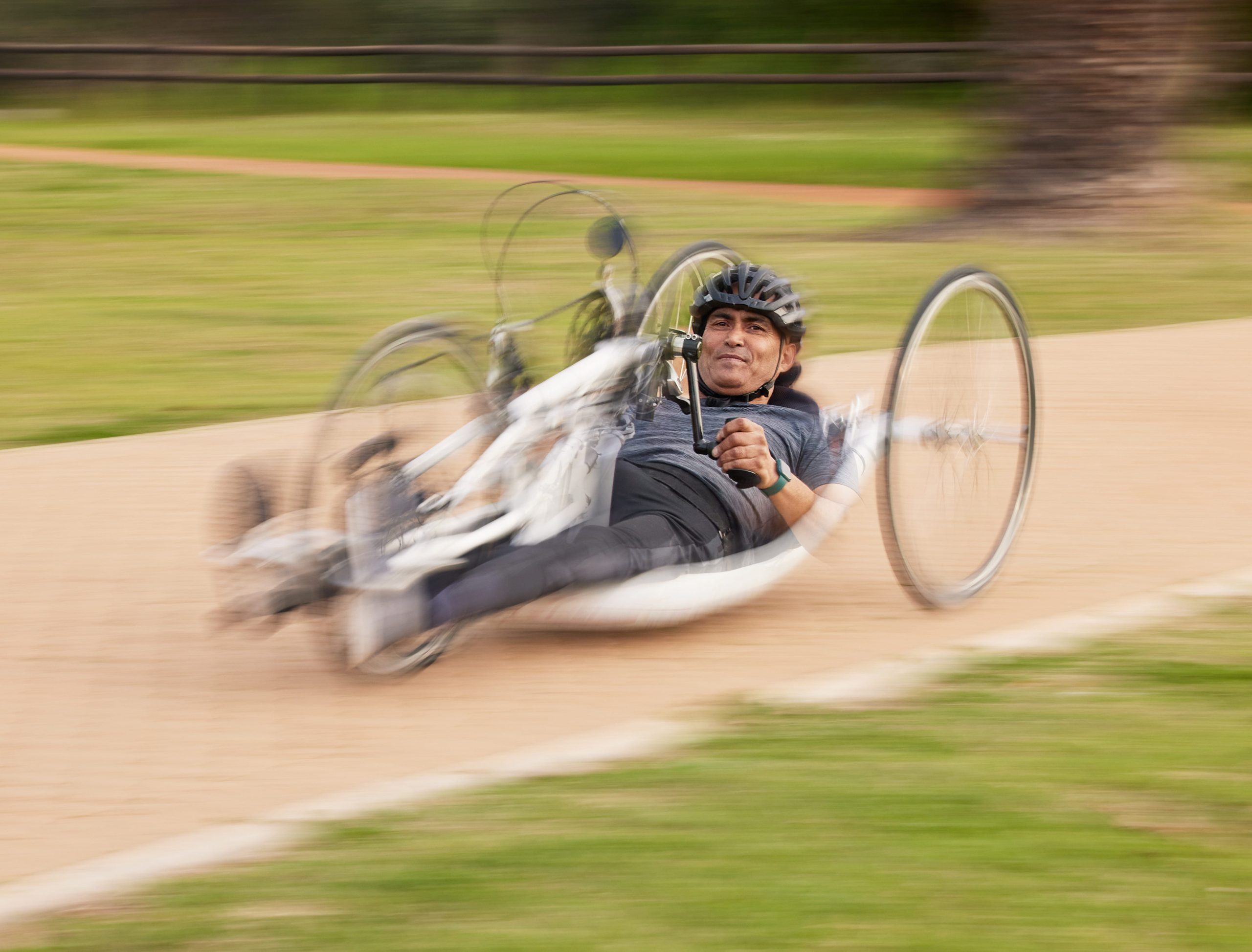
These cases turn on the crash dynamics and the machine. The point of impact, skid marks, the resting positions, the vehicle’s classification and condition, and any camera footage or witnesses help reconstruct what happened, and a reconstruction expert can address the trike’s unique handling and the rider’s speed. Where a defect is suspected, engineering examination of the vehicle is central. Riders can also reach Miami motorcycle accident lawyers.
Injuries, coverage, and future care
Despite the third wheel, a trike rider is exposed much like any motorcyclist, and the claim must reflect that.
Why a trike rider is still exposed
A three-wheel rider has no frame, airbags, or seatbelts, so a crash can cause fractures, road rash, spinal injuries, and traumatic brain injuries. Being thrown from the machine adds further harm. Many of these injuries require surgery, lengthy rehabilitation, and sometimes lifelong care, and the trike’s dynamics can add unique injury patterns.
Valuing future care without PIP
Because Florida’s no-fault PIP does not cover motorcycles, including trikes, a claim must account for the full future cost of care along with lost income and reduced earning capacity, drawing on the at-fault driver’s coverage, any uninsured motorist coverage, and, where a defect contributed, the manufacturer.
Because a trike’s handling and classification can complicate a claim, an early, thorough investigation pays off. Establishing how the machine behaved, whether a driver failed to yield, and whether a defect contributed requires prompt reconstruction and, where a defect is suspected, preservation of the vehicle itself. That groundwork protects a rider against the familiar bias that assumes any motorcyclist was at fault, and it ensures every responsible party, from a negligent driver to a manufacturer, is identified.
Hurt on a trike or three-wheel motorcycle?
These machines raise unique questions of handling, classification, and defects, and fault often rests with a driver who failed to yield. The Law Offices of Wolf & Pravato account for the differences and pursue every responsible party. Call 954-522-5800 for a free consultation.
Sources: Fla. Stat. §316.211; Fla. Stat. §768.81
Frequently Asked Questions:
Q1. Do trikes handle differently from two-wheel motorcycles?
Yes. A trike does not lean into turns like a two-wheeler; it steers more like a car but with a higher center of gravity and narrower track, which can make some prone to tipping in sharp turns. Reverse-trikes handle differently again, and the width changes lane position.
Q2. How does Florida law classify three-wheel motorcycles?
Many are treated as motorcycles subject to motorcycle equipment and licensing rules, while some enclosed or specially configured vehicles known as autocycles may fall under different requirements. The classification affects the duties and defenses, so confirming it is an early step.
Q3. Who is at fault in a trike crash?
Often another driver who failed to yield, turned across the rider’s path, misjudged the rider’s speed or width, or drove distracted or impaired. A driver who violates the rider’s right of way is generally at fault, though a vehicle defect can add a manufacturer as a responsible party.
Q4. Can a defect in the trike cause a crash?
Yes. Because a trike’s stability and handling are engineered, a design that makes it unreasonably prone to tipping, or a steering, braking, or manufacturing defect, can cause or worsen a crash. Where a defect contributed, the manufacturer may share responsibility, and the vehicle should be preserved for examination.
Q5. Do trike riders have PIP coverage?
No. Florida’s no-fault PIP system does not cover motorcycles, including three-wheelers, so a hurt trike rider looks to the at-fault driver’s liability coverage and any applicable uninsured motorist coverage. That makes pursuing the full value of the claim important.
Q6. What evidence helps prove a trike crash?
The point of impact, skid marks, resting positions, the vehicle’s classification and condition, and any camera footage or witnesses help reconstruct the crash, and a reconstruction expert can address the trike’s unique handling. Where a defect is suspected, engineering examination of the vehicle is central.
Q7. Is a three-wheel motorcycle covered by regular auto PIP?
No. Florida’s no-fault PIP system does not cover motorcycles, including three-wheelers, so a hurt trike rider looks to the at-fault driver’s liability coverage and any applicable uninsured motorist coverage. That makes pursuing the full value of the claim important.
About the Firm
Published by the Law Offices of Wolf & Pravato
For nearly three decades, the Law Offices of Wolf & Pravato have represented injured Floridians and their families across South and Southwest Florida, exclusively on the plaintiff’s side. The firm is led by managing partner Richard P. Pravato, a Board-Certified Civil Trial Attorney (Florida Bar No. 86150). To reach the lawyer who handles cases in your area, visit our attorneys page, explore our practice areas, or learn more about our firm.
Law Offices of Wolf & Pravato · 2101 W. Commercial Blvd., Suite 1500, Fort Lauderdale, FL 33309 · 954-522-5800 · Free case evaluation: 844-643-7200
Disclaimer: This blog post is provided for general informational purposes only and does not constitute legal advice. Reading this content does not create an attorney-client relationship between you and the Law Offices of Wolf & Pravato. Laws change, and every case is different, so you should not act or rely on any information here without consulting a licensed Florida attorney about your specific situation. For advice regarding your circumstances, please contact our office for a free consultation.
Recent Posts
- Wrong Burial Plot and Grave-Site Errors in Fort Lauderdale

- Rainwater Falls at Fort Lauderdale Store Entrances

- Parking-Lot Backing Crashes in Fort Lauderdale: Who Has the Right of Way?
- Elevator and Escalator Injuries at Fort Lauderdale Shopping Centers
- Delivery Driver Car Accidents in Lakeland: Who Pays?

- Injured as a Passenger in Fort Lauderdale: Whose Insurance Pays?




FLORIDA’S PERSONAL INJURY ATTORNEYS FOR + 20 YEARS